Browse by spirit
Whisky cocktails
Whisky — bourbon, rye and scotch alike — brings oak, caramel and grain warmth that holds its own against minimal dilution, which is why it anchors stirred, spirit-forward classics like the Old Fashioned and Manhattan rather than shaken, juice-heavy drinks. Rye's spicier edge and bourbon's rounder sweetness lead to genuinely different drinks even in the same recipe.
Where to start with whisky
the one it is known for
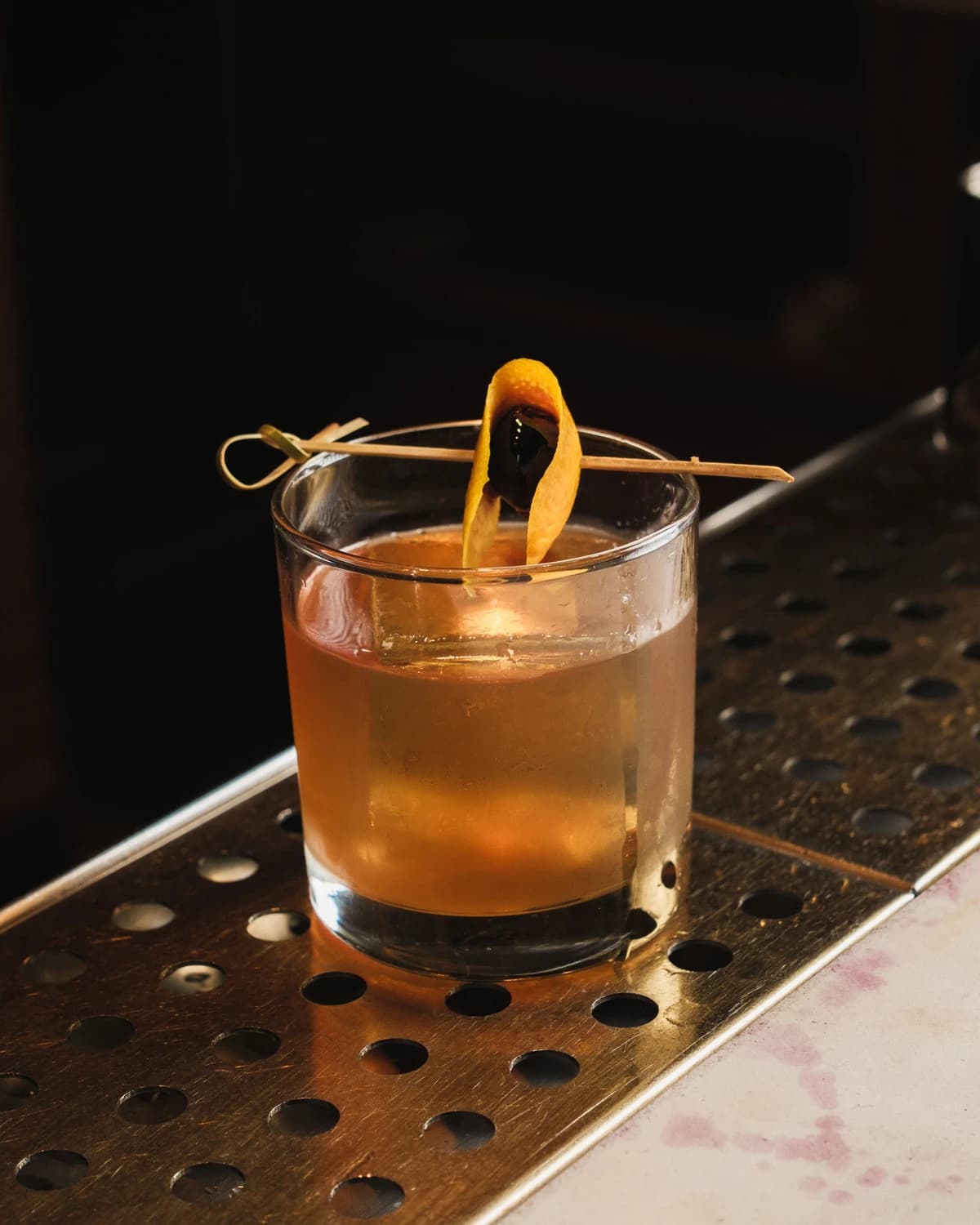
Old FashionedThe old fashioned the category is built around, and the drink most others here are compared against.
the easiest to get right
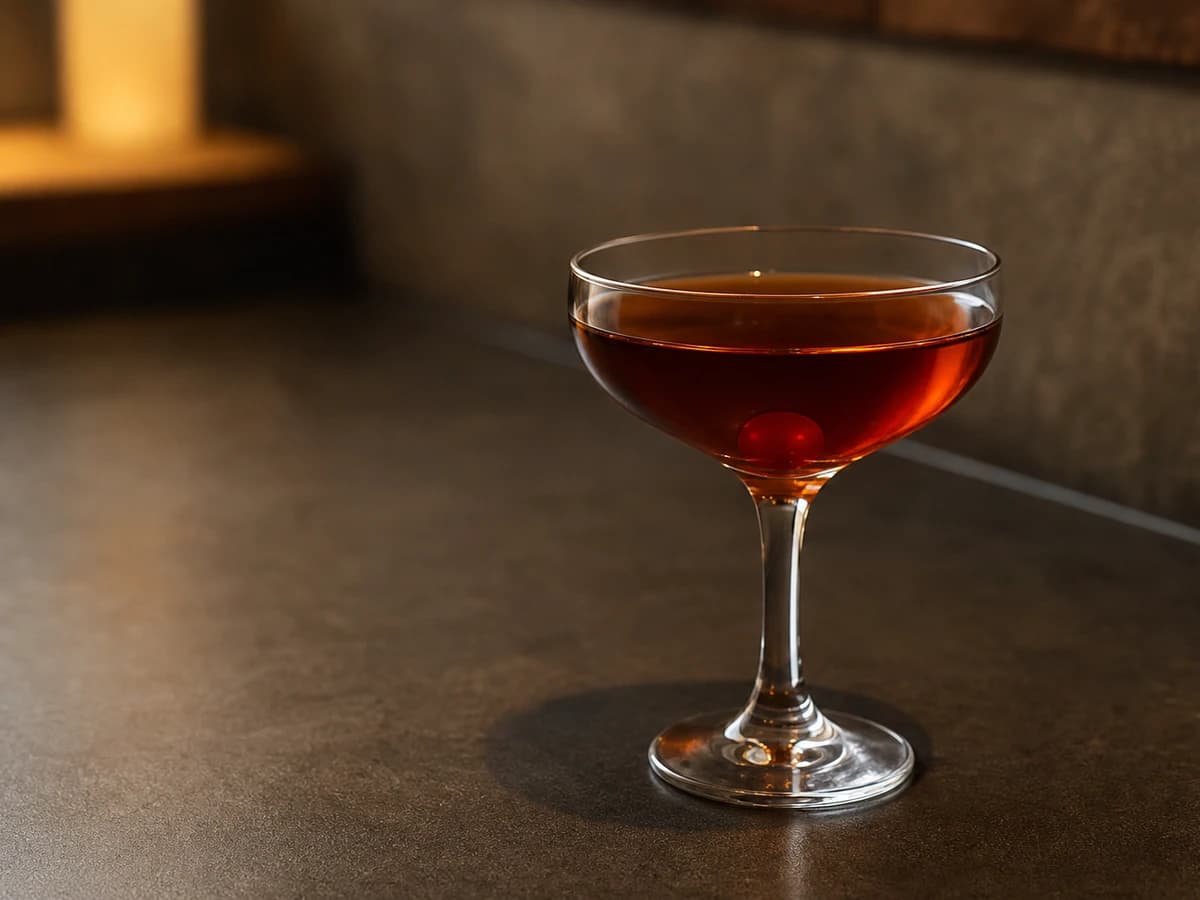
Godfather2 ingredients, built, and about 2 minutes — very little to go wrong.
where it goes next
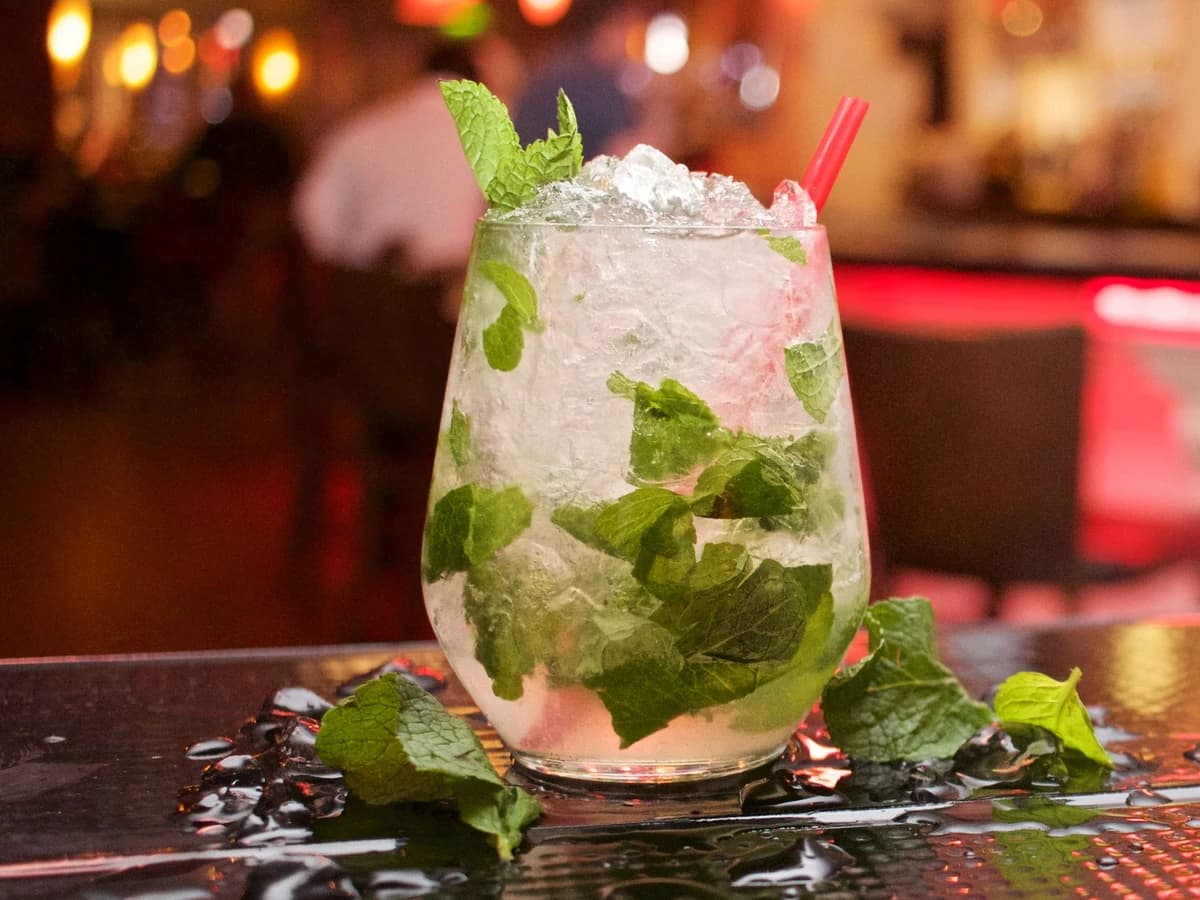
Blood and SandA sour rather than a old fashioned — fruity and sweet, and a different side of the same bottle.
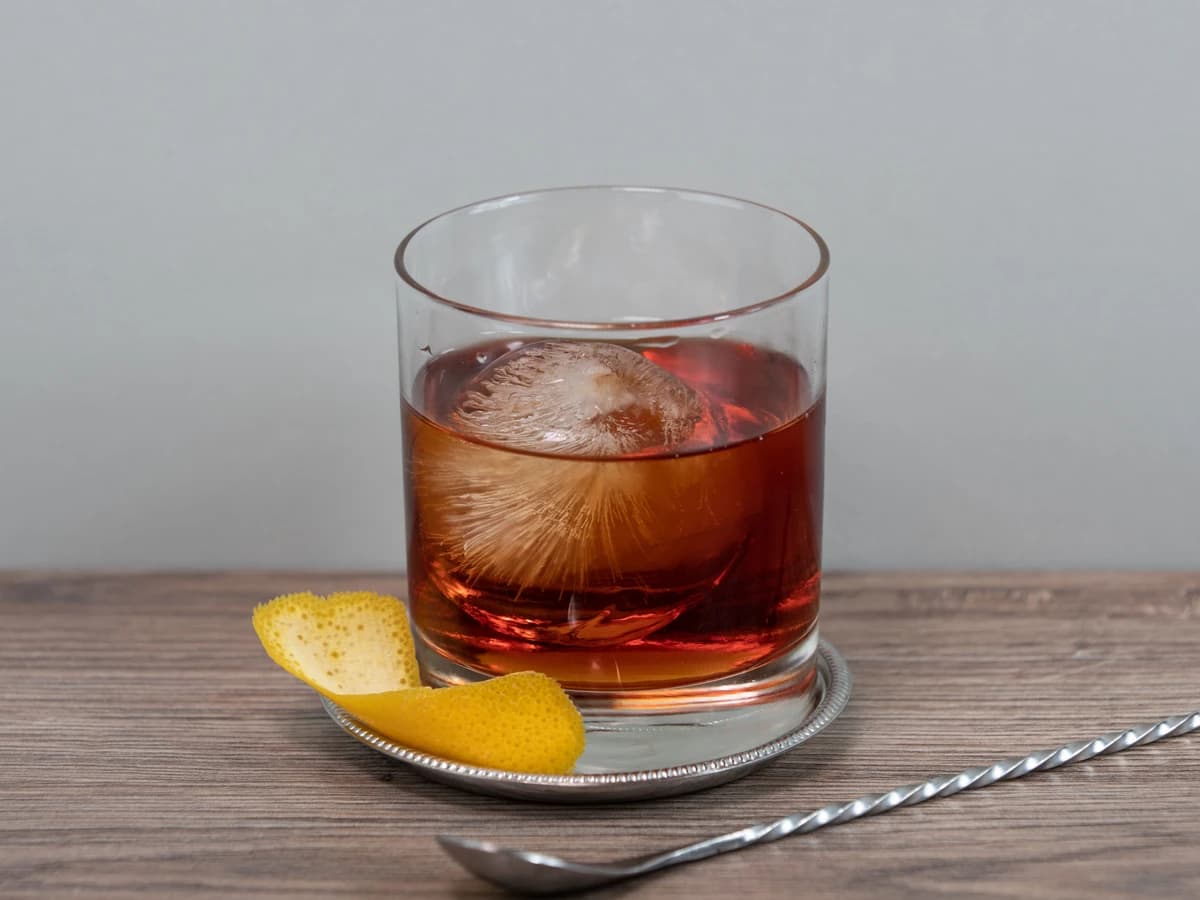
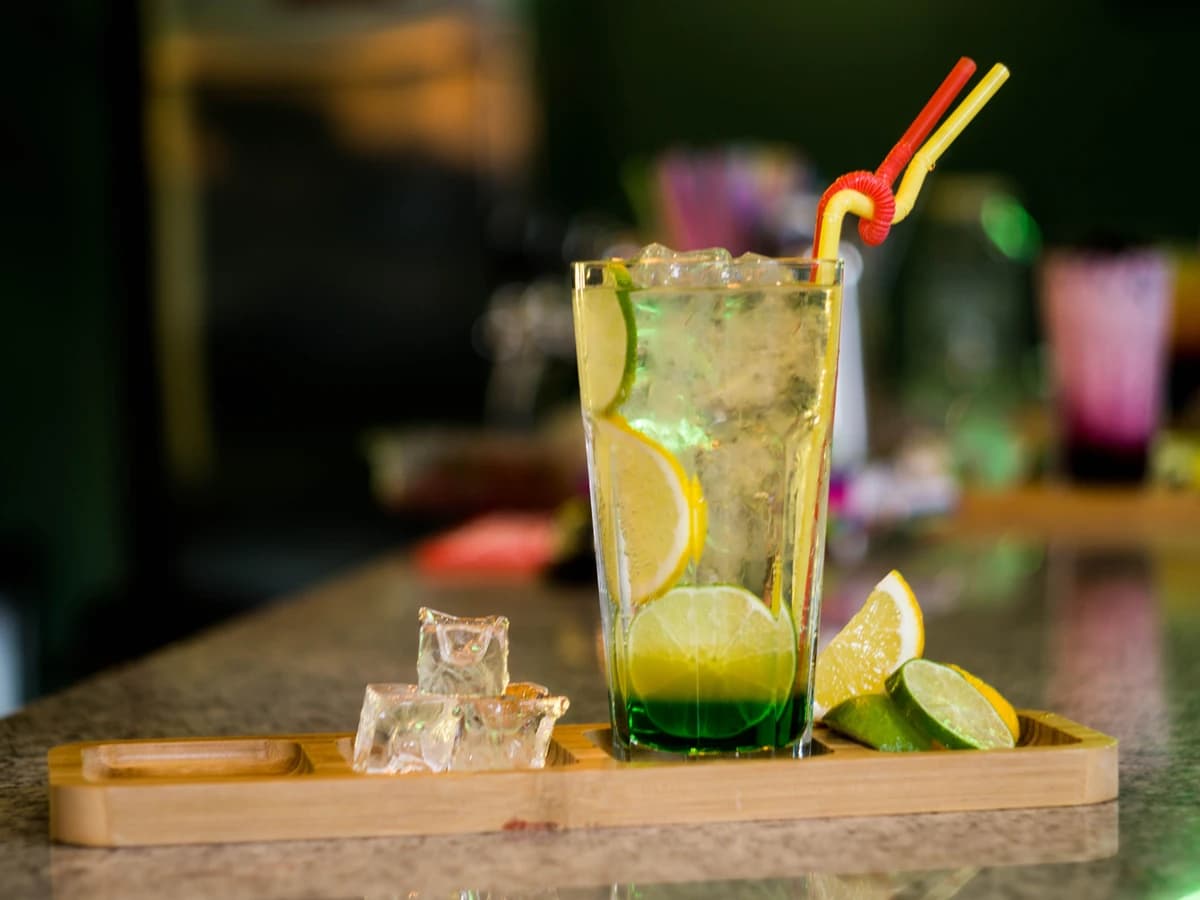
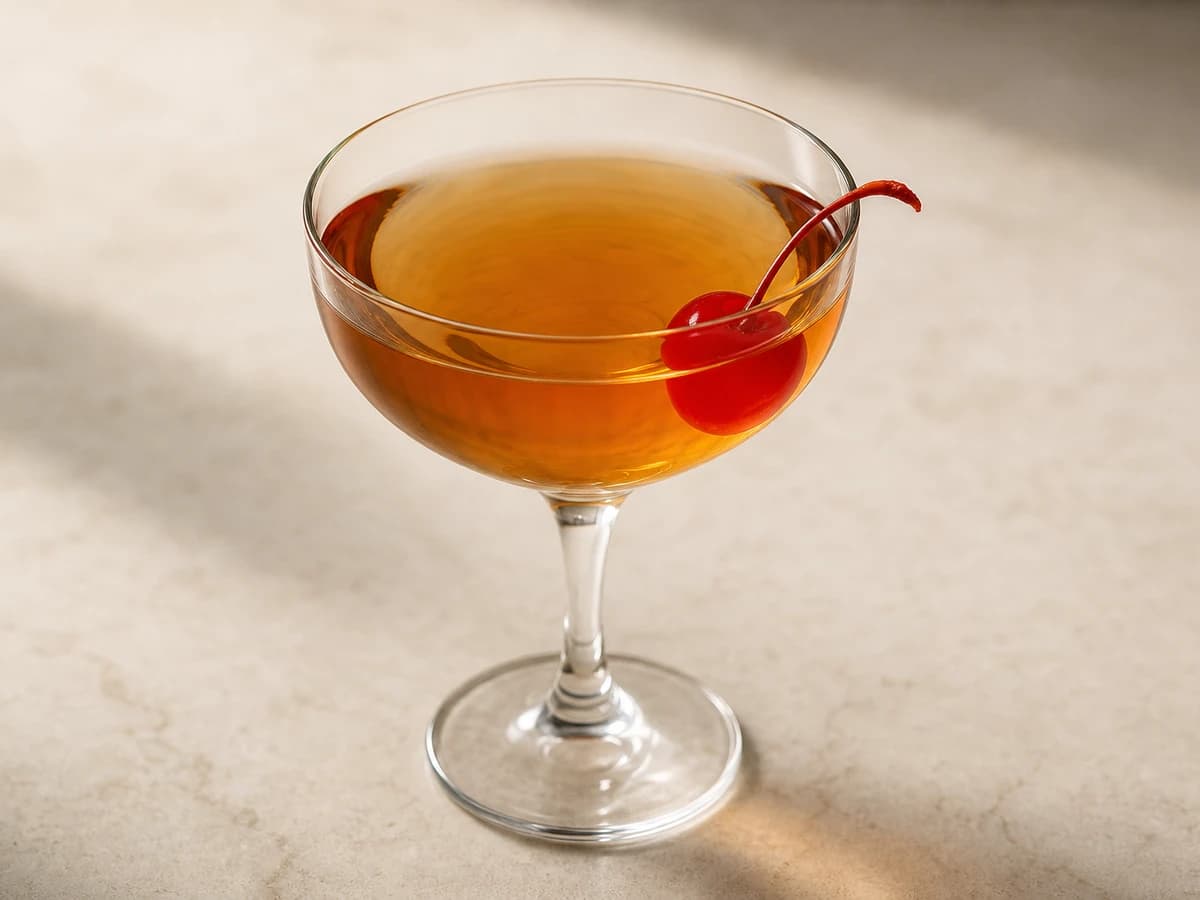

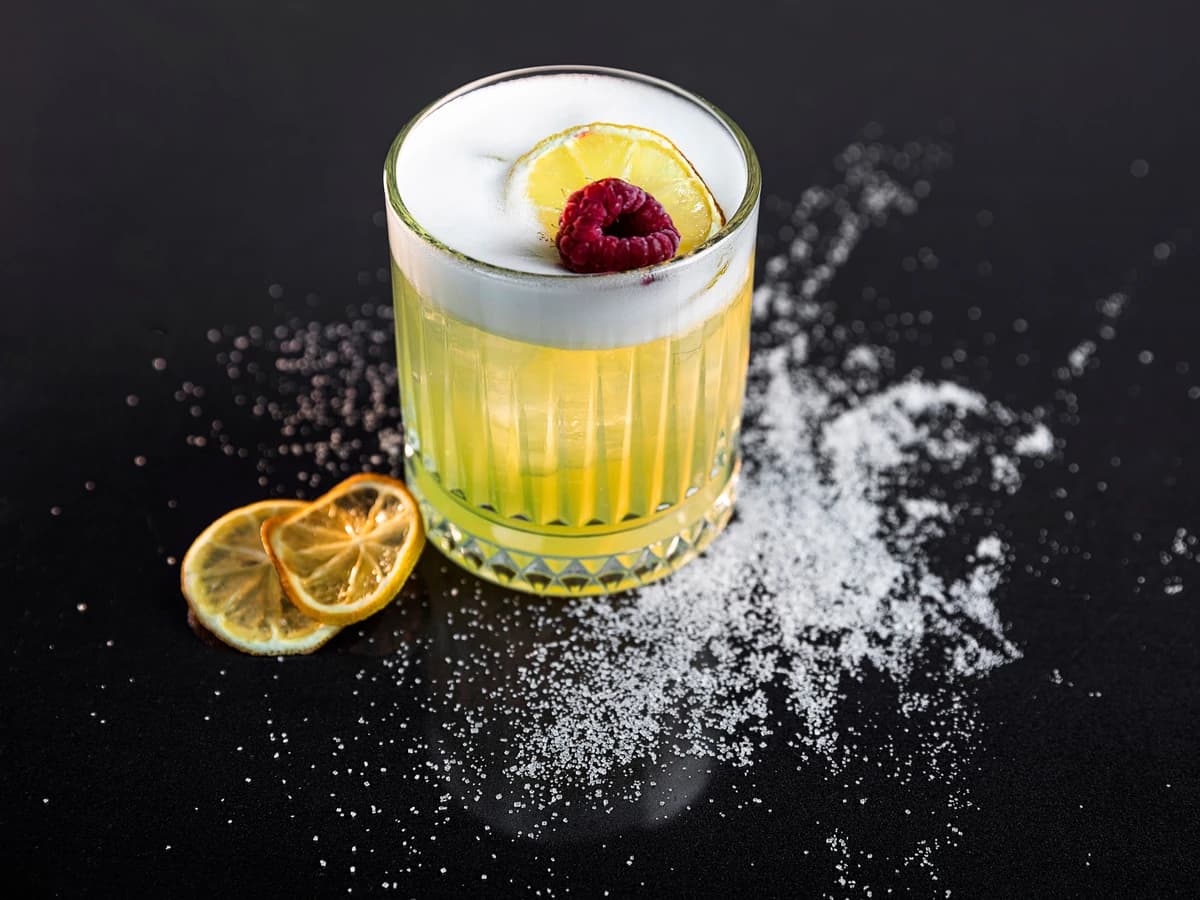
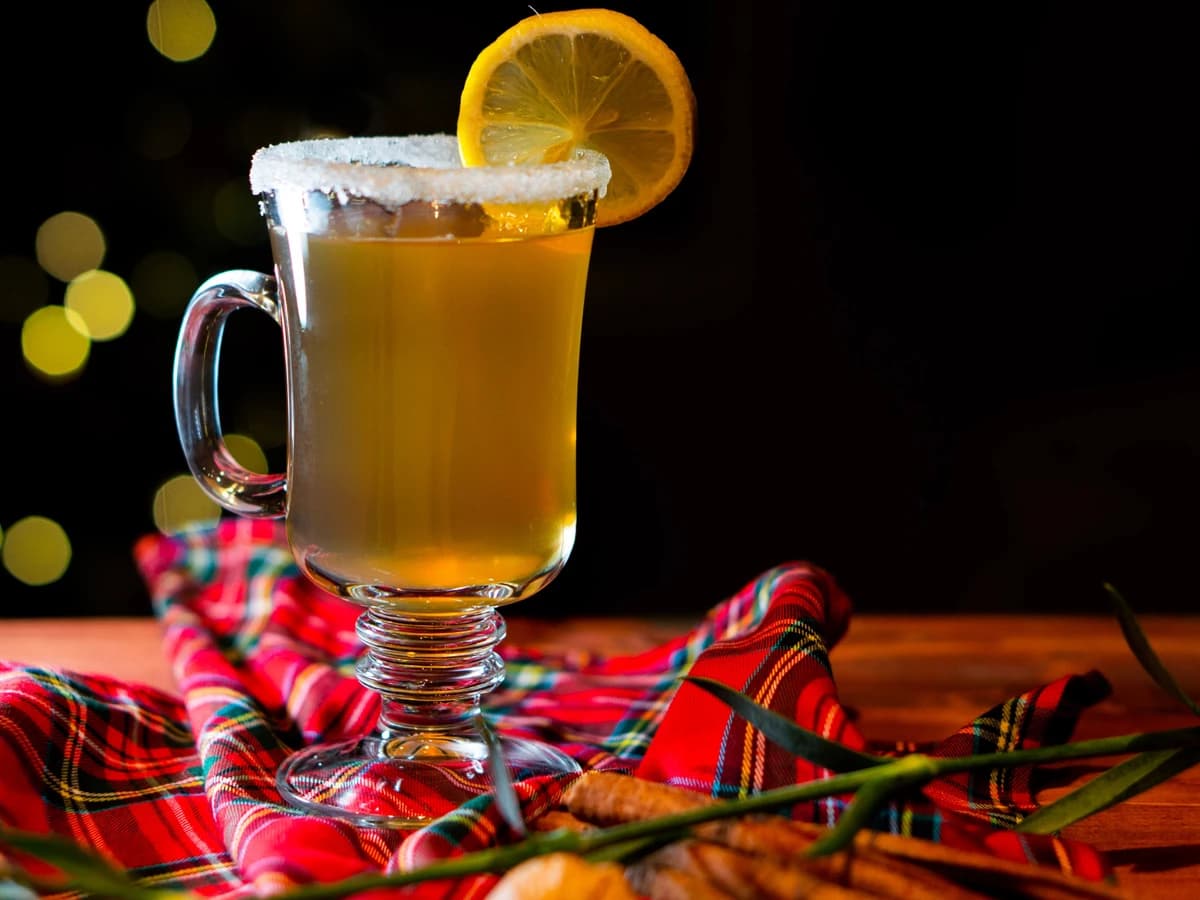
Coffee Old Fashioned
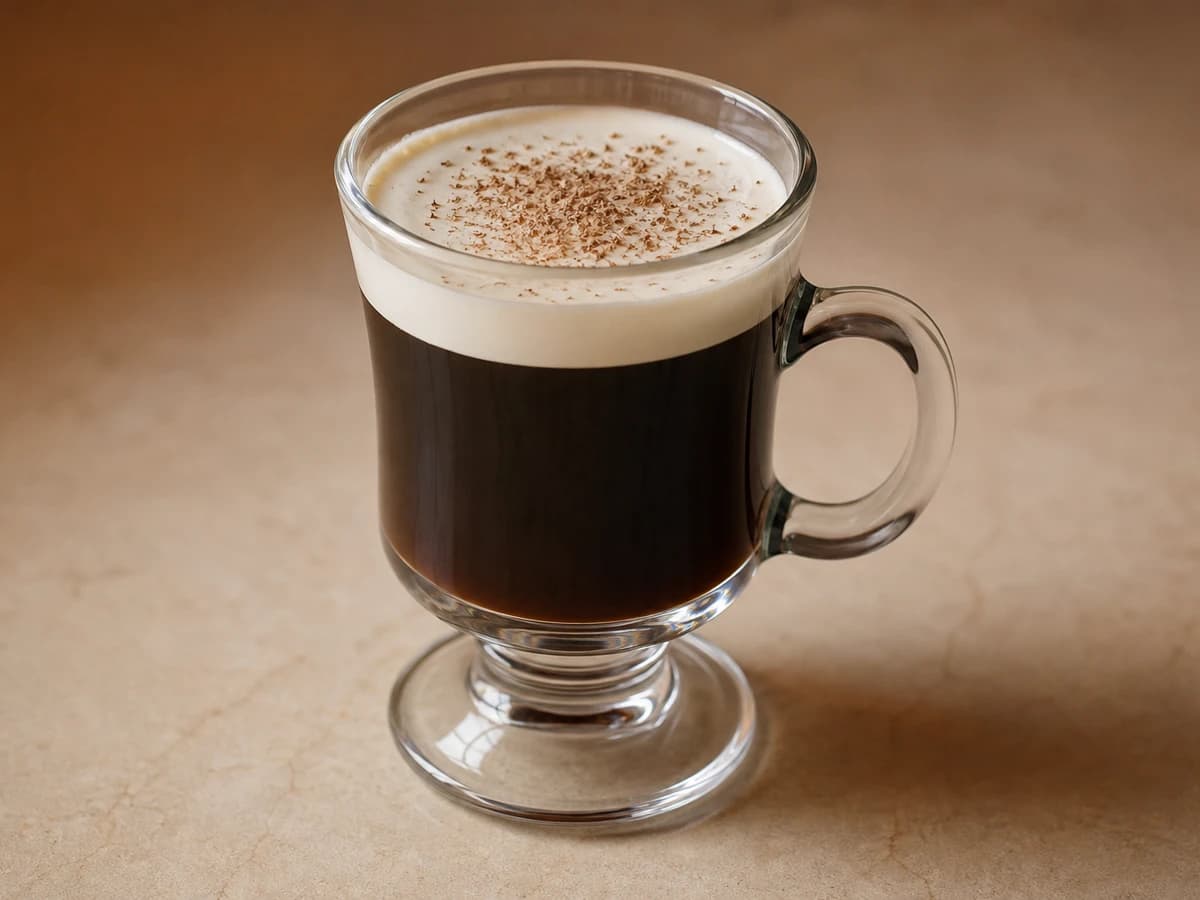
A classic Old Fashioned given a cold-brew twist — bourbon, coffee and bitters, stirred slow.
In depth
Understanding whisky
Where the category comes from, how it is made, how its styles differ, and what that means in a drink.
Origin
Whisky production is documented in Scotland and Ireland from at least the fifteenth century. The American branch — bourbon and rye — is a later, separate development with its own legal definitions rather than a variation on the Scottish one.
How it's made
Fermented from grain and aged in oak, with the grain bill and the barrel doing most of the work. Bourbon must be at least 51% corn and aged in *new* charred oak, which is why it gives up so much vanilla and caramel; Scotch typically reuses barrels, so the spirit shows through more.
Flavour
Barrel-derived vanilla, caramel and spice over a grain base whose character varies from corn's sweetness to rye's pepper. Peat, where present, is a separate axis entirely.
What it does in a drink
Whisky is assertive enough to lead but sweet enough from the barrel to need less added sugar than a clear spirit would. That is why its canon leans stirred and spirit-forward: Old Fashioned, Manhattan, Sazerac, Rob Roy.
Styles worth knowing
- Bourbon
- 51%+ corn, new charred oak. Sweet, vanilla-forward, rounder. The default for a Whiskey Sour.
- Rye
- Rye-dominant. Drier and spicier — the traditional and generally better choice for a Manhattan or Sazerac.
- Blended Scotch
- Malt plus grain whisky. Built for mixing; grain whisky's reputation as filler is unfair.
- Single malt / peated
- Malt from one distillery. Peated Islay styles bring smoke that overwhelms most mixed drinks.
- Irish
- Typically triple-distilled and lighter. Gentle enough to sit under coffee and cream.
Substituting within the category
Rye and bourbon are genuinely different in a Manhattan — this is the clearest example on the site of a base swap changing a drink rather than tinting it. Peated Scotch is almost never a drop-in substitute; it dominates.
The bottles inside this category
Families this spirit anchors
What's established
- documented
Bourbon must be at least 51% corn and aged in new charred oak containers.
Set out in US federal standards of identity for distilled spirits.
Supported by contemporary printed sources — a dated book, menu, newspaper or legal record.
- documented
Japanese whisky labelling standards were tightened by an industry body in 2021.
A published standard with a date, introduced precisely because the term had been applied loosely.
Supported by contemporary printed sources — a dated book, menu, newspaper or legal record.