The most useful template there is
The Sour family
Spirit, citrus and sweetener in balance — the template behind the Daiquiri, the Margarita, the Whiskey Sour and the Sidecar.
If you learn one structure, learn this one. The sour is spirit, something sour and something sweet, shaken hard and served cold — and once you can taste that balance, an enormous amount of the canon stops being a list of recipes to memorise and becomes one idea wearing different bottles.
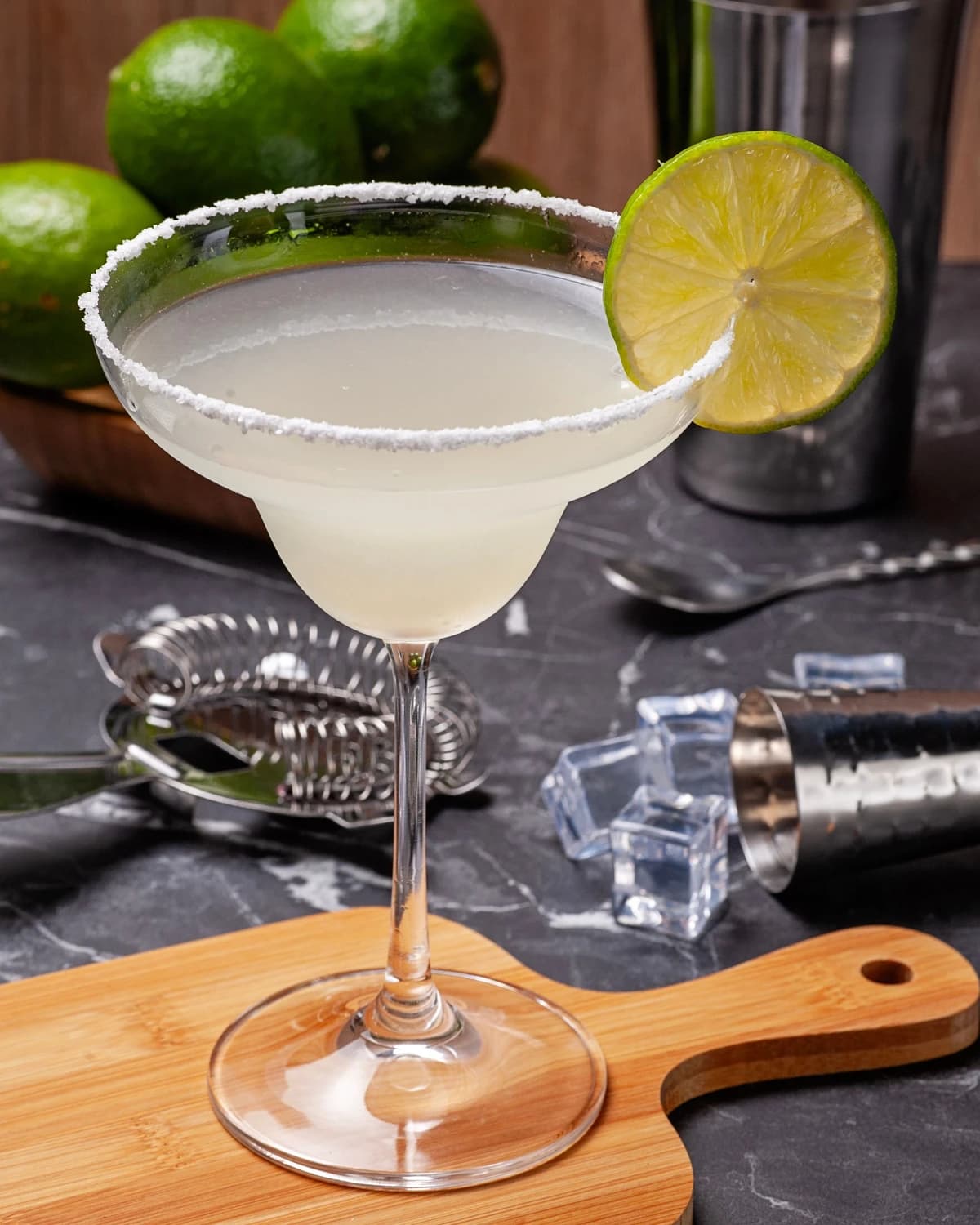
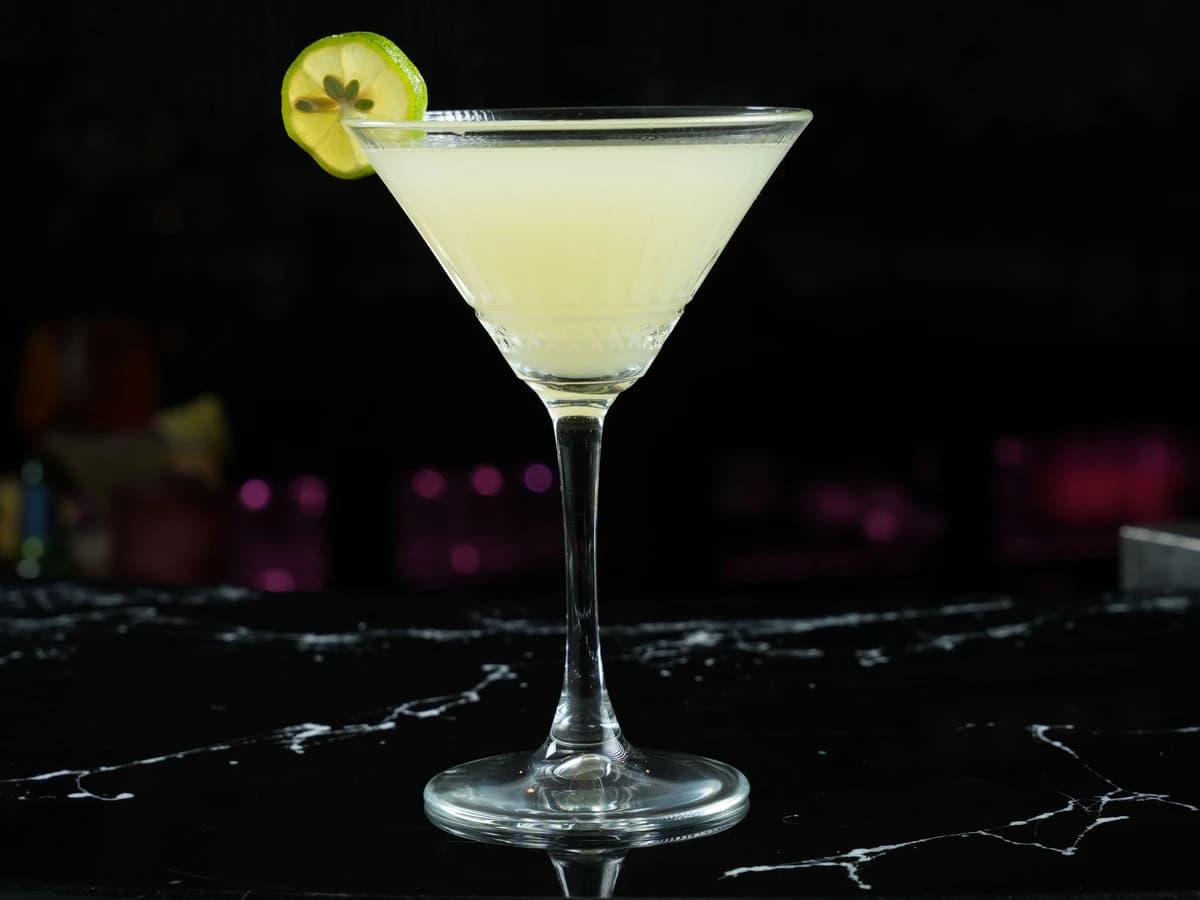
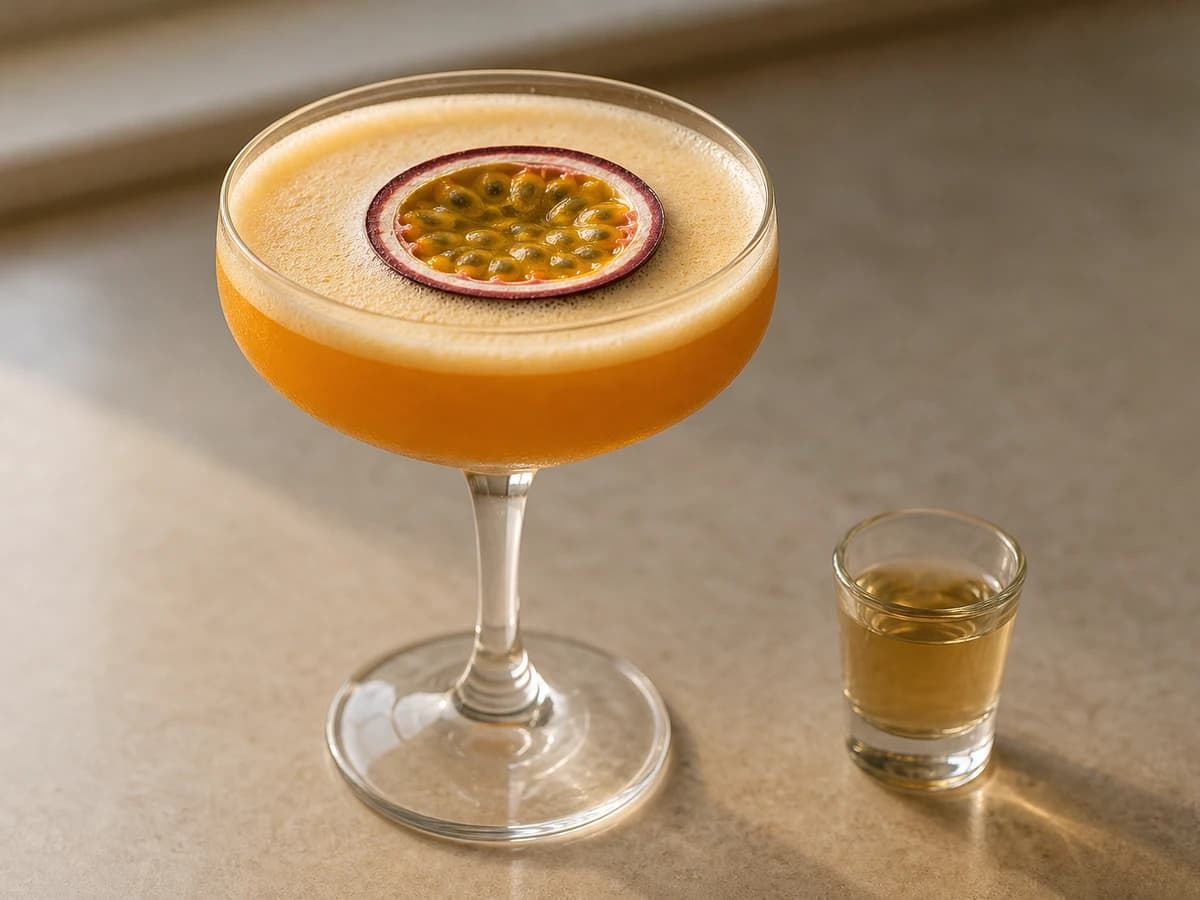
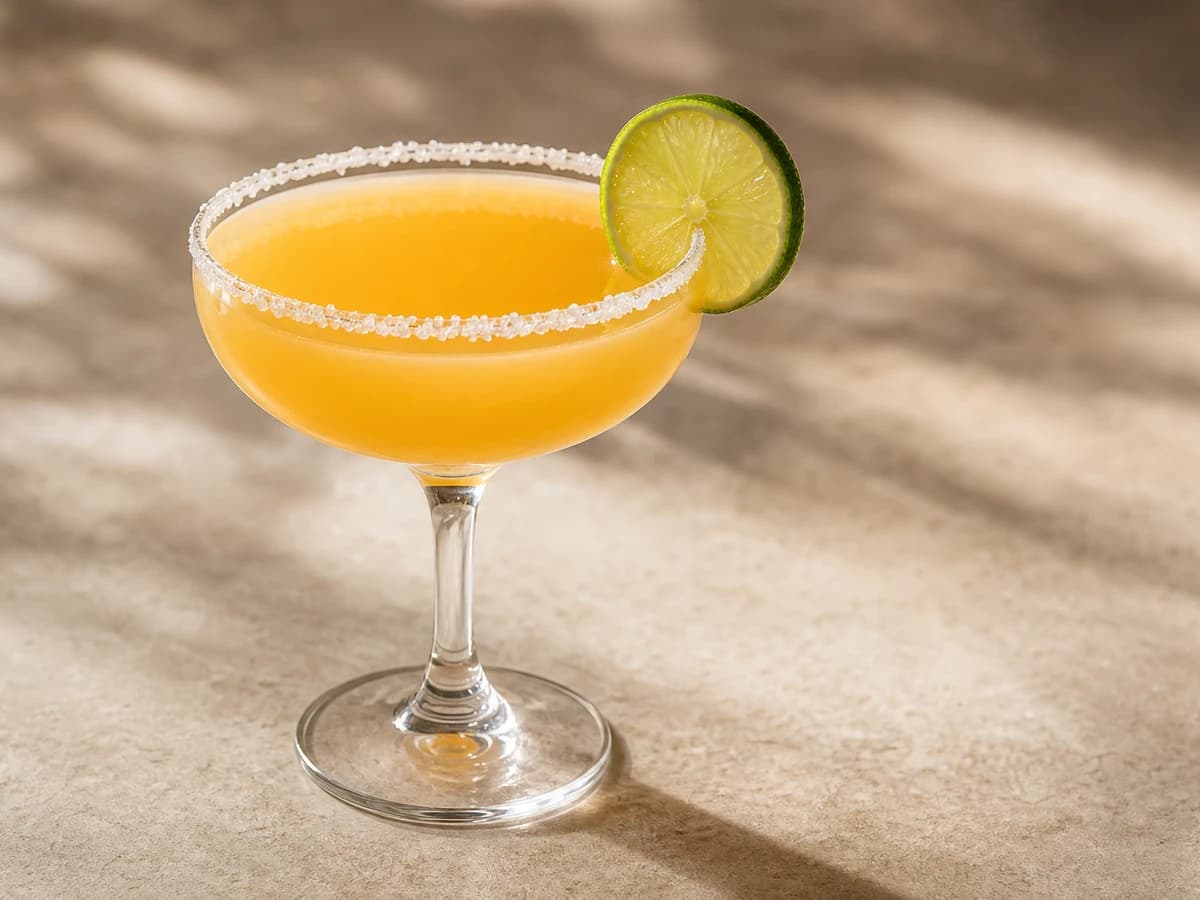
A Daiquiri is rum, lime and sugar. A Margarita is tequila, lime and orange liqueur. A Whiskey Sour is bourbon, lemon and sugar. A Sidecar is cognac, lemon and orange liqueur. Those are the same drink four times.
The formula
2 parts spirit · 1 part citrus · 1 part sweetener — shaken, strained, served up or over ice.
What makes a drink one of these
- Contains a genuine acid — fresh citrus in almost every case.
- Contains a sweetener, whether syrup, liqueur or a sweet fortified wine.
- Shaken rather than stirred, because citrus needs aeration and hard chilling.
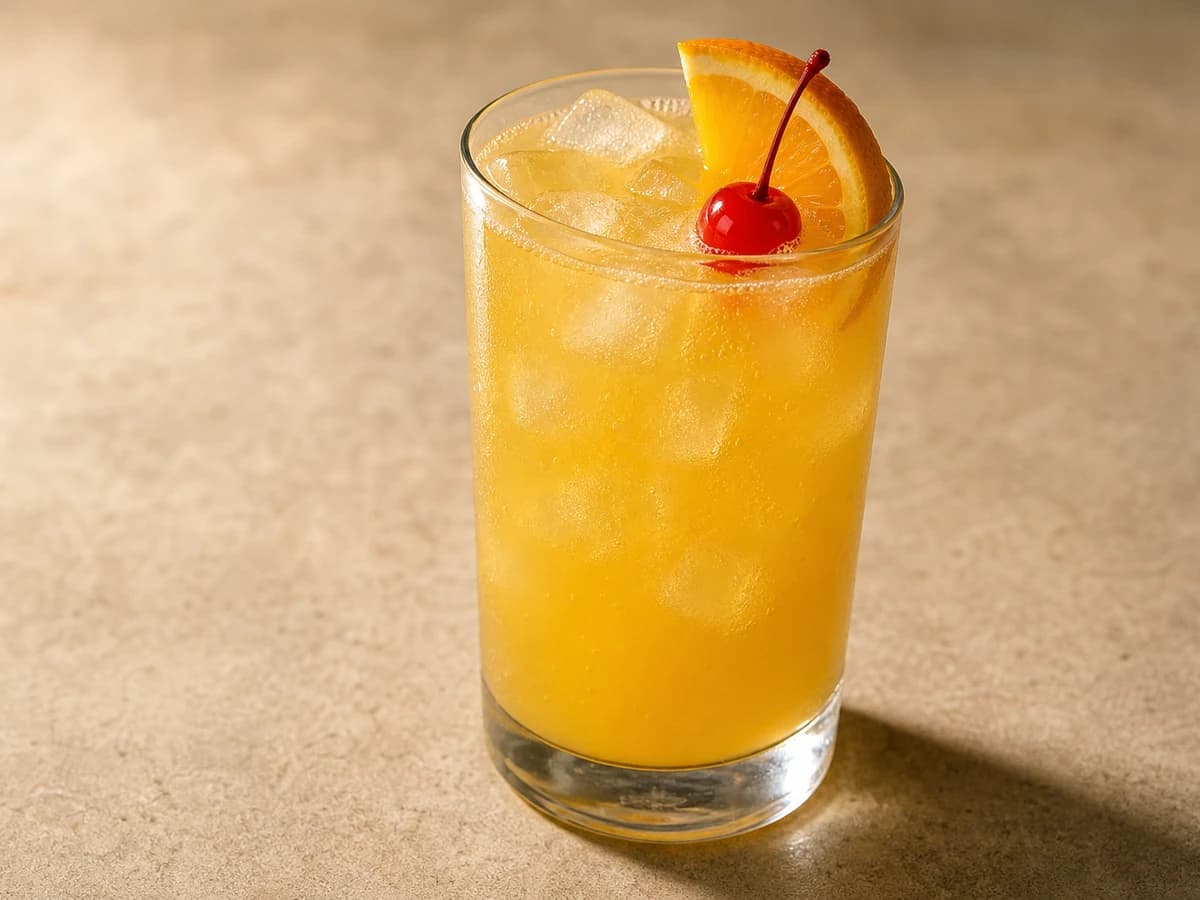
- No lengthener: a sour topped with soda becomes a Collins or a Fizz.
The ratio, and why it is a starting point
The classic proportion is 2:1:1 — two parts spirit, one citrus, one sweetener. It works because it balances at roughly the point most palates find pleasant, not because it is sacred. Bartenders routinely pull it toward 2:0.75:0.75 for a drier, more spirit-forward result.
What actually decides the right ratio on any given night is the ingredients. Limes vary in acidity by season; a rich 2:1 syrup sweetens far harder than a 1:1; an aged spirit carries more sugar of its own than a white one. Taste before you strain, and treat the printed number as an opening bid.
Where the family branches
Swap the sweetener for a liqueur and you get the Daisy branch — Margarita and Sidecar both live here, where orange liqueur does the sweetening and adds flavour at the same time.
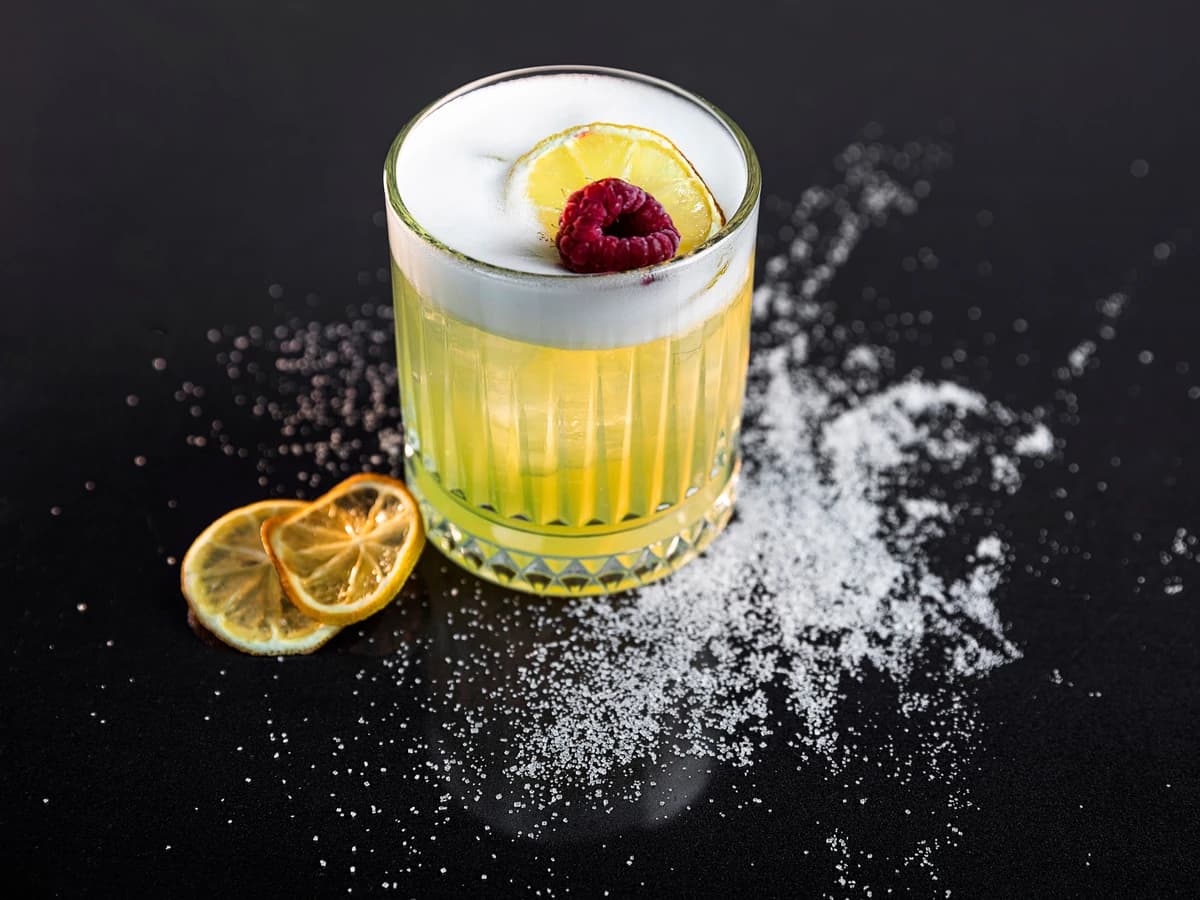
Add egg white and you get a silkier texture and a foam head, which is what separates a Whiskey Sour served 'with' from one served 'without'. Add soda and you leave the family entirely, arriving at the Collins and Fizz.
Take the citrus out and you land on the Old Fashioned side of the canon, which is the other great structural template and behaves quite differently.
Show your working
What's established about this family
History claims graded the same way the rest of the site grades them.
- documented
The sour structure — spirit, citrus, sweetener — is documented in nineteenth-century bar manuals.
Jerry Thomas's 1862 manual contains multiple sour recipes built on this proportion, and the category is named as such.
Supported by contemporary printed sources — a dated book, menu, newspaper or legal record.
- disputed
The 2:1:1 ratio is the single correct proportion for a sour.
Widely taught as a default, and equally widely adjusted in practice toward drier proportions. It is a convention rather than a rule, and bar sources disagree.
Two or more serious accounts contradict each other, and the disagreement has never been settled.
The family
42 recipes
Every recipe on the site built to this structure.
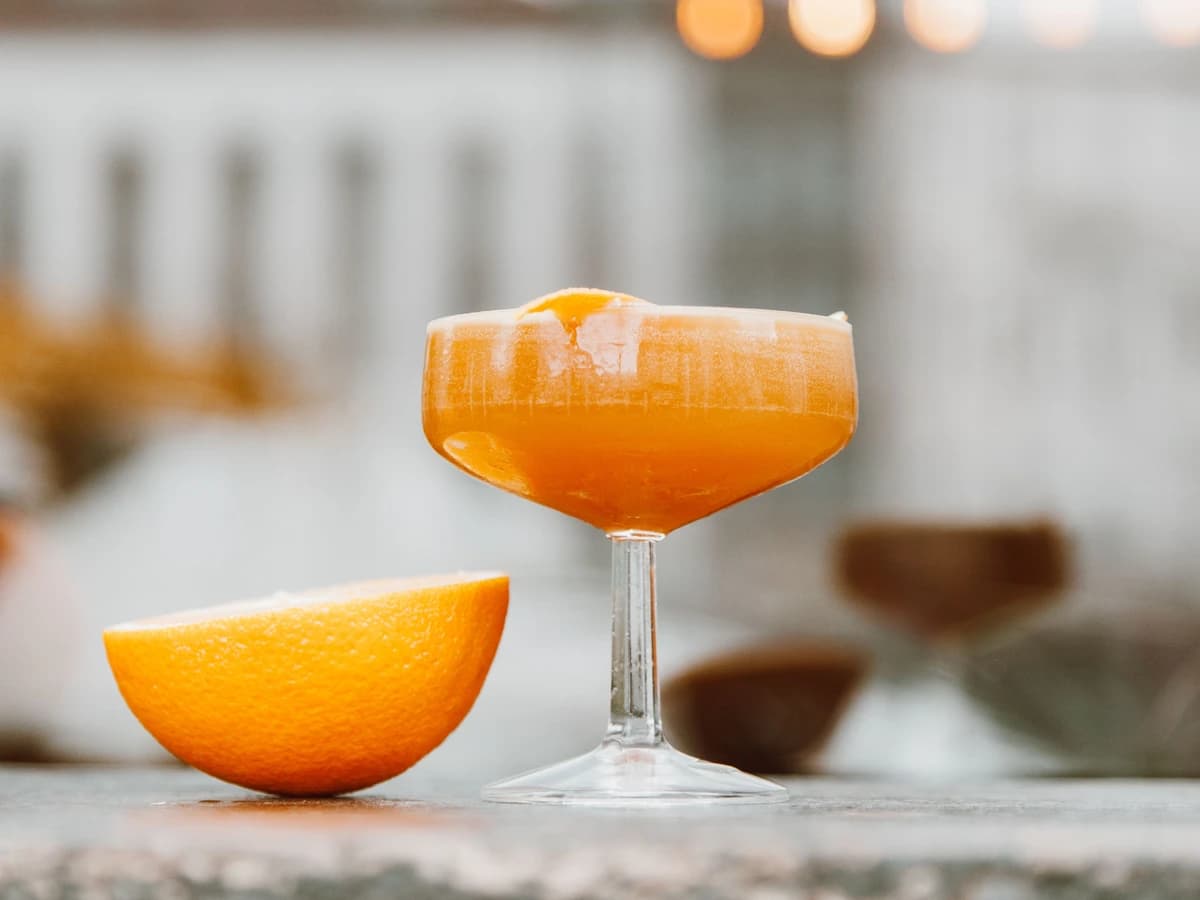
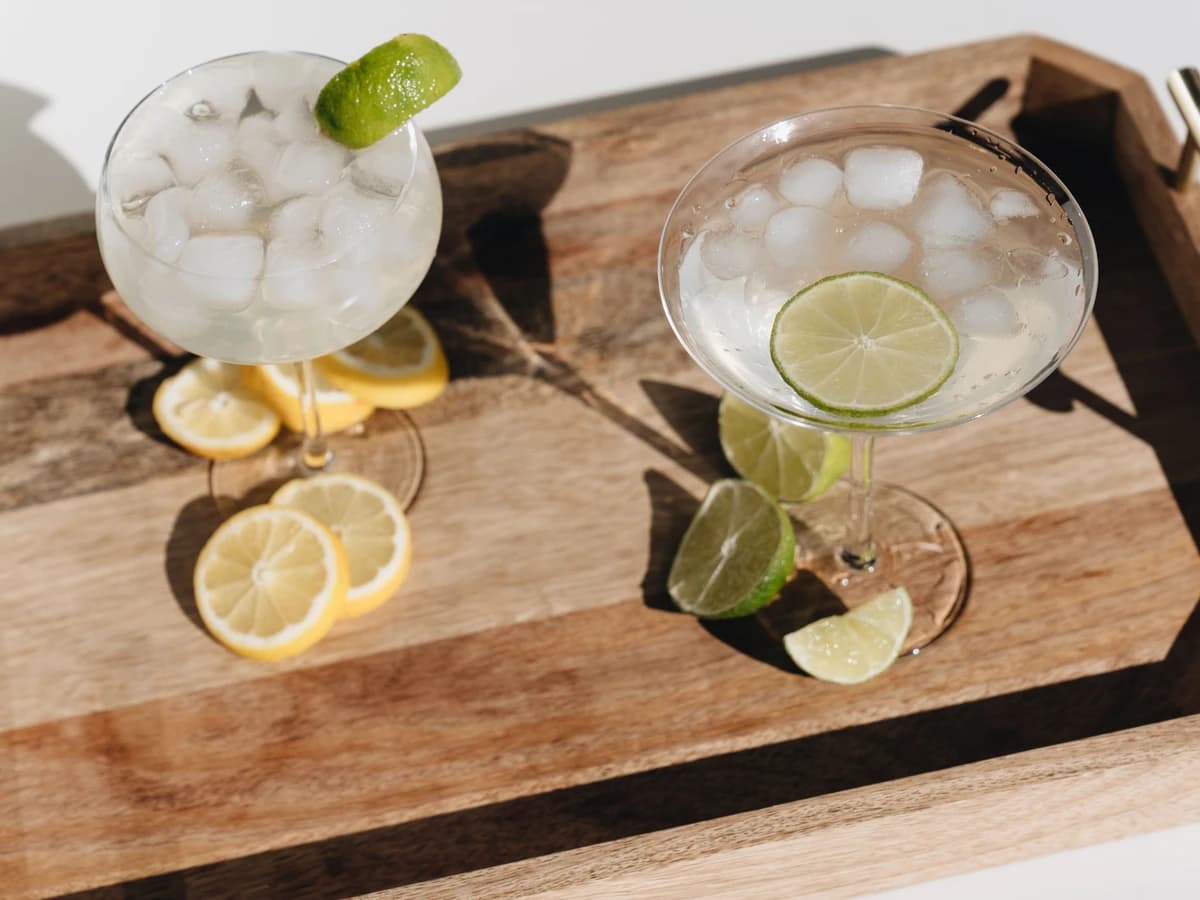
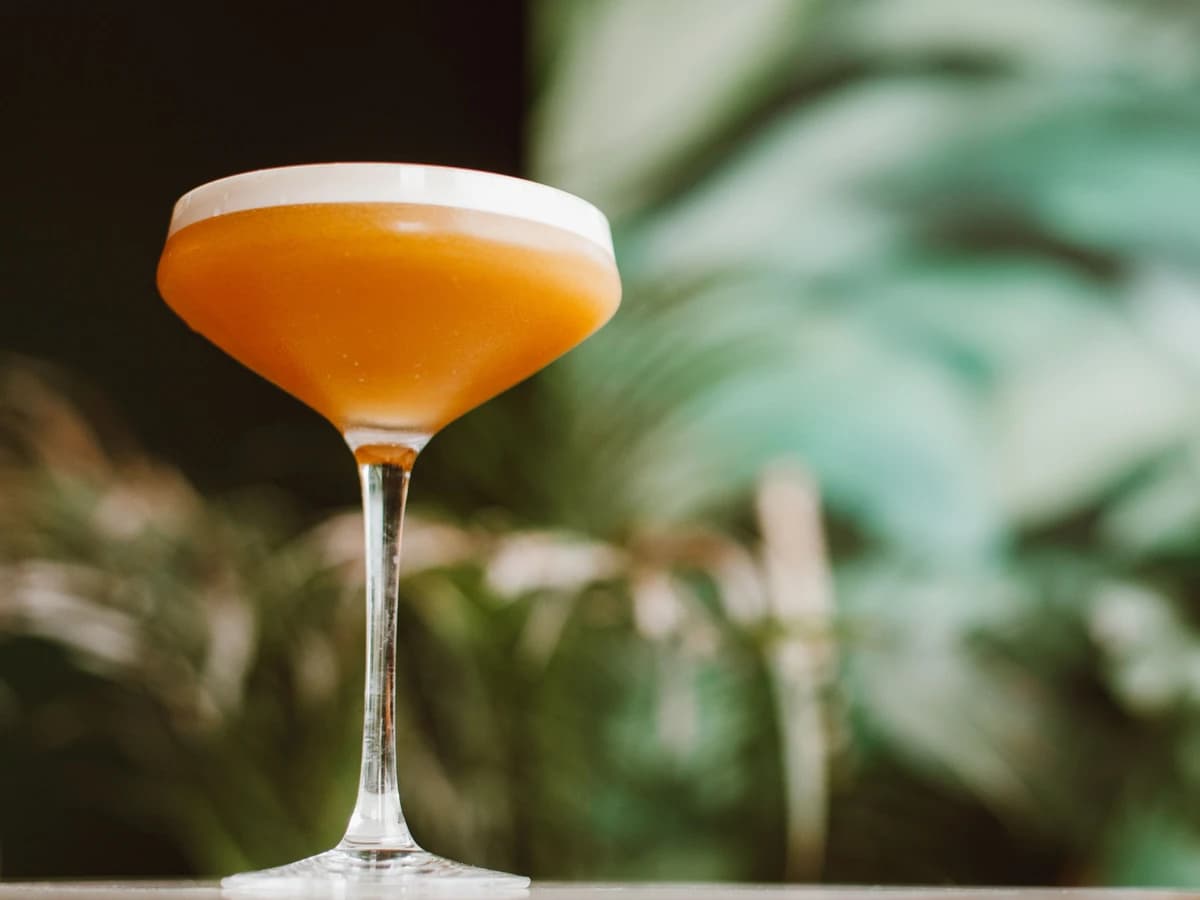
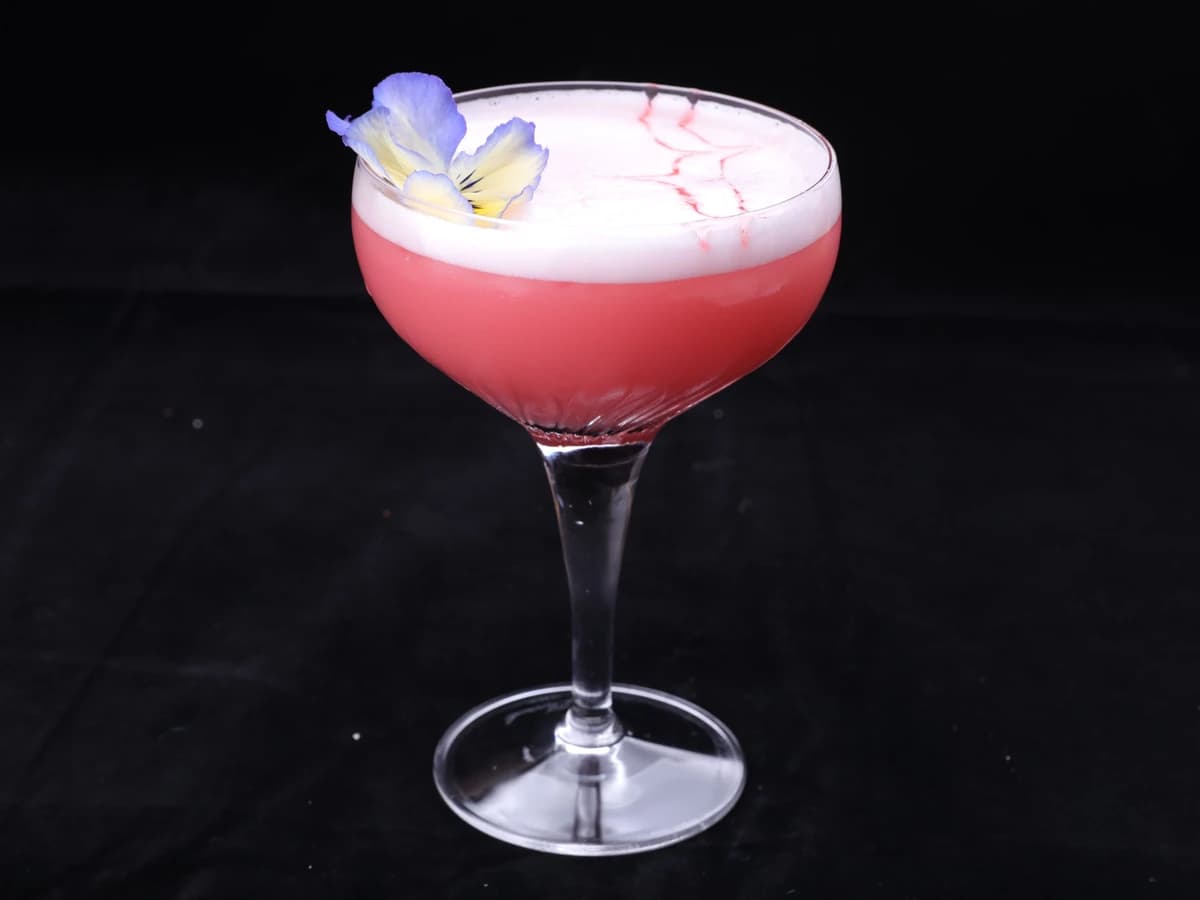
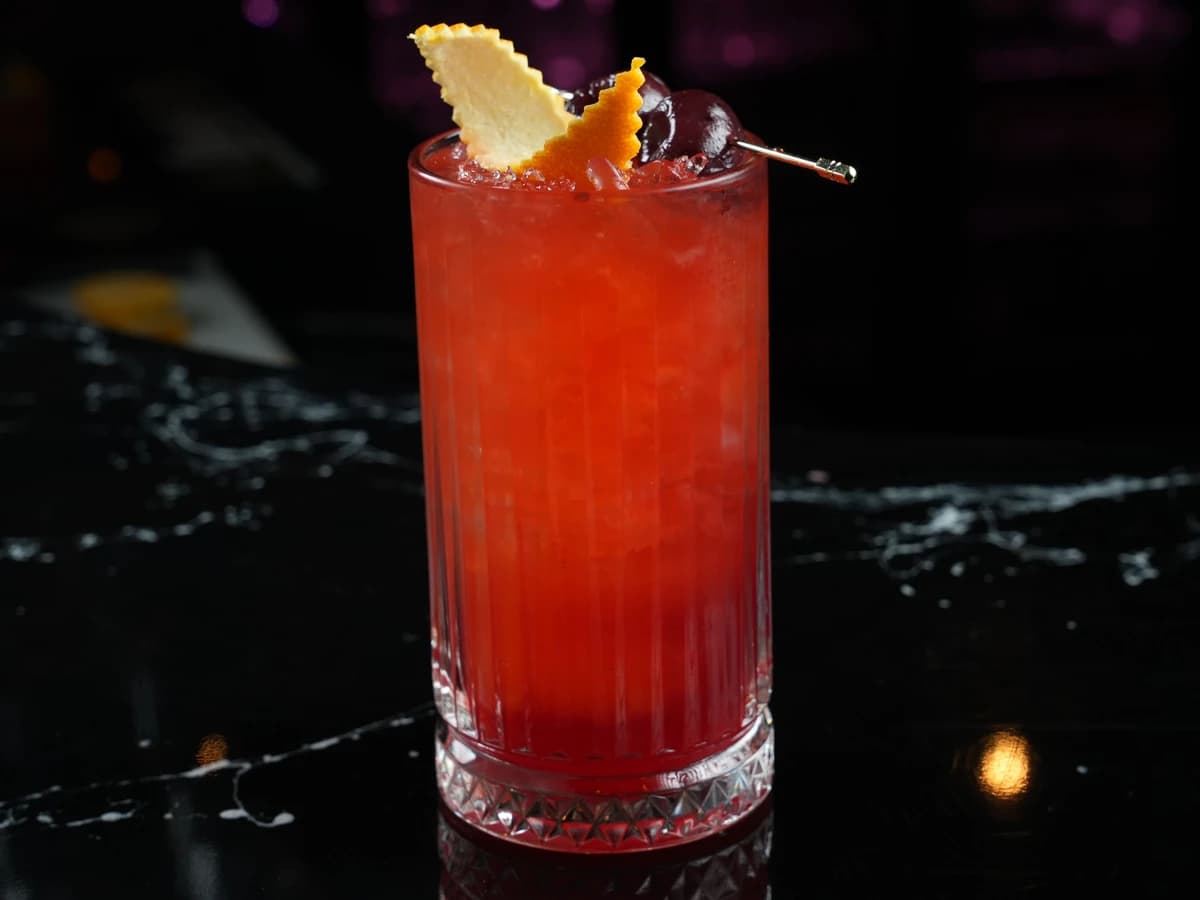
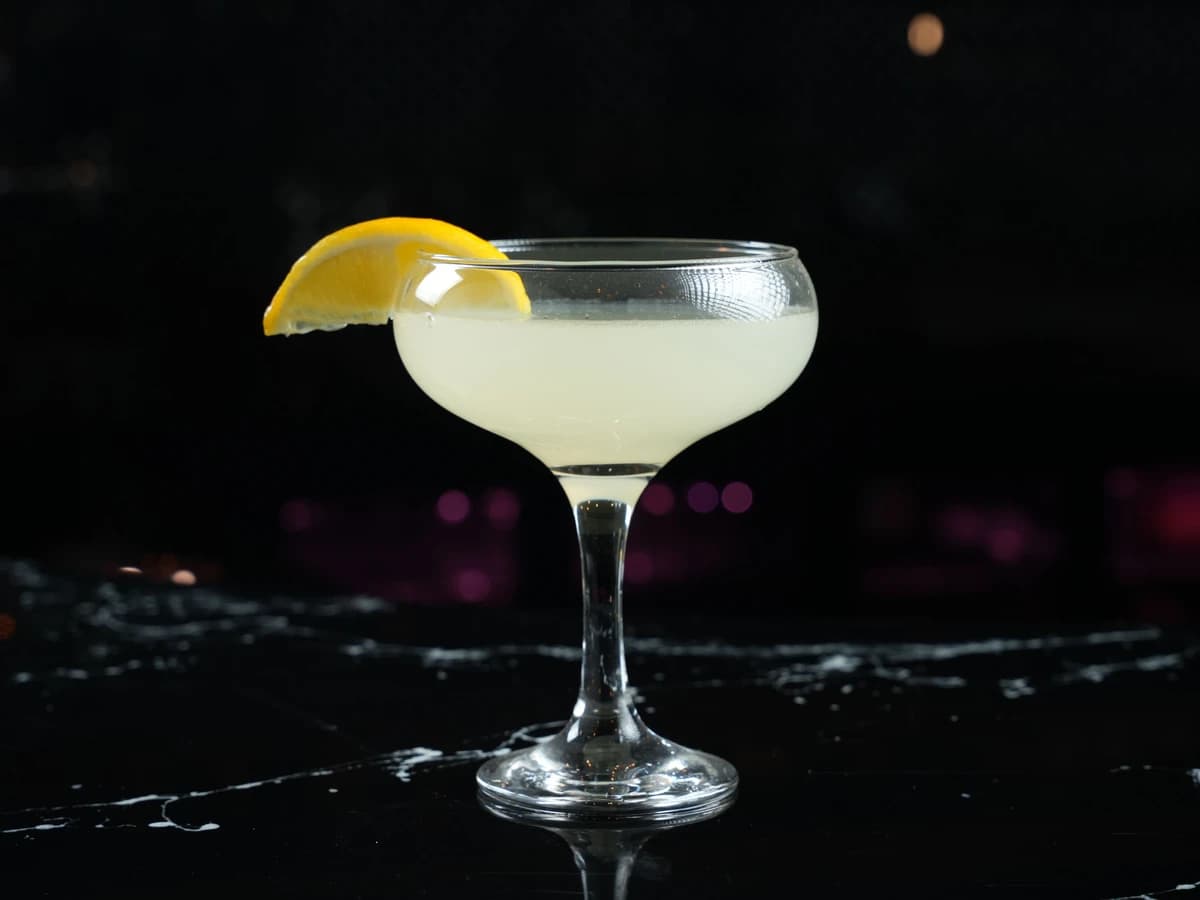
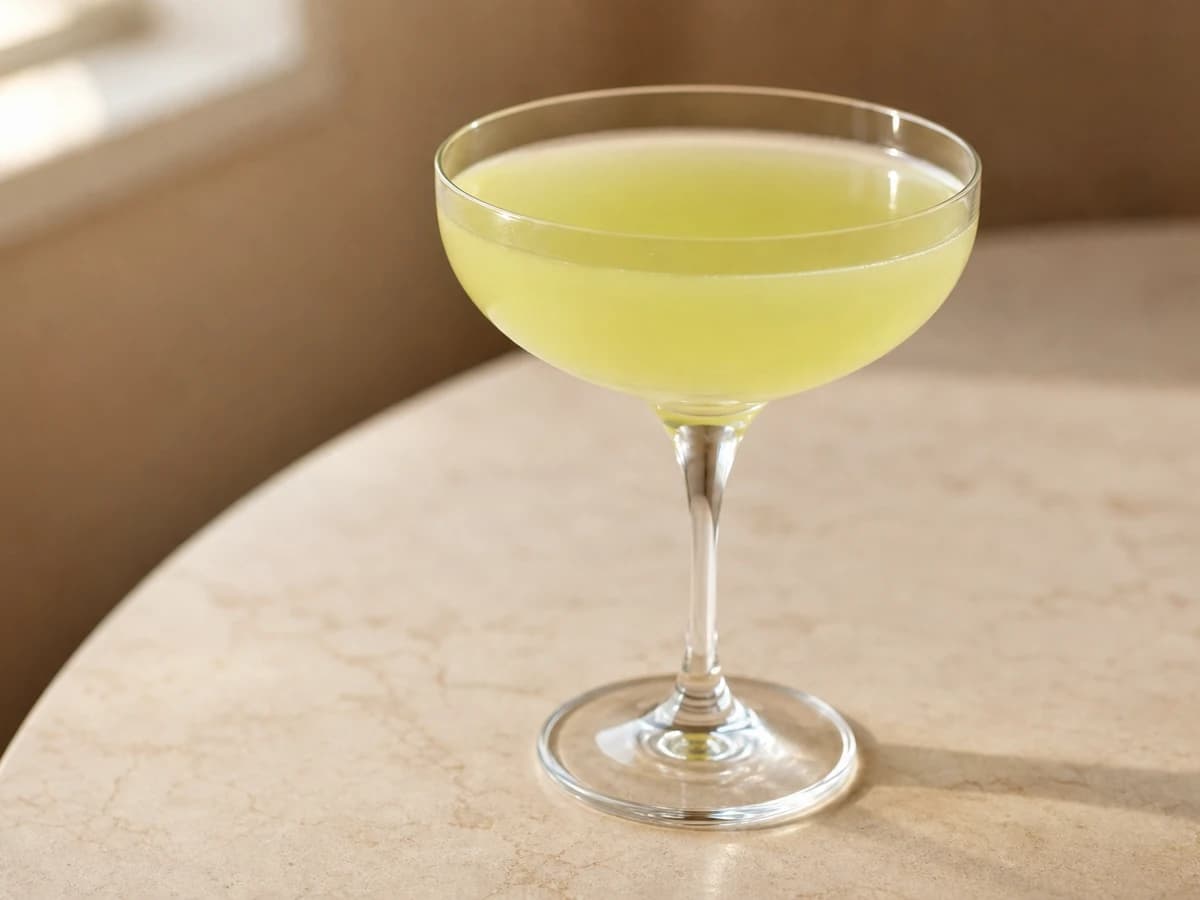
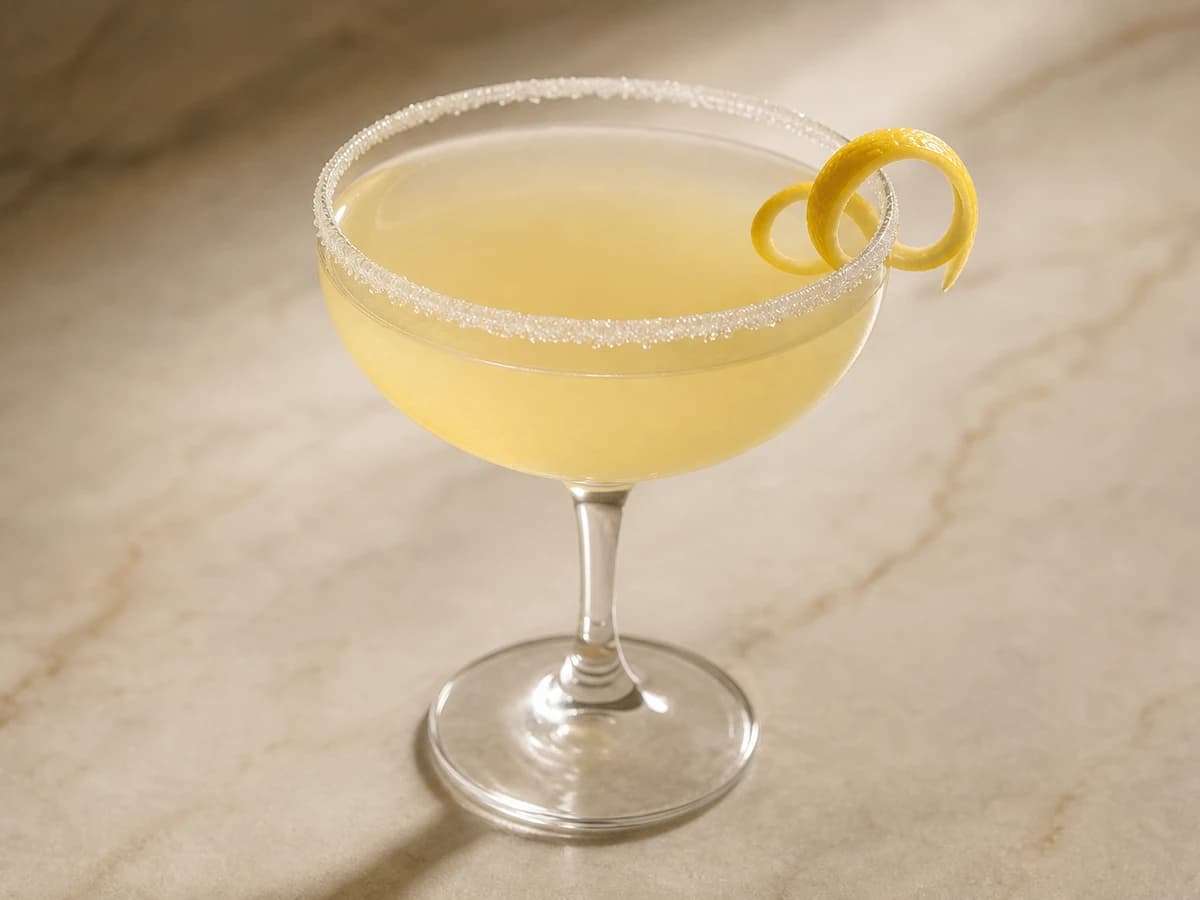
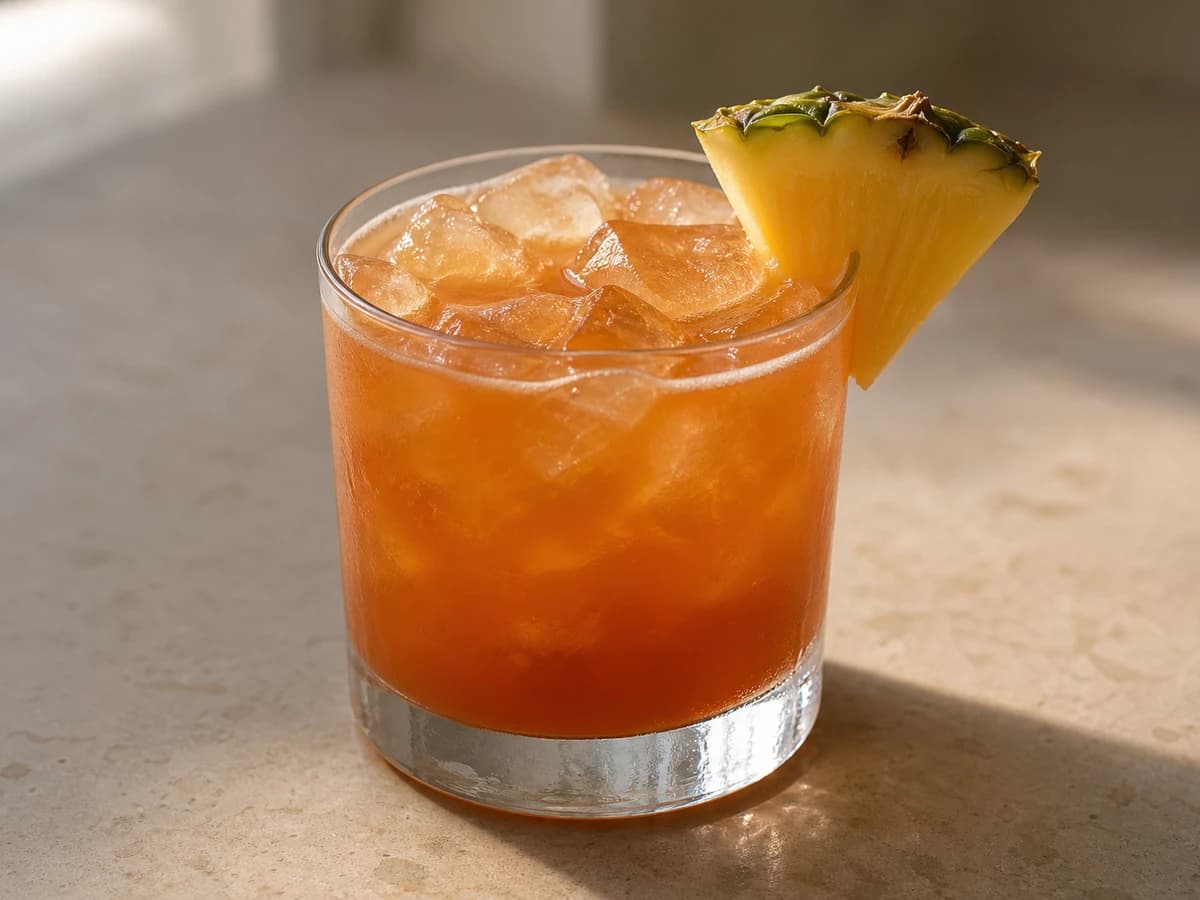
Bacardí Cocktail
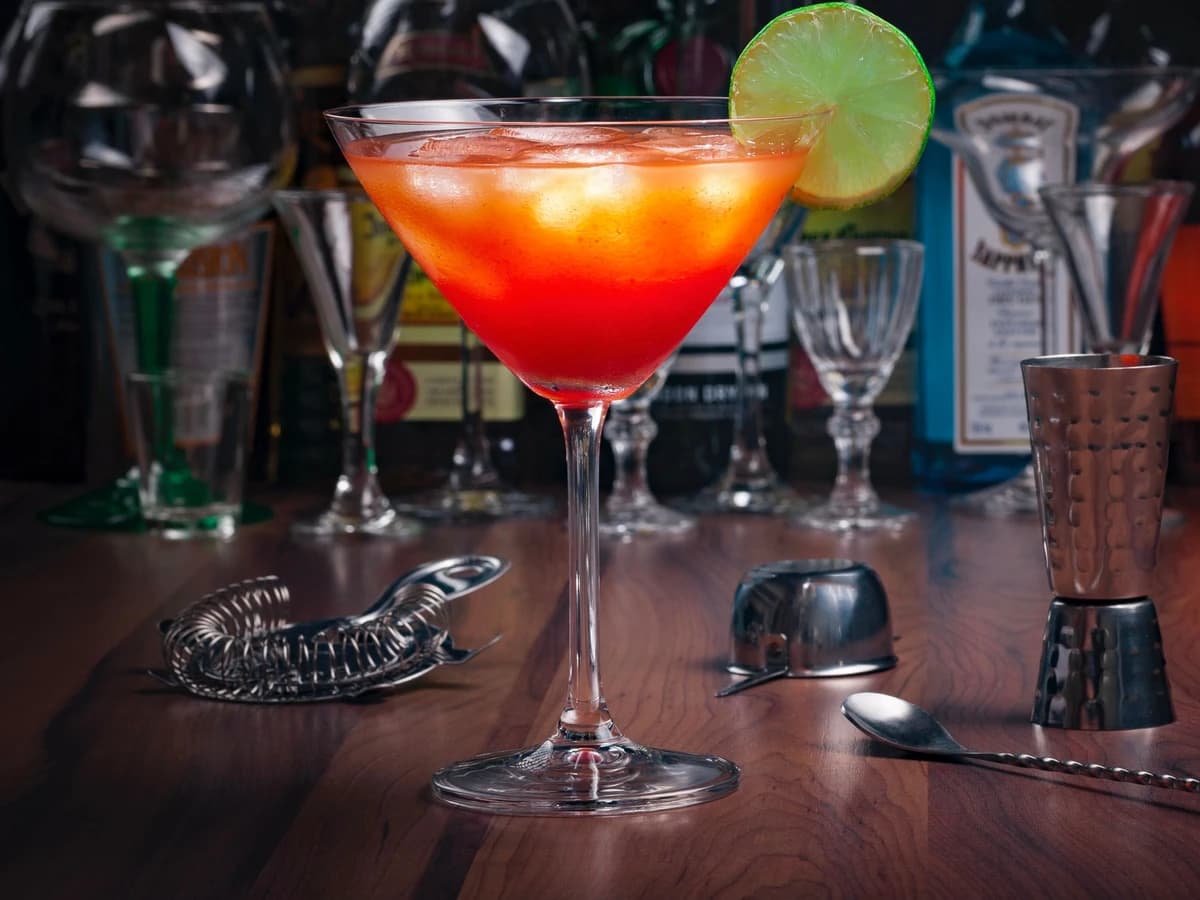
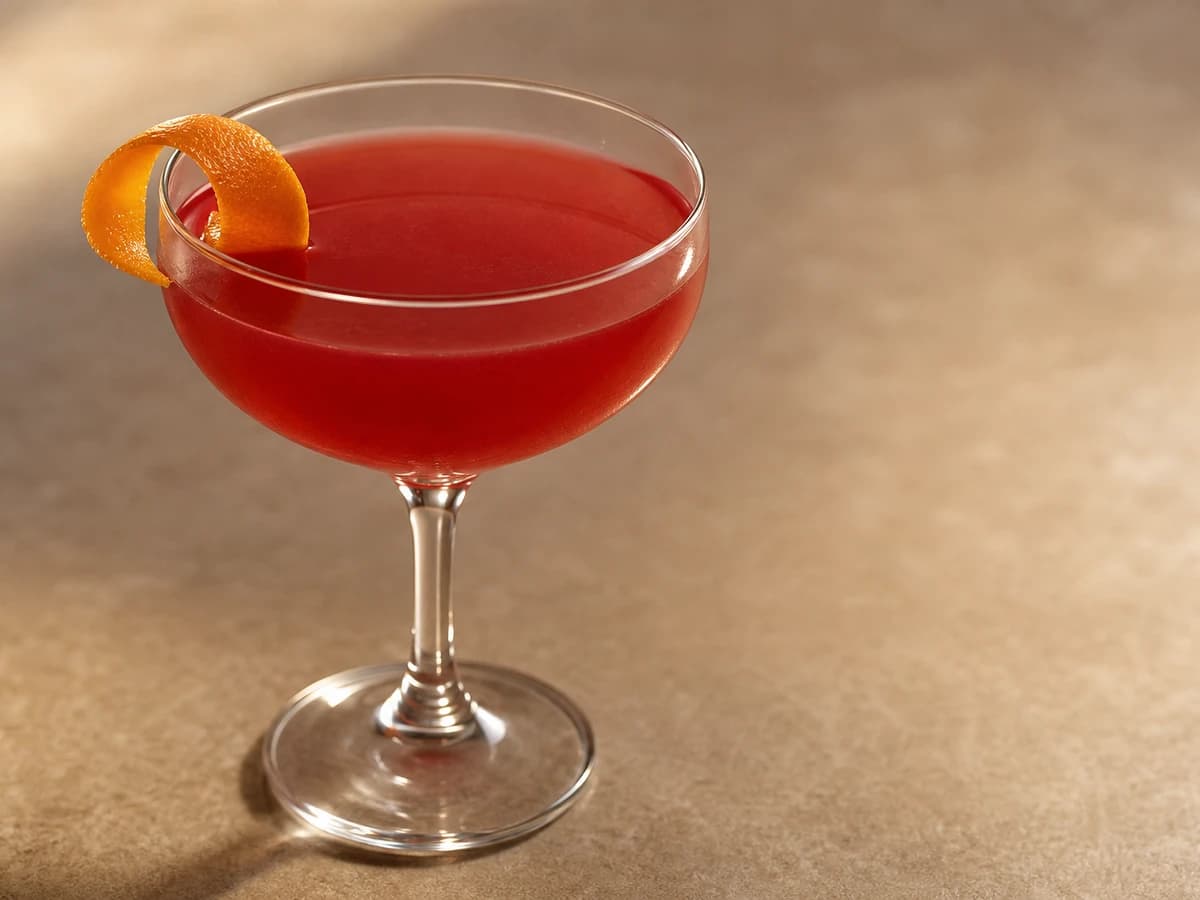
White rum, lime and grenadine, shaken cold — a Daiquiri with a pink, pomegranate-sweetened twist.
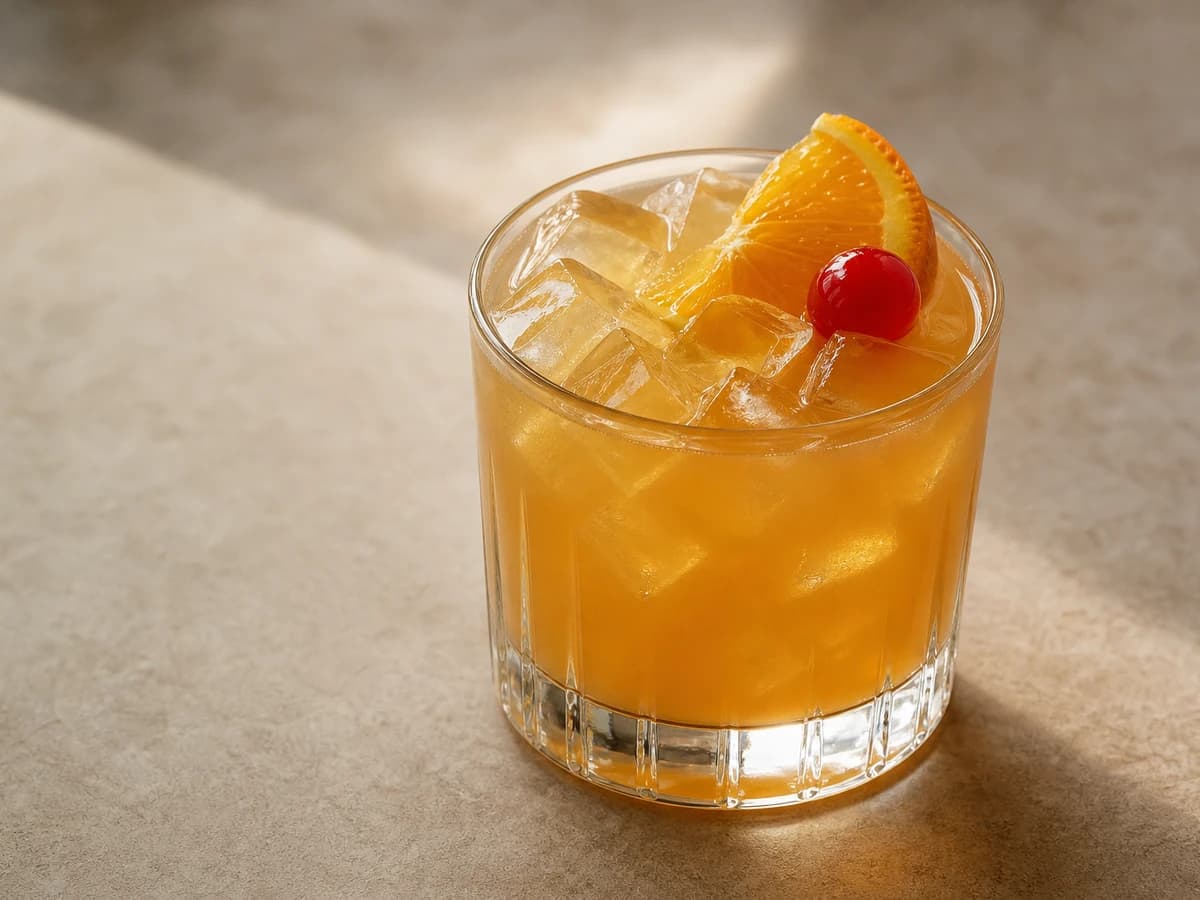
Tommy's Margarita
Tequila, lime and agave syrup — no triple sec — a cleaner, more agave-forward take on the Margarita.
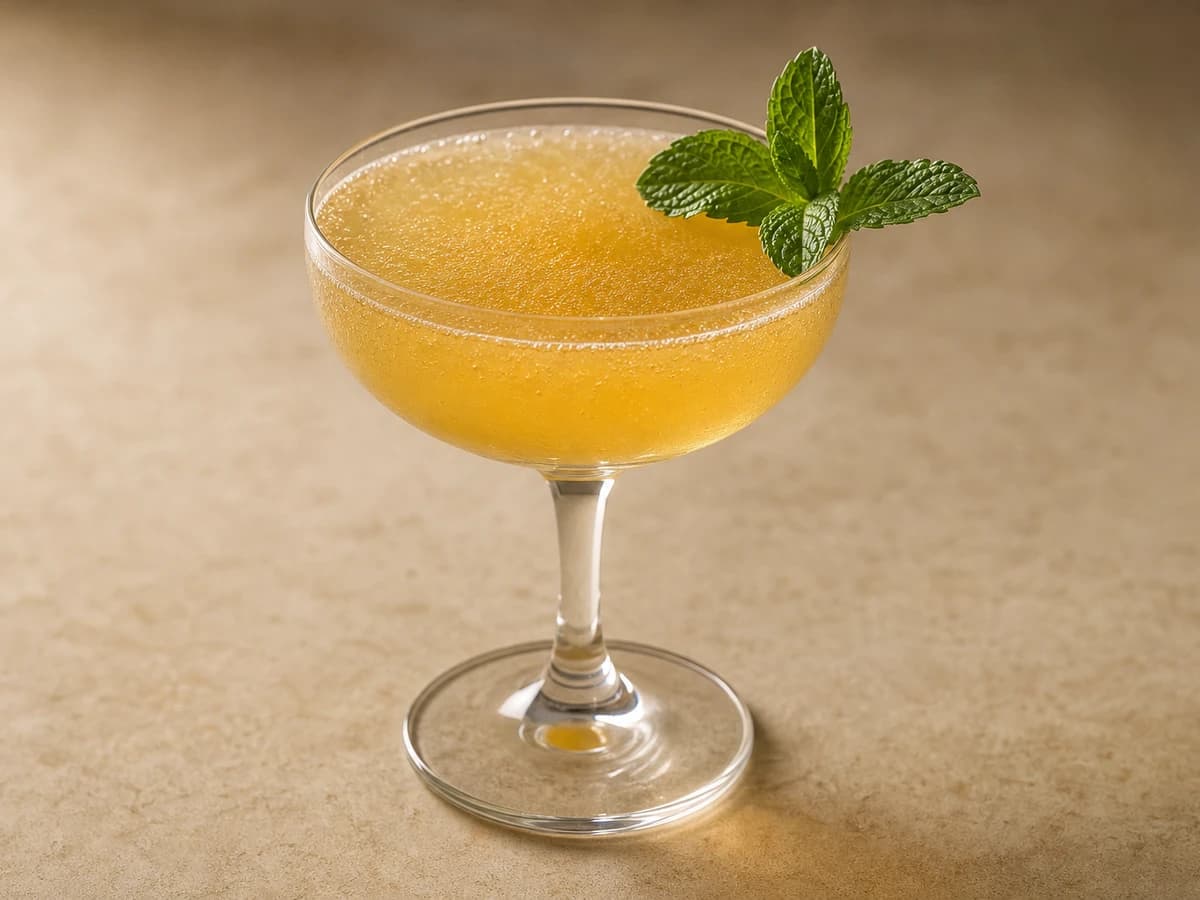
Between the Sheets
Cognac, white rum, triple sec and lemon in close-to-equal parts — a strong, citrus-bright Sidecar relative.
Next door
Related families
How this structure connects to the rest of the canon.
Does the structure hold?
What these recipes are actually built from
The family is an editorial judgement. This is the independent structural read of the same recipes, worked out from their components — shown because the two agreeing is worth more than either claim on its own.
Sour-structured
34 of 42Something sour and something sweet held in balance over a base — the structure behind the whole sour family and everything descended from it.
Spirit and modifier
5 of 42Spirit combined with an aromatised or flavoured modifier and little else — concentrated, and served small for exactly that reason.
Long and lengthened
3 of 42A short measure stretched with a mixer or juice — the drink's length, not its concentration, is the point of it.
34 of 42 read as sour-structured. The rest differ because length, ice and service are part of what makes a family and none of them are visible in a component list — a drink can be built like a sour and served like a highball, and both descriptions are true.
Go deeper