1990s onward
The craft cocktail revival
How the classics came back, what the revival got right, and the habits it introduced that are worth leaving behind.
By the 1980s the American bar had largely lost the practices that produced its own canon: sour mix in place of citrus, pre-batched syrups, and a repertoire built on brand promotions. The recipes had survived in print; the technique had not.
What followed was a deliberate recovery project rather than an organic trend, which is why it is unusually well documented — many of the people involved are still working and have written about it.
What was recovered
The revival's practical content was simple and specific: fresh citrus instead of sour mix, measured pours instead of free-pouring, real ice, and the old books read as working documents rather than curiosities. None of it was new; all of it had been lost.
The result was a rediscovered canon — Sazerac, Corpse Reviver, Last Word, Aviation — much of it recovered from books published before Prohibition or in the 1930s. Reading was as important a tool as shaking.
What it got wrong on the way
The revival also produced a period of theatre for its own sake: multi-page menus, elaborate garnishes, house-made everything, and an unmistakable strain of gatekeeping about how drinks 'should' be made.
The more useful strand of the movement has moved past that. The distinction worth keeping is between technique that changes what is in the glass and performance that does not — and it is a distinction you can usually taste.
Where it went next
Three things followed that matter more than the aesthetics. Low- and no-alcohol drinking became a serious category rather than an afterthought, which is the entire premise of MocktailHQ. Sustainability moved from novelty to expectation, with waste reduction and local sourcing treated as ordinary practice. And the received history began to be re-examined, including the appropriation and attribution problems this section keeps running into.
That last one is the most relevant here: a good deal of what this section can now state confidently is the product of drinks historians doing archival work in the last twenty years, not of received wisdom. Several long-repeated origin stories have been quietly retired in that period, and several drinks assumed to be inventions of the 2000s turned out to be recoveries.
The revival's most durable contribution may simply be that bartending became a documented profession again. People wrote things down, cited their sources, and argued in public about them — which is why a page like this one can distinguish between what is established and what is merely repeated.
Show your working
What's actually established, and what isn't
Every claim on this page, with how well the evidence supports it.
- documented
Mid-to-late twentieth-century American bars widely used pre-made sour mix in place of fresh citrus.
Visible in commercial products, trade materials and bar menus of the period.
Supported by contemporary printed sources — a dated book, menu, newspaper or legal record.
- documented
The revival recovered its repertoire substantially from pre-Prohibition and 1930s printed sources.
The books were reprinted and the sourcing was explicit — many revival menus cited them directly.
Supported by contemporary printed sources — a dated book, menu, newspaper or legal record.
- widely-reported
The revival began in New York and London bars in the 1990s.
Consistently told, with named bars and bartenders, but the notion of a single starting point flattens a set of parallel developments in several cities.
Consistently repeated across reputable modern drinks writing, but without a contemporary source we can point to.
- documented
Low- and no-alcohol drinking became a serious professional category in its wake.
Directly observable in product launches, dedicated menus and trade coverage from roughly the 2010s onward.
Supported by contemporary printed sources — a dated book, menu, newspaper or legal record.
The short version
- The recipes never disappeared; the technique did. The revival was a recovery project.
- Fresh citrus, measured pours and real ice are the substance of it — the rest was style.
- It produced a real strain of theatre and gatekeeping, worth separating from the technique.
- Most of what can now be stated confidently about drinks history comes from recent archival work.
Drink the history
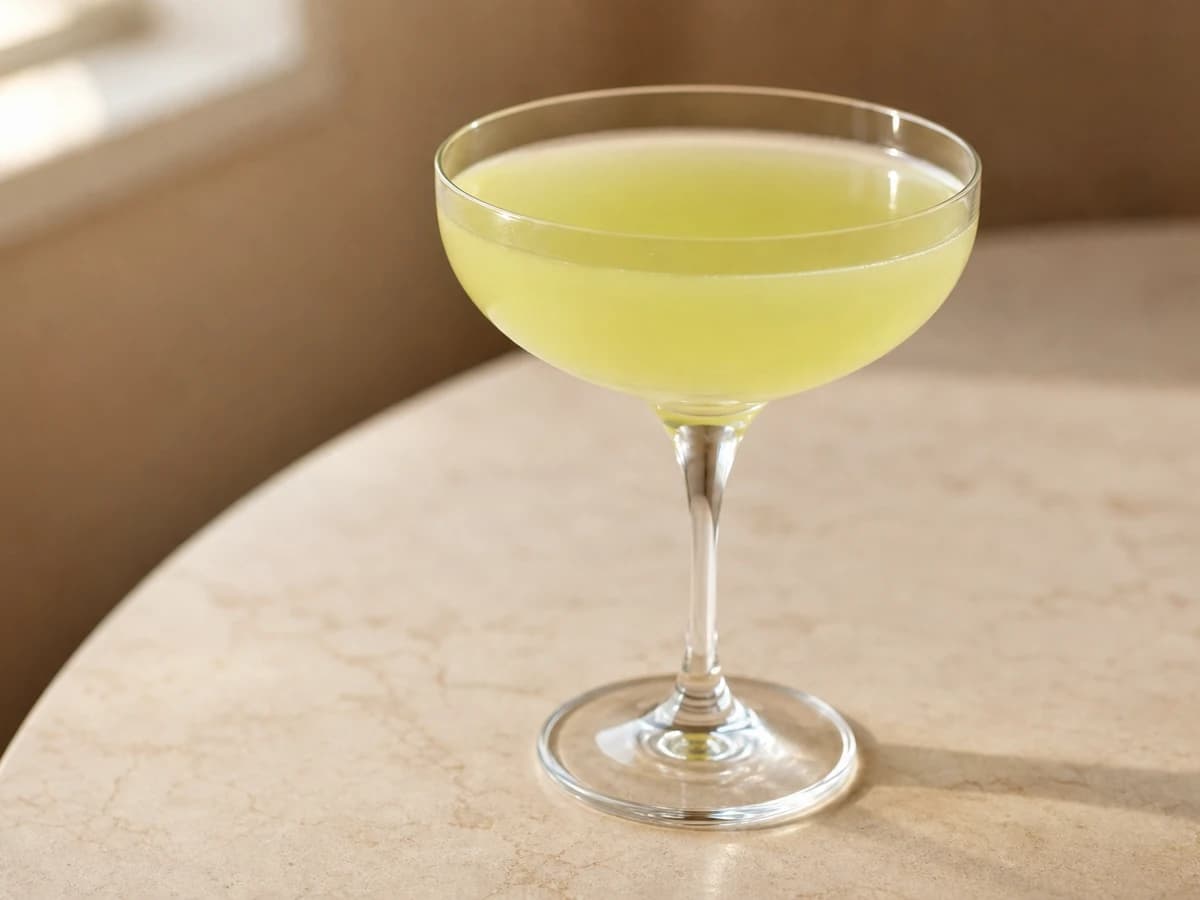
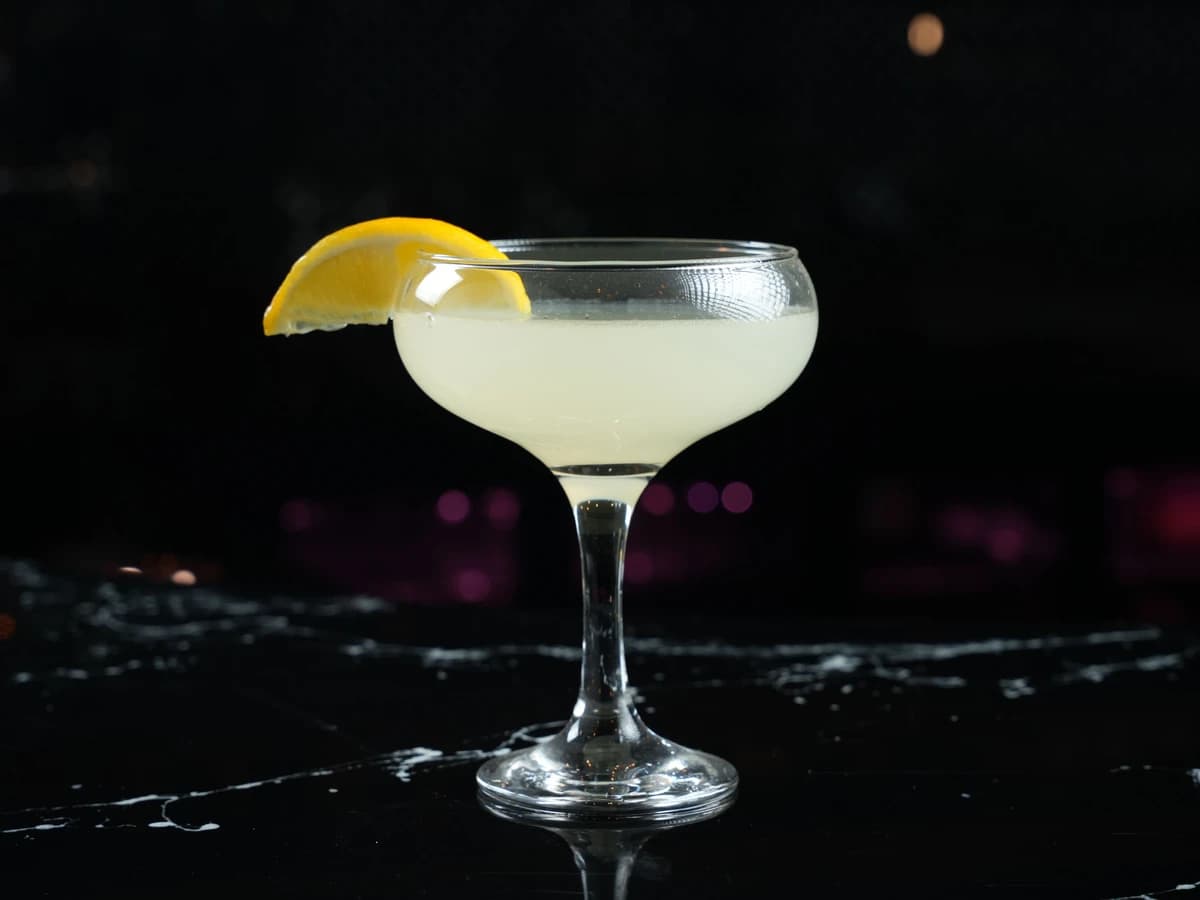
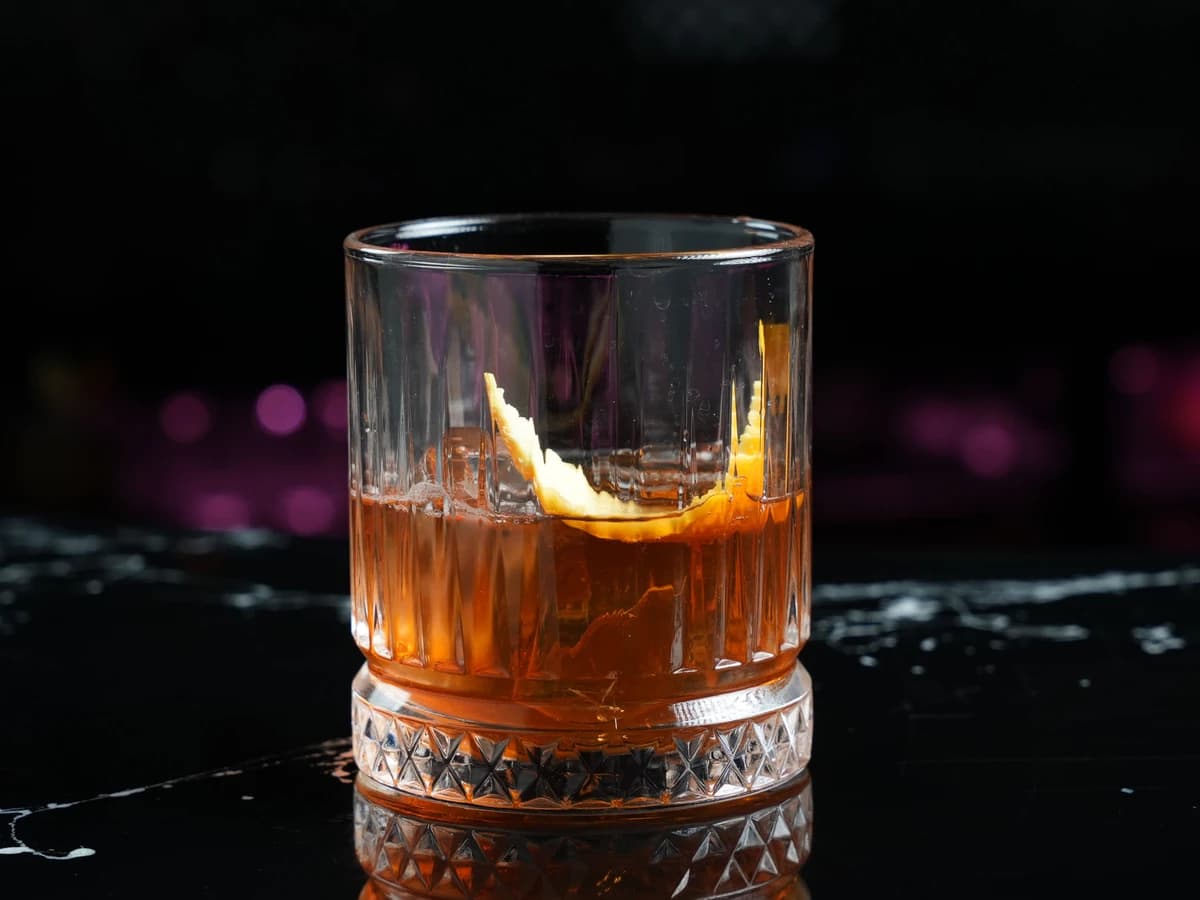
Recipes from this period
Keep reading
Related history
The first printed definition of a cocktail, the first bartending manual, and why almost everything else about the word's origin is guesswork.
What the historical record supports about American Prohibition's effect on drinking — and the one story about it that almost certainly isn't true.
Where tropical drinks actually came from, why the Mai Tai's authorship has never been settled, and the part of the story that is not about drinks at all.