Method, not showmanship
Bartender techniques that actually matter
Shaking, stirring, muddling, straining, throwing and building — what each one does to a drink, and when the choice is genuinely load-bearing.
The difference between shaking and stirring is not style. The two methods produce measurably different drinks — different temperature, different dilution, different texture, different appearance — and the reason a recipe specifies one is that the other would produce something else.
There are six methods worth knowing and none of them requires equipment you can't improvise.
Shaking versus stirring, and the rule that decides
Shaking chills fast, dilutes hard, aerates, and clouds the drink by suspending tiny air bubbles and ice fragments. Stirring chills more gently, dilutes less, and keeps the drink brilliantly clear and dense.
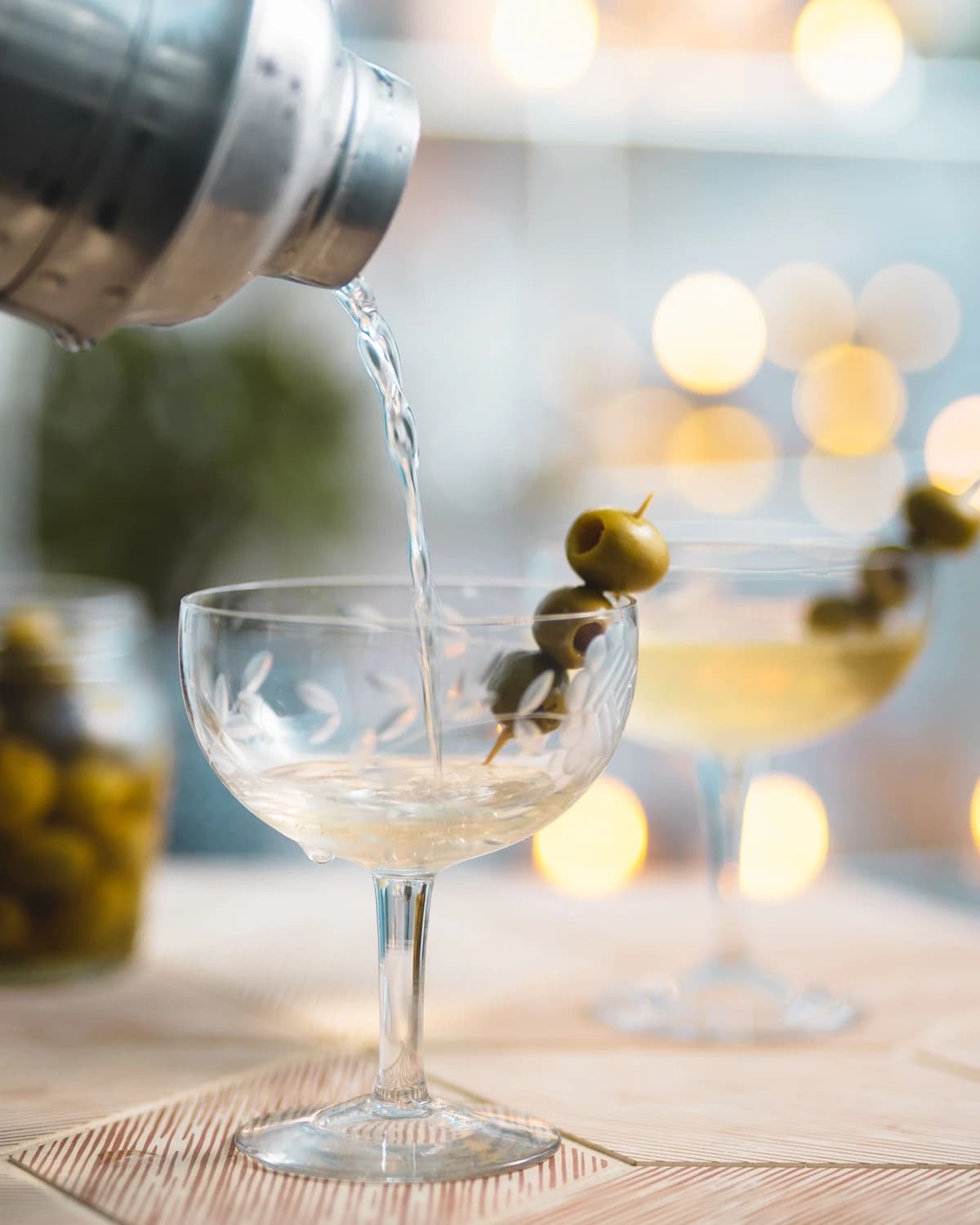
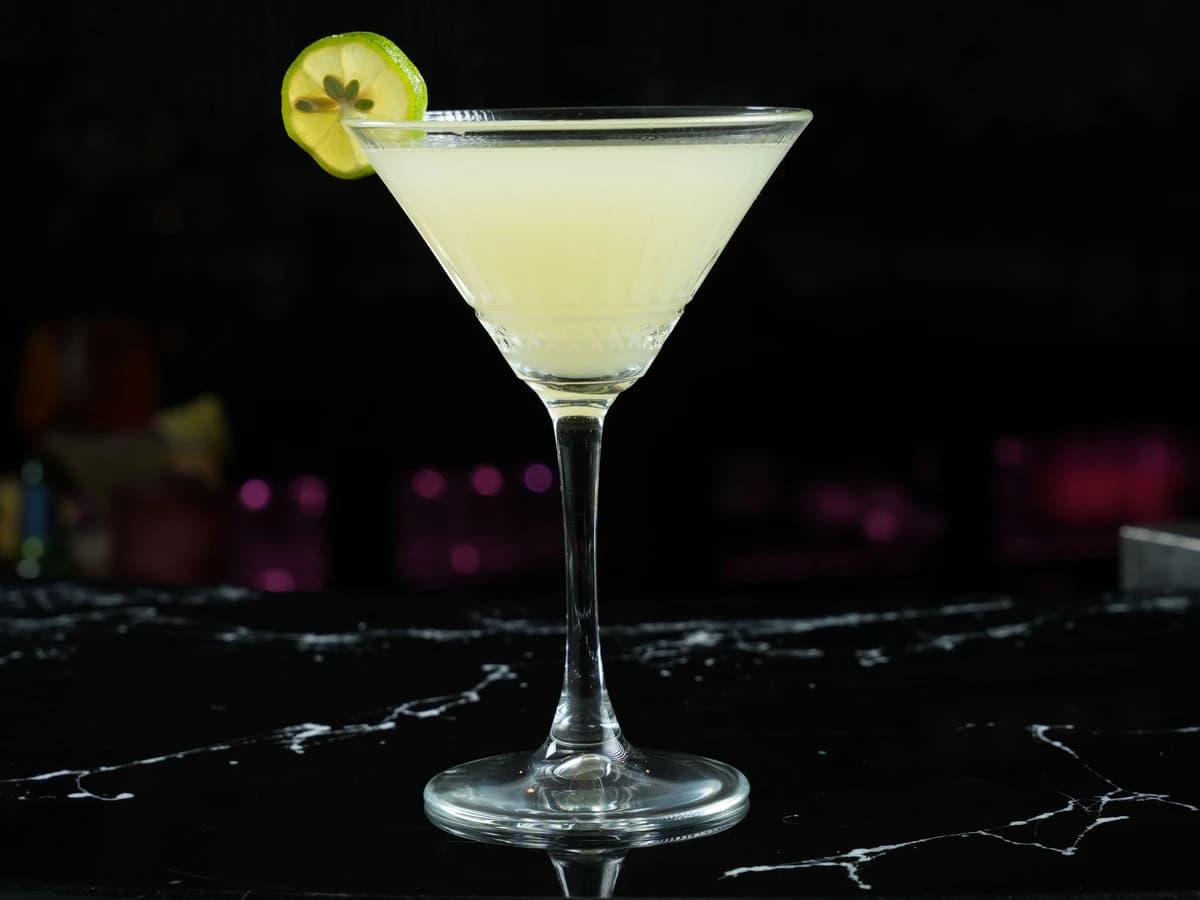
The rule almost every bar follows: shake anything with citrus, dairy, egg or fruit; stir anything made entirely of spirits and fortified wines. A shaken Martini is not wrong so much as a different drink — cloudy, more dilute, with ice shards and a lighter texture, which is exactly what a stirred Martini is trying to avoid.
Shake hard for twelve to fifteen seconds until the tin frosts. Stir for around thirty, smoothly, keeping the ice moving as a body rather than rattling it.
The other four
Building means assembling in the serving glass, in order, usually over ice. It is the right method whenever a mixer does most of the work, and the one where ice discipline matters most.
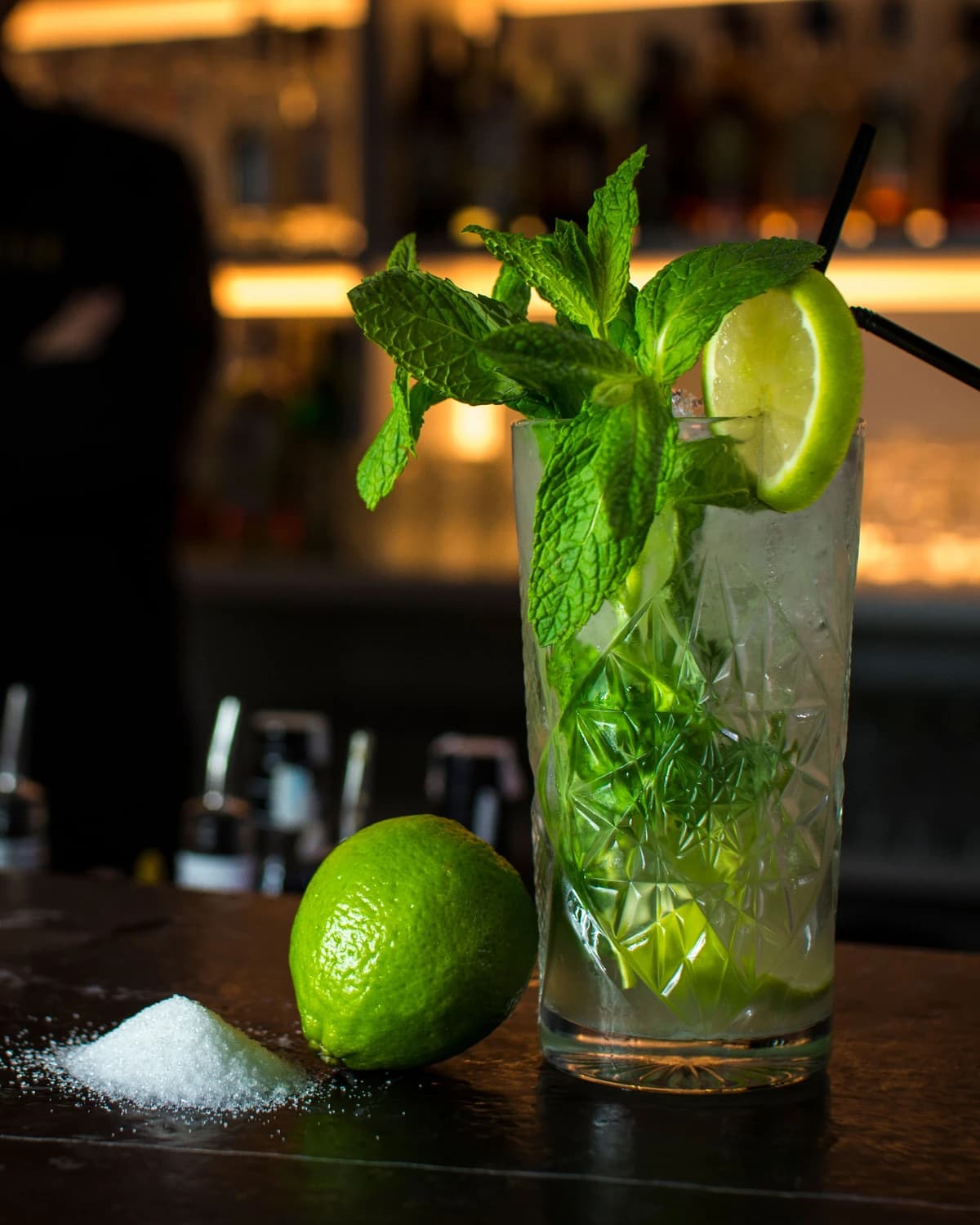
Muddling extracts from fruit and herbs by pressure. Fruit can take real force; herbs cannot — press once or twice to bruise them and stop. Everything past that releases bitterness instead of aroma.
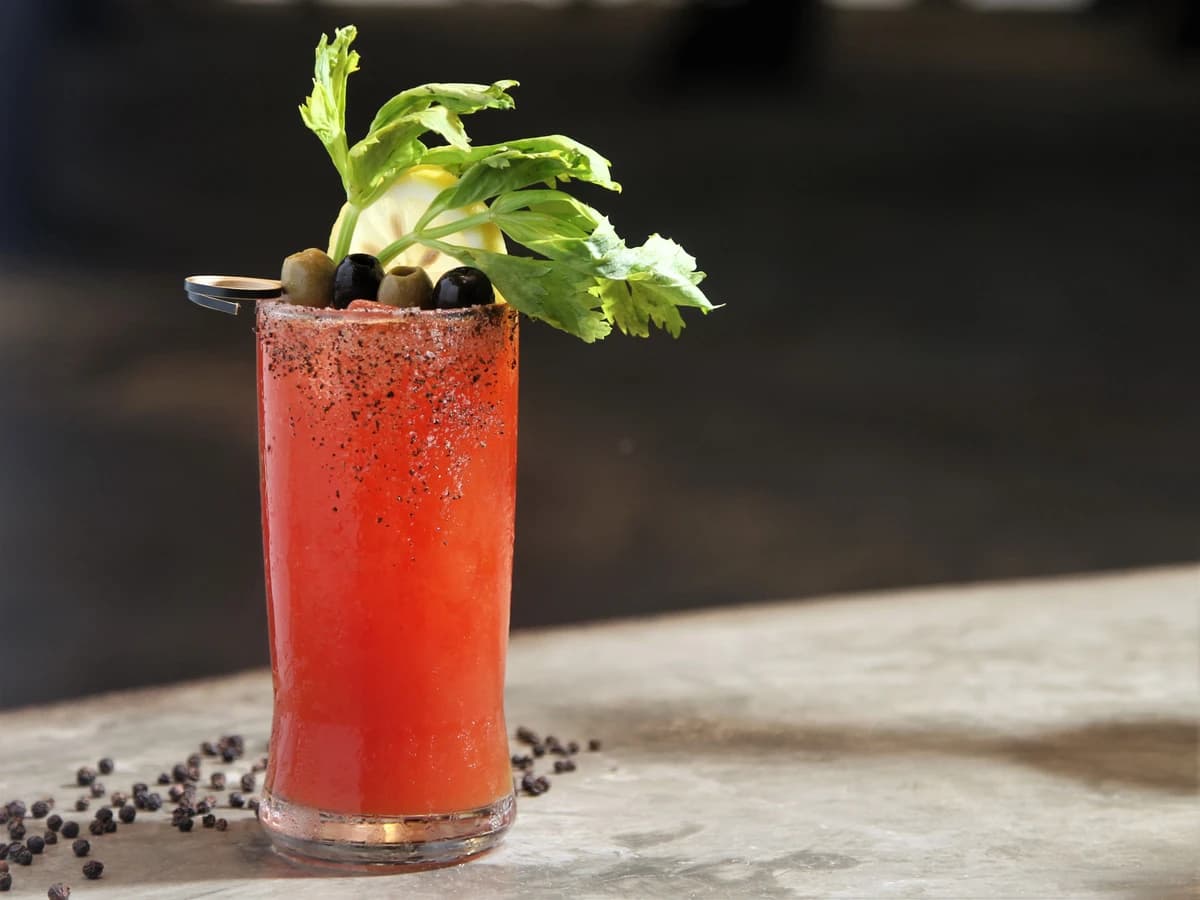
Throwing means pouring a drink between two tins from a height, repeatedly. It aerates like a shake but dilutes like a stir, and it is the traditional method for a Bloody Mary because it mixes thick ingredients without whipping them into froth.
Layering relies on density: pour slowly over the back of a spoon, heaviest and most sugary liquid first. It is the one method that is purely visual, and the one that most rewards patience.
- Build
- In the glass, over ice, in order. For anything mixer-led.
- Muddle
- Bruise herbs, crush fruit. Two presses on mint, no more.
- Throw
- Aerates without frothing; the traditional method for savoury drinks.
- Layer
- Densest first, poured slowly over a spoon. Purely visual, entirely patience.
Straining, and why there are two kinds
A Hawthorne strainer — the one with the spring — holds back the ice while the drink pours. That is enough for anything served over fresh ice.
Double-straining means also pouring through a fine mesh, catching the ice shards and herb fragments a shake produces. It is the difference between a clean surface and a flecked one, and it matters on anything served up in a stemmed glass where you can see straight into the drink.
Neither needs the real tool. A jar lid held slightly ajar strains, and a tea strainer double-strains perfectly well.
The short version
- Shake anything with citrus, dairy, egg or fruit; stir anything that is all spirits.
- The methods produce genuinely different drinks — it is not a style preference.
- Bruise herbs, don't grind them; two presses on mint is plenty.
- Double-strain anything served up, where you can see into the glass.
Covered in more depth elsewhere
Try it on
Recipes where this matters most
Keep reading
Related guides
Water is an ingredient in almost every cocktail you have ever drunk. How much, where it comes from, and why cold matters as much as wet.
Strong, sweet, sour, bitter and weak — the five variables every recipe is trading off, and how to diagnose which one is wrong.
Expressing citrus oils, cutting a proper twist, and which garnishes actually alter what you taste rather than just what you see.