The invisible ingredient
Dilution and temperature
Water is an ingredient in almost every cocktail you have ever drunk. How much, where it comes from, and why cold matters as much as wet.
A properly made Martini is roughly a quarter water. So is an Old Fashioned. Nobody writes that on a recipe, which is why dilution is the single most common thing home drinkers get wrong — not by using bad ingredients, but by stopping too early.
Dilution and temperature arrive together, from the same source, and are worth understanding as one subject rather than two.
How much water is in a cocktail
Stirring a spirit-forward drink to proper temperature adds roughly 20-30% of its final volume as water. Shaking adds more — around 25-35% — because crushed edges and violent agitation melt ice faster. Blending goes further still, since the ice becomes the drink.
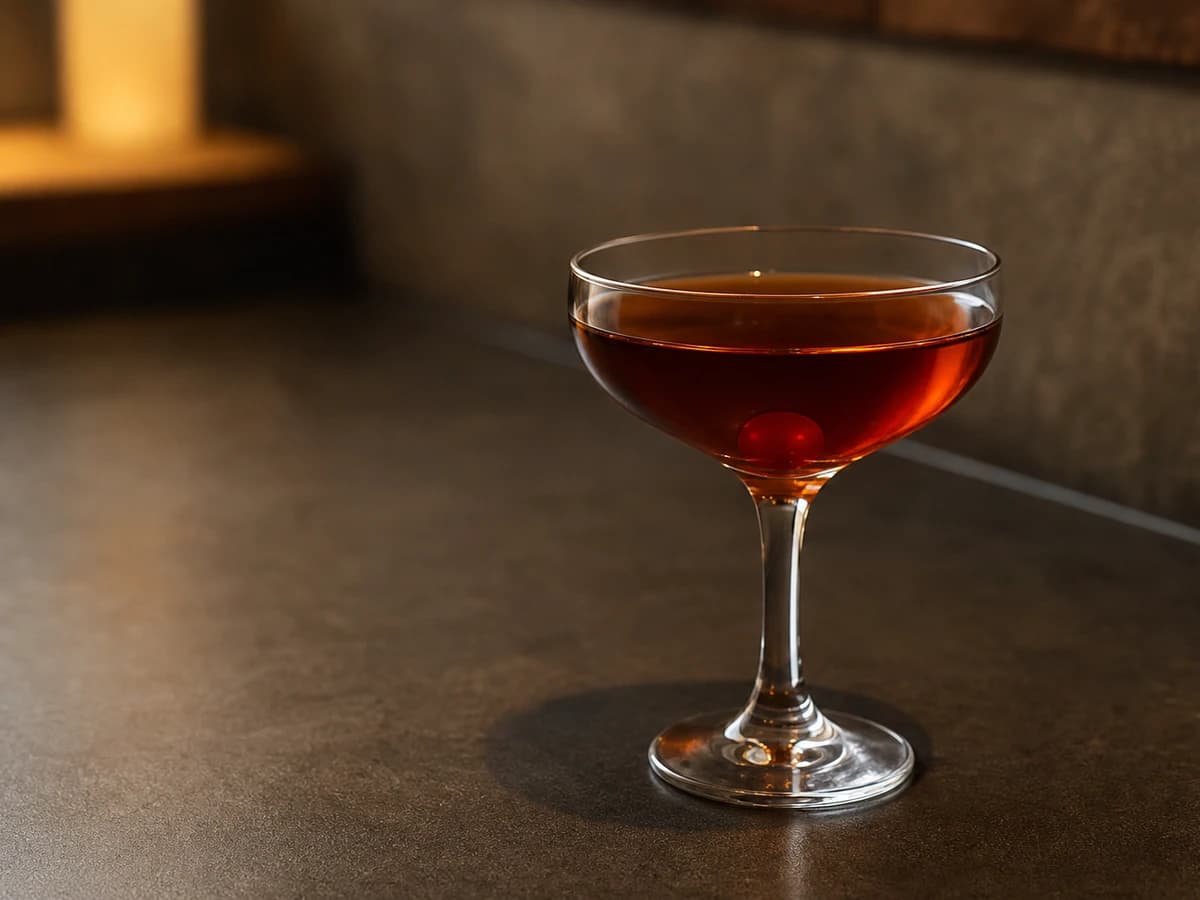
That water is not a loss. It softens alcohol's burn, opens up aromas that are suppressed at full strength, and brings the drink to a volume you can actually drink. A Manhattan stirred for five seconds is not a stronger Manhattan; it is an unfinished one.
This is also why batching for a party requires adding water deliberately: a pre-mixed bottle poured over ice gets far less dilution than a drink stirred to order, so the water has to go in when you make the batch.
Cold is doing its own job
Temperature changes perception directly. Cold suppresses sweetness, so a drink balanced at room temperature tastes cloying once chilled, and one balanced warm tastes thin once iced. Cold also mutes aroma, which is why a very cold drink tastes cleaner and simpler than the same drink at room temperature — sometimes an improvement, sometimes a loss.
It matters practically too: a chilled glass buys several minutes of the drink staying where you put it, and a warm glass undoes a good shake immediately.
Serve spirit-forward drinks properly cold and short. Serve long drinks over a full glass of ice. The one thing to avoid is a half-filled glass of ice in a warm room, which dilutes fastest and stays coldest for the shortest time — the worst of both.
Controlling it
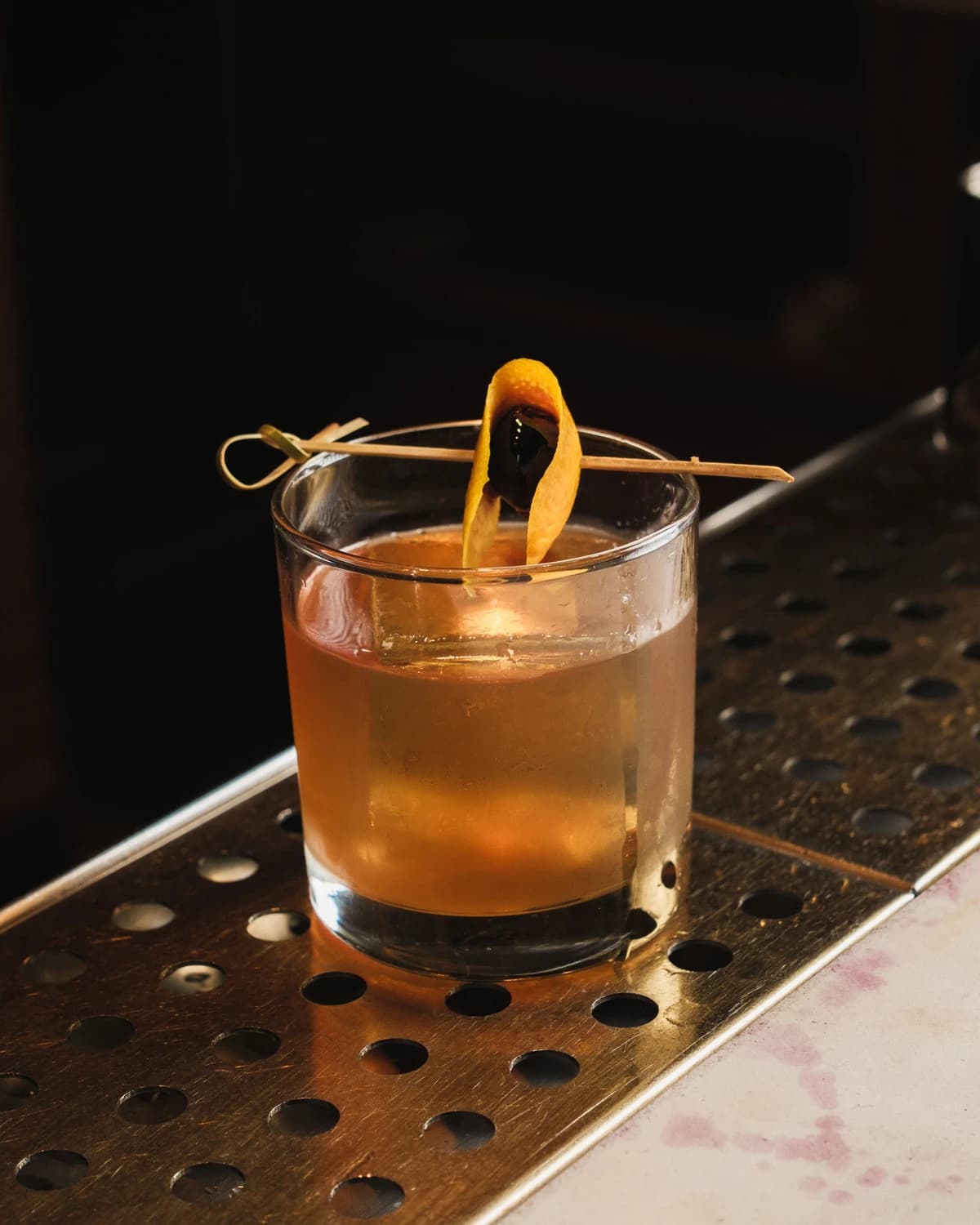
Ice size is the main lever. More surface area means faster chilling and faster dilution; a single large cube in an Old Fashioned melts slowly enough to keep the drink close to full strength for twenty minutes, while the same volume as small cubes would water it down in five.
Ice temperature matters more than people expect. Ice straight from a freezer is well below zero and chills with relatively little melting; ice that has been sitting in a bucket is already at melting point and dilutes immediately on contact.
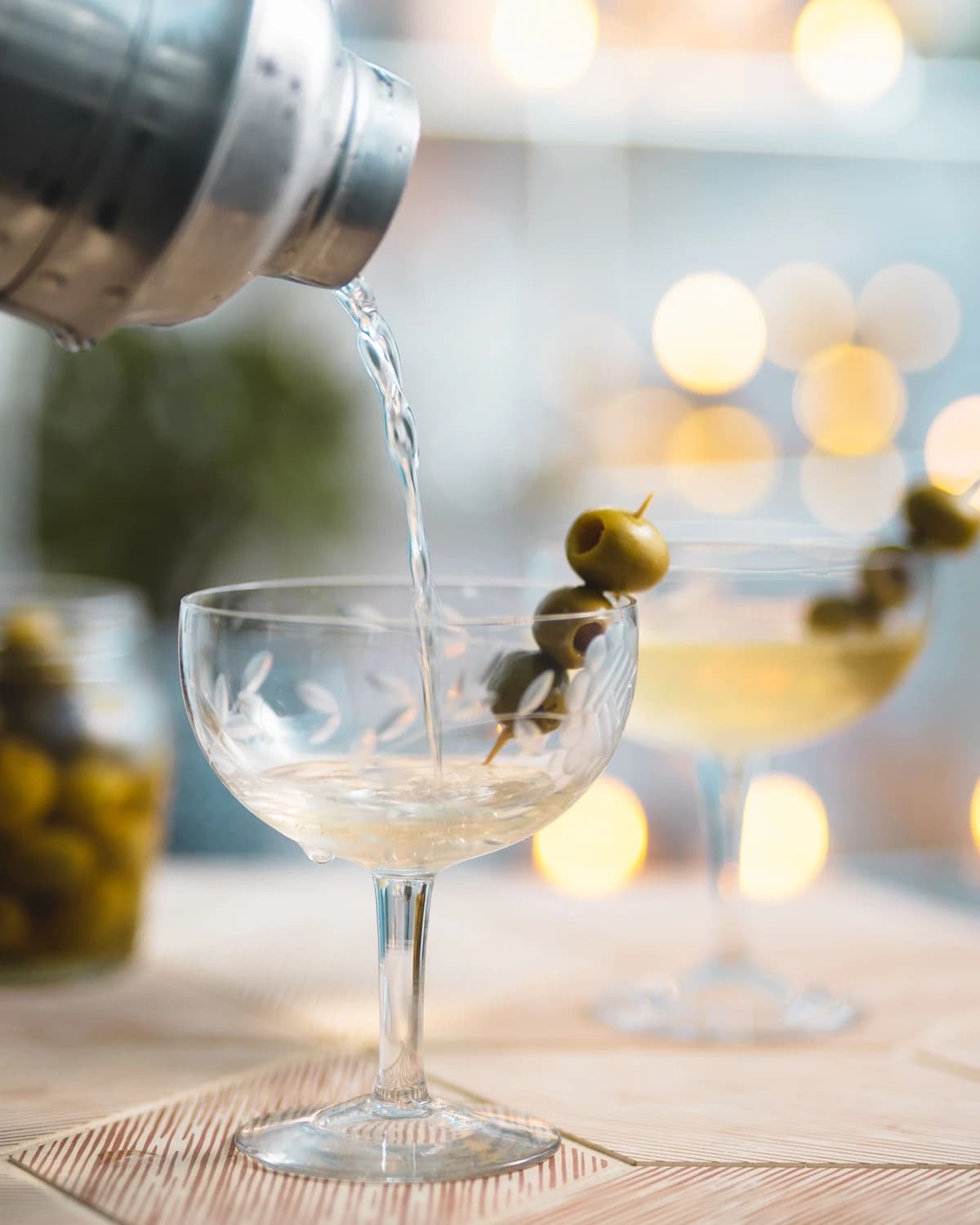
Shake or stir until the outside of the tin or glass is properly frosted — that is the signal, not a stopwatch. Twelve to fifteen seconds of hard shaking and around thirty seconds of stirring are reasonable starting points, but the frost is what you are actually waiting for.
The short version
- A stirred cocktail is roughly 20-30% water; shaken, 25-35%. That is the recipe, not a mistake.
- Cold suppresses sweetness — balance a drink at the temperature you will drink it.
- Ice size controls dilution rate; ice temperature controls how much melts on contact.
- Frost on the outside of the tin is the signal to stop, not a count.
Covered in more depth elsewhere
Try it on
Recipes where this matters most
Keep reading
Related guides
Strong, sweet, sour, bitter and weak — the five variables every recipe is trading off, and how to diagnose which one is wrong.
Why home ice goes cloudy, how directional freezing fixes it, and an honest answer on whether clear ice changes how a drink tastes.
Shaking, stirring, muddling, straining, throwing and building — what each one does to a drink, and when the choice is genuinely load-bearing.