Not decoration
Garnish techniques that change the drink
Expressing citrus oils, cutting a proper twist, and which garnishes actually alter what you taste rather than just what you see.
A garnish is either functional or it is litter. The useful test is simple: if removing it would not change how the drink smells or tastes, it is not doing anything, and a wilting mint sprig stuck in the ice as an afterthought is a worse finish than no garnish at all.
The garnishes that do work almost all work through aroma, which is the part of flavour people consistently underestimate.
Expressing citrus peel
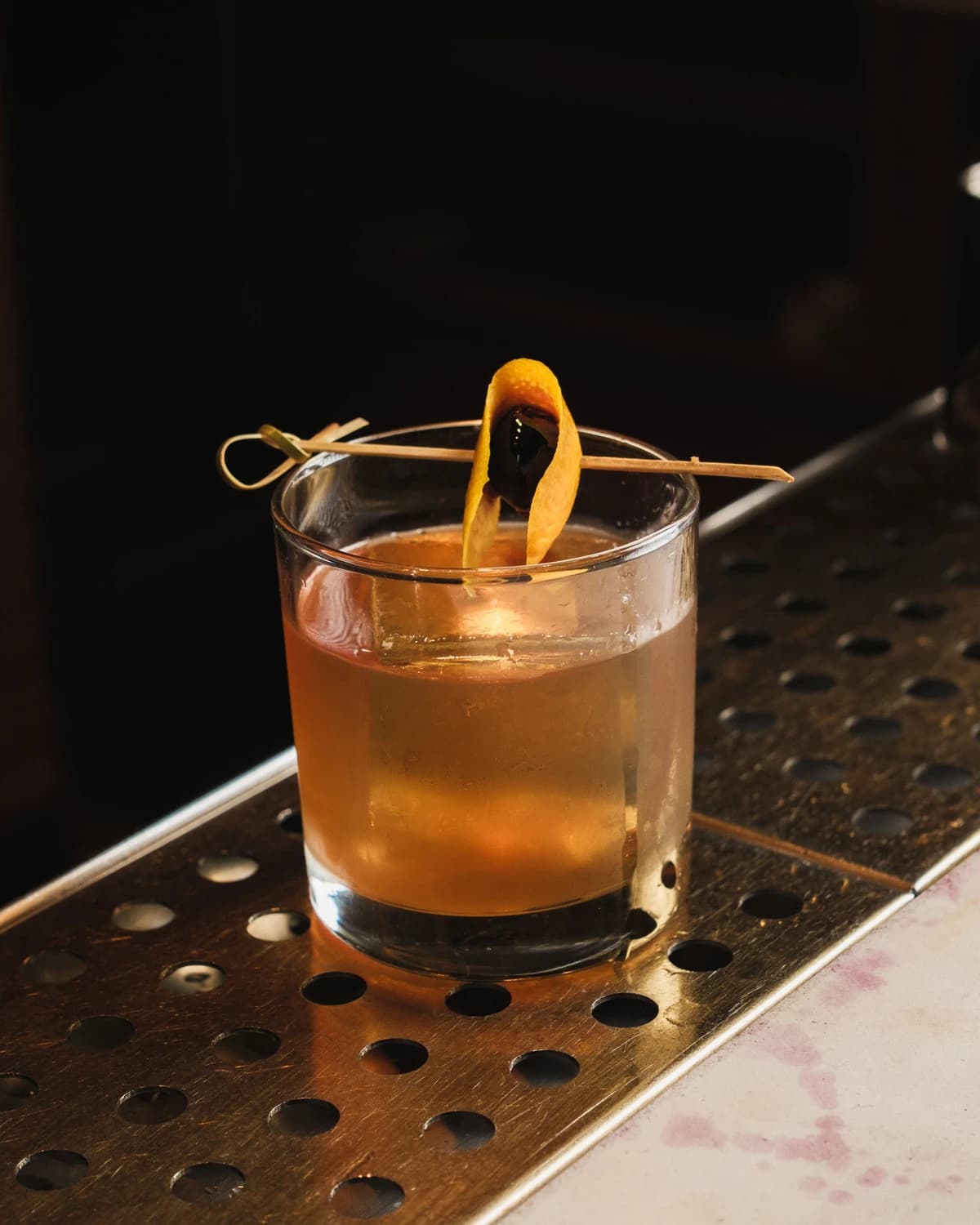
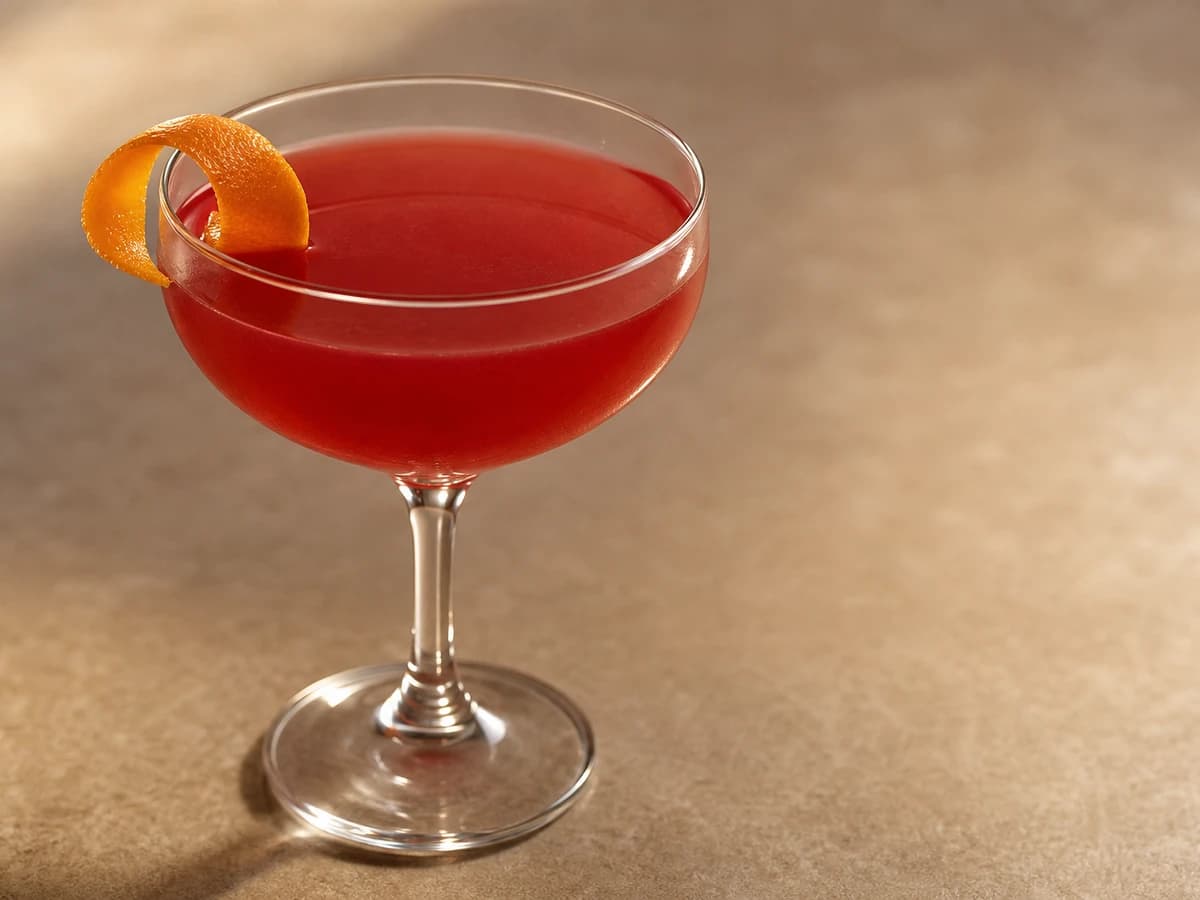
Citrus oil lives in the coloured outer skin, not the juice, and it is far more aromatic than the fruit itself. Cut a wide strip with a peeler or knife, hold it skin-side down a couple of inches above the drink, and squeeze it sharply. In good light you can see the mist land on the surface.
That single motion is the highest-value technique on this page. It adds a strong aromatic layer with essentially no sugar, no volume and no dilution, which is exactly what a finished drink usually needs and almost never has too much of.
Then decide whether to drop the peel in. Leaving it in continues releasing oil and slowly adds a faint bitterness from the pith; discarding it after expressing keeps the aroma and stops there. Both are legitimate — but do it on purpose.
Herbs, and the mistake everyone makes
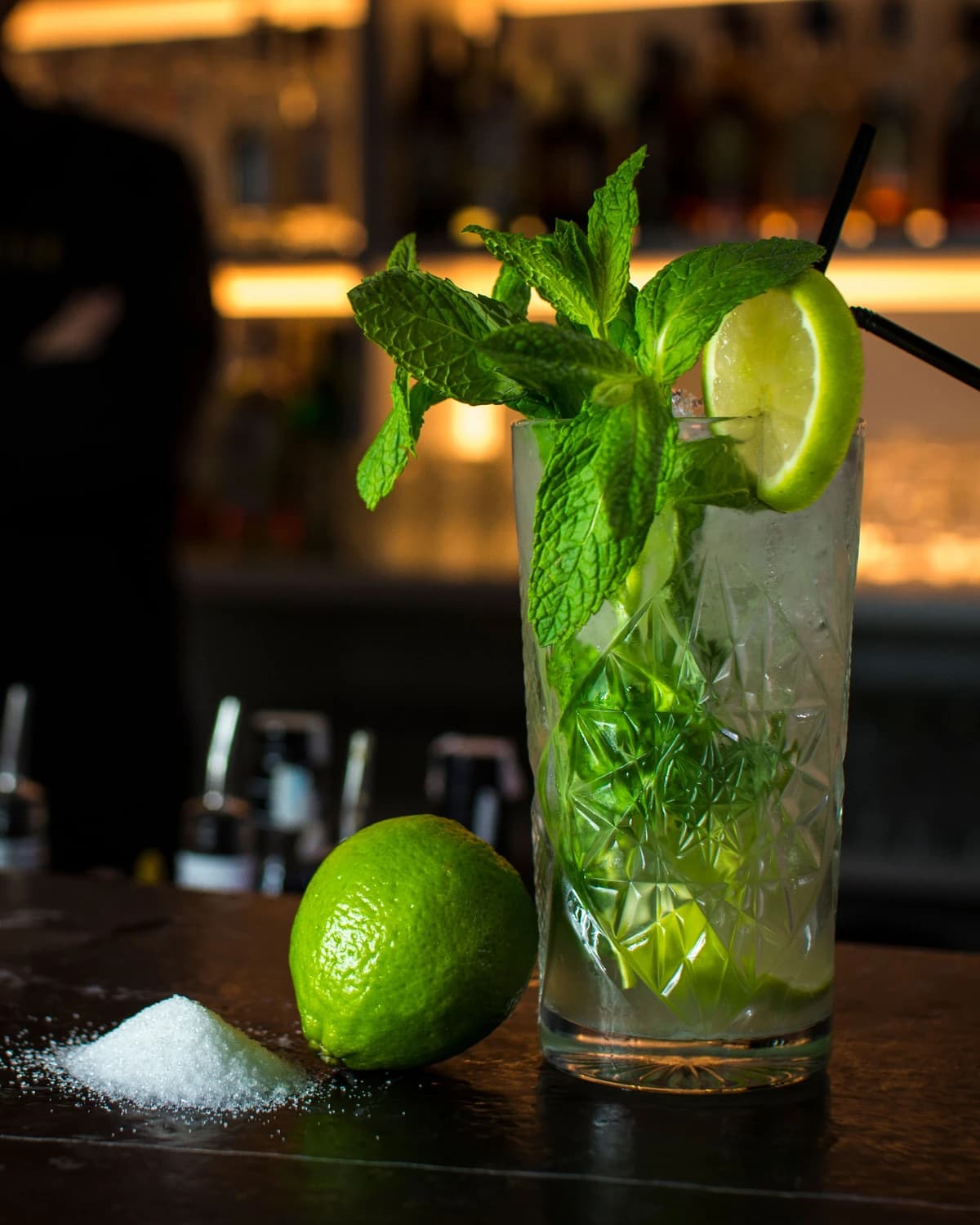
A mint sprig should be slapped once between your palms before it goes in the glass. That ruptures the surface cells and releases oil; it takes half a second and is the difference between a sprig you can smell and one you cannot.
What it should not be is muddled to pieces. Mint's aroma is in the surface of the leaf, while the bitter compounds are inside it — so over-muddling swaps aroma for bitterness and fills the glass with green fragments.
Place the sprig where your nose will actually be: next to the straw, not on the far side of the glass.
The rest, honestly assessed
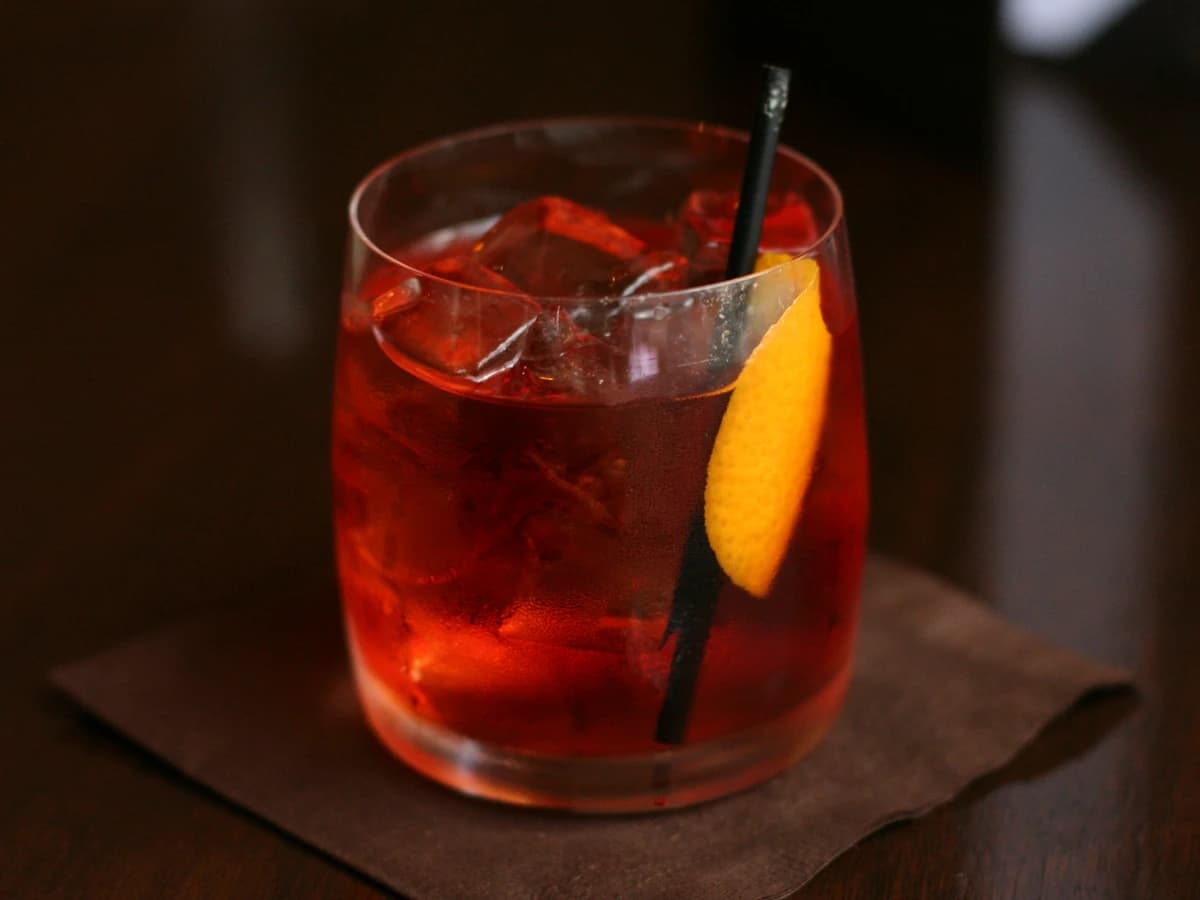
Dehydrated citrus wheels look good and contribute very little aroma — they are a visual garnish, and there is nothing wrong with that as long as you are not relying on them for flavour. Fresh wheels and wedges contribute juice if squeezed, which is a real recipe variable rather than a finishing touch.
Olives, onions and pickled garnishes contribute brine, which is genuinely part of the drink. Grated nutmeg and cinnamon are aromatic and directional, hitting before the first sip. Edible flowers contribute nothing but appearance.
The useful discipline is to name what each garnish is for before adding it. If the answer is only 'it looks finished', that is a valid reason — but it should be a decision, not a habit.
- Expressed twist
- Aroma, no volume, no sugar. The highest-value garnish there is.
- Slapped herb sprig
- Aroma. Half a second of effort; enormous difference.
- Fresh citrus wedge
- A recipe ingredient if squeezed — treat it as one.
- Brined garnish
- Adds salt and acidity to the drink itself, not just the look.
- Dehydrated wheel or flower
- Visual only. Fine, as long as you know that's what you're choosing.
The short version
- Garnish is aroma delivery — the part of flavour people most underestimate.
- Expressing a citrus twist adds aroma with no sugar, no volume and no dilution.
- Slap herb sprigs; never muddle them to pieces.
- Know what each garnish is for. 'It looks finished' is a valid answer, but it should be a decision.
Covered in more depth elsewhere
Try it on
Recipes where this matters most
Keep reading
Related guides
The handful of unglamorous habits that separate a home cocktail from a bar one — most of them free, none of them equipment.
Why home ice goes cloudy, how directional freezing fixes it, and an honest answer on whether clear ice changes how a drink tastes.