Serving
Glassware guide
The right glass isn't about presentation — it changes temperature, aroma and how the drink actually tastes.
Glass shape does three jobs at once. A narrow bowl slows how fast a drink warms up, because there's less surface area exposed to room-temperature air relative to the volume of liquid inside. A wide bowl does the opposite on purpose — it exposes more surface area so aromatics can evaporate and reach your nose before the liquid reaches your mouth, which matters far more for a spirit-forward drink than a long, mixer-diluted one. And a tall, narrow shape keeps carbonation trapped for longer, because less of the drink's surface is exposed to the air at any given moment.
None of this means the wrong glass ruins a drink — every glass below has a household equivalent that works fine. It just means the classic pairings aren't arbitrary tradition; each shape is solving a specific problem for that style of drink.
If you are buying three glasses and stopping: a rocks glass, a tall glass and something stemmed will serve almost everything on this site. Add a large wine glass if you drink spritzes.
Rocks glass
Heavy base, wide mouth, short walls. It exists so a large piece of ice fits and a spirit-forward drink can be stirred or built in the glass it is served in.
No rocks glass? Any short tumbler works fine.
39 recipes lead with it, and 3 more are properly served in it.
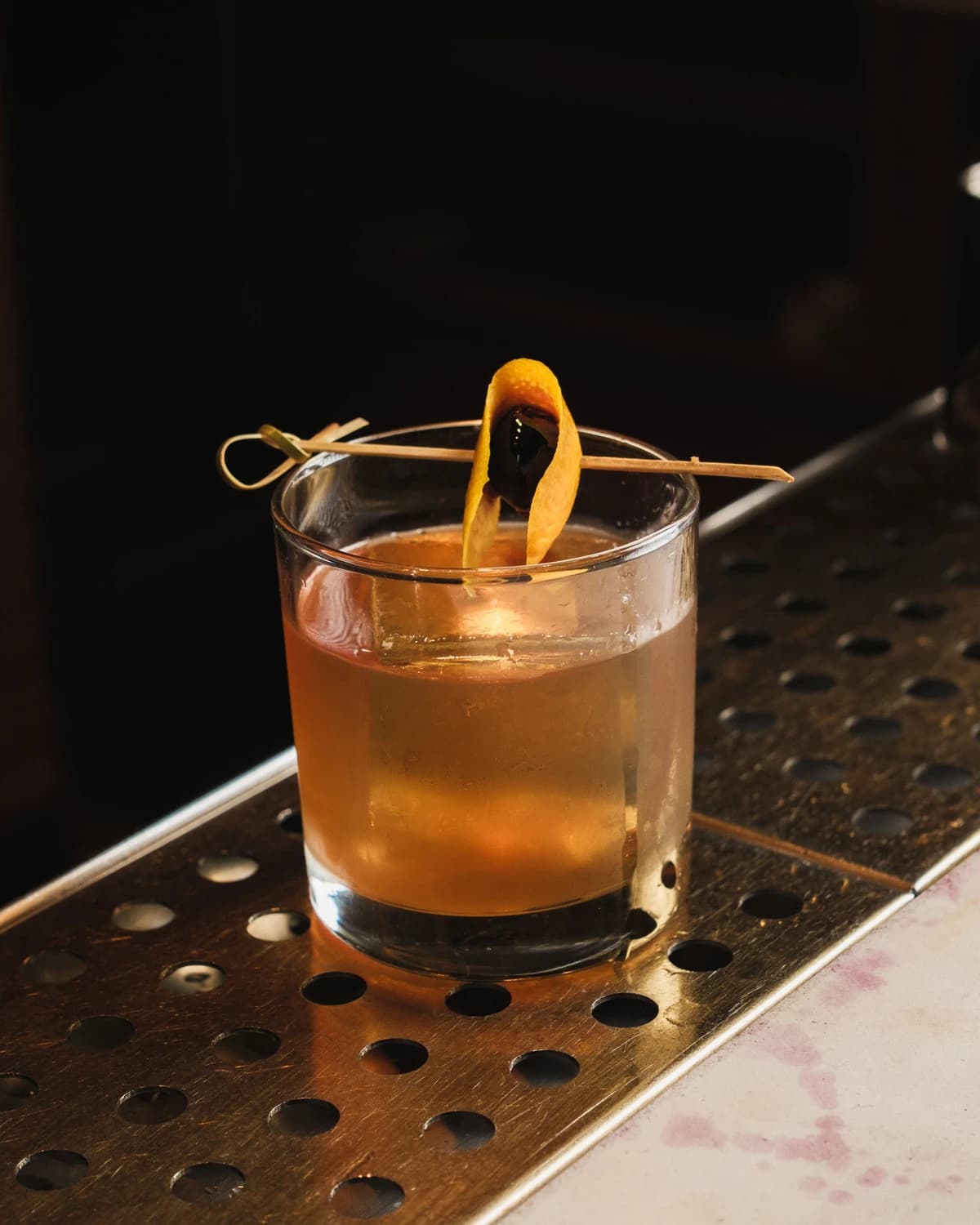
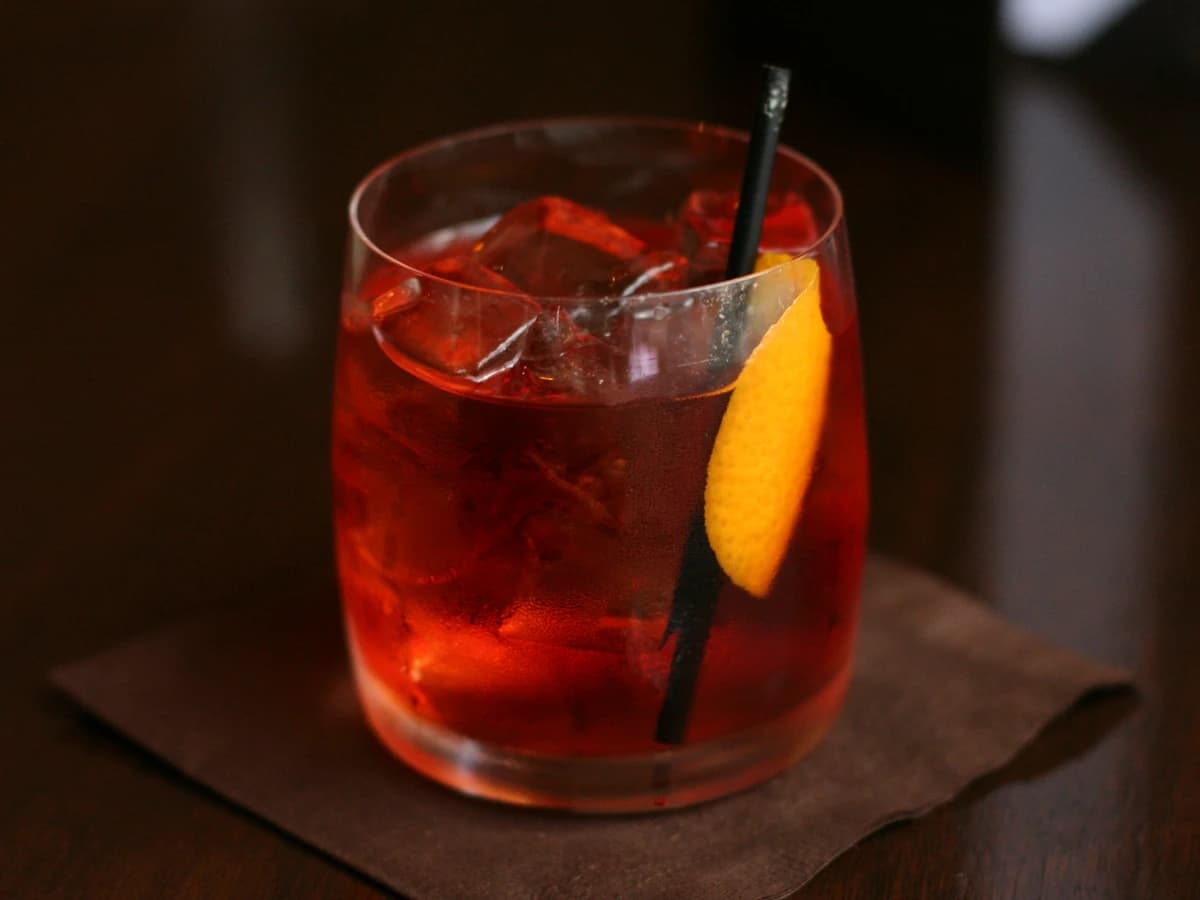
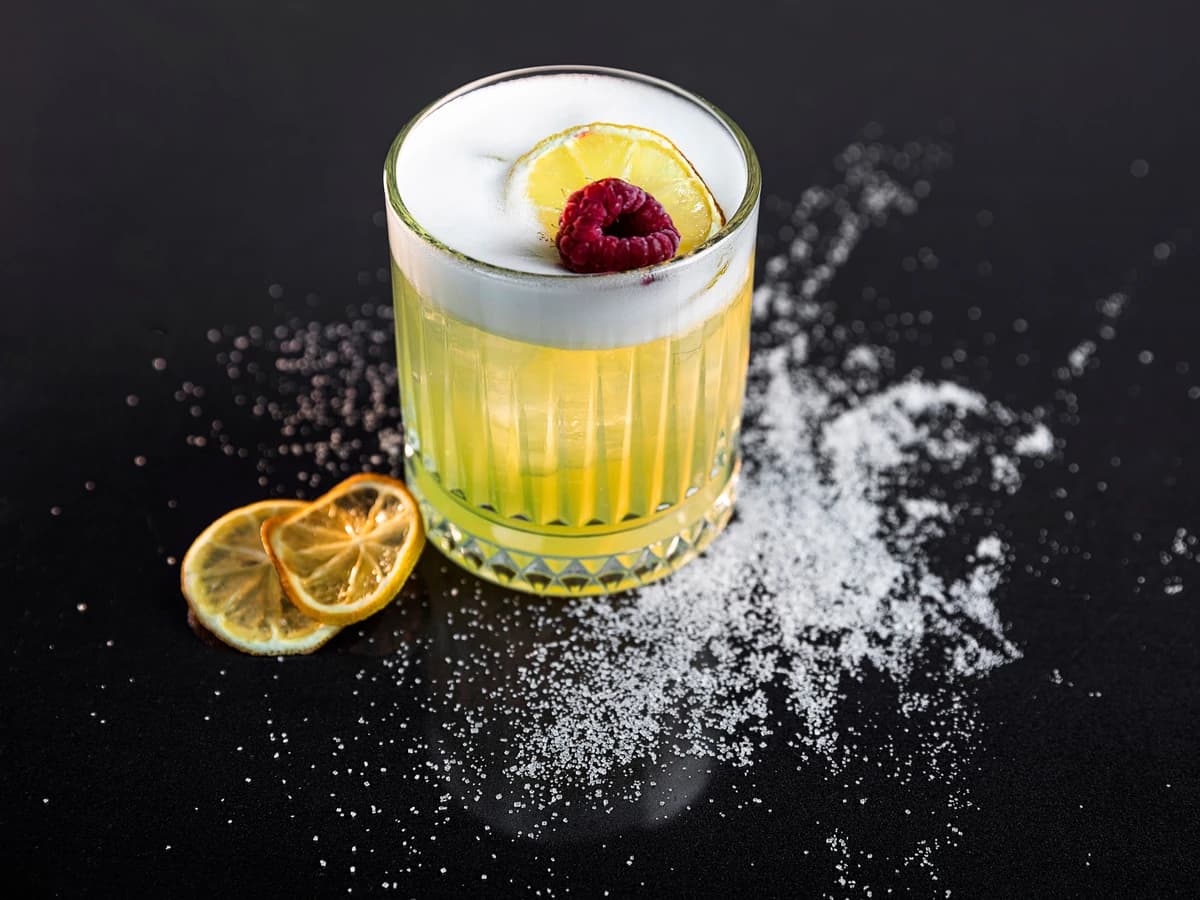
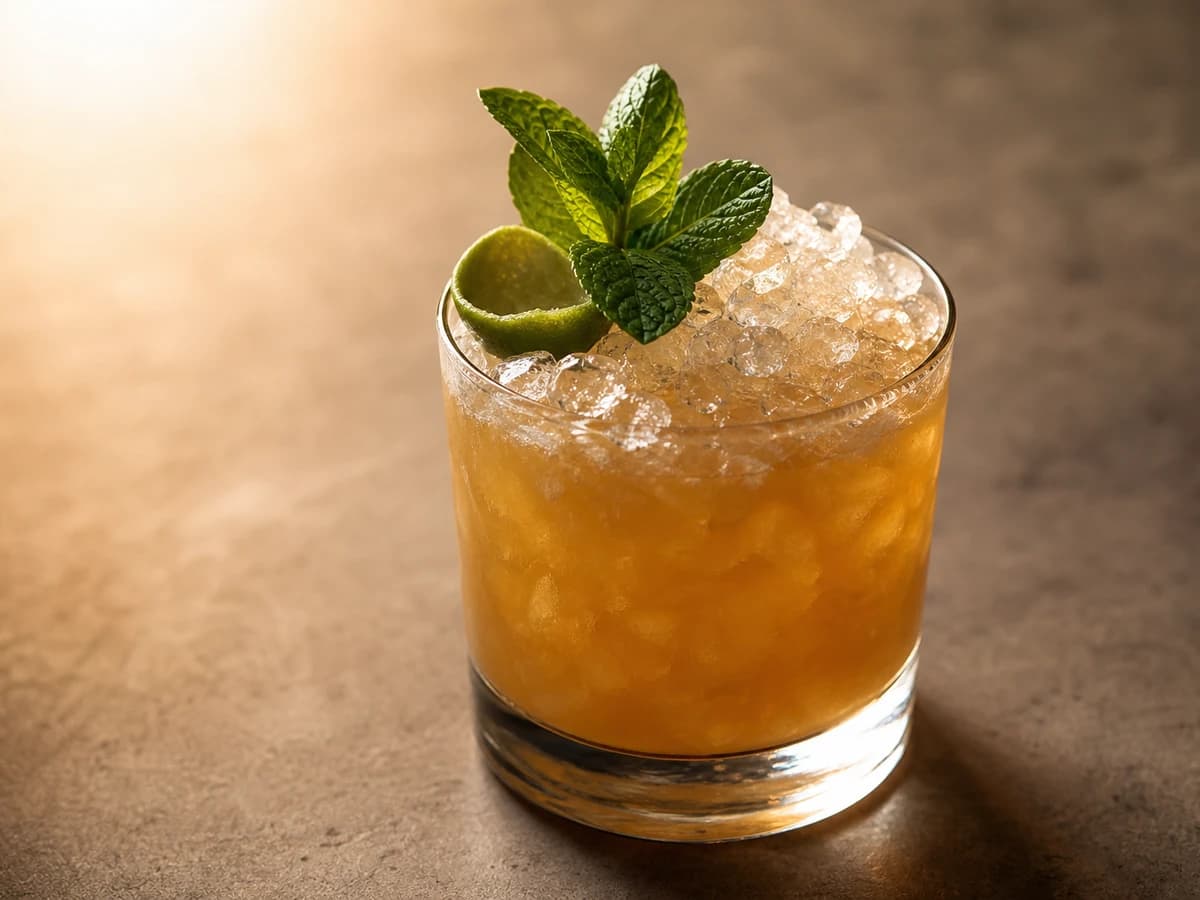
Also served in one: Margarita (pictured in a margarita glass), Mint Julep (pictured in a julep cup), Kamikaze (pictured in a coupe glass).
Highball glass
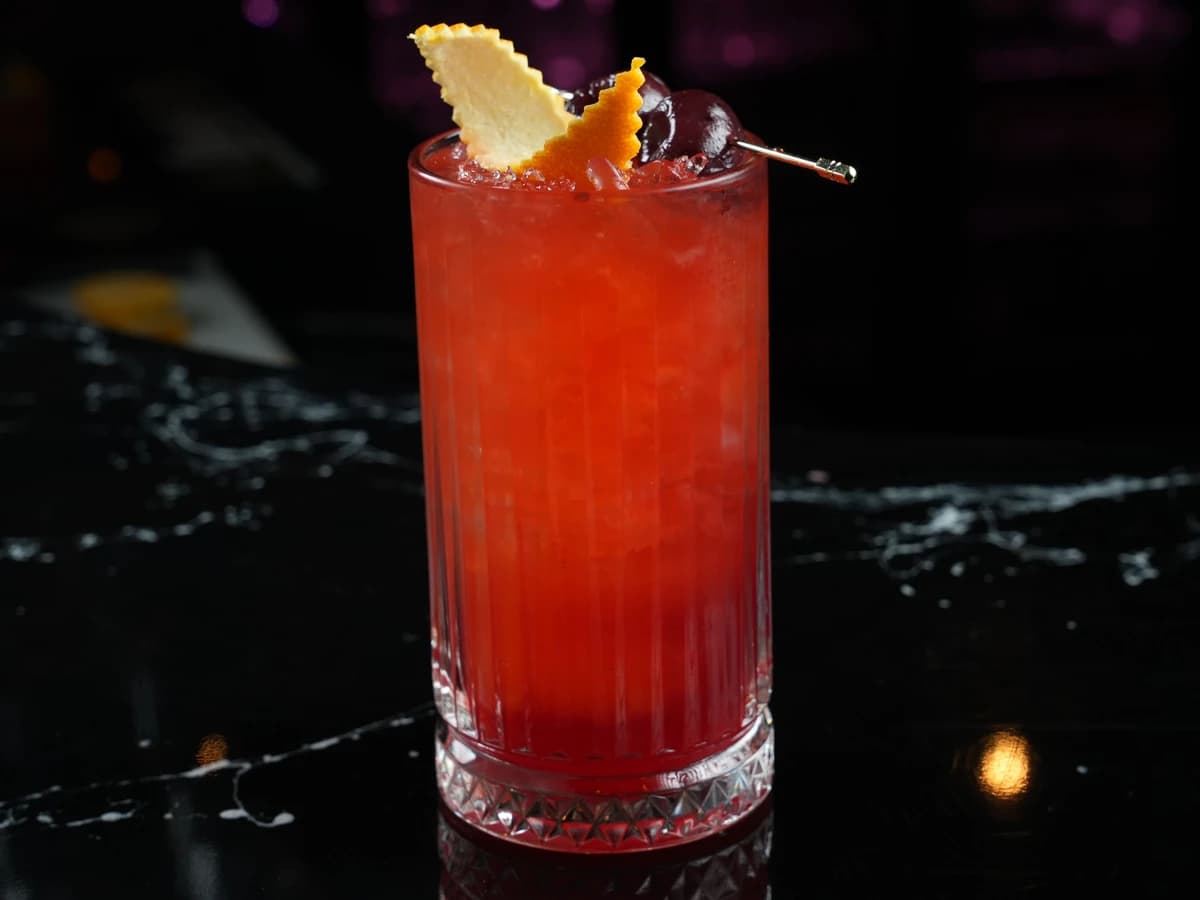
Tall and narrow so a mixer keeps its bubbles. The shape puts less of the drink's surface in contact with air at any moment, which is the whole mechanism behind carbonation lasting.
No highball glass? Any tall glass works fine.
42 recipes lead with it, and 5 more are properly served in it.
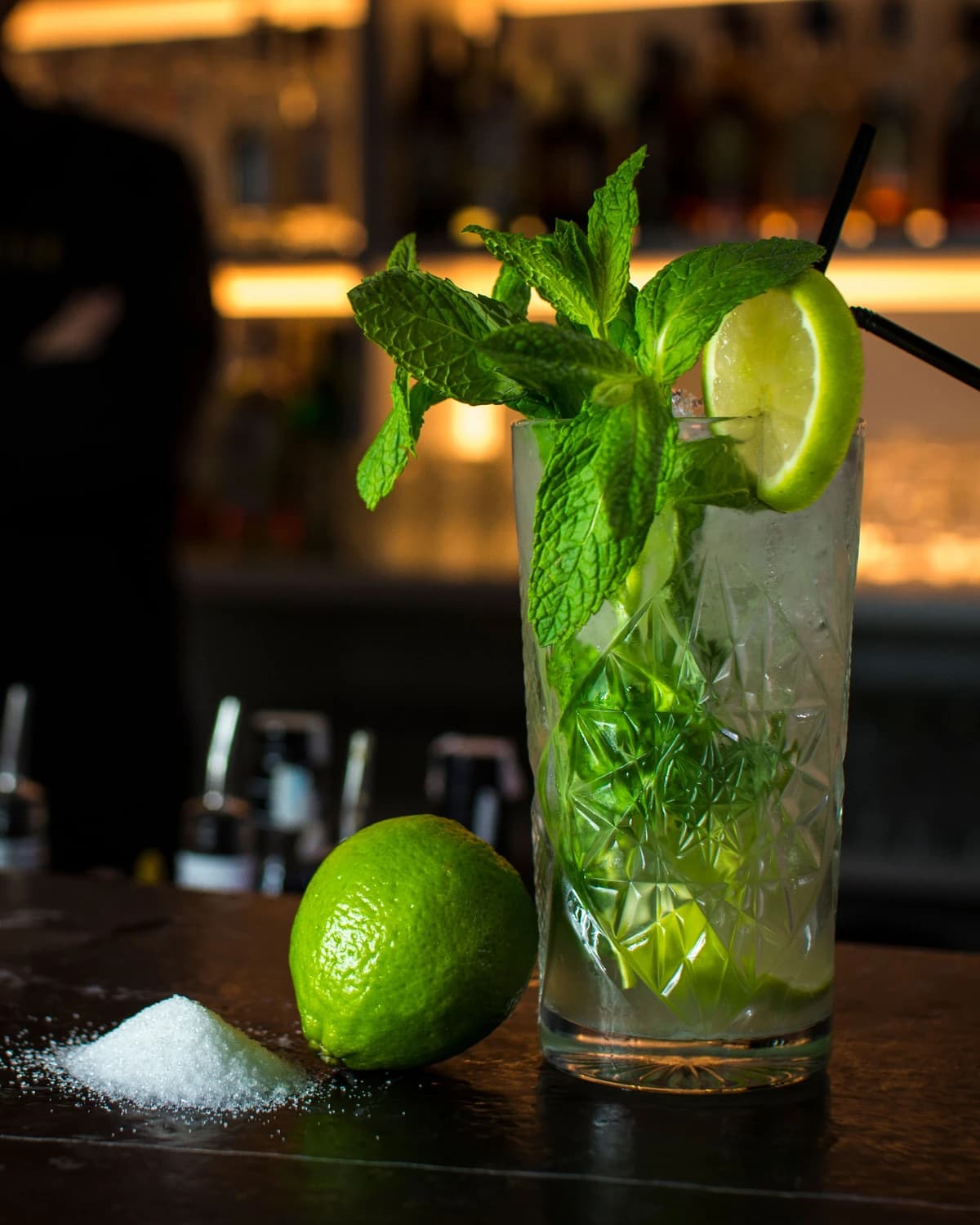
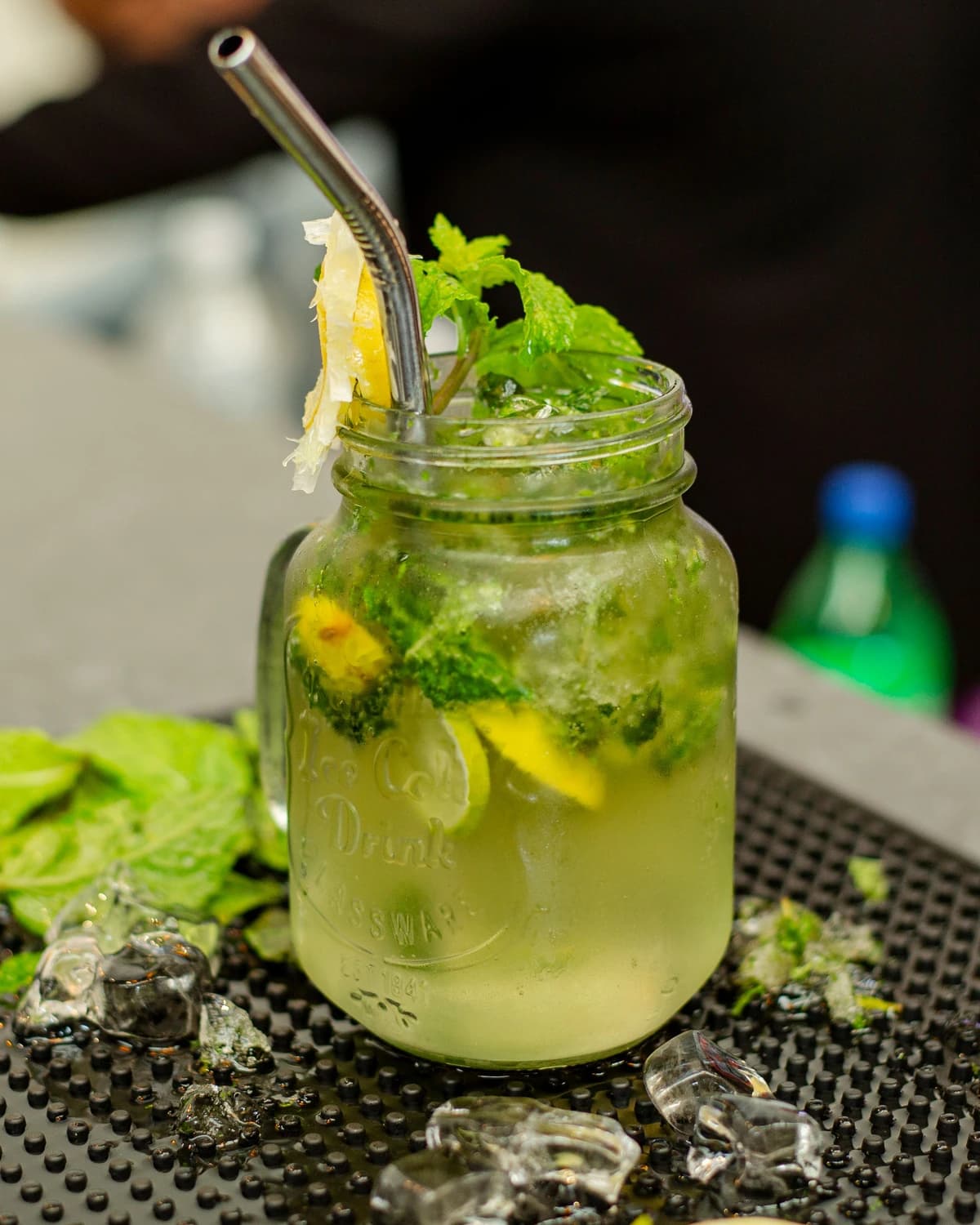
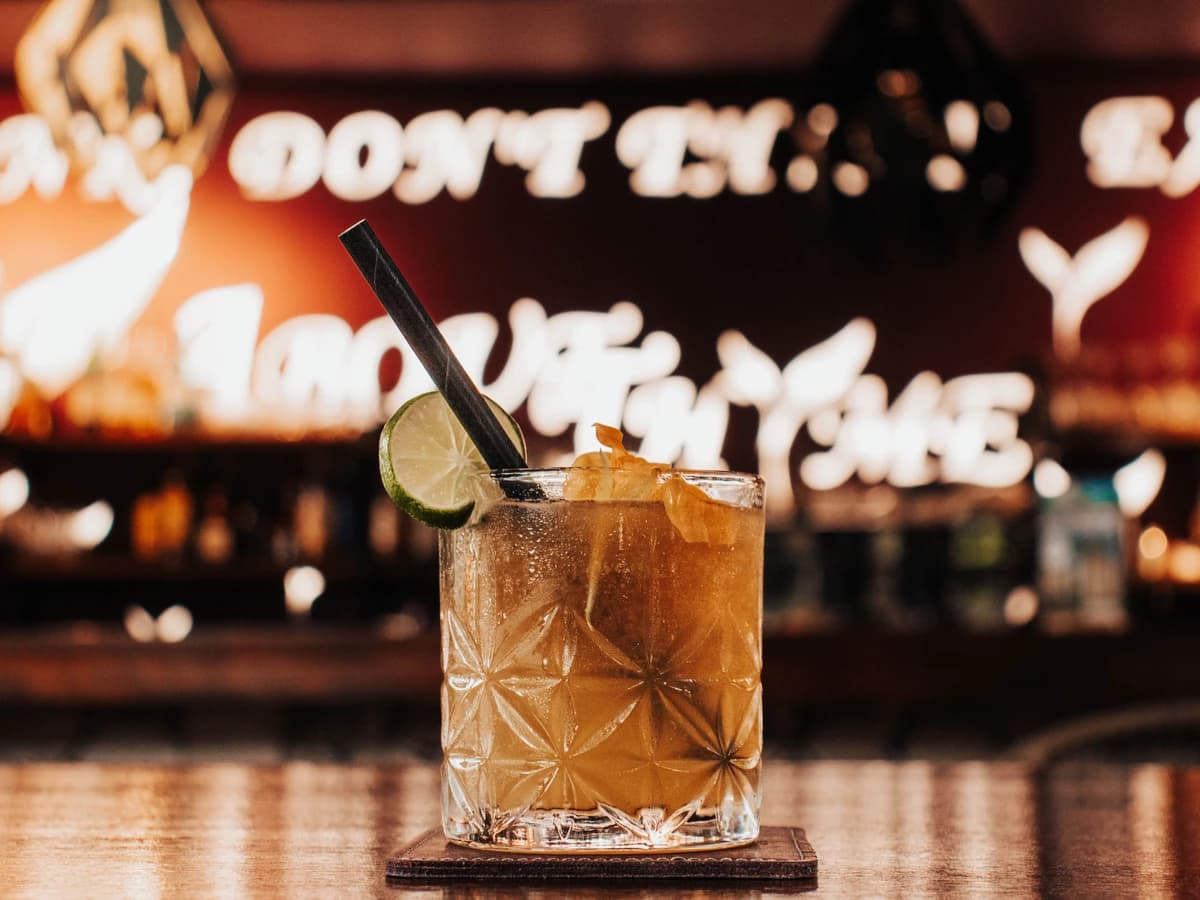
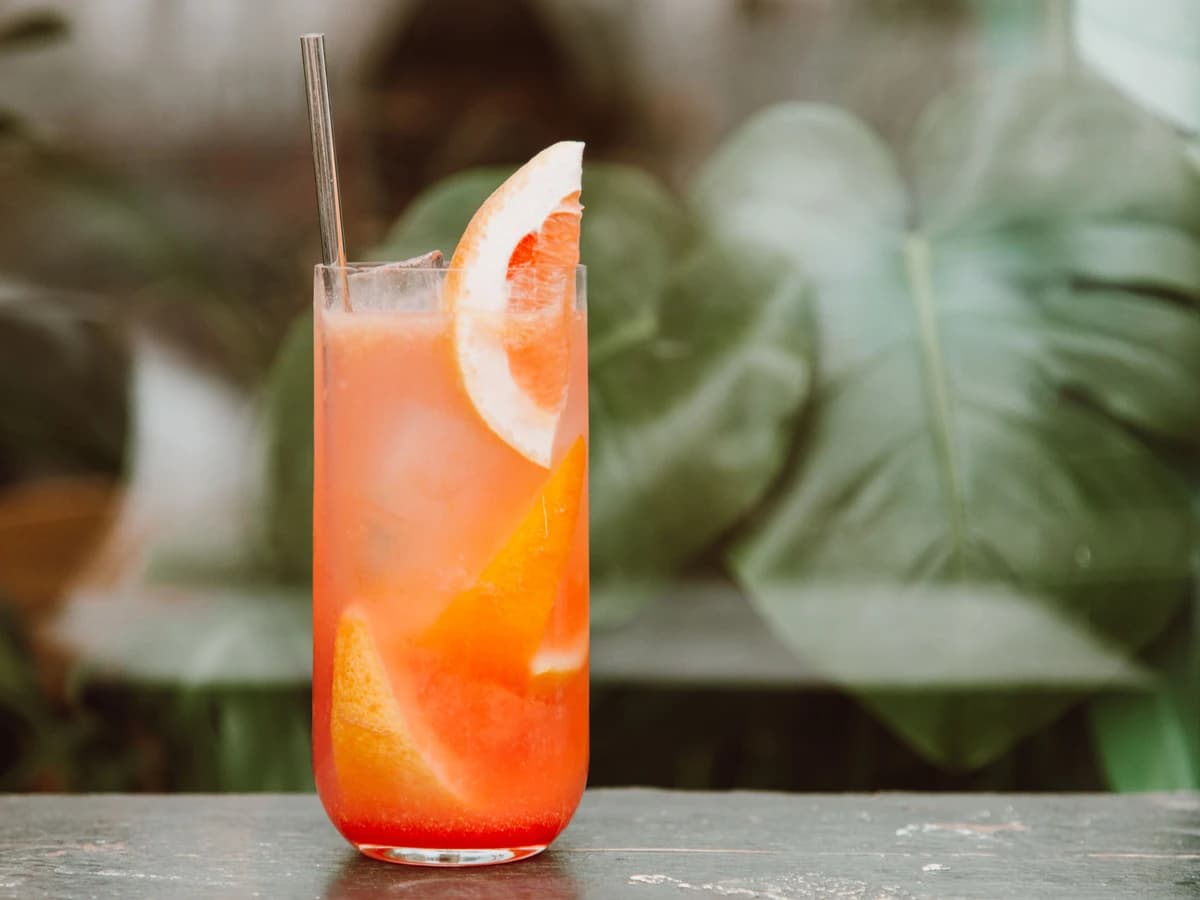
Also served in one: Zombie (pictured in a tiki mug), Alcohol-Free Mule (pictured in a copper mug), Salty Dog (pictured in a rocks glass), Mexican Mule (pictured in a copper mug), Kombucha Mule (pictured in a copper mug).
Coupe glass
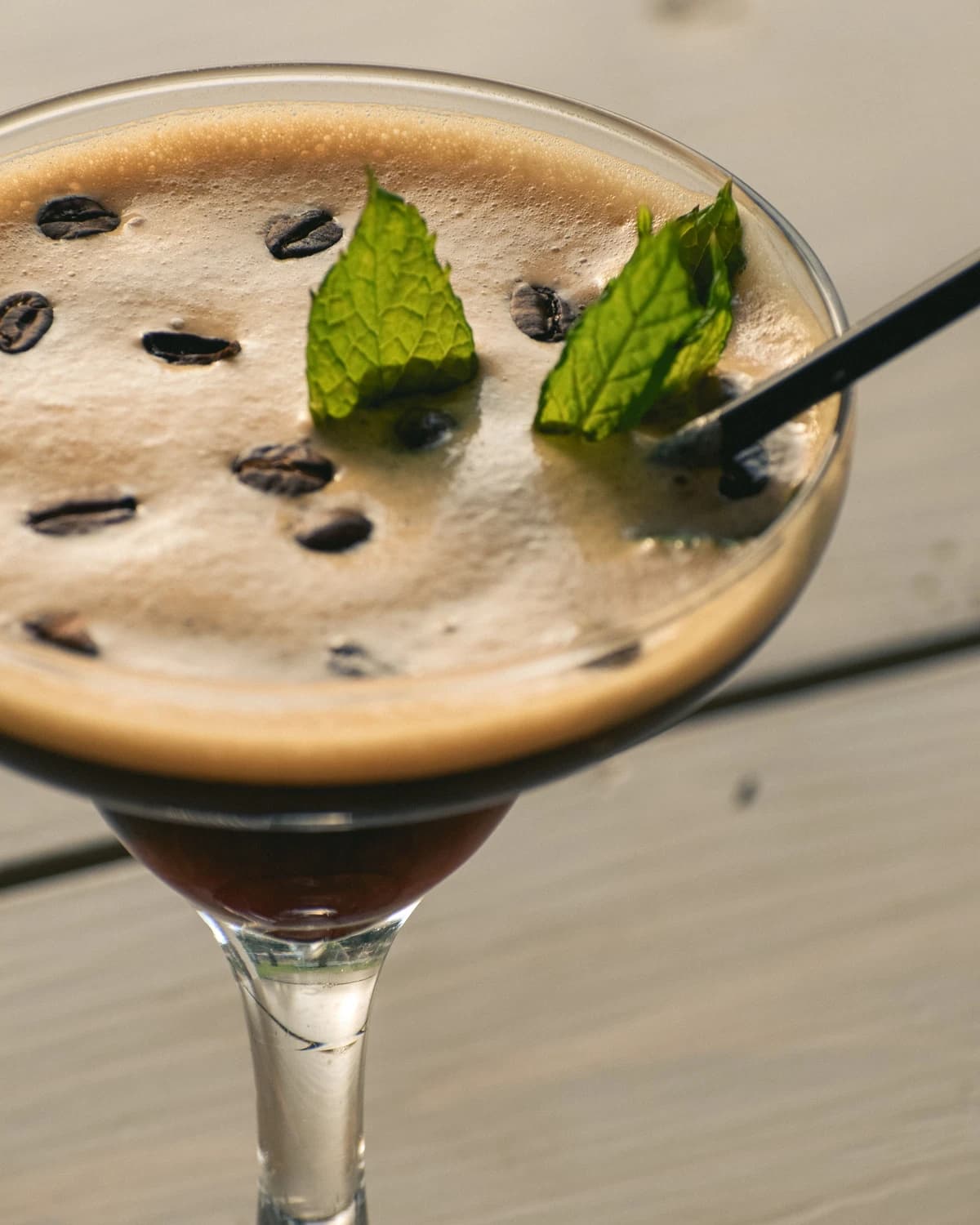
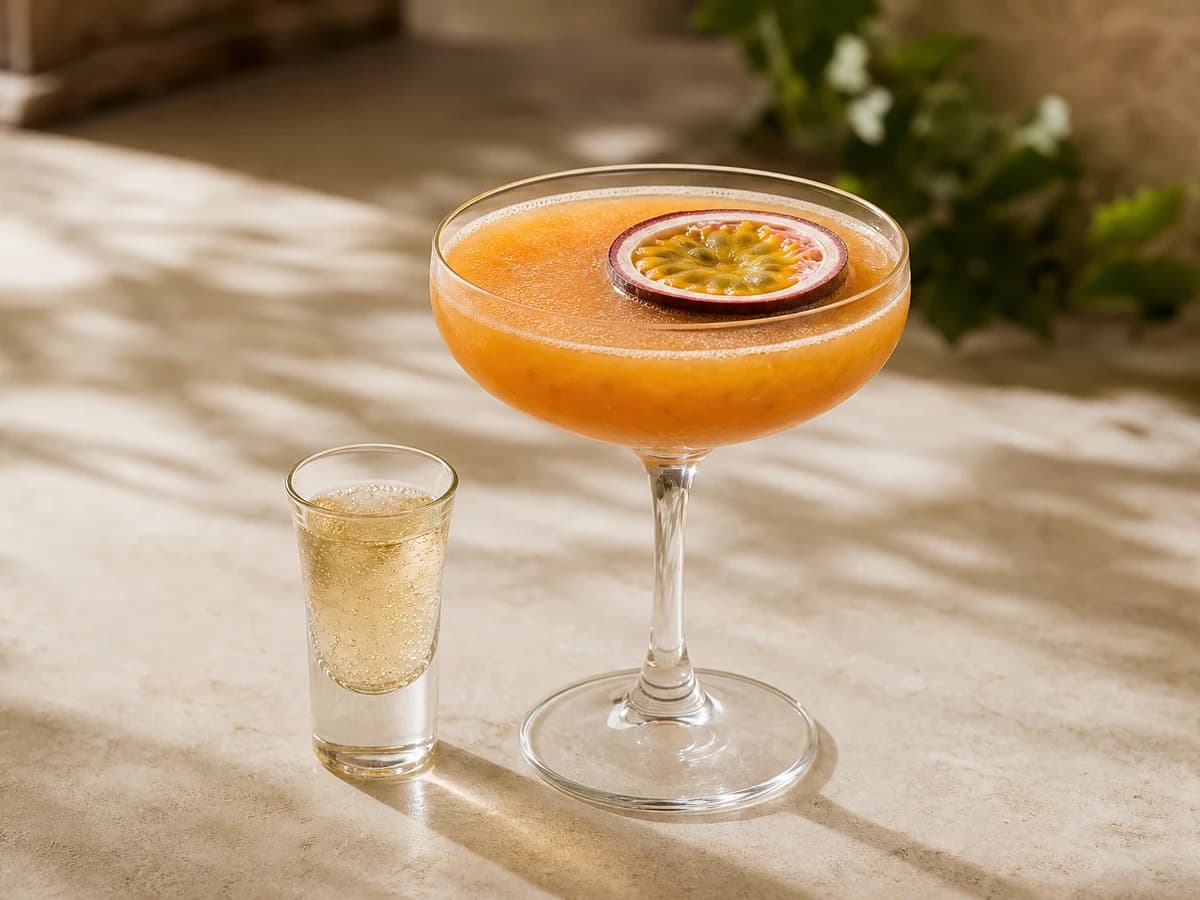
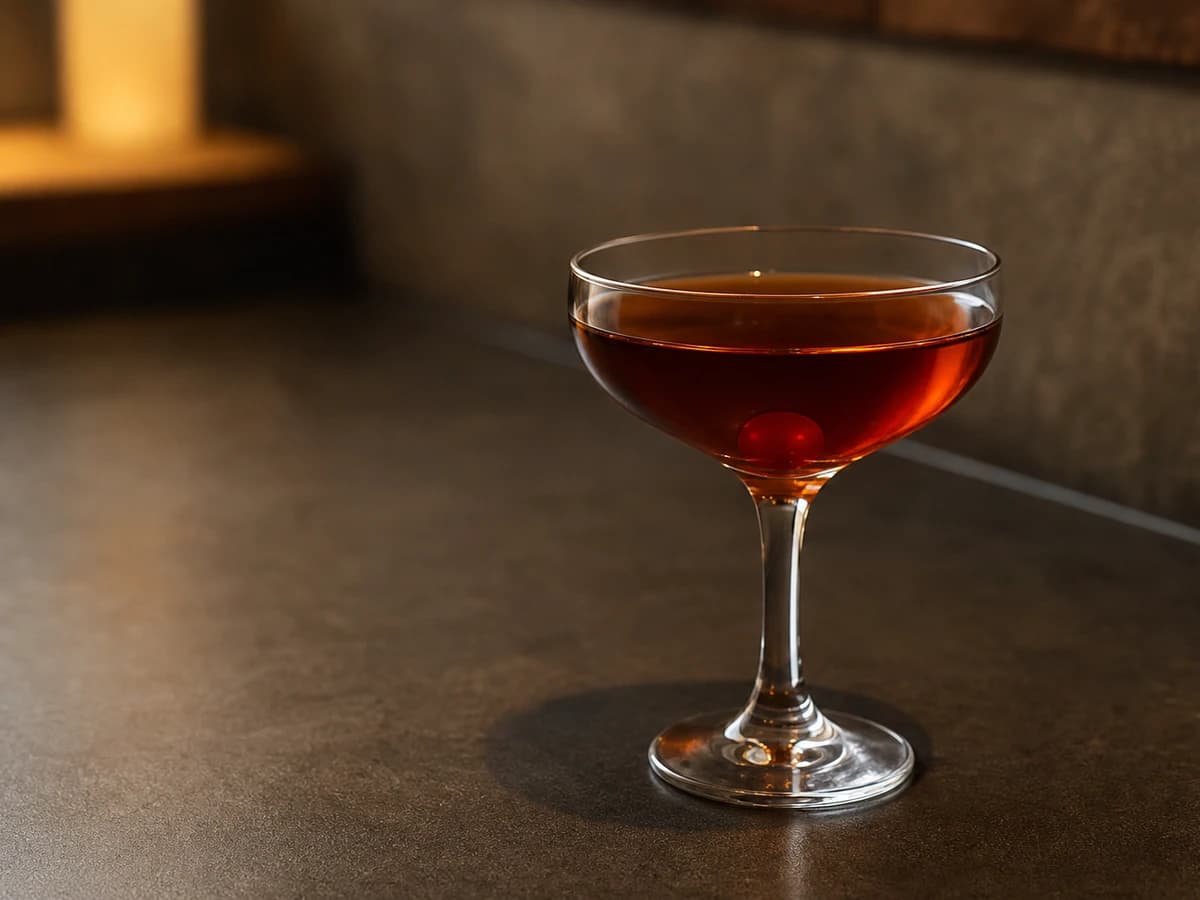
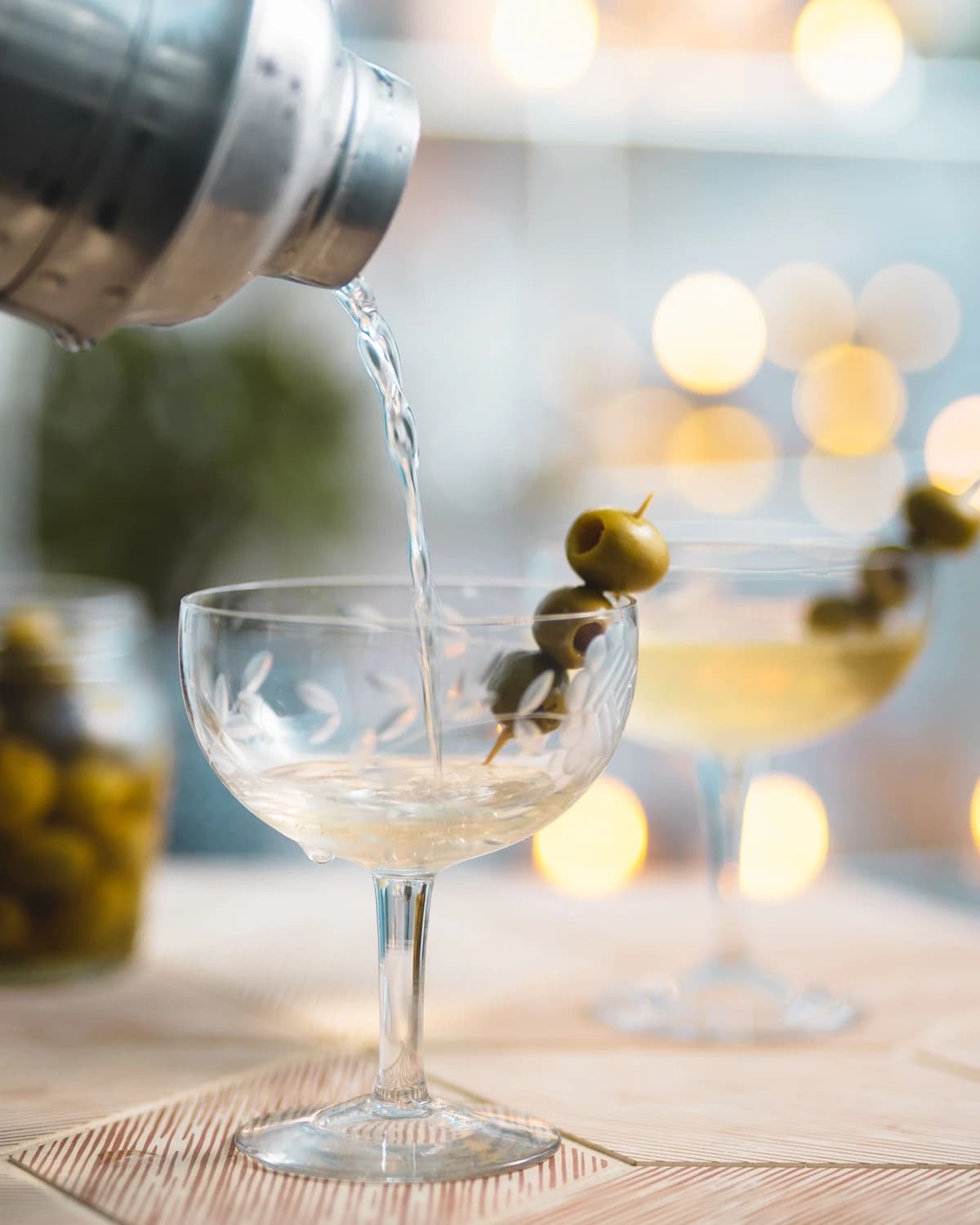
A wide, shallow bowl on a stem. The stem keeps your hand off a drink served without ice; the bowl opens the aroma up. It has largely replaced the martini glass because it spills far less.
No coupe glass? Any small stemmed wine glass works well as a substitute.
44 recipes lead with it, and 1 more is properly served in it.
Also served in one: Margarita (pictured in a margarita glass).
Wine glass
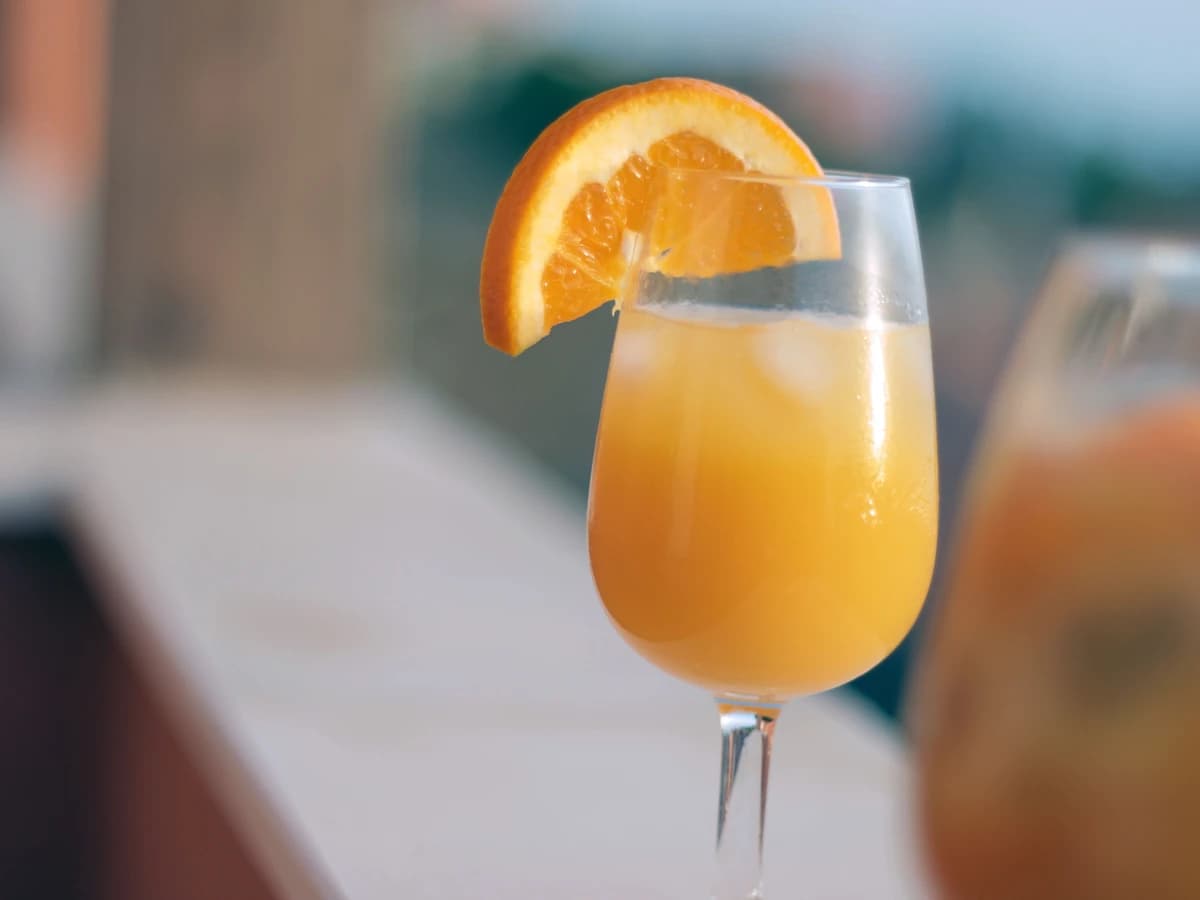
Volume. A spritz or a large gin and tonic needs enough room for a full ice load, and a packed glass of ice dilutes more slowly than a half-filled one.
No wine glass? Any wine glass you already own. A standard 350ml one works; you simply use less ice.
10 recipes lead with it, and 2 more are properly served in it.
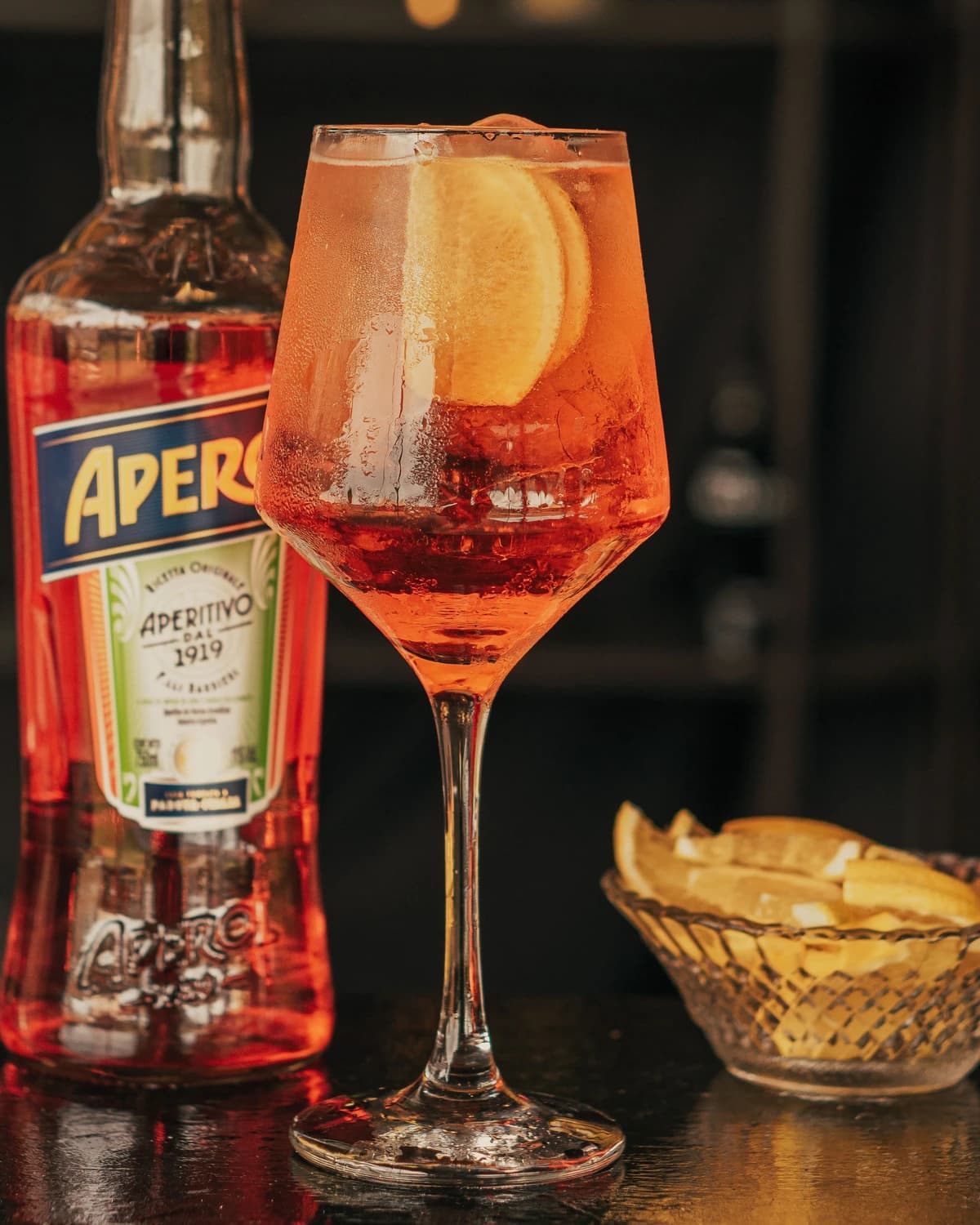
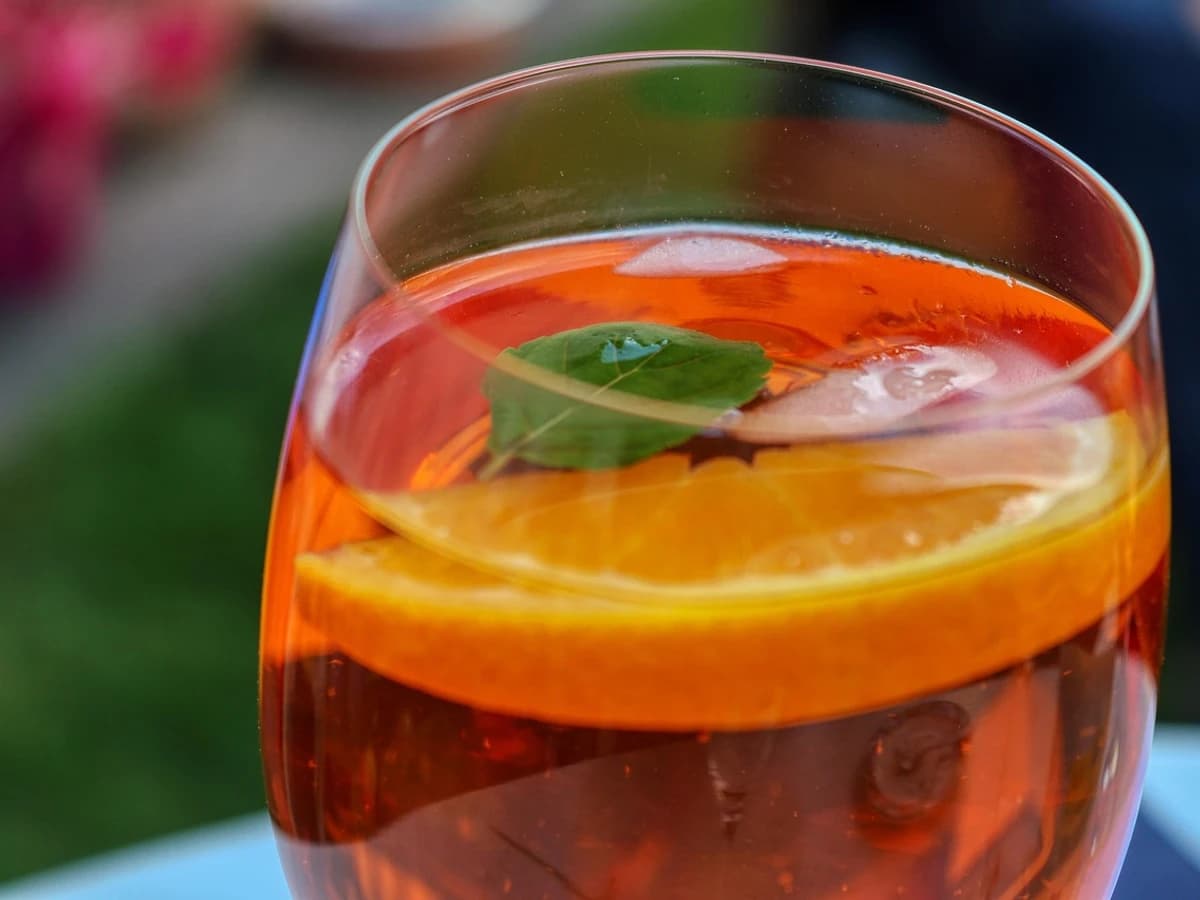
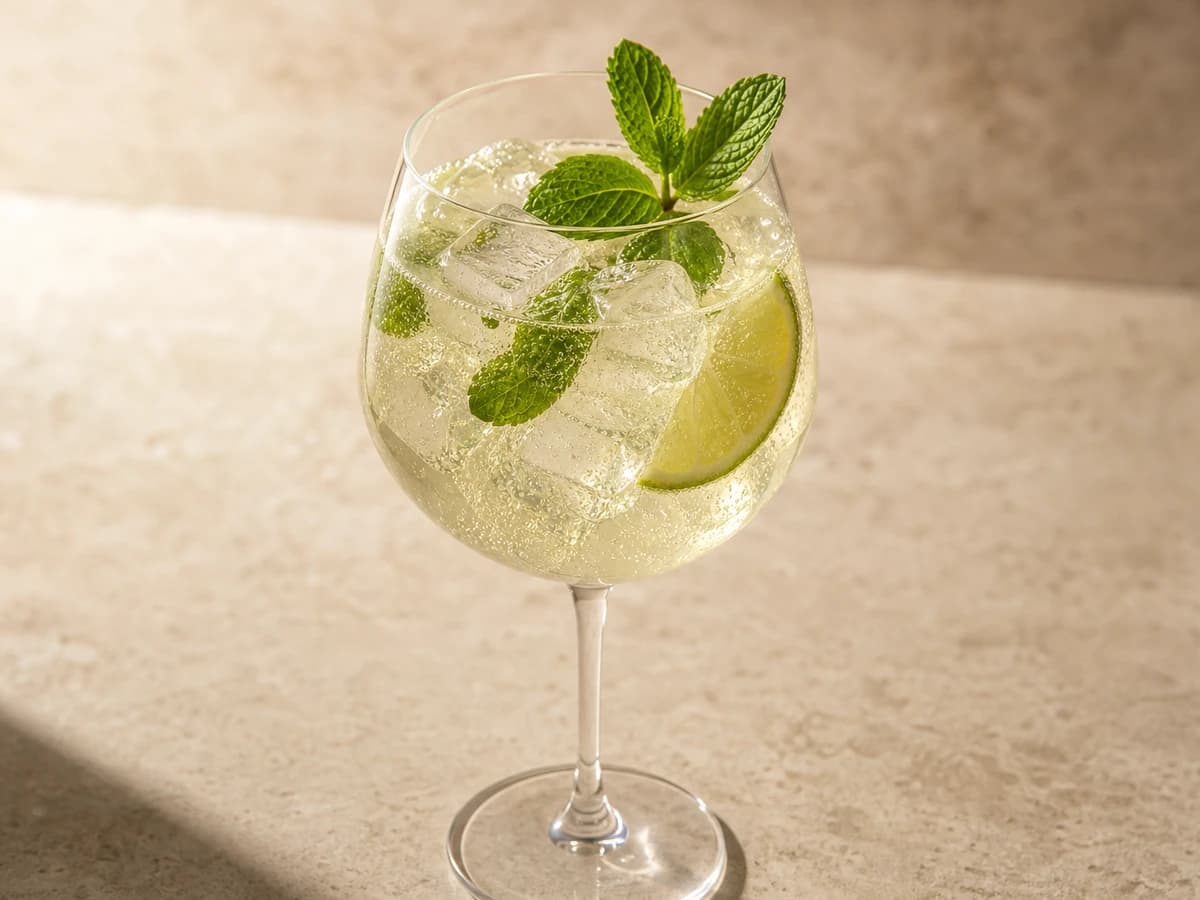
Also served in one: Negroni Sbagliato (pictured in a rocks glass), Gin and Tonic (pictured in a highball glass).
Champagne flute
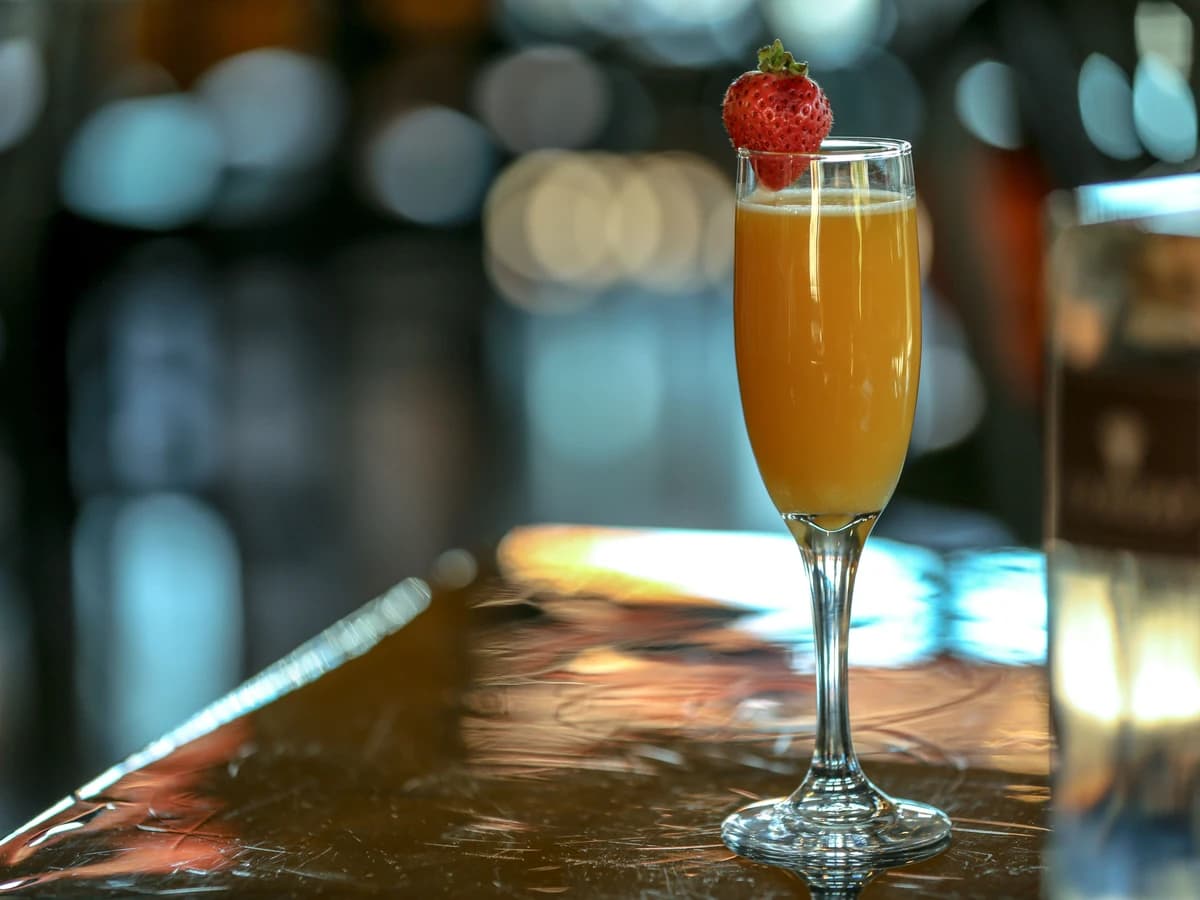
Maximum carbonation retention, at the cost of aroma. The narrow bowl keeps bubbles longest and shows the least smell — which is why sparkling-wine specialists often prefer a tulip or a white-wine glass.
No champagne flute? A small white-wine glass keeps bubbles nearly as well and shows aroma better.
10 recipes lead with it.
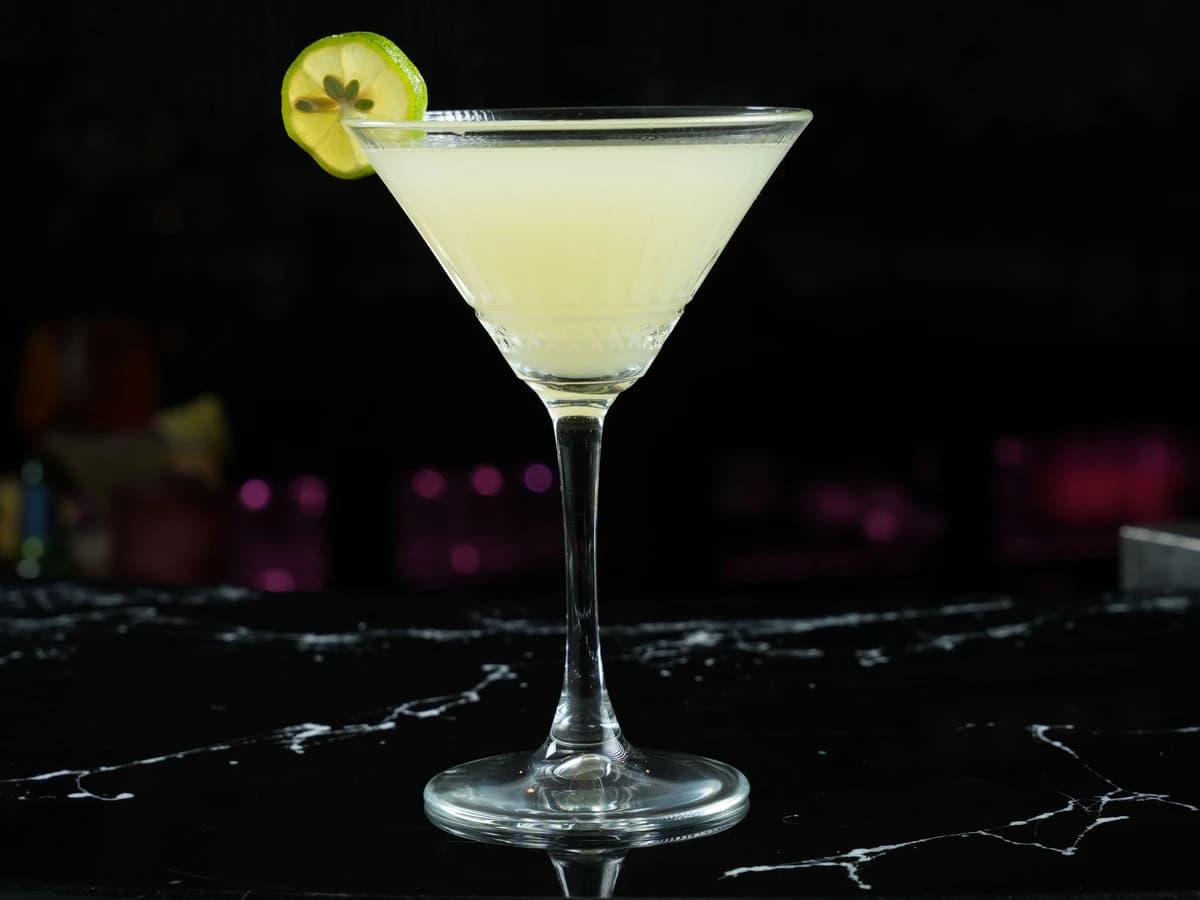
Martini glass
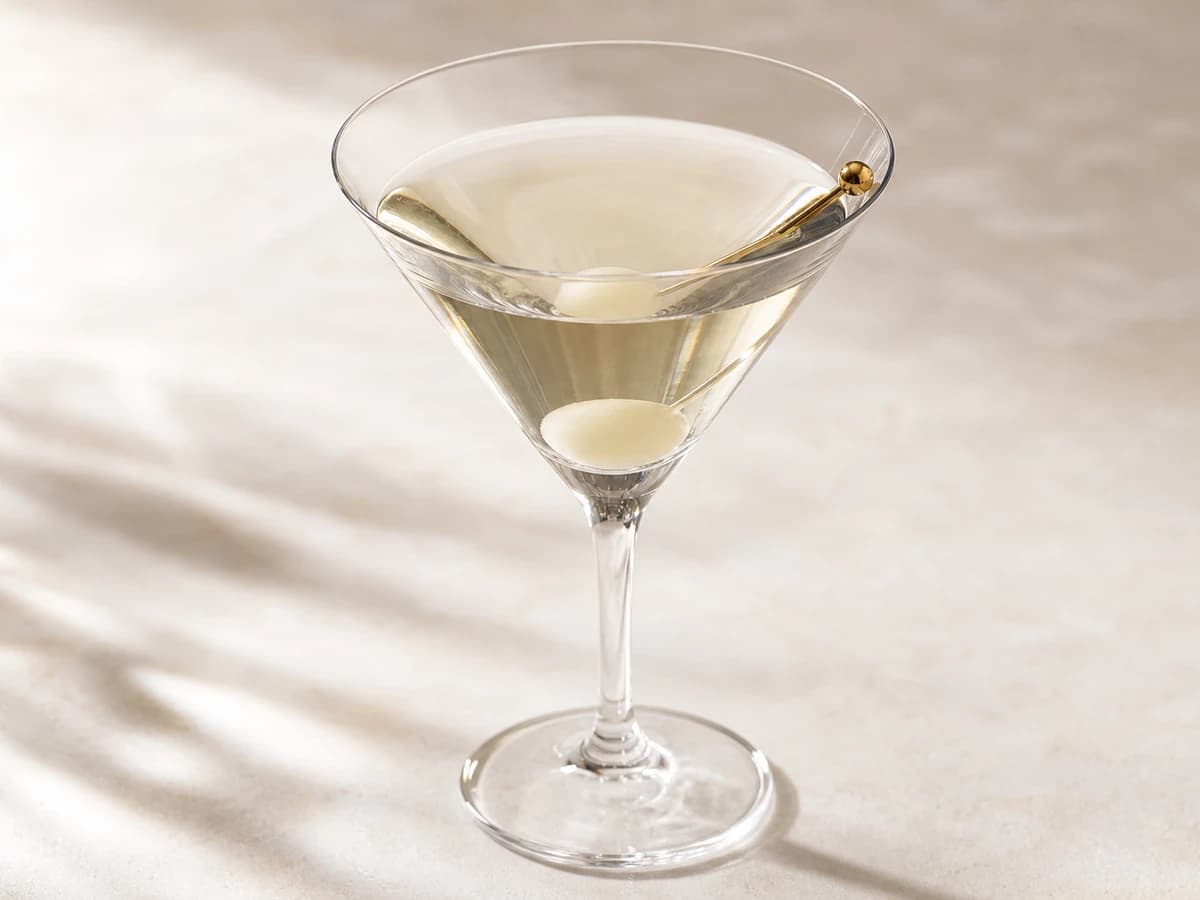
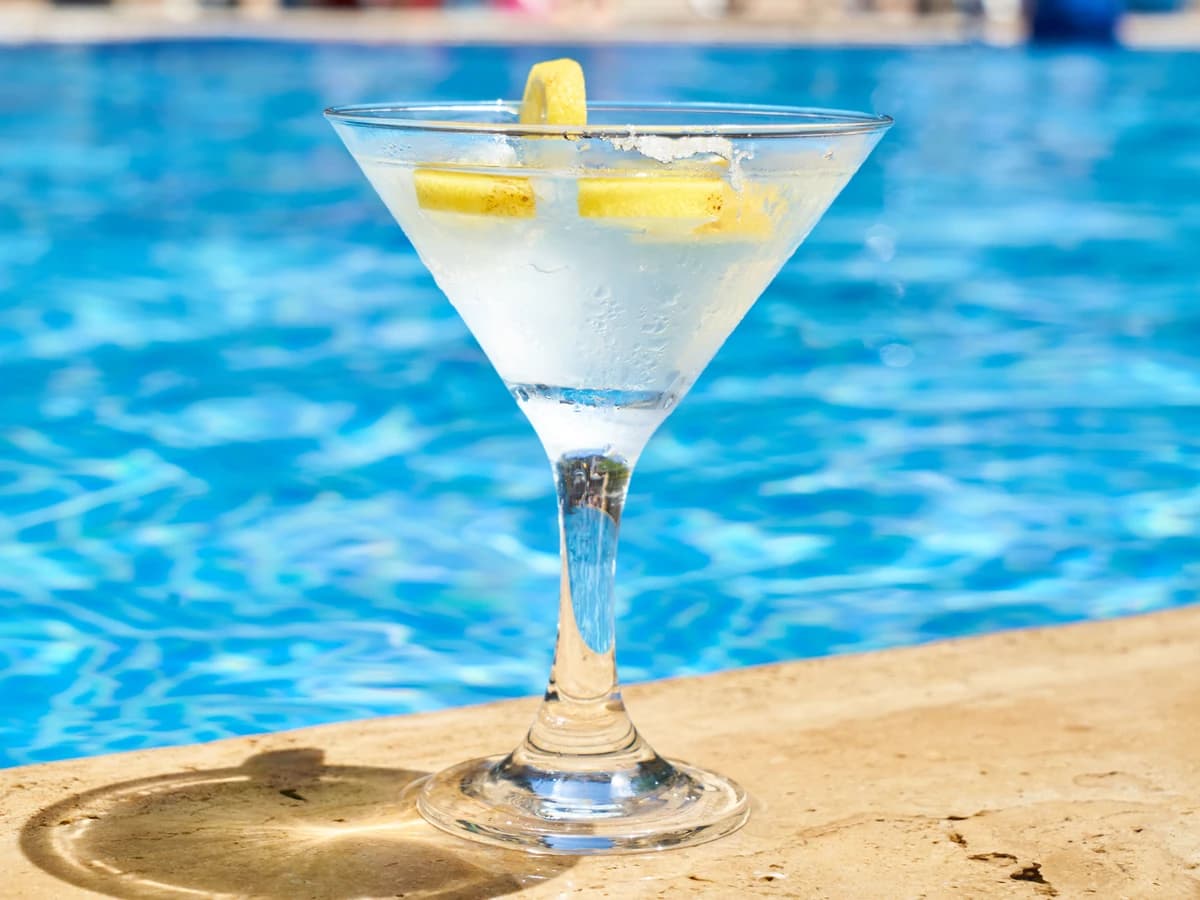
The silhouette. Functionally the coupe does the same job with less spillage, and most bars have moved across; it survives because nothing else looks like a cocktail from across a room.
No martini glass? A coupe or any small stemmed glass does the same job with less spillage.
4 recipes lead with it, and 2 more are properly served in it.
Also served in one: Cosmopolitan (pictured in a coupe glass), French Martini (pictured in a coupe glass).
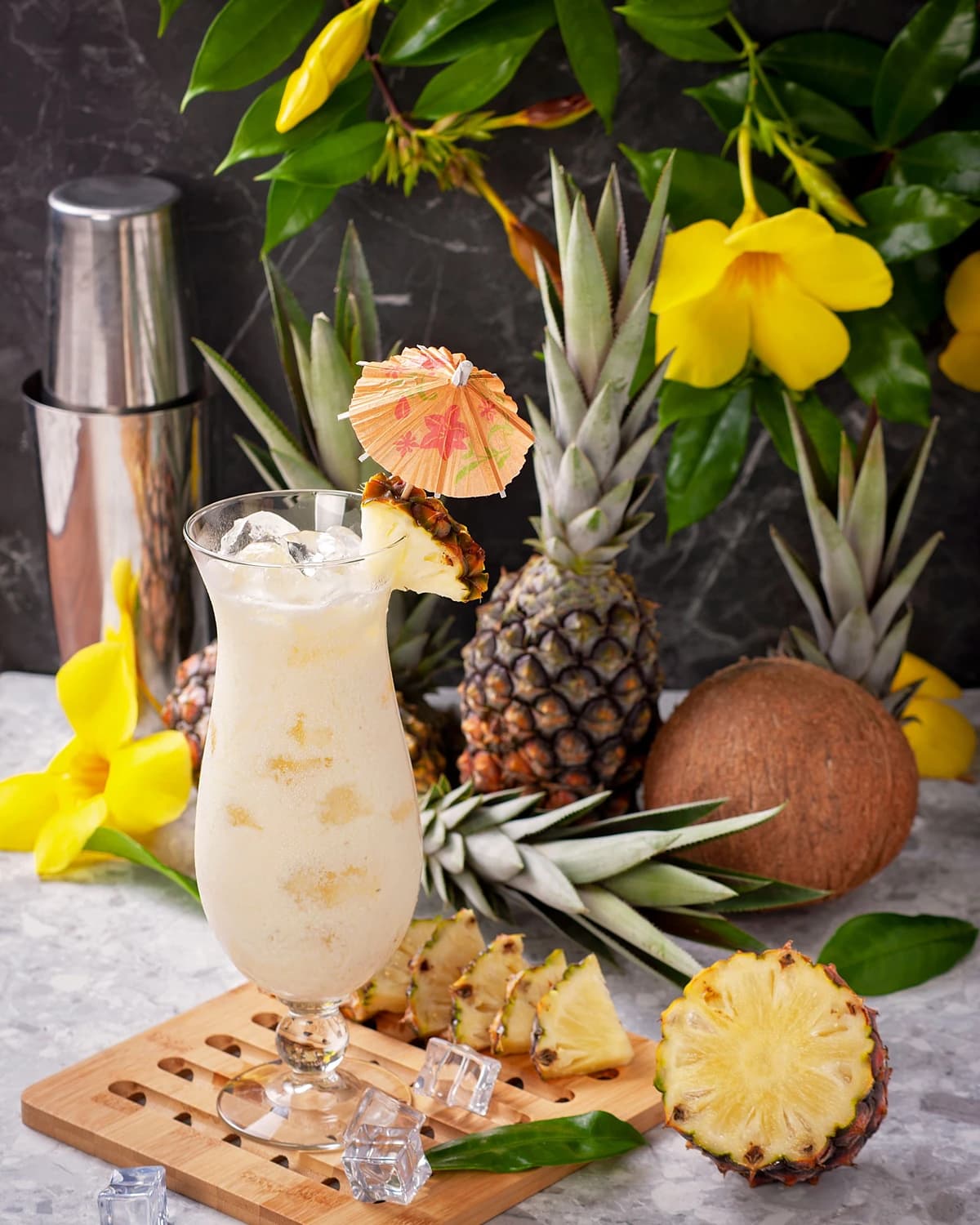
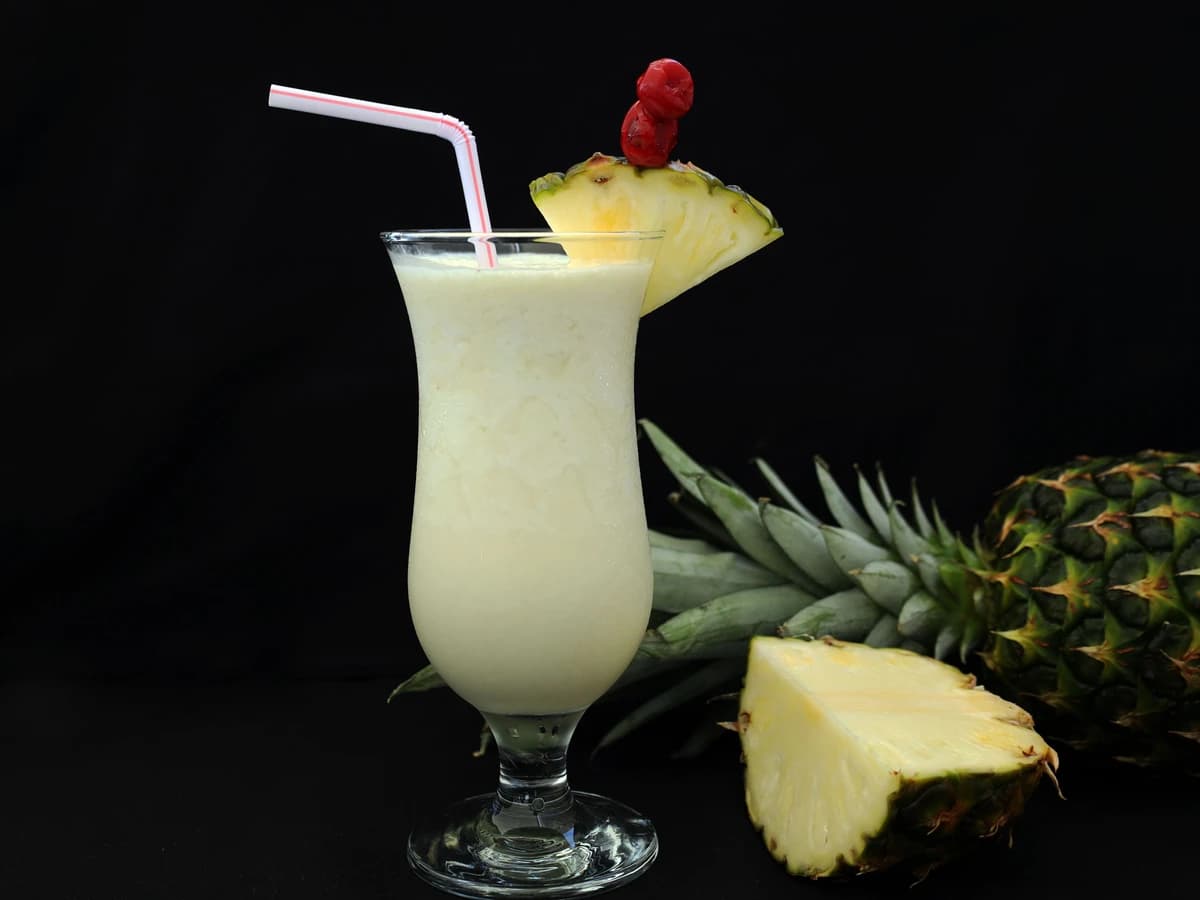
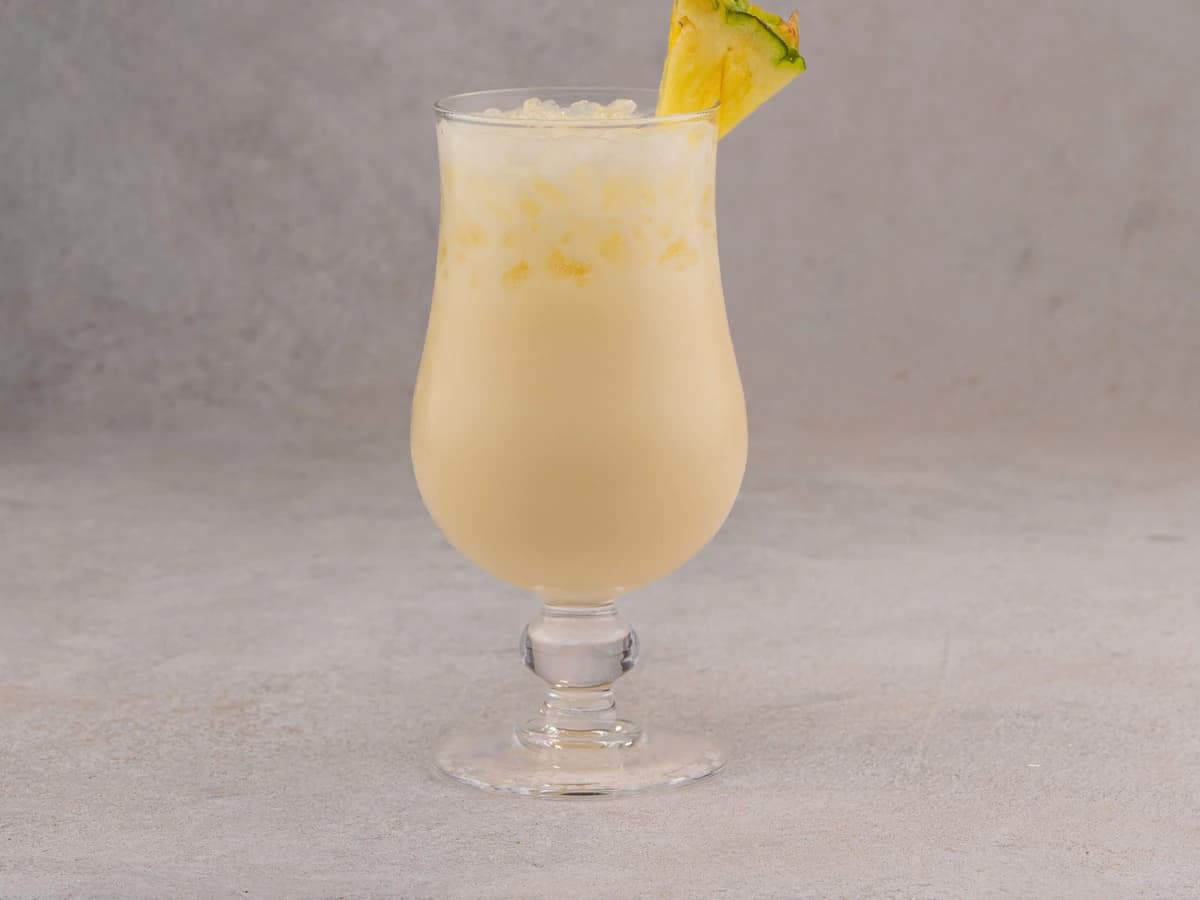
Hurricane glass
Capacity for crushed ice. Tropical drinks treat ice as structure rather than chilling, and a glass too small forces you to cut the ice, which changes the drink.
No hurricane glass? A large wine glass or any tall tumbler of similar capacity works.
8 recipes lead with it, and 2 more are properly served in it.
Also served in one: Painkiller (pictured in a tiki mug), Virgin Painkiller (pictured in a tiki mug).
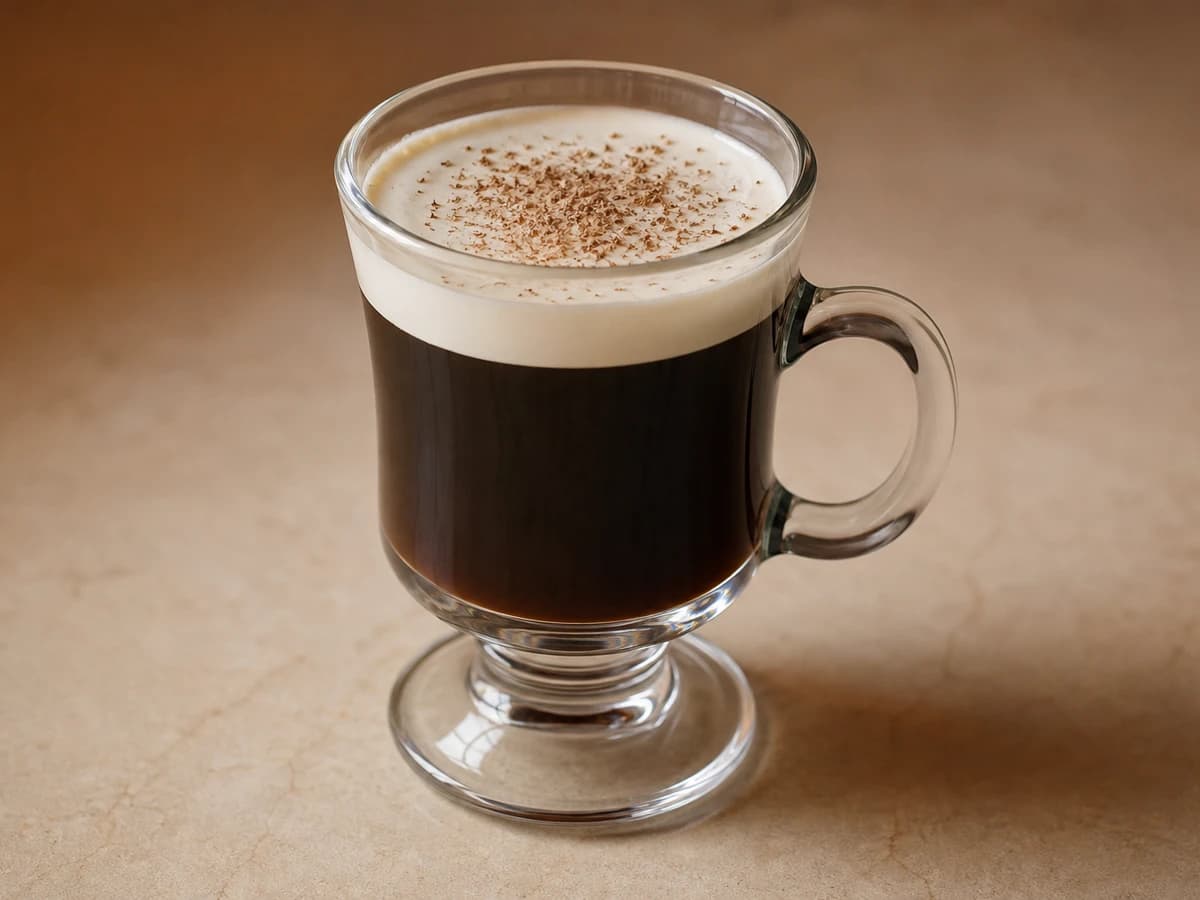
Heatproof mug
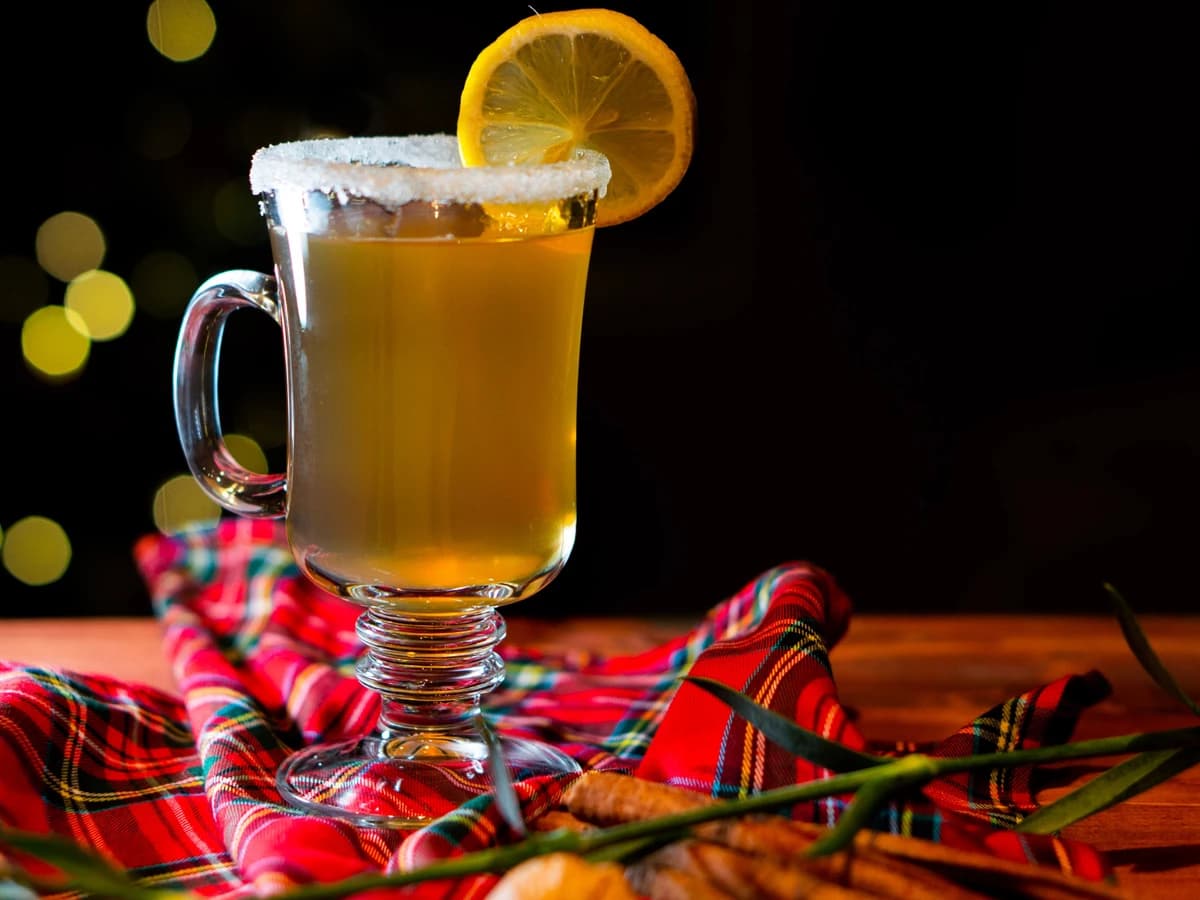
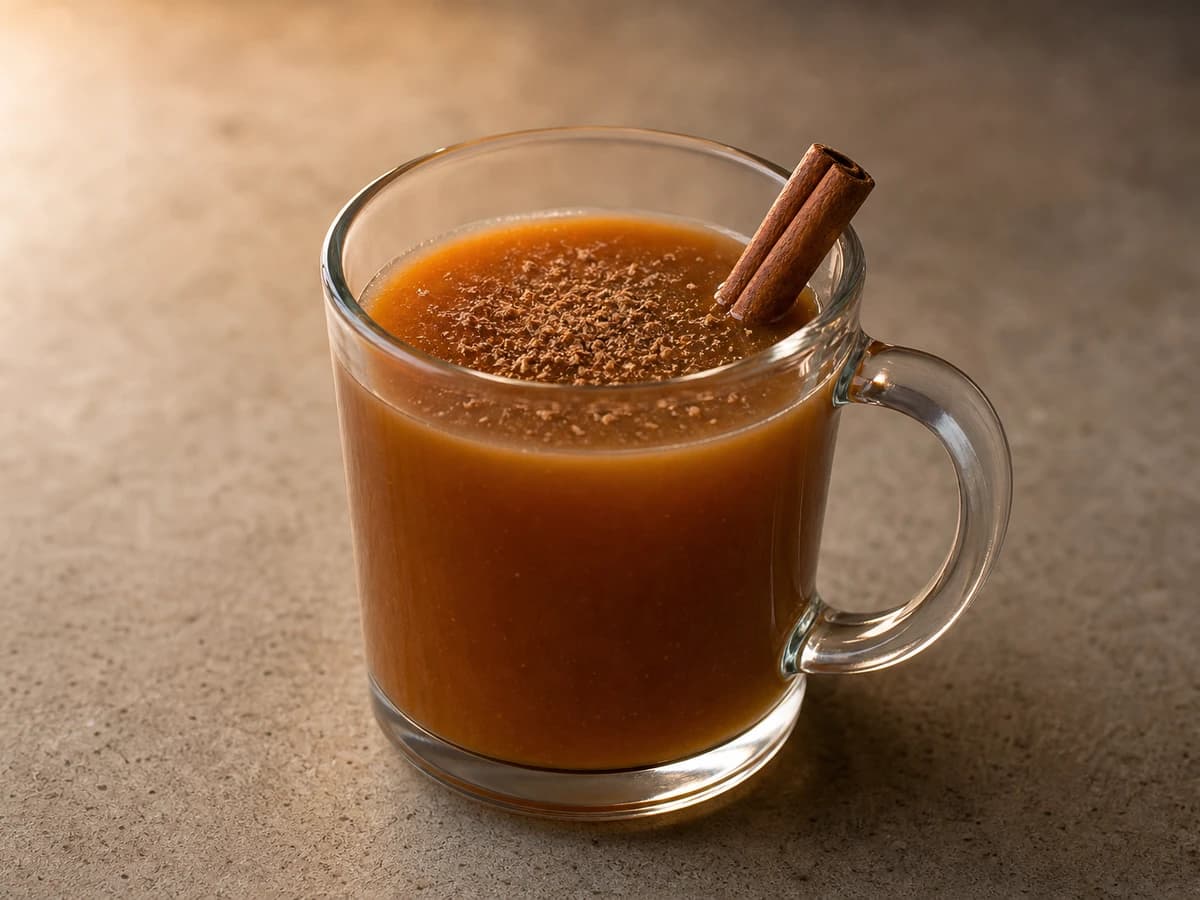
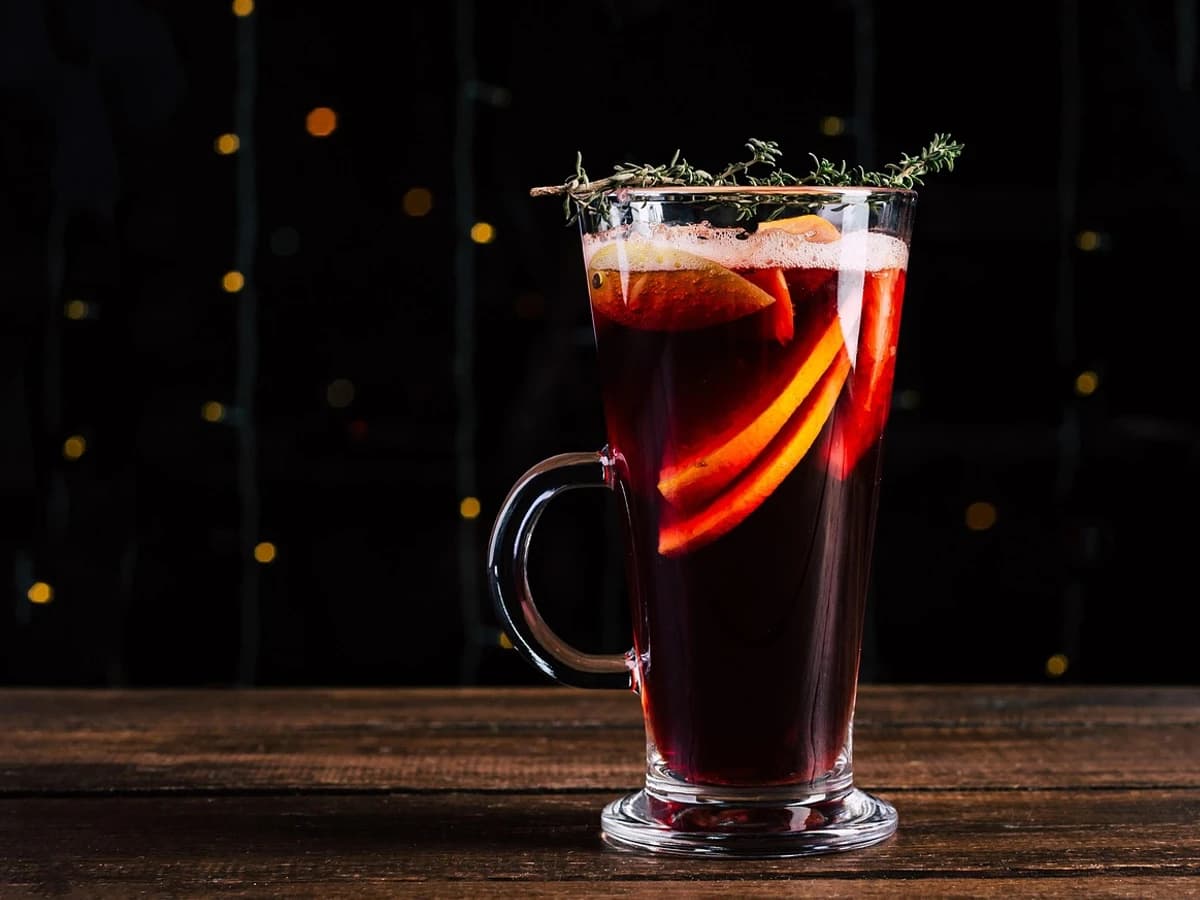
A handle and glass that will not crack. A hot drink at serving temperature is genuinely too hot to hold, and an untempered tumbler can fail while you are holding it.
No heatproof mug? A normal ceramic mug. It is the safest option in the cupboard and the only visible loss is seeing the layers in an Irish coffee.
9 recipes lead with it.
Tiki mug
Ceramic insulates better than glass, which helps a crushed-ice drink stay cold. That is the one functional advantage; the rest is presentation.
No tiki mug? Any tall opaque tumbler. The drink is unaffected; only the presentation changes.
7 recipes lead with it.
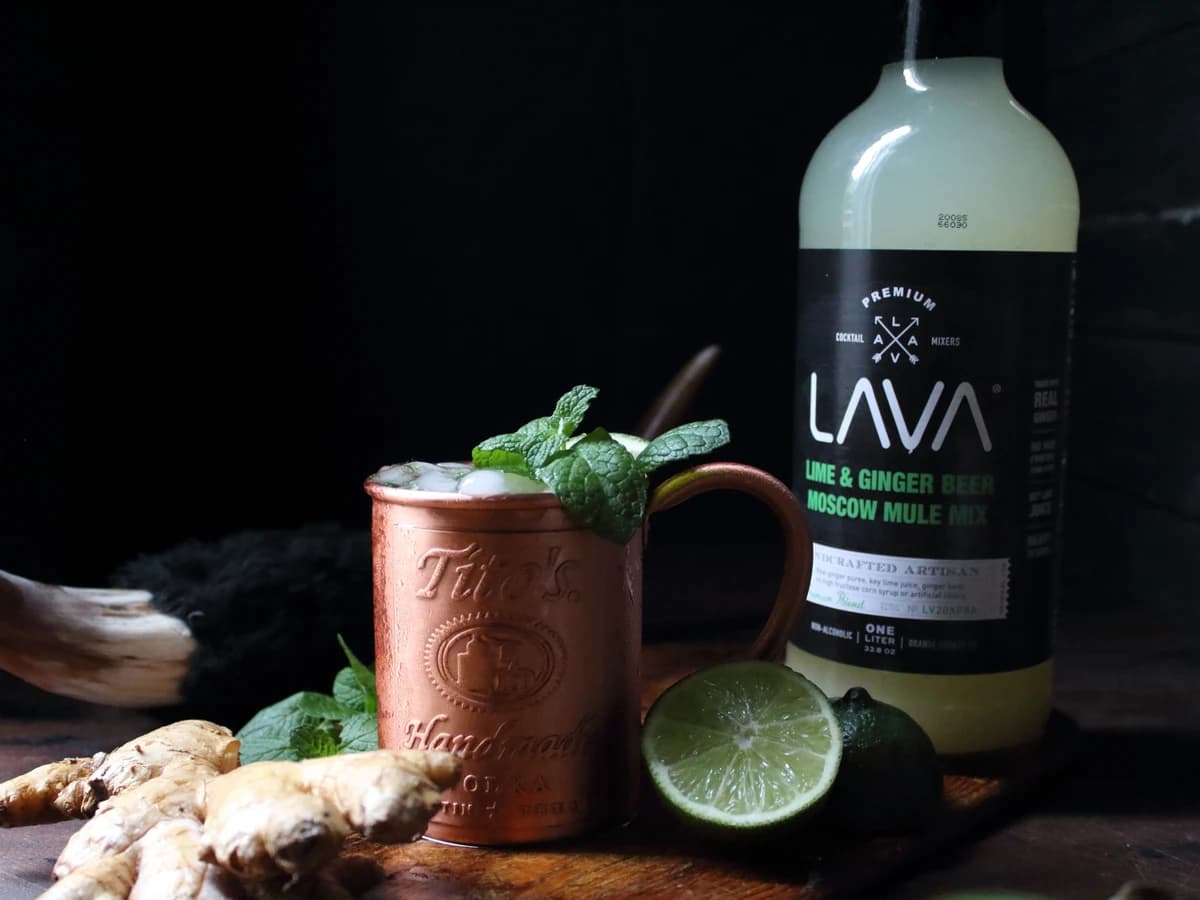
Copper mug
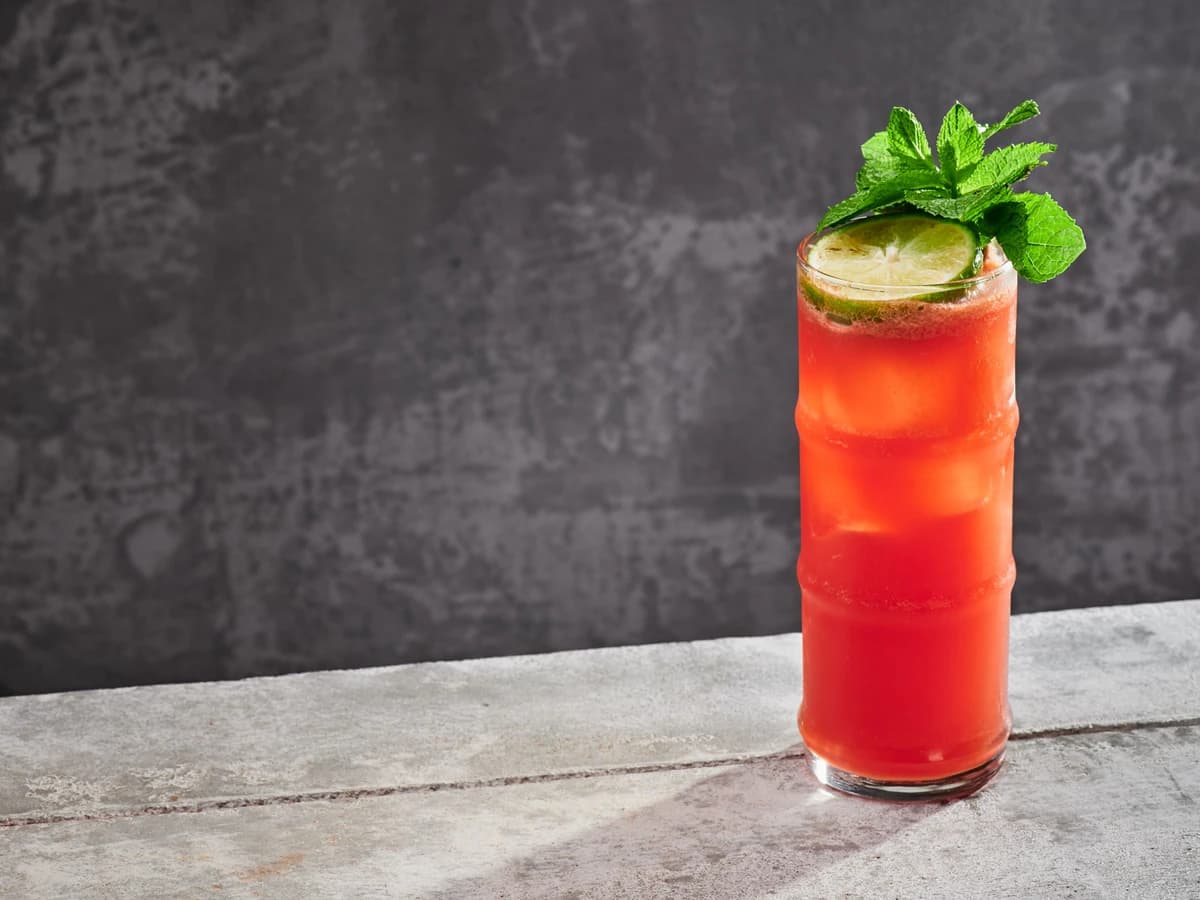
Cold in the hand. Copper conducts heat quickly so the vessel itself frosts — a real sensory difference, though the drink inside is no colder than it would be in a highball.
No copper mug? A highball glass. The drink is identical; you lose the cold-metal sensation and nothing else.
4 recipes lead with it.
Collins glass
A taller, narrower highball. The extra height suits a drink that is topped with soda after building, giving the bubbles further to travel before they reach the surface.
No collins glass? Any tall glass works fine.
5 recipes lead with it.
Worth knowing, not worth buying yet
These come up in cocktail writing often enough to be worth recognising, but too few drinks here call for them to justify space in a home cupboard.
Nick & Nora glass
A small stemmed bowl that holds a properly-sized cocktail and nothing more. The best glass for anything served up, and the one to buy if you are buying once.
Margarita glass
A stepped bowl with a wide rim for salt. Little functional advantage over a coupe, and the wide surface warms the drink faster.
Julep cup
Metal, so it frosts. A julep is packed with crushed ice and the frost on the outside is the traditional signal that it is ready to drink.
Punch cup
Small, handled, and stackable. Punch is served in small measures from a bowl over a long evening, not poured as a single drink.
Goblet
A heavy stemmed bowl for cobblers and long wine-based serves. Largely historical now.
The pairs people mix up
- Coupe or Nick & Nora?
- Both serve a drink up. The Nick & Nora is smaller and deeper, which means less surface area warming the drink and far less spillage when you carry it. The coupe shows aroma better and looks more generous. If you make Martini-sized drinks, the Nick & Nora is the better glass; if you make sours with foam, the coupe gives it somewhere to sit.
- Highball or Collins?
- A Collins glass is taller and narrower than a highball, holding a similar volume in a thinner column. In practice they are interchangeable, and this site treats them as one glass — the difference matters to a bar buying hundreds, not to a drink.
- Flute or wine glass for sparkling?
- The flute keeps bubbles longer; the wine glass shows aroma better. For a sparkling cocktail with something aromatic in it — elderflower, citrus, a liqueur — the wine glass usually gives you more of the drink. For plain fizz, the flute is doing the job it was designed for.
- Martini glass or coupe?
- The same drink, and most bars now pour into a coupe. The martini glass's sloping sides spill at the slightest knock and its wide mouth warms the drink faster. Keep one if you like the look; buy a coupe if you want the drink to stay cold.