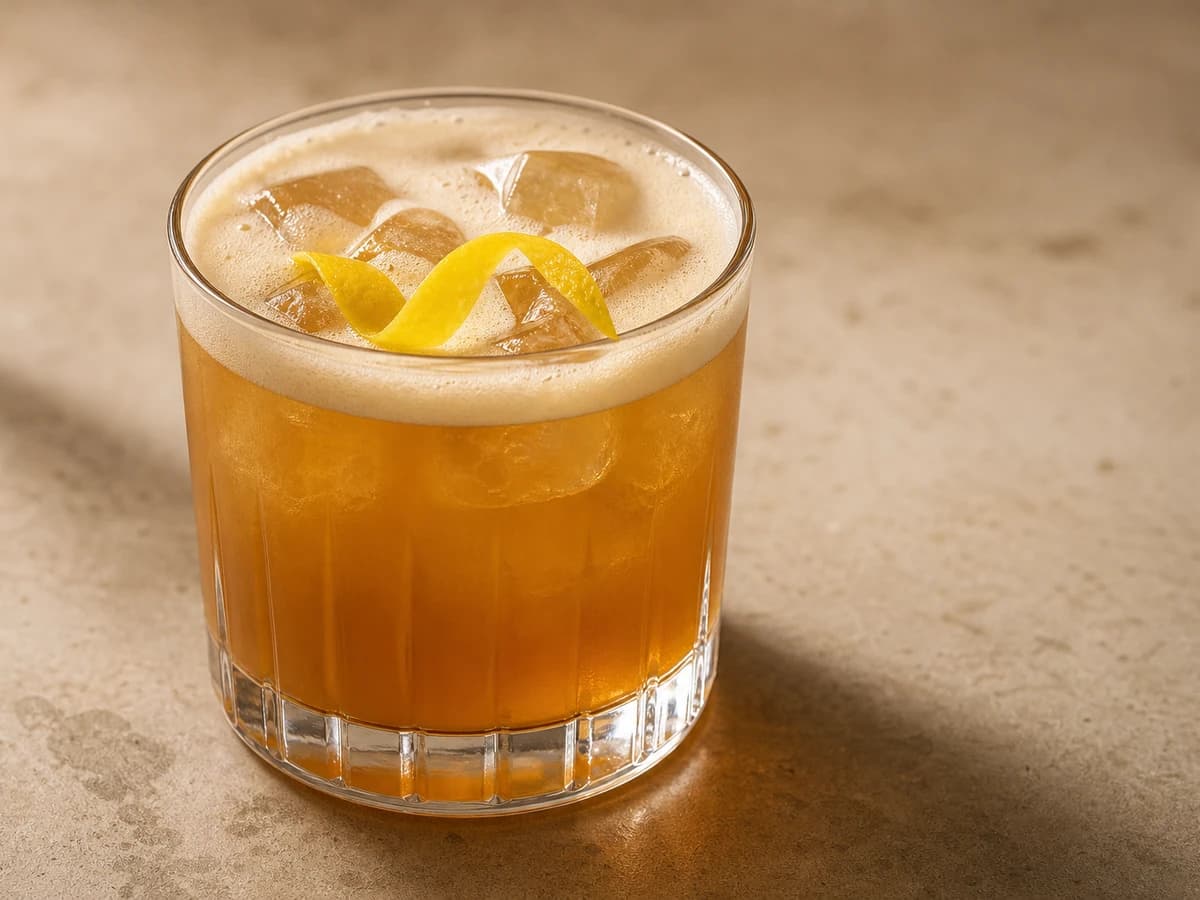
Alcohol-Free Whiskey Sour
Strong black tea and alcohol-free spirit with lemon, sugar and a proper aquafaba foam — a sour with real structure.
- Difficulty
- medium
- Prep time
- 8 min
- Strength
- Alcohol-free
- Glassware
- Rocks glass
- Base
- alcohol free
- Serves
- 1
Related drinks
One thing worth checking on the label
This recipe is built on a product that is not always completely alcohol-free. For most people that makes no difference; if you are avoiding alcohol entirely, it is worth reading the bottle rather than the category name.
- Alcohol-free spirit — Labelling varies by market: in the UK “alcohol-free” is typically 0.05% ABV or below, while a product sold as “de-alcoholised” can be considerably higher.
Soda water and tonic water contain no alcohol at all, so where it matters they are always a safe substitution — see the swaps above for what that does to the drink.
More on alcohol-free products and what varies between them →Ingredients
- Strong cold black tea60ml
Brewed at double strength and cooled — this is what replaces the whisky's grip
- Alcohol-free spiritoptional25ml
For aroma; the drink works without it but is flatter
- Fresh lemon juice25ml
- Simple syrup20ml
- Aquafaba15ml
The brine from a tin of chickpeas
- Angostura bittersoptional2ml
Contains a trace of alcohol — leave out for a completely alcohol-free drink
Garnish: Lemon twist
Method
- Brew the tea at double the usual strength and let it cool completely. Warm tea will not work here.
- Dry-shake: put the tea, alcohol-free spirit, lemon juice, syrup and aquafaba in a shaker with no ice and shake hard for 15 seconds to build the foam.
- Add ice and shake again for 10 seconds to chill and dilute.
- Double-strain into a rocks glass over fresh ice, or into a chilled coupe for a neater foam.
- If you are using bitters, drop them onto the foam and draw a cocktail stick through them.
Equipment
Don't have everything? Here's what works instead.
Cocktail shaker
Household swap: A clean jar with a tight-fitting lid — hold the lid down hard during the dry shake
Fine strainer
Household swap: A tea strainer held over the glass
Missing an ingredient?
Each swap below says what it changes and how to correct for it, so you can decide whether you are making this drink or a neighbouring one.
Instead of Aquafaba
Best substitute: Egg White
This is the foaming agent in this drink.
Quantity: Use one egg white in place of the 15ml of aquafaba
Flavour impact: Egg white gives a slightly richer, denser foam. Aquafaba is used here because it keeps the drink vegan and, unlike egg, is something you already have if you own a tin of chickpeas.
What changes
Egg White sits close enough to Aquafaba that the drink stays recognisably itself.
- Character
- Both are neutral and foamy, and you lose faintly beany, and you gain silky. Numbers can't see this: two ingredients can be identically sour and still smell nothing alike.
High confidenceBoth are standard foaming agents in sours and behave almost identically.Close swapInstead of Iced Tea
Nothing else in a normal kitchen supplies tannin the way strong black tea does, and tannin is the whole reason this drink works. Fruit juice makes it sweeter, not drier. If you have no tea, a small amount of very strong cold coffee gets you bitterness but not astringency, and takes the drink somewhere different.
Want to change something these swaps do not cover — too sweet, too thin, a herb you dislike? How to adjust any mocktail works by what each component does rather than by ingredient name.
Make it better
- The dry shake first, then the wet shake. Doing it the other way round gives you a thin foam that collapses within a minute.
- Brew the tea strong and cool it fast — over a jug of ice, if you are in a hurry. Tea brewed weak leaves the drink tasting like lemon squash.
- Assam or a strong English breakfast has the tannin this needs. Earl Grey works but brings bergamot, which changes the drink into something else.
- Angostura contains a small amount of alcohol. It is a trace in a dash, but leave it out if the drink needs to be genuinely alcohol-free.
- Use freshly squeezed citrus juice rather than bottled — the aromatic oils fade fast once juiced, so squeeze just before making the drink.
- Express the citrus peel by pinching it, skin-side down, over the drink before dropping it in — this releases aromatic oils across the surface.
- Adjust sweetness gradually and taste as you go — it's easy to add more syrup, impossible to take it out.
Rescue this drink
- Tastes like lemon squash
- The tea is too weak. Brew it at double strength — it should taste unpleasantly strong on its own.
- The foam collapses immediately
- You skipped the dry shake, or you did not shake long enough. Fifteen seconds with no ice, and it should feel like hard work.
- Tastes bitter and drying rather than balanced
- The tea has over-brewed. Take the leaves out after four minutes; leaving them in extracts harsh tannin rather than the pleasant kind.
- Too sour
- Push the syrup to 25ml. Without alcohol's sweetness there is less to balance the lemon, so a no-alcohol sour usually needs slightly more sugar than its alcoholic version.
- You cannot smell itgeneral guidance
- Most of a drink's aroma is on top of it, not in it. Squeeze the peel skin-side-down over the surface before dropping it in — the oil should visibly spray. A twist placed in the glass without being expressed contributes almost nothing. Aroma also fades fastest of anything in a drink, so garnish at the moment of serving rather than in advance.
- Too sweetgeneral guidance
- Add a small amount of fresh citrus juice or a dash of bitters to bring the balance back — adjust gradually and taste as you go.
- Over-diluted (tastes watery)general guidance
- Likely shaken too long, or with too much ice surface area. For one serving there's no fixing it after the fact — rebuild with fewer, larger ice cubes and a shorter shake. Planning a batch? Shorten the ice-contact time across the whole round, not just this glass.
- Under-diluted (tastes harsh or too concentrated)general guidance
- For one serving, stir in a few drops of chilled water to open it up. For a batch, extend the shake time slightly on the next round.
- No cocktail shakergeneral guidance
- A clean jar with a tight-fitting lid — hold the lid down hard during the dry shake
- Missing the garnishgeneral guidance
- No lemon twist? A few drops of bitters drawn across the foam (Only if you are including bitters at all — see the note on the ingredient.)
Make ahead & storage
Make to order
Make this one to order — the foam has to be shaken fresh. You can still measure and group the ingredients in advance, which is most of the work.
- Fresh lemon juice:
- Fresh citrus loses its aroma within hours and turns dull. Squeeze it on the day.
- Aquafaba:
- The foam is built by the shake and cannot be made in advance.
What it tastes like
The taste, and what drives it
sweet, very sharp, medium — a sour-structured drink served over ice.
Sweet
Dry → Sweet
Openly sweet, and balanced by something else rather than hidden.
What drives it: Simple syrup — carries the most sugar into the glass.
Very sharp
Soft → Sharp
Bracingly sour — the first sip is meant to wake you up.
What drives it: Fresh lemon juice — supplies the acidity.
Gently bitter
Gentle → Bitter
Bitterness as structure — it stops the drink tasting like squash without being the point.
What drives it: Strong cold black tea — provides the bitterness.
Medium
Light → Rich
Medium weight: enough texture to feel like a made drink, not enough to fill you up.
What drives it: Aquafaba — adds most of the weight. Worked out partly from ingredient category rather than from recorded detail.
Delicate
Delicate → Bold
Delicate. Rewards attention rather than demanding it.
What drives it: Strong cold black tea — is the most concentrated thing in the glass.
What you smell first
- Citrus peelLeadsBefore the first sip
From Fresh lemon juice, Lemon twist
- Tea
From Strong cold black tea
Aromas marked as sitting above the drink reach you before the first sip — skipping that garnish changes the drink more than its size suggests.
How it was worked out
Each reading comes from the recipe's own recorded taste scores combined with what each ingredient contributes, weighted by how much of it is in the glass. Almost everything in this drink has detailed ingredient data behind it.
How balance actually works →If it isn't right
What goes wrong with this drink, and why
Only the faults this particular recipe is actually prone to — each with the likely cause, the adjustment, and what the adjustment costs you.
It's too sweet
- Likely cause
- Simple syrup is carrying the sugar here, and it is the easiest thing in the drink to over-pour — syrup clings to a jigger and a "splash" is rarely the same twice.
- What to change
- Cut simple syrup by about a third and rebuild. If it is already made, a squeeze of citrus is faster than starting again.
- What that does
- The drink will read sharper as well as less sweet, because the acid stops being balanced. That is usually the intention, but it is a bigger change than it sounds.
It's too sour
- Likely cause
- Fresh lemon juice varies more than any other ingredient in the drink. Limes differ by weeks of ripeness, and a sharp one can be half again as acidic as a mild one at the same measure.
- What to change
- Add sweetener a few millilitres at a time rather than diluting — you are correcting a ratio, not a concentration.
- What that does
- Sourness recedes and the drink gains a little weight. Overshoot and you will be reading the too-sweet entry above instead.
It's too bitter
- Likely cause
- Strong cold black tea is doing this deliberately, but bitterness also *builds* across a drink rather than announcing itself — the last mouthful is more bitter than the first even though nothing changed.
- What to change
- Lengthen it slightly, or add a small amount of sweetener. Do not add more of anything sour; acid sharpens bitterness rather than covering it.
- What that does
- The bitterness softens and the drink gets longer. If you were hoping to keep it short and strong, this is the trade you are making.
It tastes weak
- Likely cause
- With no alcohol to carry flavour and no heat to cut through, an alcohol-free drink has to work harder for the same presence — thinness here is almost never a measuring error.
- What to change
- Add acidity or bitterness rather than more fruit. Sweetness is what is usually already too high in a thin mocktail.
- What that does
- The drink gains definition without gaining sugar. It will also read as slightly sharper, which is what 'more presence' usually means in practice.
It's watery
- Likely cause
- Shaking adds water while it chills, and the two cannot be separated. Wet ice from a freezer door, or small cubes, will over-dilute before the drink is properly cold.
- What to change
- Use bigger, drier, colder ice and stop sooner. Chilling the glass first buys you time you would otherwise spend diluting.
- What that does
- More flavour concentration at the same temperature. Under-dilute instead and the drink will taste harsh — this is a target, not a direction.
It doesn't smell of anything
- Likely cause
- The aroma you are missing is probably citrus peel, which sits above the drink rather than in it — skipping or under-expressing the garnish removes it entirely.
- What to change
- Express the peel over the surface with the skin facing the drink, then drop it in. Herbs go in the glass, not on the side.
- What that does
- Aroma arrives before flavour does, so the whole drink reads as more intense without a single measure changing. The oil does land in the drink, though — an over-expressed peel adds a faint bitterness to the first mouthful.
It tastes one-dimensional
- Likely cause
- With 4 components there is nowhere for complexity to hide — a sour-structured drink is exposed by design, so a dull one is usually a dull ingredient rather than a missing step.
- What to change
- Change the quality of what is there before adding anything new: fresh citrus rather than bottled, a better base bottle, a dash of bitters. Bitters add layers at a scale nothing else matches.
- What that does
- More going on at the same strength and sweetness. Adding a whole extra ingredient instead usually produces a muddier drink rather than a deeper one.
Taste profile
- Sweetness
- 3/5
- Sourness
- 4/5
- Bitterness
- 2/5
- Strength
- 0/5
- Fruitiness
- 1/5
- Freshness
- 3/5
- Creaminess
- 2/5
- Smokiness
- 0/5
Nutrition & alcohol
Estimate onlyAlmost all the calories are the syrup; tea and lemon contribute very little.- Calories
- 95 kcal
- Sugar
- 20 g
- Carbohydrates
- 21 g
- Alcohol units (UK)
- 0
- US standard drinks
- 0
- ABV
- 0%
- Serving size
- 120 ml
Show calculation assumptions
Source: Calculated from standard measures
Calorie breakdown: ~0 kcal from alcohol, ~95 kcal from sugar and mixers.
Likely range: 71–119 kcal, reflecting the confidence level above — not a lab-measured figure.
Assumes 1:1 simple syrup and an alcohol-free spirit with negligible sugar. Excludes bitters, which are optional.
These figures are estimates, not laboratory measurements — individual tolerance to alcohol varies. See our responsible drinking guidance.
Variations
Without the alcohol-free spirit
Tea, lemon, sugar and aquafaba alone. Less aromatic, still a proper sour, and costs nothing beyond a teabag.
Smoky version
Lapsang souchong in place of the black tea, which supplies the smoke a peated whisky would.
What kind of drink this is
The structure behind the recipe
A shaken build: a sour-structured alcohol-free drink, served over ice — foamed in the mouth.
Sour-structured
Something sour and something sweet held in balance over a base — the structure behind the whole sour family and everything descended from it.
Base
Strong cold black tea
Modifier
Alcohol-free spirit (optional)
Sour element
Fresh lemon juice
Sweet element
Simple syrup
Foaming agent
Aquafaba
Aromatic
Angostura bitters (optional)
Drinks built this way are collected as the Sour family.
Technique
shaken
Ice is thrown against the liquid and against itself, chipping fragments off and driving air through the mix. Chilling, dilution and aeration all happen at once and cannot be separated.
A lighter, briefly frothy body and a cloudy appearance that settles as it stands. The aeration blunts alcoholic heat, which is why a shaken drink tastes softer than a stirred one of the same strength.
What it ruins: Clarity, and any carbonation. A shaken spirits-only drink arrives cloudy with ice shards floating in it, and shaking anything fizzy is the one rule with no exceptions.
Everything about shaking →How the technique works →Dilution
During mixing, then strained
Water from ice typically makes up around 30% of the finished drink for a shaken build (commonly 25–35%). Dilution is an ingredient here, not a side effect.
Why dilution is an ingredient →Served
Over ice
Rocks glass · 120ml
Served on ice, so it keeps chilling in the glass. A larger, colder, slower drink than the same spirits served straight up.
Texture and aroma
A foaming agent builds a dense head that softens the first sip and carries aroma up to the nose.
Aroma arrives before flavour does. A citrus twist is expressed over the surface so its oils sit on top of the drink — skipping it changes the drink more than its size suggests.
Where to go from here
Each of these is here because of something specific about this drink, not as a standard set of links.
Drinking this with food: rich, fried and fatty food
On its recorded taste scores this drink meets the test for rich, fried and fatty food — the page explains the principle behind it rather than simply asserting the pairing.
Making alcohol-free drinks that stand up
Alcohol does structural work in a drink, and this one has to do those jobs another way. The alcohol-free path works through how.
Where it comes from
Origin and family
Origin of the Alcohol-Free Whiskey Sour
A contemporary alcohol-free adaptation rather than a historical recipe, and presented as such. The use of strong tea to supply tannin in zero-proof drinks is well established in modern alcohol-free bartending.
Built from the standard whiskey sour ratio, with tea substituted for the spirit's structural role and the sweetness raised slightly to compensate for the missing alcohol.
Family
Sour2 parts spirit · 1 part citrus · 1 part sweetener — shaken, strained, served up or over ice.
On drinks history
Cocktail origin stories are frequently repeated and rarely evidenced. Our history section separates what is documented from what is folklore rather than picking whichever version reads best.
History and culture →Try this next
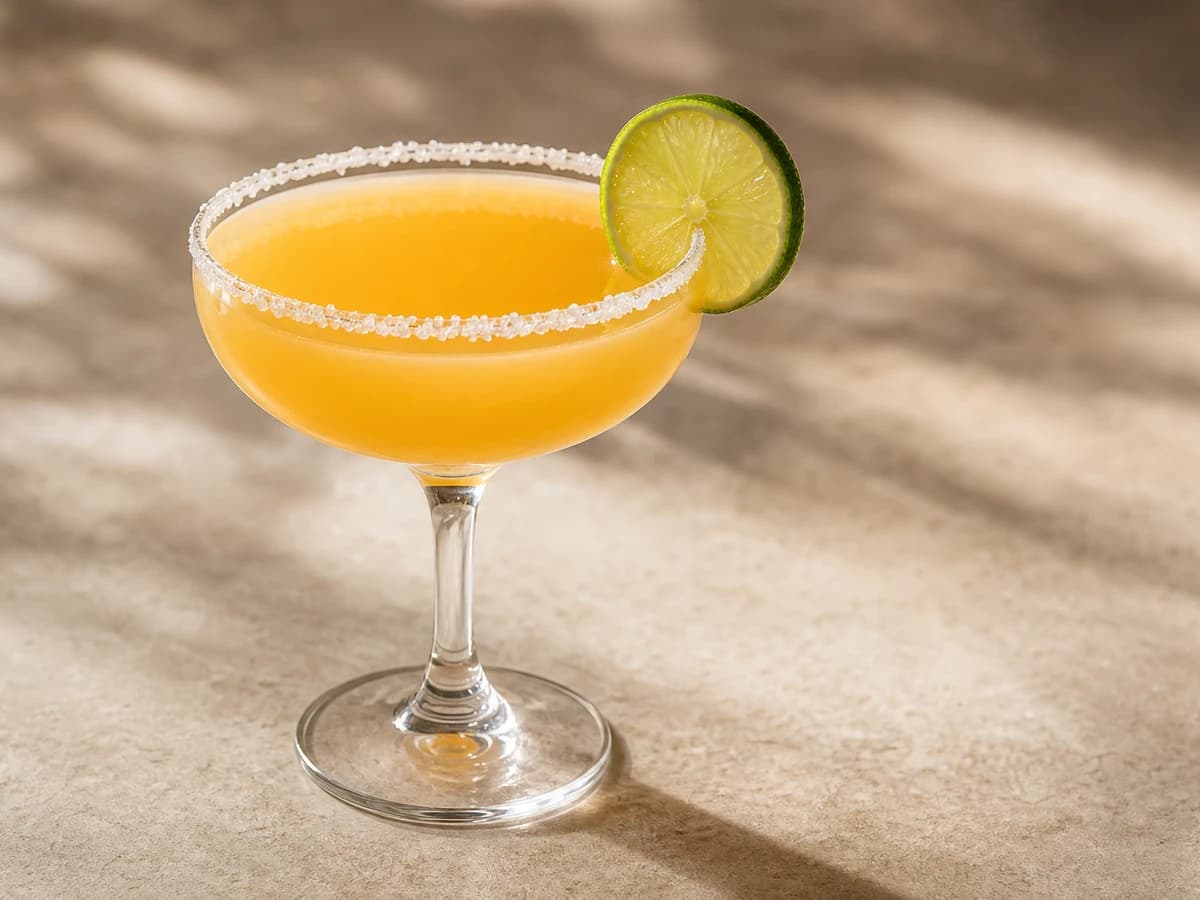
Alcohol-Free Margarita
You may like this because it's part of the same sour family as the Alcohol-Free Whiskey Sour.
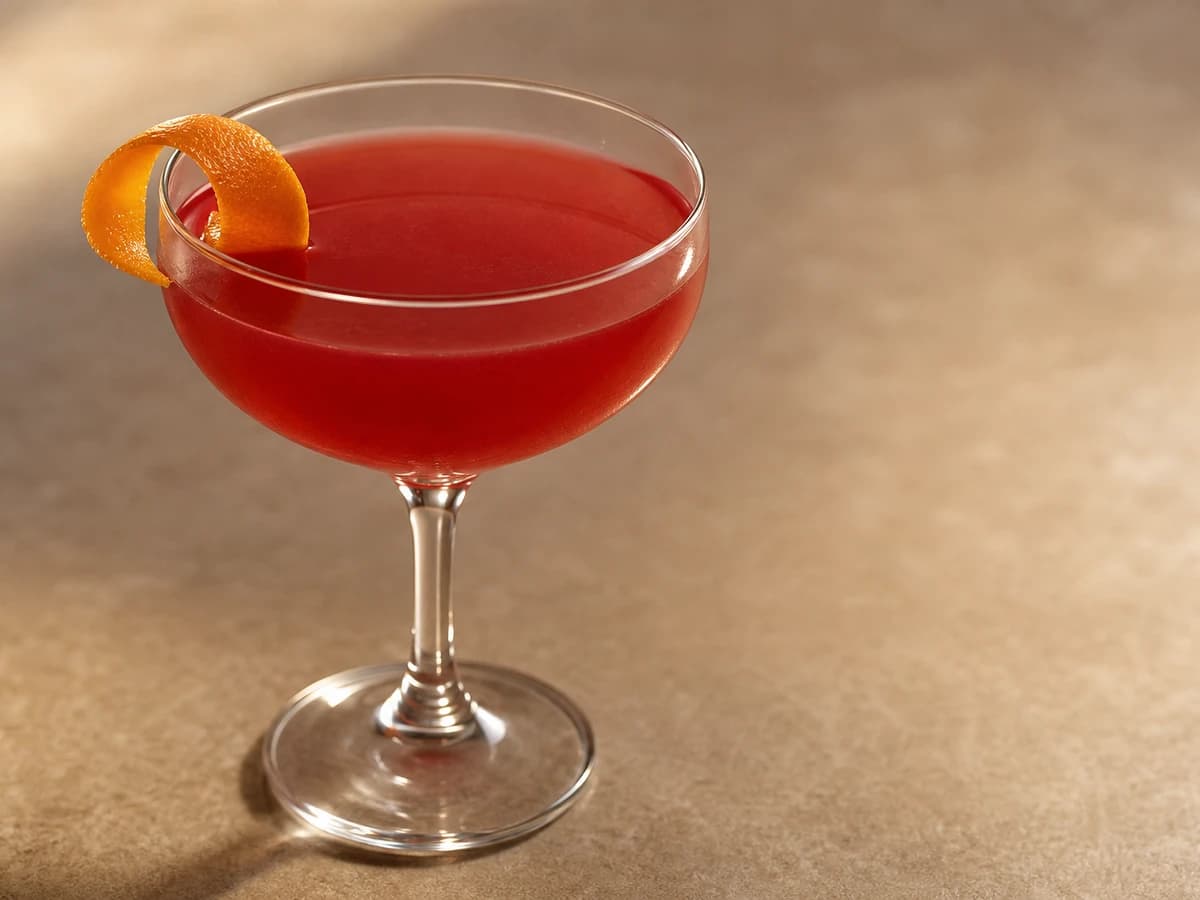
Alcohol-Free Cosmopolitan
You may like this because it's part of the same sour family as the Alcohol-Free Whiskey Sour.
- Lime Rickey
Lime Rickey
You may like this because it shares a refreshing taste profile with the Alcohol-Free Whiskey Sour.
Questions people ask
- Why tea rather than a fruit juice?
- Because the thing missing from an alcohol-free sour is not flavour, it is grip. Alcohol dries the palate and gives a sour its edge; without it you get sweet lemonade with foam on top. Tannin from strong black tea does the same drying job, which is why this tastes like a sour rather than like squash.
- How strong should the tea be?
- Roughly double what you would drink. It should taste unpleasantly strong on its own — by the time it is a quarter of a drink with lemon and sugar in it, anything weaker disappears entirely.
- Do I need the alcohol-free spirit?
- No. It adds aroma and a little more dryness, and the drink is noticeably better with it, but tea, lemon, sugar and aquafaba alone make a genuinely good sour for the price of a teabag.
- Is this completely alcohol-free?
- Only if you leave out the bitters. Angostura is around 44% alcohol, so a couple of dashes contribute a trace — negligible for most people, but not nothing, and the recipe marks them optional for exactly that reason.
- Why is there no foam on mine?
- The dry shake was too short or came second. Shake everything with no ice at all for a full fifteen seconds first, then add ice and shake again. Doing it the other way round gives a thin head that has gone before you sit down.
Use up your ingredients
Bought a bottle just for this? Here's what else it's good for.
Related tools
Scale this for a party
Work out bottles, mixers, ice and total alcohol units for any number of guests.
Recipe confidence
A well-tested approach, though tea strength varies enough between brews to need tasting.