Principles, applied
Cocktails and food: the principles, not a list of pairings
Nothing on this page is a pairing anyone asserted. Each section states a principle, then shows the drinks that measurably meet it.
The usual version of this page tells you a Margarita goes beautifully with ceviche and leaves you no way to work out whether it goes with anything else. The principles are more useful than the pairings, because you can apply them to whatever is actually on your table.
So each section below gives the principle first, then the measurable test that follows from it, then the drinks in this catalogue that meet the test. You are told exactly what was measured, which means you can disagree with a particular suggestion without having to distrust the page.
The drinks are selected from recorded taste scores — sweetness, sourness, bitterness, strength, freshness, creaminess and smokiness, each on a 0–5 scale. Taste scores do not capture aroma, so this will tell you when a drink won't fight your food and not whether a particular gin flatters a particular oyster.
25 drinks meet this
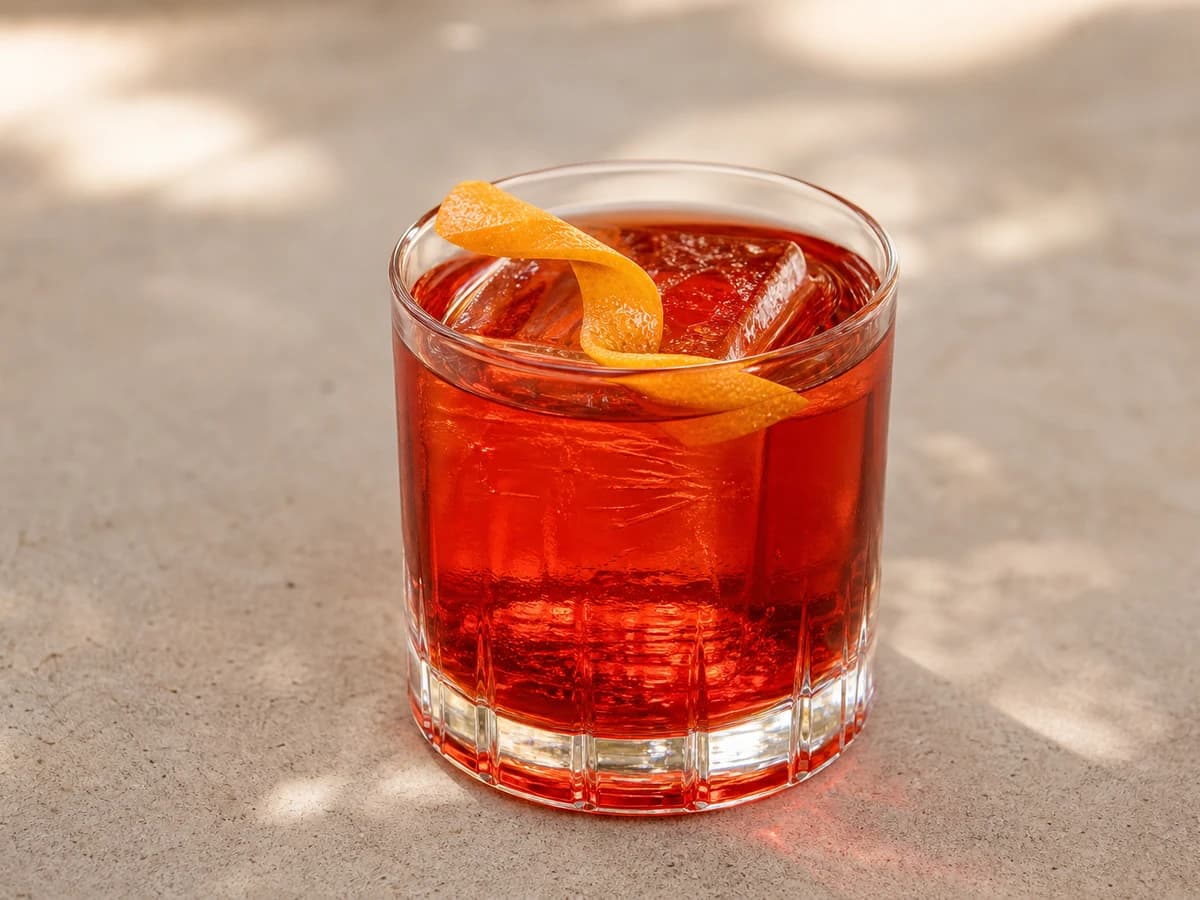
Before the meal
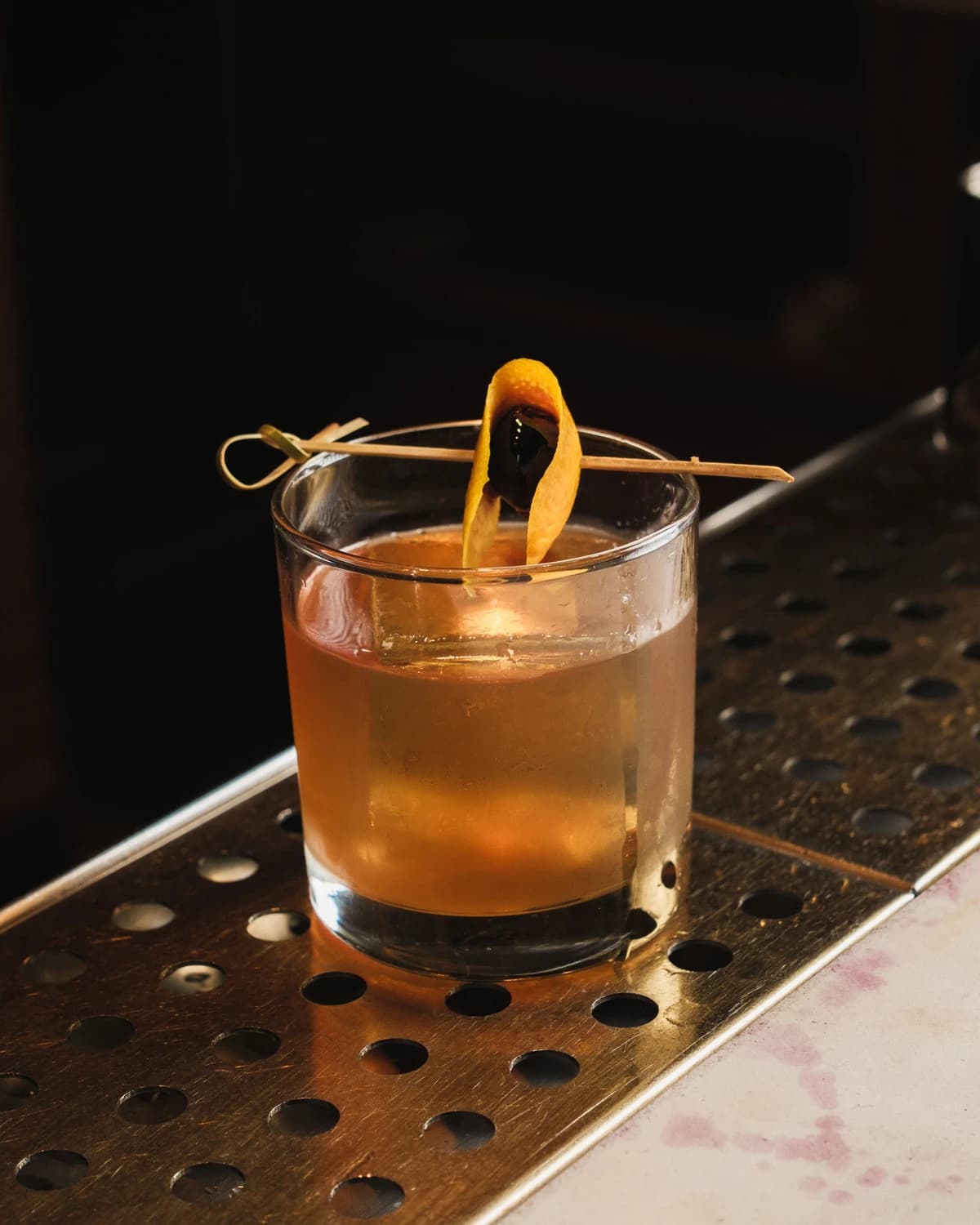
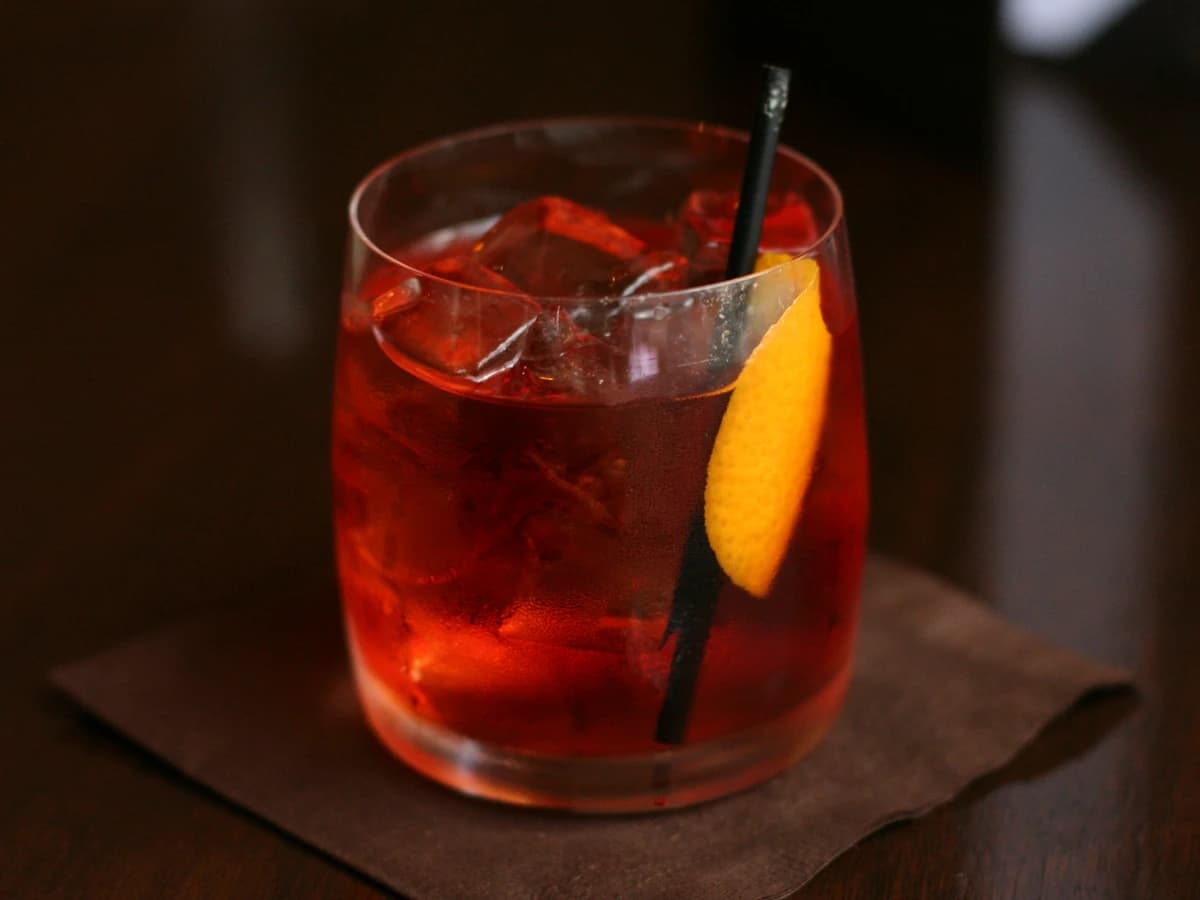
An aperitif is meant to sharpen appetite rather than satisfy it, which is why the traditional ones are bitter and dry. Sugar does the opposite: a sweet drink before food dulls the appetite it was supposed to open.
How these were chosen
Drinks recording bitterness of 3 or more out of 5 and sweetness of 2 or less.
Where the principle stops
Bitter-and-dry is the European convention rather than a rule of nature. It is well-established practice, not a physiological fact, and plenty of people prefer something else entirely before eating.
Alcohol-free options that meet the same test5
56 drinks meet this
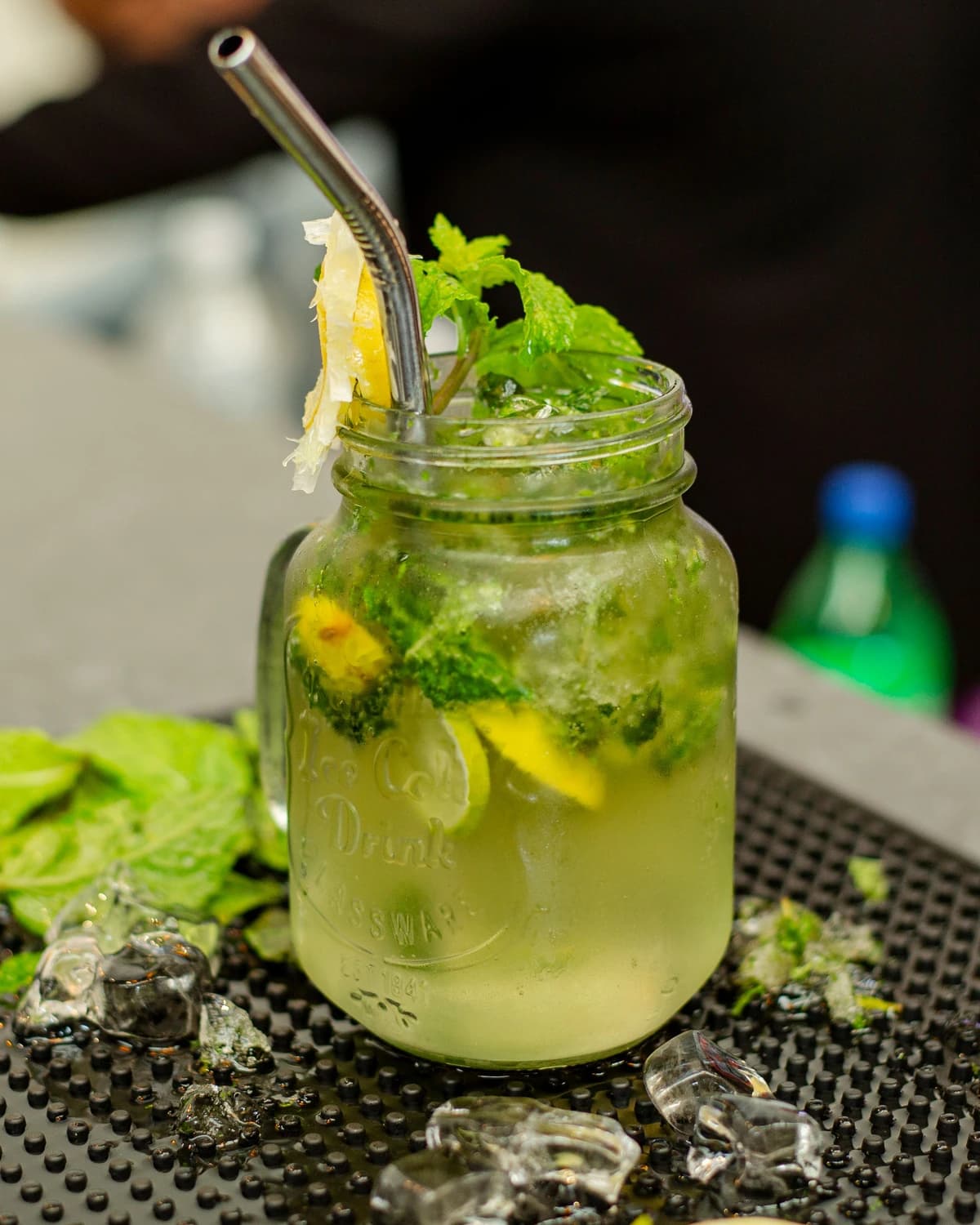
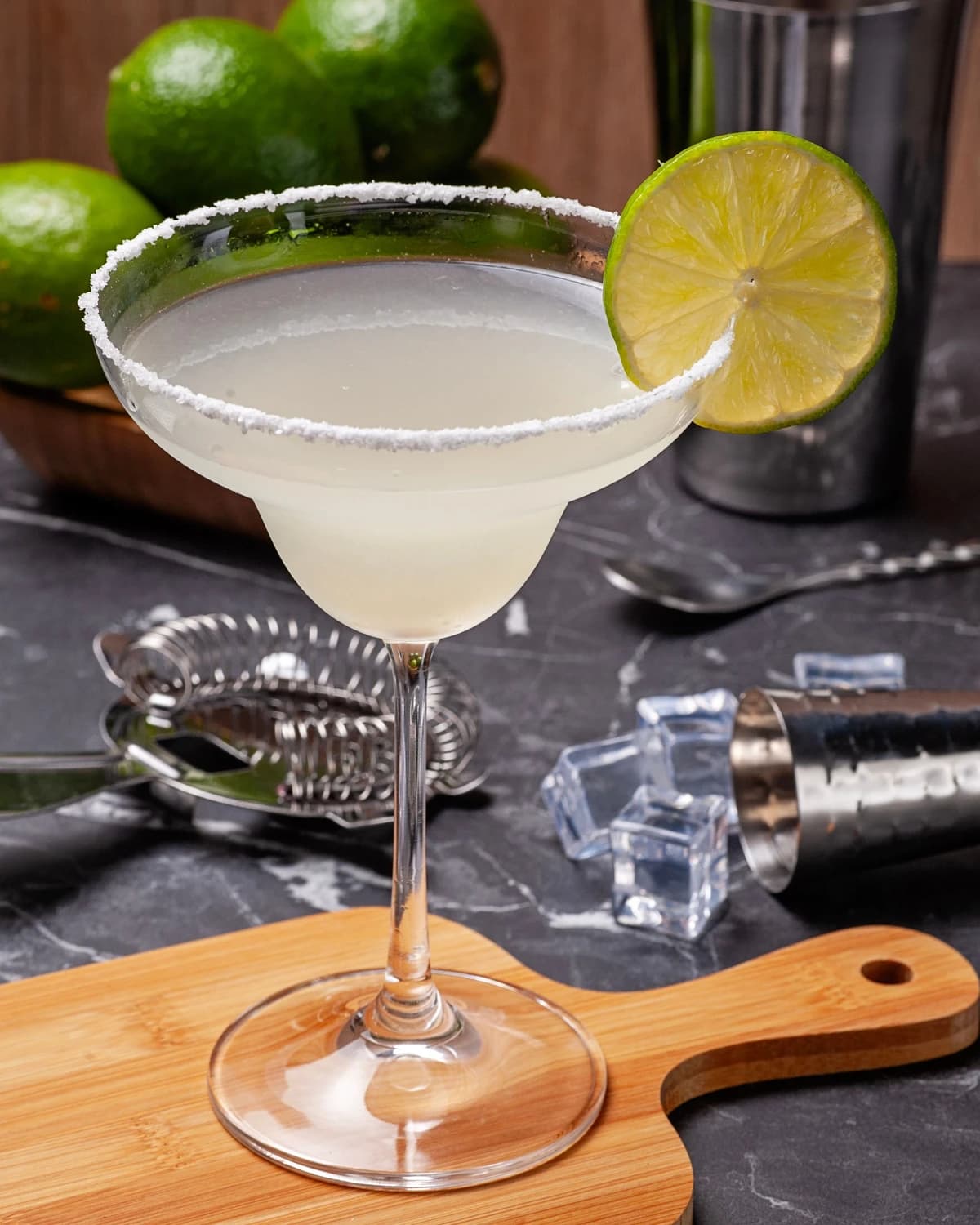
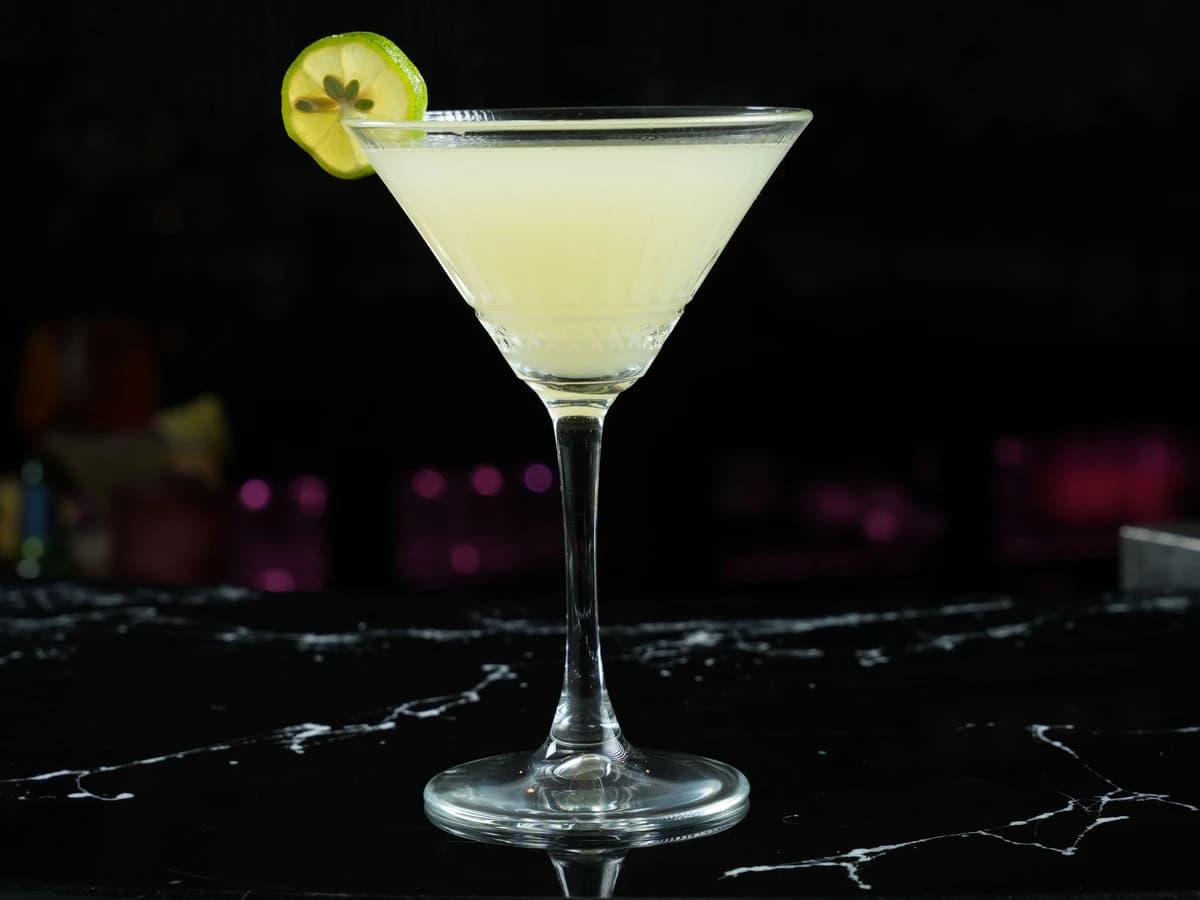
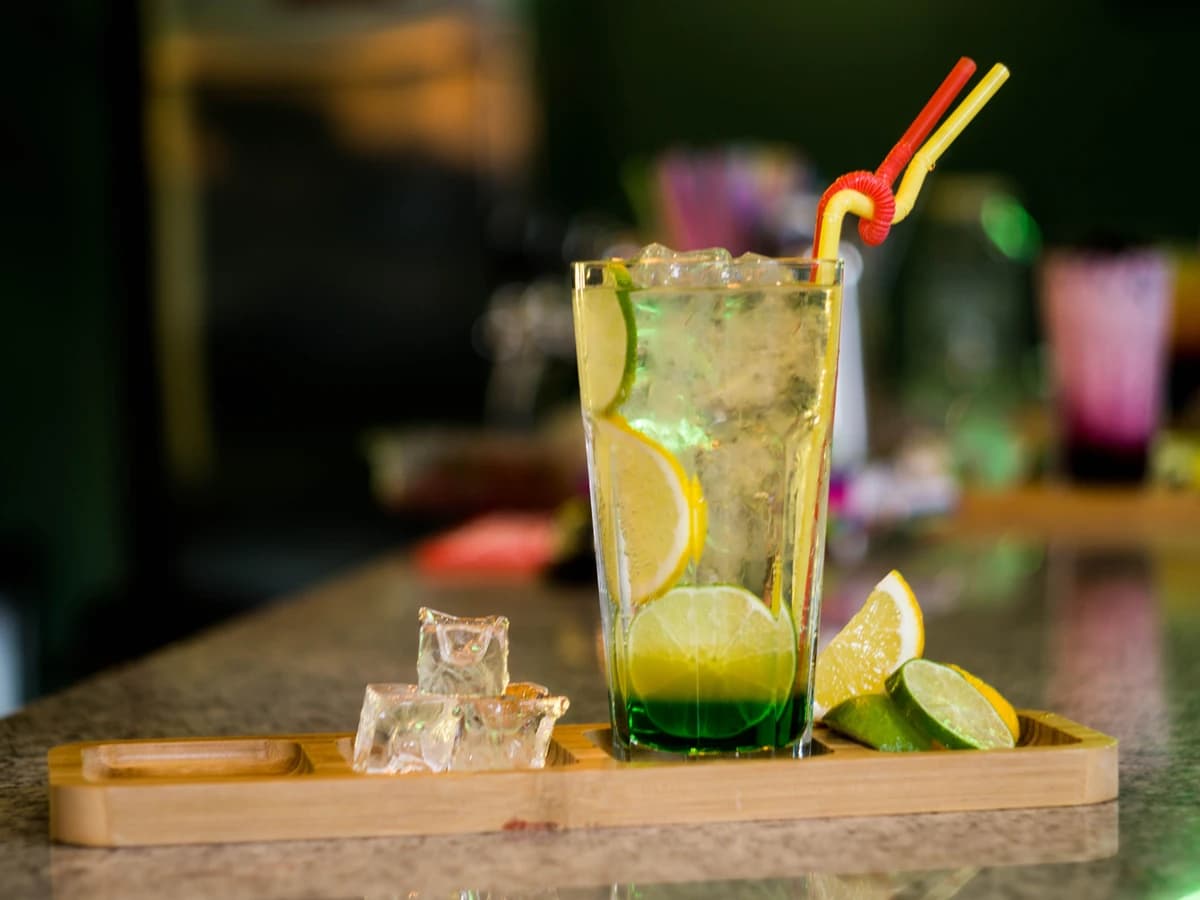
Seafood, oysters and anything raw
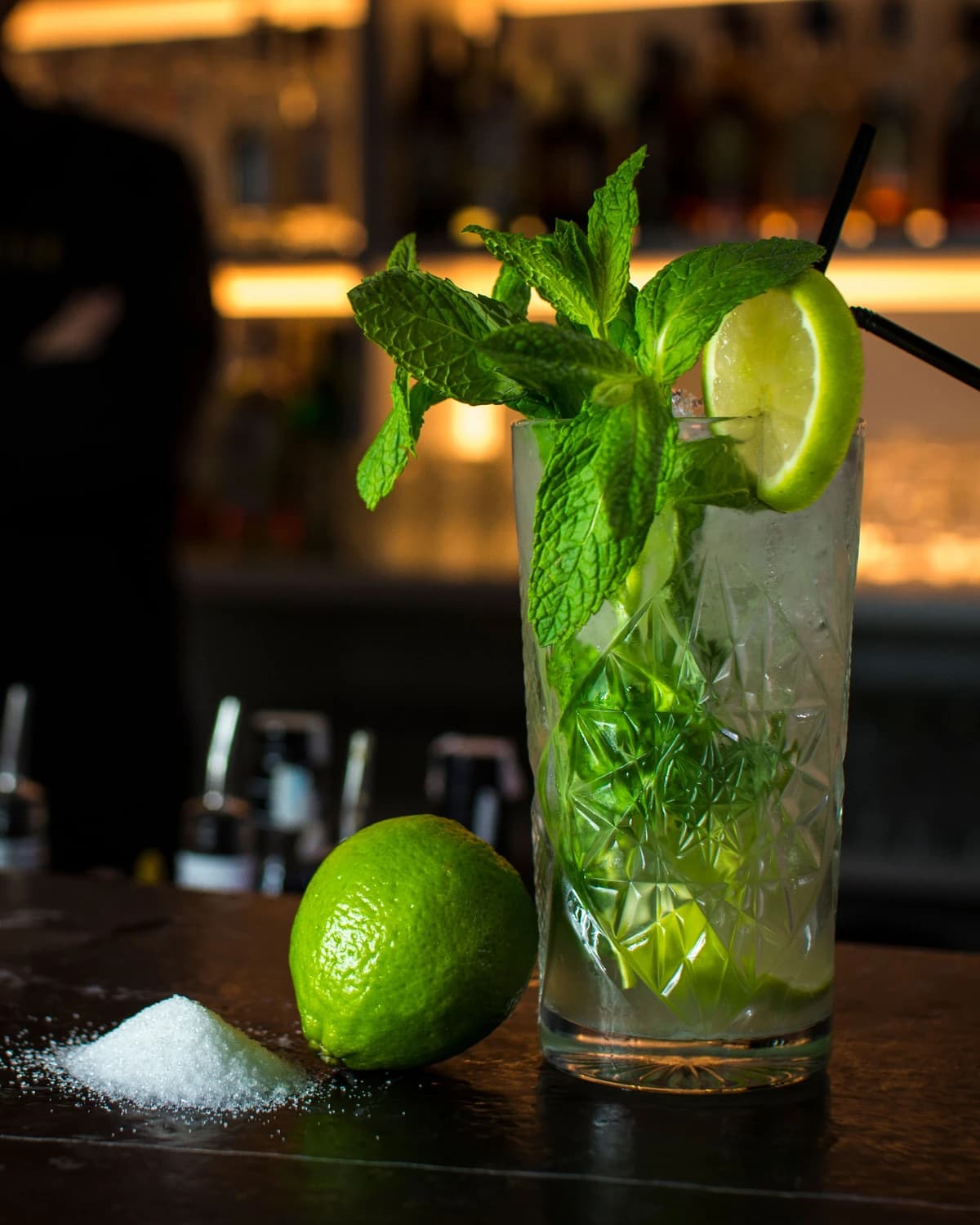
Acid does for seafood what a squeeze of lemon does: it lifts delicate flavours and cuts through the mineral, briny edge. Sweetness works against it, which is why an overly sweet drink makes fish taste muddy.
How these were chosen
Drinks recording sourness of 3 or more out of 5 and sweetness of 2.5 or less.
Where the principle stops
This is about the drink not fighting the food. It will not tell you whether a particular gin suits a particular oyster — that is a question of aroma, which taste scores do not capture.
Alcohol-free options that meet the same test13
46 drinks meet this
Rich, fried and fatty food
Fat coats the palate and dulls it. Acidity and carbonation both strip it back, which is why a sharp, cold, lively drink makes the second mouthful of something fried taste as good as the first.
How these were chosen
Drinks recording sourness of 3 or more and freshness of 3 or more out of 5.
Where the principle stops
Freshness here is a recorded taste attribute covering acidity, dilution and carbonation together, so a long drink and a short sharp one can both qualify while behaving quite differently at the table.
Alcohol-free options that meet the same test17
41 drinks meet this
Chilli heat
Capsaicin heat is not a flavour but a sensation, and alcohol does not put it out — it carries it further. What helps is cold, dilution and a little sugar, which is why lager and sweet lassi work and neat spirits do not.
How these were chosen
Drinks recording freshness of 3.5 or more and at least some sweetness (2 or more out of 5).
Where the principle stops
A strong drink will make the heat worse regardless of how refreshing it is. Where a drink on this list is also high in strength, it belongs at the mild end of the spice you are eating.
Alcohol-free options that meet the same test16
13 drinks meet this
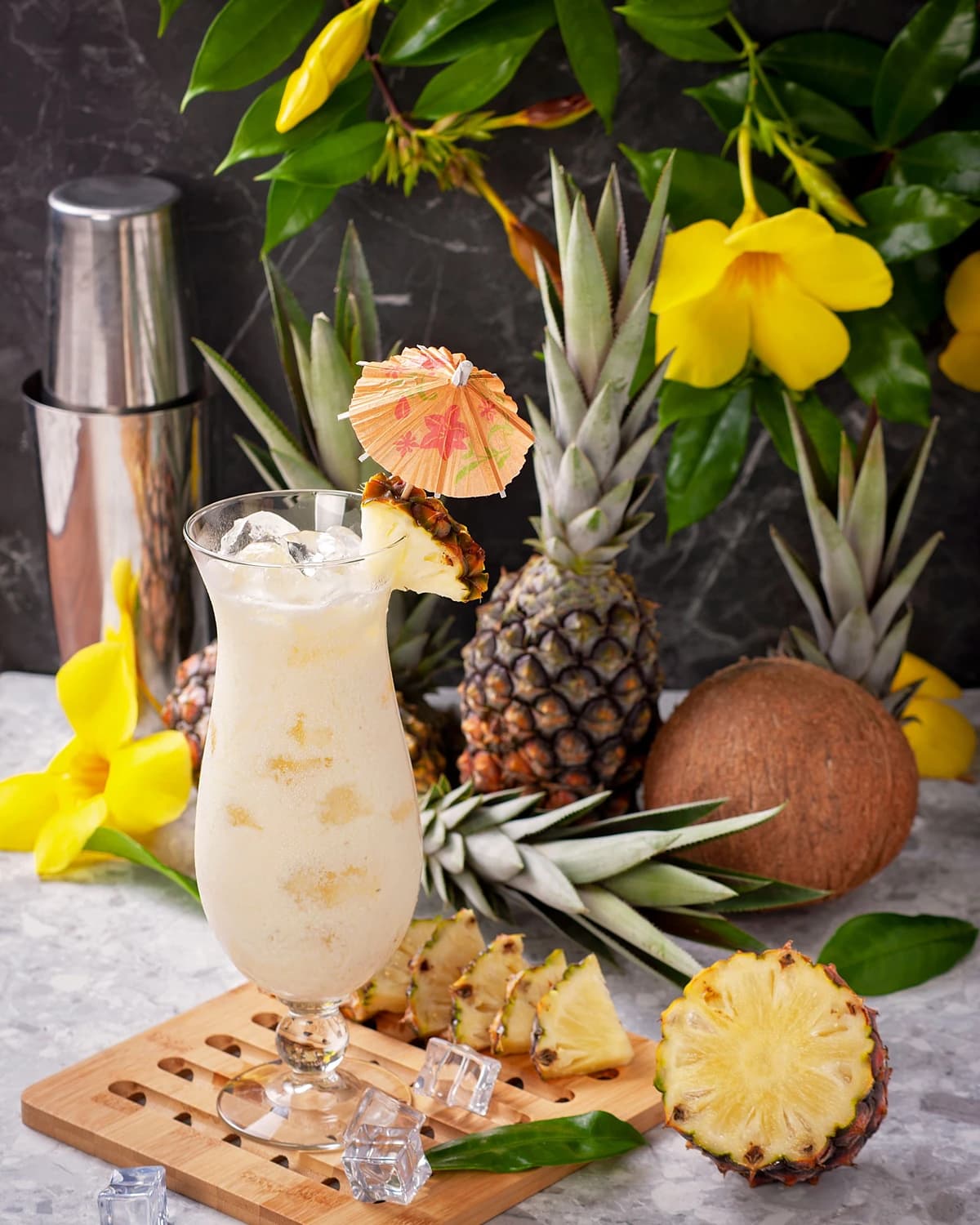
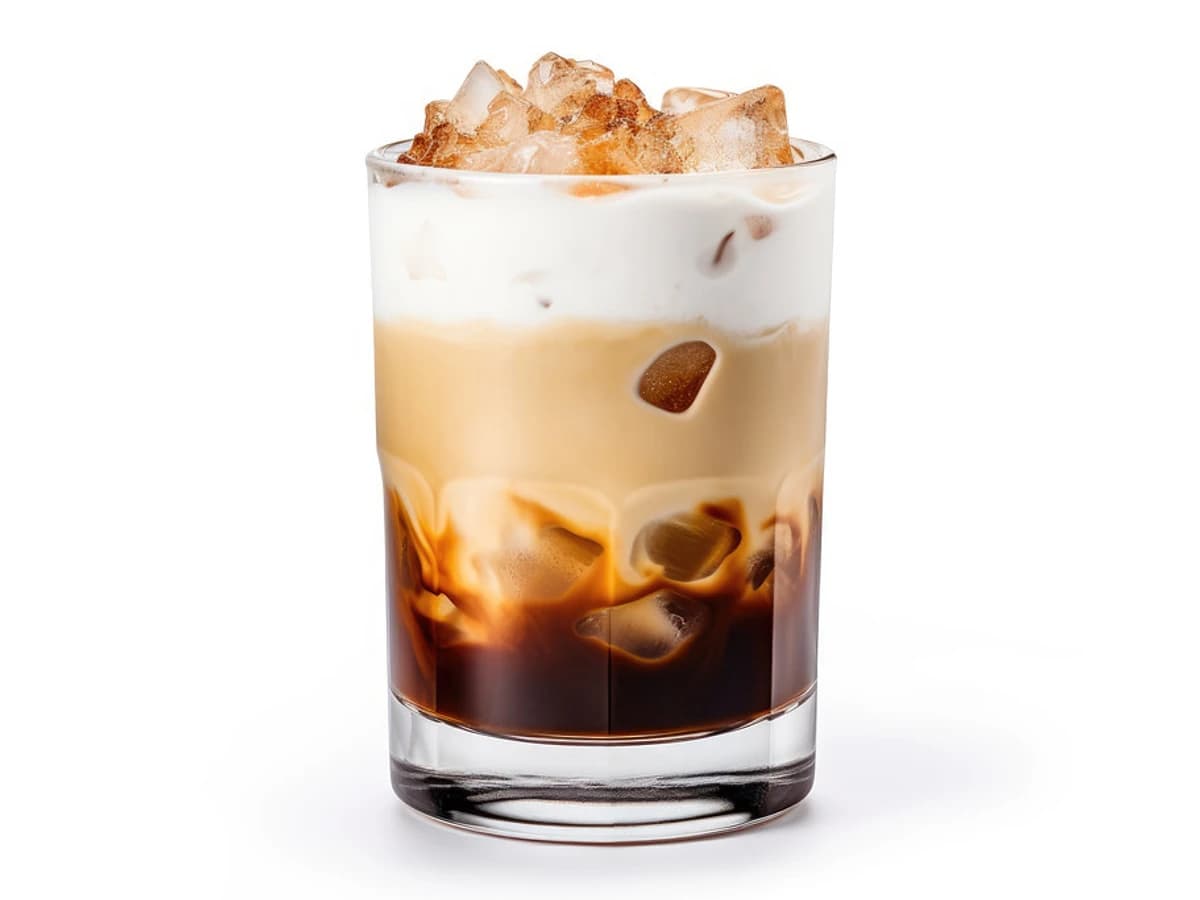
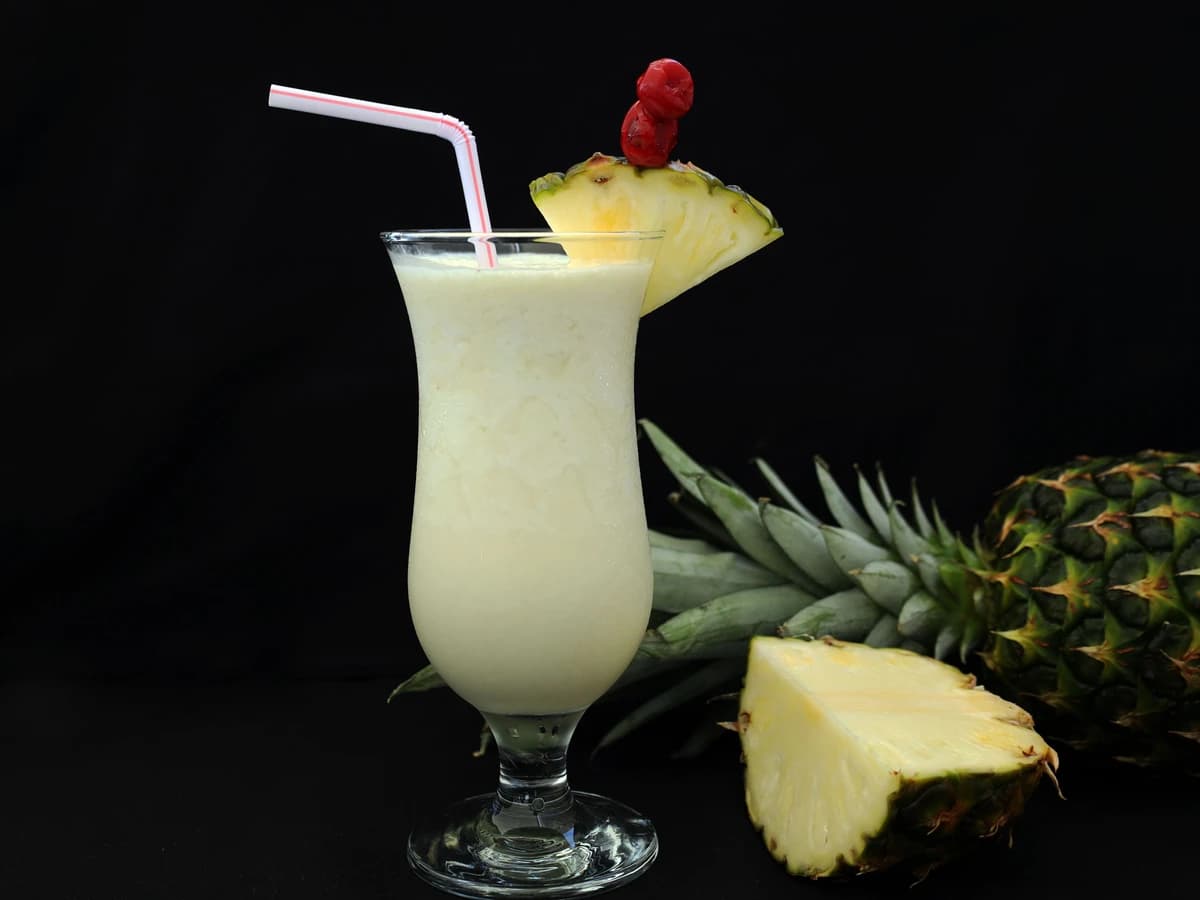
Pudding, and afterwards
A drink less sweet than the pudding it accompanies will taste sour and thin next to it. This is the pairing rule that most reliably goes wrong, and the fix is to match the sweetness or beat it.
How these were chosen
Drinks recording sweetness of 3.5 or more out of 5 and creaminess of 2 or more.
Where the principle stops
Matching sweetness is a floor, not a target. Two very sweet things together tire quickly, which is why the classic after-dinner drinks are sweet *and* bitter, or sweet *and* strong, rather than simply sweet.
Alcohol-free options that meet the same test2
26 drinks meet this
A digestif, properly
A digestif is the opposite of an aperitif in purpose and similar in construction: concentrated, served small, and either bitter or sweet enough to feel like a full stop rather than another course.
How these were chosen
Drinks recording strength of 3.5 or more out of 5, together with sweetness or bitterness of 3 or more.
Where the principle stops
The digestive claim itself is traditional rather than demonstrated. These drinks are served after food because the custom is long-standing and they suit the moment, not because they have been shown to aid digestion.
8 drinks meet this
Grilled and charred food
Smoke in the glass meets smoke on the plate — the one pairing where matching rather than contrasting is the usual advice.
How these were chosen
Drinks recording smokiness of 2 or more out of 5.
Where the principle stops
A small category, because smoke is a divisive flavour and few drinks carry much of it.
Being straight about it
What this page can't currently do
No alcohol-free drink currently meets the test for a digestif, properly or grilled and charred food. That is a real gap rather than an oversight: a digestif is defined partly by its strength, which is the one thing a zero-proof drink cannot supply, and naming it is better than quietly leaving the section shorter.
Next