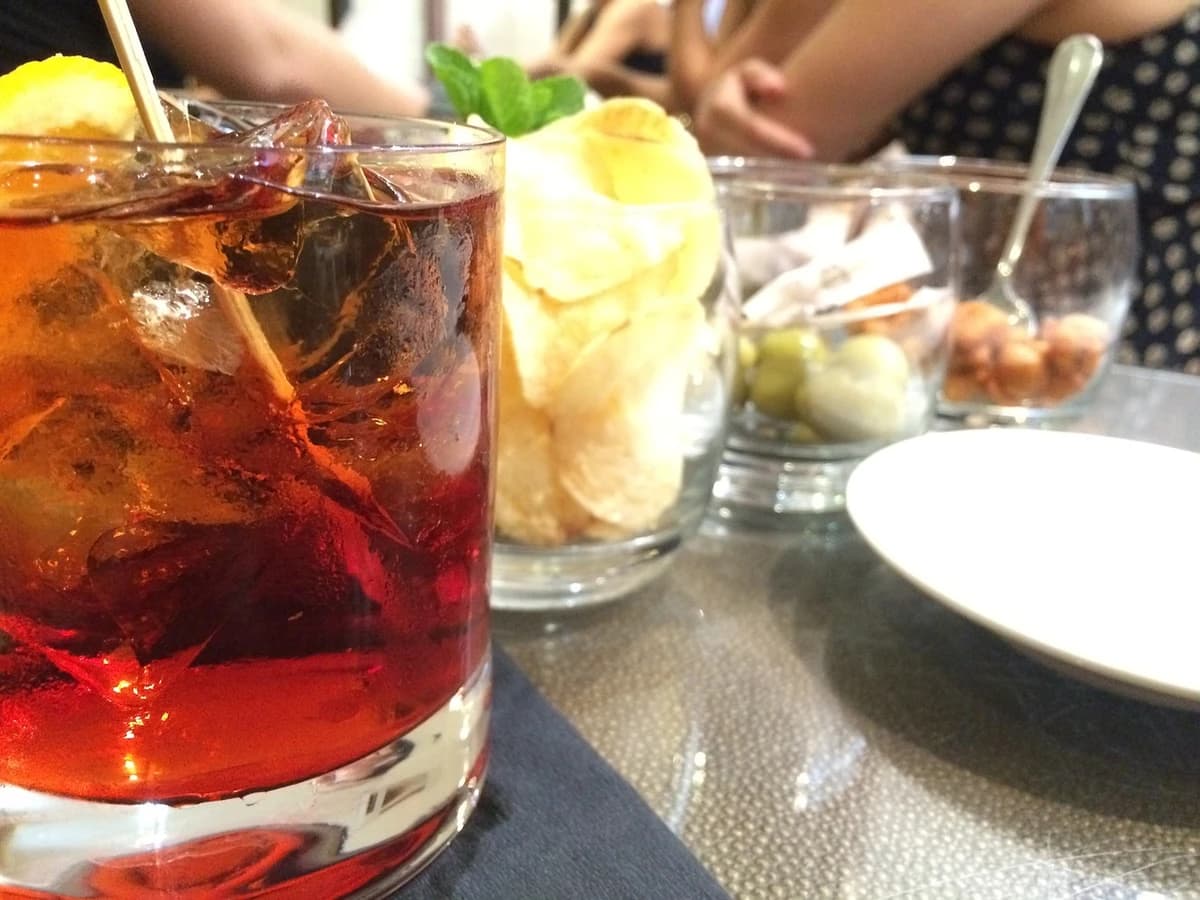
Alcohol-Free Negroni
Equal parts alcohol-free bitter aperitif, botanical spirit and red vermouth alternative — bracingly bitter, no alcohol required.
- Difficulty
- easy
- Prep time
- 4 min
- Strength
- Alcohol-free
- Glassware
- Rocks glass
- Base
- alcohol free
- Serves
- 1
Related drinks
One thing worth checking on the label
This recipe uses more than one product that is not always completely alcohol-free. For most people that makes no difference; if you are avoiding alcohol entirely, it is worth reading each bottle rather than the category name.
- Alcohol-free botanical spirit — Labelling varies by market: in the UK “alcohol-free” is typically 0.05% ABV or below, while a product sold as “de-alcoholised” can be considerably higher.
- Alcohol-free bitter aperitif — Made either as a botanical infusion with no alcohol at all or by de-alcoholising a conventional aperitif, and the two are not distinguishable by taste.
- Alcohol-free red vermouth alternative — Some are built from grape juice and botanicals and contain nothing; others are de-alcoholised wine. The label is the only way to tell them apart.
Soda water and tonic water contain no alcohol at all, so where it matters they are always a safe substitution — see the swaps above for what that does to the drink.
More on alcohol-free products and what varies between them →Ingredients
- Alcohol-free botanical spirit30ml
- Alcohol-free bitter aperitif30ml
A bittersweet, Campari-style alcohol-free aperitif
- Alcohol-free red vermouth alternative30ml
Garnish: Orange peel
Method
- Fill a mixing glass with ice.
- Add the alcohol-free botanical spirit, bitter aperitif and vermouth alternative.
- Stir for 20–30 seconds until well chilled.
- Strain into a rocks glass over a large ice cube.
- Express an orange peel over the glass and drop it in.
Equipment
Don't have everything? Here's what works instead.
Mixing glass
Household swap: A measuring jug or any sturdy glass works for stirring.
Bar spoon
Household swap: A long-handled kitchen spoon or chopstick.
Missing an ingredient?
Each swap below says what it changes and how to correct for it, so you can decide whether you are making this drink or a neighbouring one.
Instead of Alcohol-Free Aperitif
Best substitute: Campari
This is the modifier in this drink.
Quantity: Use the same amount
Flavour impact: Reintroduces alcohol and Campari's fuller, more assertive bitterness, turning this back into a standard Negroni.
What changes
Campari moves the drink a long way — less sweetness, more bitterness and more intensity. This is worth making deliberately rather than as a stand-in.
- Sweetness ↓
- Less sweetness leaves the acid and the spirit more exposed, so the drink will taste sharper and drier than it should.
- Bitterness ↑
- Bitterness builds across a drink rather than announcing itself, so this will read as a longer, drier finish.
- Intensity ↑
- A more intensely flavoured ingredient will start to dominate the components around it.
- Character
- Both are herbal and citrusy, and you lose bittersweet and light, and you gain bitter and bold. Numbers can't see this: two ingredients can be identically sour and still smell nothing alike.
To correct for it
- Add a little more syrup, a small amount at a time, until the edges come back together.
- Pour slightly less, or lengthen the drink a little, and let the sweetness catch up.
- Scale it back by a third and let the other ingredients hold their share.
High confidenceThis is simply the classic Negroni build in reverse.Makes a different drinkBecomes a variationInstead of Alcohol-Free Vermouth
Best substitute: Alcohol-Free Aperitif
This is the modifier in this drink.
Flavour impact: Using the same aperitif twice loses the vermouth's rounder, more aromatic sweetness and pushes the drink toward pure bitterness.
What changes
Expect more bitterness. Still a good drink, and a slightly different one.
- Bitterness ↑
- Bitterness builds across a drink rather than announcing itself, so this will read as a longer, drier finish.
- Character
- Both are herbal and light, and you lose wine-like and varies by style, and you gain bittersweet and citrusy. Numbers can't see this: two ingredients can be identically sour and still smell nothing alike.
To correct for it
- Pour slightly less, or lengthen the drink a little, and let the sweetness catch up.
Moderate confidenceA workable fallback if a dedicated alcohol-free vermouth isn't available, though it flattens the balance.Shifts the drink
Want to change something these swaps do not cover — too sweet, too thin, a herb you dislike? How to adjust any mocktail works by what each component does rather than by ingredient name.
Make it better
- Keep the ratio strictly equal — the Negroni's structure is what makes it work, alcohol-free or not.
- Chill the mixing glass and ingredients beforehand; without alcohol, this drink has slightly less resistance to feeling watery if served warm.
- Taste and adjust brand to brand — alcohol-free aperitifs and vermouth alternatives vary far more in bitterness than their alcoholic counterparts.
- Stir, don't shake — stirring keeps a spirit-forward drink clear and silky instead of cloudy with air bubbles.
- Express the citrus peel by pinching it, skin-side down, over the drink before dropping it in — this releases aromatic oils across the surface.
- Use one large ice cube rather than several small ones — it dilutes more slowly and keeps the drink from turning watery.
Rescue this drink
- Tastes thin compared to a regular Negroni
- Use a large, solid ice cube and stir for the full 20–30 seconds — alcohol-free spirits dilute and chill differently, and under-stirring leaves it feeling flat.
- Too bitter
- Shift the ratio slightly toward the vermouth alternative, e.g. 25:25:35.
- Not bitter enough
- Alcohol-free aperitif brands vary widely in intensity — try a more assertive brand or add a dash of orange bitters if you keep a strictly alcohol-free bar.
- You cannot smell itgeneral guidance
- Most of a drink's aroma is on top of it, not in it. Squeeze the peel skin-side-down over the surface before dropping it in — the oil should visibly spray. A twist placed in the glass without being expressed contributes almost nothing. Aroma also fades fastest of anything in a drink, so garnish at the moment of serving rather than in advance.
- Too sweetgeneral guidance
- Add a small amount of fresh citrus juice or a dash of bitters to bring the balance back — adjust gradually and taste as you go.
- Served too warmgeneral guidance
- Chill the glass, ice and every ingredient ahead of time — a warm pour is the fastest way to lose a cold drink's balance. For one serving, there's no real fix beyond rebuilding it properly chilled; for a batch, keep everything refrigerated until the moment of serving and add ice last.
- Over-diluted (tastes watery)general guidance
- Likely stirred too long, or with too much ice surface area. For one serving there's no fixing it after the fact — rebuild with fewer, larger ice cubes and a shorter stir. Planning a batch? Shorten the ice-contact time across the whole round, not just this glass.
- Under-diluted (tastes harsh or too concentrated)general guidance
- For one serving, stir in a few drops of chilled water to open it up. For a batch, extend the stir time slightly on the next round.
Make ahead & storage
Batches well
Everything in this can be mixed days ahead and kept cold. It is one of the drinks to build a party menu around.
Add about 22% water to the batch to replace what the ice would otherwise contribute, or it will pour noticeably harsher than a fresh one.
What it tastes like
The taste, and what drives it
off-dry, soft, light — a spirit and modifier drink served over ice.
Off-dry
Dry → Sweet
Sweetened enough to take the edge off without reading as a sweet drink.
What drives it: Alcohol-free bitter aperitif — carries the most sugar into the glass.
Strongly bitter
Gentle → Bitter
Assertively bitter. An acquired taste, and deliberately so.
What drives it: Alcohol-free bitter aperitif — provides the bitterness.
Light
Light → Rich
Light-bodied. It refreshes rather than satisfies, which is usually the intention.
What drives it: Alcohol-free botanical spirit — adds most of the weight.
Moderate
Delicate → Bold
Moderate: assertive enough to hold its own, mild enough for a second.
What drives it: Alcohol-free botanical spirit — is the most concentrated thing in the glass.
What you smell first
- Citrus peelLeadsBefore the first sip
From Alcohol-free bitter aperitif, Orange peel
- Fresh herb
From Alcohol-free bitter aperitif, Alcohol-free red vermouth alternative
- Juniper and botanicals
From Alcohol-free botanical spirit
Aromas marked as sitting above the drink reach you before the first sip — skipping that garnish changes the drink more than its size suggests.
How it was worked out
Each reading comes from the recipe's own recorded taste scores combined with what each ingredient contributes, weighted by how much of it is in the glass. Almost everything in this drink has detailed ingredient data behind it.
How balance actually works →If it isn't right
What goes wrong with this drink, and why
Only the faults this particular recipe is actually prone to — each with the likely cause, the adjustment, and what the adjustment costs you.
This drink is only as good as the vermouth in it
Degrades itVermouth is wine and oxidises within weeks of opening. A stale bottle is the single most common reason a stirred drink tastes dull rather than complex.
How to handle it: Refrigerate it after opening, buy the small bottle, and replace it more often than feels reasonable.
It's too sweet
- Likely cause
- Alcohol-free bitter aperitif is carrying the sugar here, and it is the easiest thing in the drink to over-pour — syrup clings to a jigger and a "splash" is rarely the same twice.
- What to change
- Cut alcohol-free bitter aperitif by about a third and rebuild. If it is already made, a squeeze of citrus is faster than starting again.
- What that does
- It will taste drier and slightly thinner — sugar carries body as well as sweetness, so you lose a little weight along with it.
It's too bitter
- Likely cause
- Alcohol-free bitter aperitif is doing this deliberately, but bitterness also *builds* across a drink rather than announcing itself — the last mouthful is more bitter than the first even though nothing changed.
- What to change
- Lengthen it slightly, or add a small amount of sweetener. Do not add more of anything sour; acid sharpens bitterness rather than covering it.
- What that does
- The bitterness softens and the drink gets longer. If you were hoping to keep it short and strong, this is the trade you are making.
It tastes weak
- Likely cause
- With no alcohol to carry flavour and no heat to cut through, an alcohol-free drink has to work harder for the same presence — thinness here is almost never a measuring error.
- What to change
- Add acidity or bitterness rather than more fruit. Sweetness is what is usually already too high in a thin mocktail.
- What that does
- The drink gains definition without gaining sugar. It will also read as slightly sharper, which is what 'more presence' usually means in practice.
It's watery
- Likely cause
- Stirring adds water while it chills, and the two cannot be separated. Wet ice from a freezer door, or small cubes, will over-dilute before the drink is properly cold.
- What to change
- Use bigger, drier, colder ice and stop sooner. Chilling the glass first buys you time you would otherwise spend diluting.
- What that does
- More flavour concentration at the same temperature. Under-dilute instead and the drink will taste harsh — this is a target, not a direction.
It doesn't smell of anything
- Likely cause
- The aroma you are missing is probably citrus peel, which sits above the drink rather than in it — skipping or under-expressing the garnish removes it entirely.
- What to change
- Express the peel over the surface with the skin facing the drink, then drop it in. Herbs go in the glass, not on the side.
- What that does
- Aroma arrives before flavour does, so the whole drink reads as more intense without a single measure changing. The oil does land in the drink, though — an over-expressed peel adds a faint bitterness to the first mouthful.
It tastes one-dimensional
- Likely cause
- With 3 components there is nowhere for complexity to hide — a spirit and modifier drink is exposed by design, so a dull one is usually a dull ingredient rather than a missing step.
- What to change
- Change the quality of what is there before adding anything new: fresh citrus rather than bottled, a better base bottle, a dash of bitters. Bitters add layers at a scale nothing else matches.
- What that does
- More going on at the same strength and sweetness. Adding a whole extra ingredient instead usually produces a muddier drink rather than a deeper one.
Taste profile
- Sweetness
- 2/5
- Sourness
- 0/5
- Bitterness
- 4/5
- Strength
- 0/5
- Fruitiness
- 1/5
- Freshness
- 1/5
- Creaminess
- 0/5
- Smokiness
- 0/5
Nutrition & alcohol
Estimate onlyAlcohol-free aperitif and vermouth alternatives vary widely in sugar content between brands; figures are a mid-range estimate.- Calories
- 45 kcal
- Sugar
- 6 g
- Carbohydrates
- 7 g
- Alcohol units (UK)
- 0
- US standard drinks
- 0
- ABV
- 0%
- Serving size
- 120 ml
Show calculation assumptions
Source: Calculated from standard measures
Calorie breakdown: ~0 kcal from alcohol, ~45 kcal from sugar and mixers.
Likely range: 34–56 kcal, reflecting the confidence level above — not a lab-measured figure.
Assumes standard alcohol-free botanical spirit, bitter aperitif and vermouth alternative, each with light sweetness.
These figures are estimates, not laboratory measurements — individual tolerance to alcohol varies. See our responsible drinking guidance.
Variations
Alcohol-Free Boulevardier
Use an alcohol-free whisky-style spirit in place of the botanical spirit for a rounder, less juniper-forward version.
Alcohol-Free Sbagliato
Replace the botanical spirit with alcohol-free sparkling wine for a lighter, fizzier take.
What kind of drink this is
The structure behind the recipe
A stirred build: a spirit and modifier alcohol-free drink, served over ice — silky and dense in the mouth.
Spirit and modifier
Spirit combined with an aromatised or flavoured modifier and little else — concentrated, and served small for exactly that reason.
Base
Alcohol-free botanical spirit
Modifier
Alcohol-free bitter aperitif
Alcohol-free red vermouth alternative
Drinks built this way are collected as the Negroni family.
Technique
stirred
The liquid is moved around the ice rather than against it, so it chills and dilutes with almost no air incorporated and almost no ice broken up.
A heavy, silky, completely clear drink. Alcohol reads more sharply than in the same drink shaken, because nothing has softened it.
What it ruins: Nothing outright, but it will not combine egg, dairy or thick syrup — those need force.
Everything about stirring →How the technique works →Dilution
During mixing, then strained
Water from ice typically makes up around 25% of the finished drink for a stirred build (commonly 20–30%). Dilution is an ingredient here, not a side effect.
Why dilution is an ingredient →Served
Over ice
Rocks glass · 120ml
Served on ice, so it keeps chilling in the glass. A larger, colder, slower drink than the same spirits served straight up.
Texture and aroma
Stirred without aeration, the drink stays heavy and slightly viscous in the mouth.
Aroma arrives before flavour does. A citrus twist is expressed over the surface so its oils sit on top of the drink — skipping it changes the drink more than its size suggests.
Where to go from here
Each of these is here because of something specific about this drink, not as a standard set of links.
Why this drink matters
This one carries one kind of the evidence used to identify influential drinks — each with a test you can check rather than a ranking.
Drinking this with food: before the meal
On its recorded taste scores this drink meets the test for before the meal — the page explains the principle behind it rather than simply asserting the pairing.
Making alcohol-free drinks that stand up
Alcohol does structural work in a drink, and this one has to do those jobs another way. The alcohol-free path works through how.
Where it comes from
Origin and family
Origin of the Alcohol-Free Negroni
CocktailHQ alcohol-free adaptation of the Italian Negroni, built around the same equal-parts structure.
Why this works without alcohol
The principles behind this drink, explained properly rather than as a list of substitutions.
Try this next
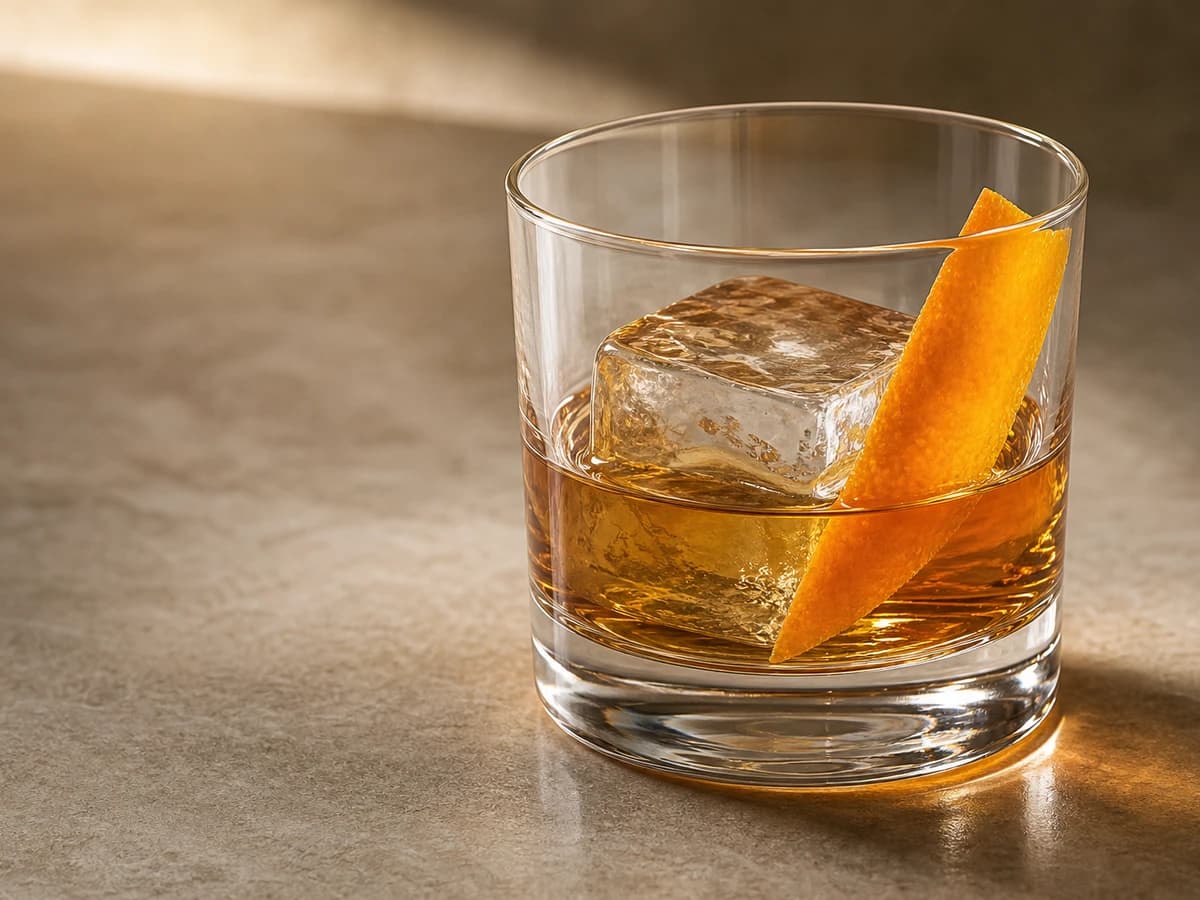
Alcohol-Free Old Fashioned
You may like this because it shares a bitter taste profile with the Alcohol-Free Negroni.
- Espresso Tonic
Espresso Tonic
You may like this because it shares a bitter taste profile with the Alcohol-Free Negroni.
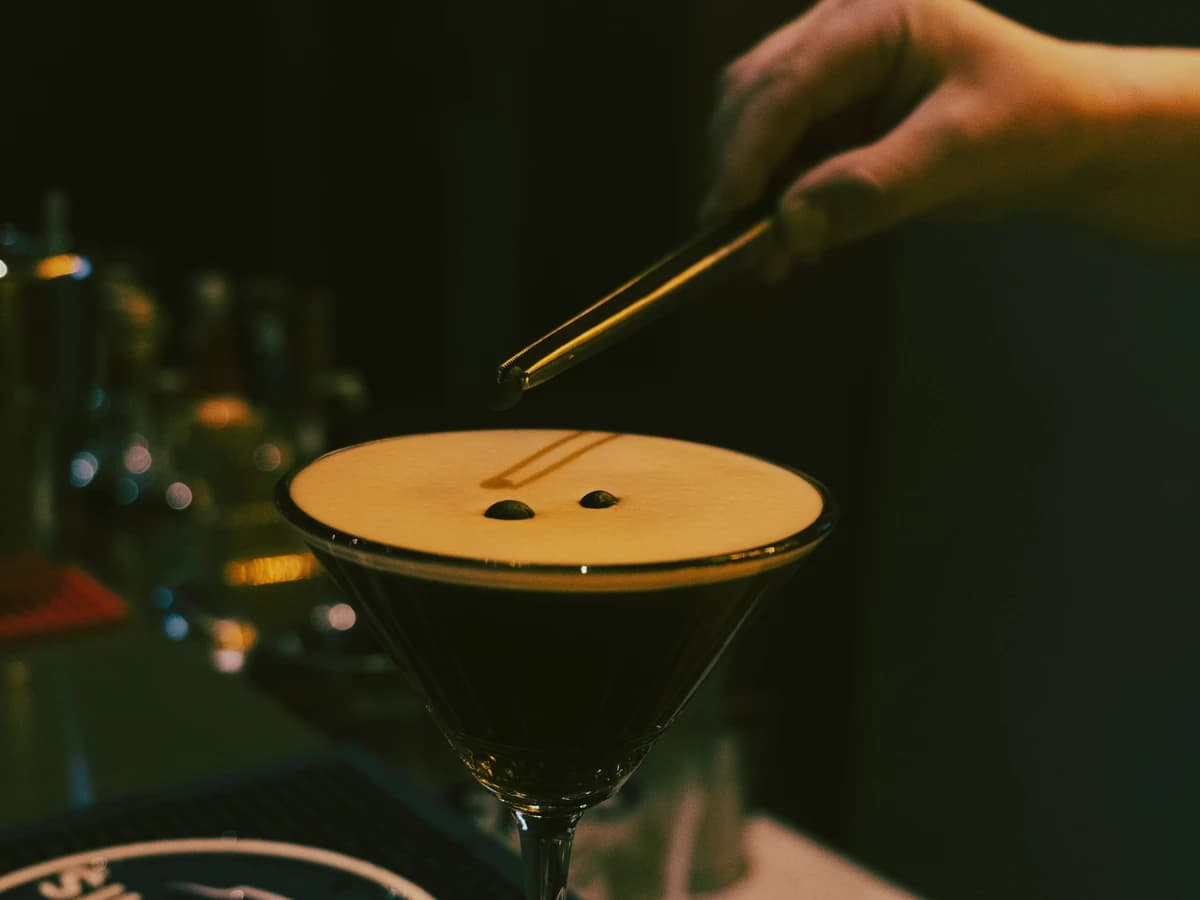
Alcohol-Free Espresso Martini
You may like this because it shares a bitter taste profile with the Alcohol-Free Negroni.
Questions people ask
- Why does mine taste thin next to a regular Negroni?
- See "Rescue this drink" above — alcohol-free spirits chill and dilute differently, so it needs a large solid ice cube and a full 20–30 second stir. Under-stirring is the usual cause.
- Does the brand of alcohol-free aperitif matter?
- Yes, more than with Campari — see "Rescue this drink" above. Alcohol-free aperitifs vary widely in bitterness, so the ratio may need adjusting to whichever bottle you have.
- Can I adjust it if it's too bitter?
- Yes — see "Rescue this drink" above for shifting the ratio slightly toward the vermouth alternative.
Use up your ingredients
Bought a bottle just for this? Here's what else it's good for.
Related tools
Scale this for a party
Work out bottles, mixers, ice and total alcohol units for any number of guests.
Recipe confidence
A direct structural adaptation of a documented classic, though alcohol-free aperitif and vermouth products are a newer, less standardised category.