1860s onward
Italian aperitivo and the bitter tradition
The one drinking culture where bitterness is the point, how it actually works in practice, and why the Negroni's origin story is shakier than it sounds.
Aperitivo is one of the few genuinely continuous drinking traditions in this section: a documented commercial history of bitter aperitifs, and a living daily practice that has not needed reviving because it never stopped.
It is also the most useful tradition for anyone drinking less, because its central idea — bitter, low in alcohol, taken before food, with something to eat — translates to alcohol-free almost intact.
The products and the practice
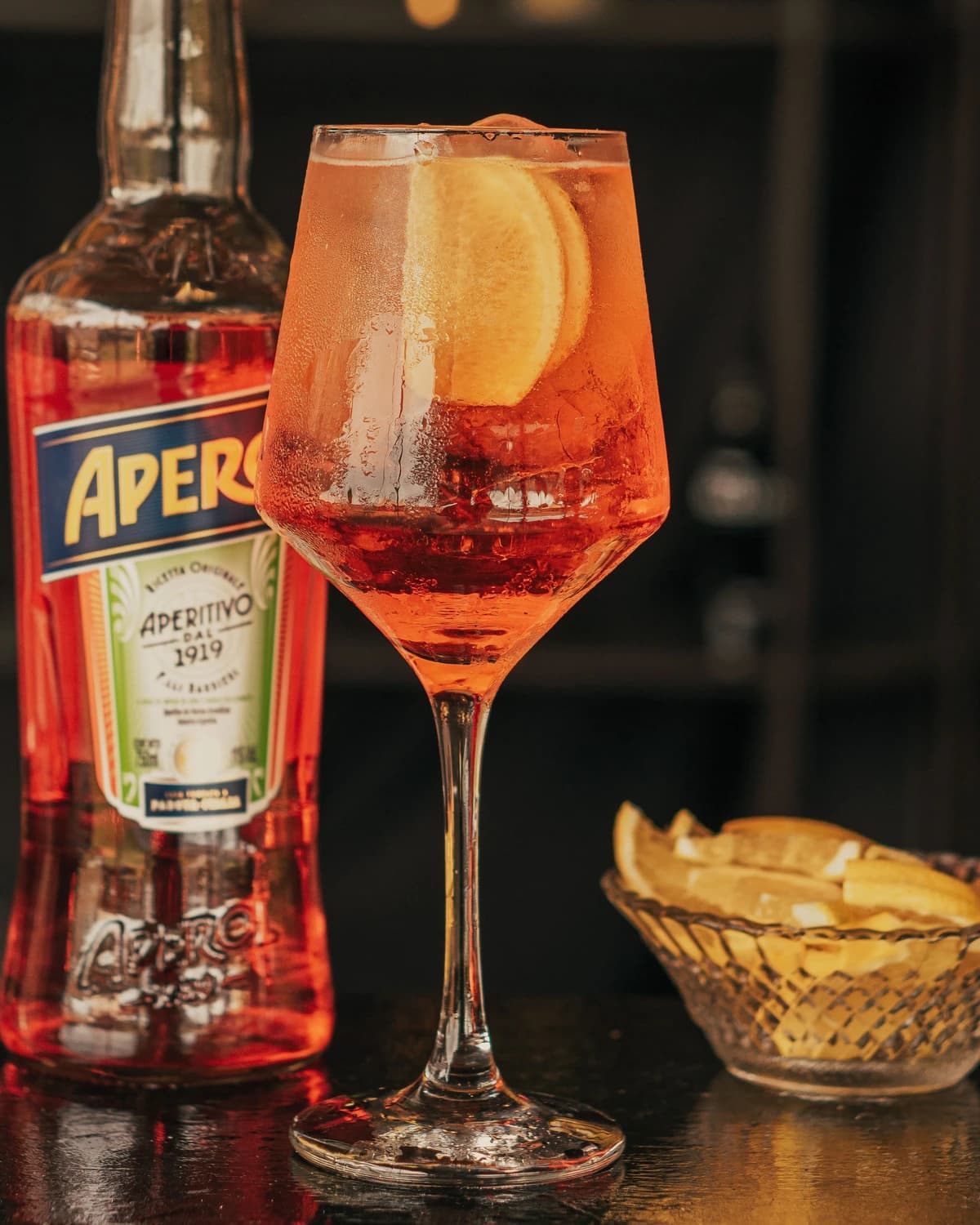
Campari dates from the 1860s in Milan and Aperol from 1919 in Padua; both are bitter aperitifs built on infused botanicals, and both have unbroken commercial histories. Vermouth production in Turin is older still.
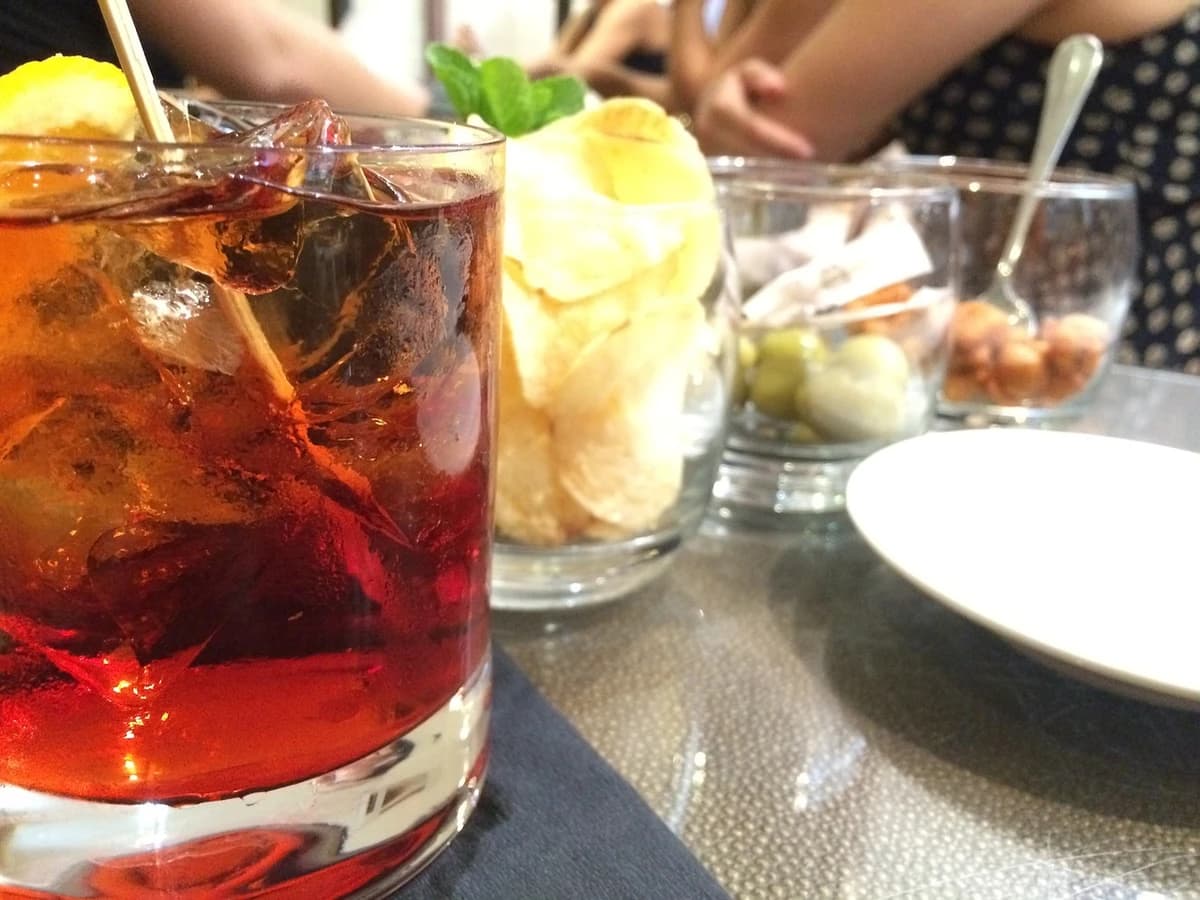
The practice around them is as important as the products. Aperitivo is an early-evening drink taken before dinner, low in alcohol, served with food, and social by default. It is a format rather than a recipe, which is why it survives fashion changes that have swept away other traditions.
The Spritz — bitter aperitif, sparkling wine, soda — is the format at its most portable, and is the reason the category expanded internationally in the 2000s.
Bitterness as the point
Aperitivo is the clearest demonstration anywhere that bitterness is a learned pleasure rather than a fault. A first Campari is unpleasant to most people; a tenth is not. Nothing about the drink changed.
That has a direct practical consequence for alcohol-free drinking, where the most common complaint is that everything is sweet. Bitterness is available without alcohol — tonic, grapefruit, alcohol-free aperitifs — and palates adapt to it the same way.
The Negroni story
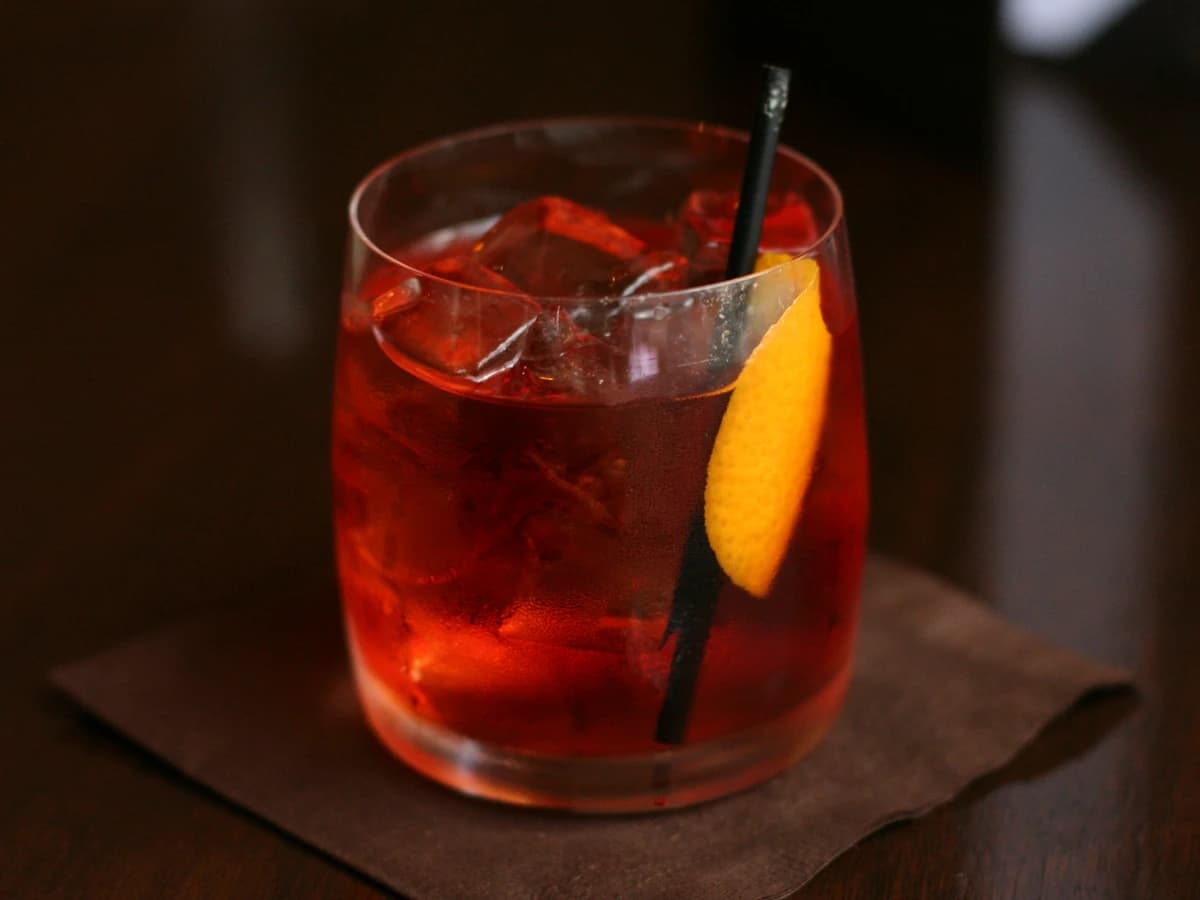
The standard account has Count Camillo Negroni in Florence, around 1919, asking for his Americano to be strengthened with gin instead of soda. It is a good story, it is repeated everywhere, and the documentary evidence for it is thin — it rests largely on family accounts recorded much later.
The Americano itself, and the equal-parts structure, are on firmer ground. As with most origin stories in this section, the drink is better documented than the anecdote attached to it.
Show your working
What's actually established, and what isn't
Every claim on this page, with how well the evidence supports it.
- documented
Campari has been produced in Milan since the 1860s and Aperol in Padua since 1919.
Continuous commercial records from both producers.
Supported by contemporary printed sources — a dated book, menu, newspaper or legal record.
- documented
Aperitivo is a continuous living practice rather than a revived one.
Unbroken and directly observable in Italian daily life; no revival was required.
Supported by contemporary printed sources — a dated book, menu, newspaper or legal record.
- disputed
The Negroni was created for Count Camillo Negroni in Florence around 1919.
The standard account rests on family recollection recorded decades later. Widely repeated, seriously questioned, and unresolved.
Two or more serious accounts contradict each other, and the disagreement has never been settled.
- widely-reported
Bitterness is an acquired taste that reliably develops with repeated exposure.
Consistent with how the category is taught and sold, and with general findings on taste adaptation; stated here as an observation about drinking, not as a claim about physiology.
Consistently repeated across reputable modern drinks writing, but without a contemporary source we can point to.
The short version
- Aperitivo is a documented, continuous tradition, not a revived one.
- Its format — bitter, low-alcohol, before food, with something to eat — is its real contribution.
- The Negroni's origin story is a disputed family recollection, not a documented event.
- It is the most directly useful tradition for anyone drinking less, because bitterness survives the removal of alcohol.
Drink the history
Recipes from this period
Keep reading
Related history
How the classics came back, what the revival got right, and the habits it introduced that are worth leaving behind.
Why so much of the classic canon is traceable to a handful of hotel bars, and what their published books actually record.
What the historical record supports about American Prohibition's effect on drinking — and the one story about it that almost certainly isn't true.