Equal parts, stirred, bitter
The Negroni family
Gin, bitter aperitif and sweet vermouth in equal measure — one of the few classics whose ratio is genuinely fixed.
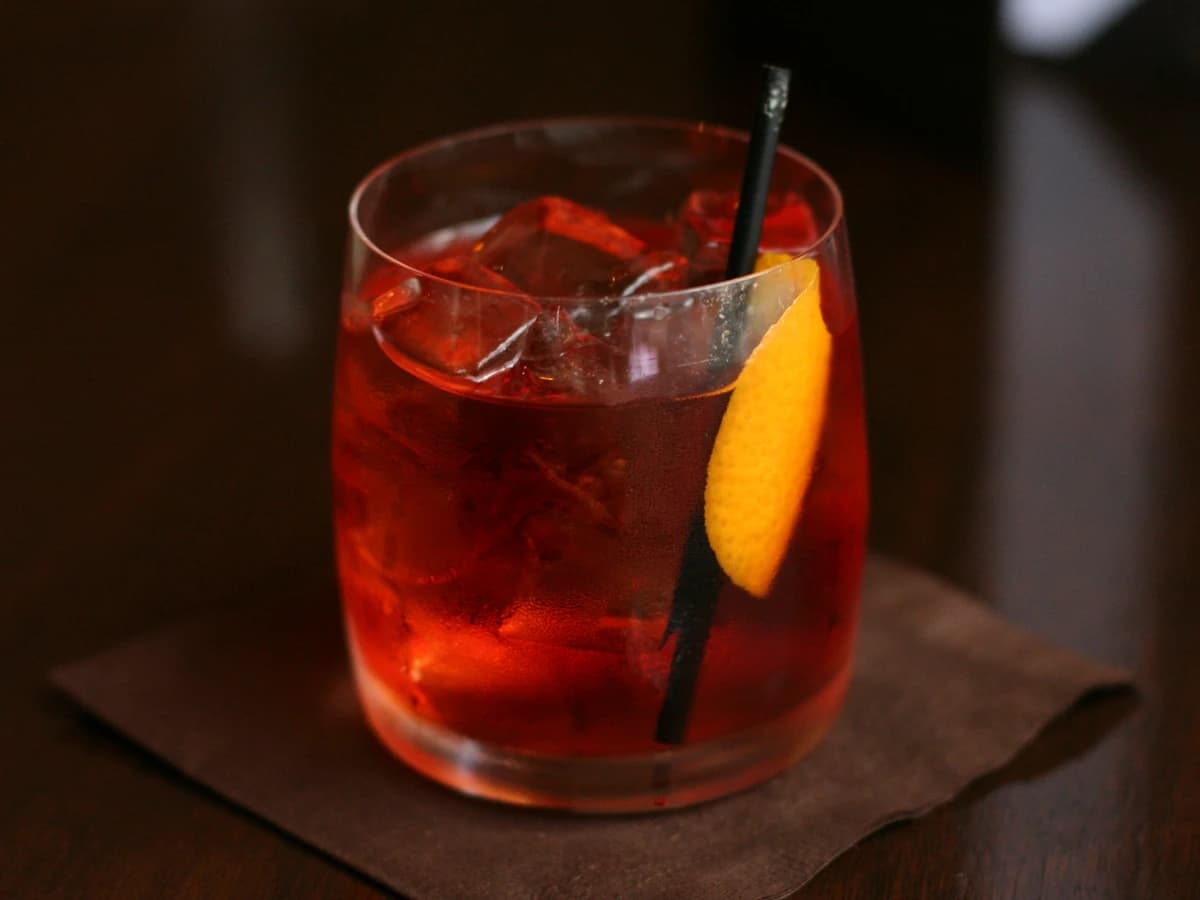
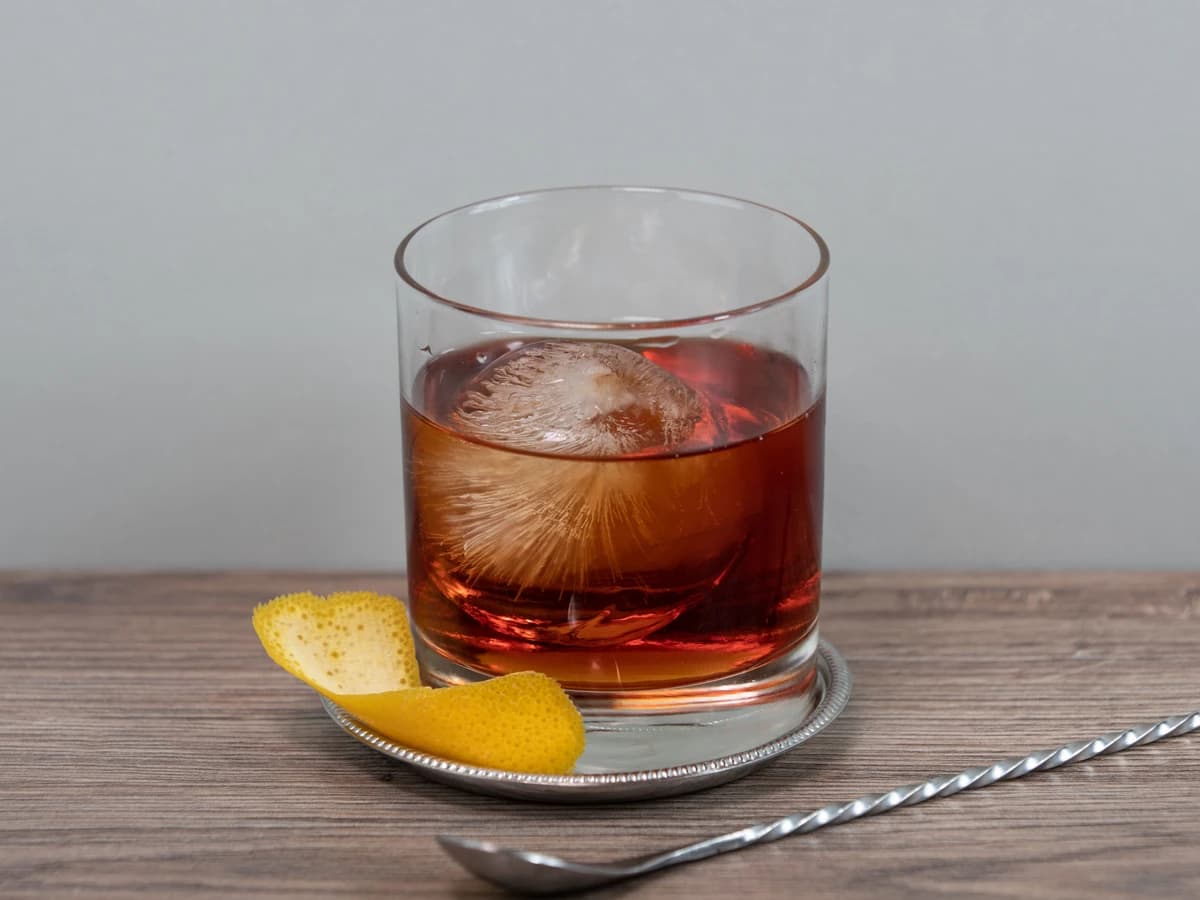
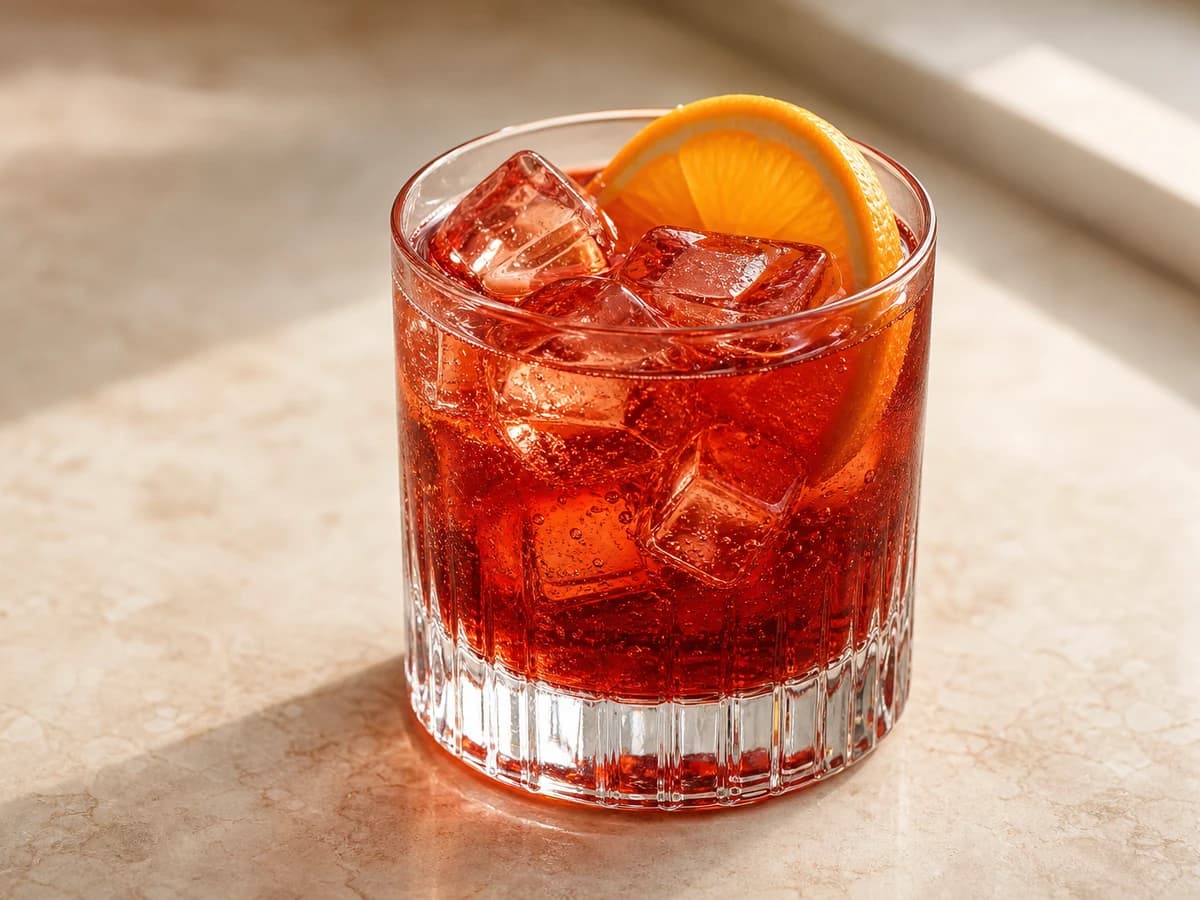
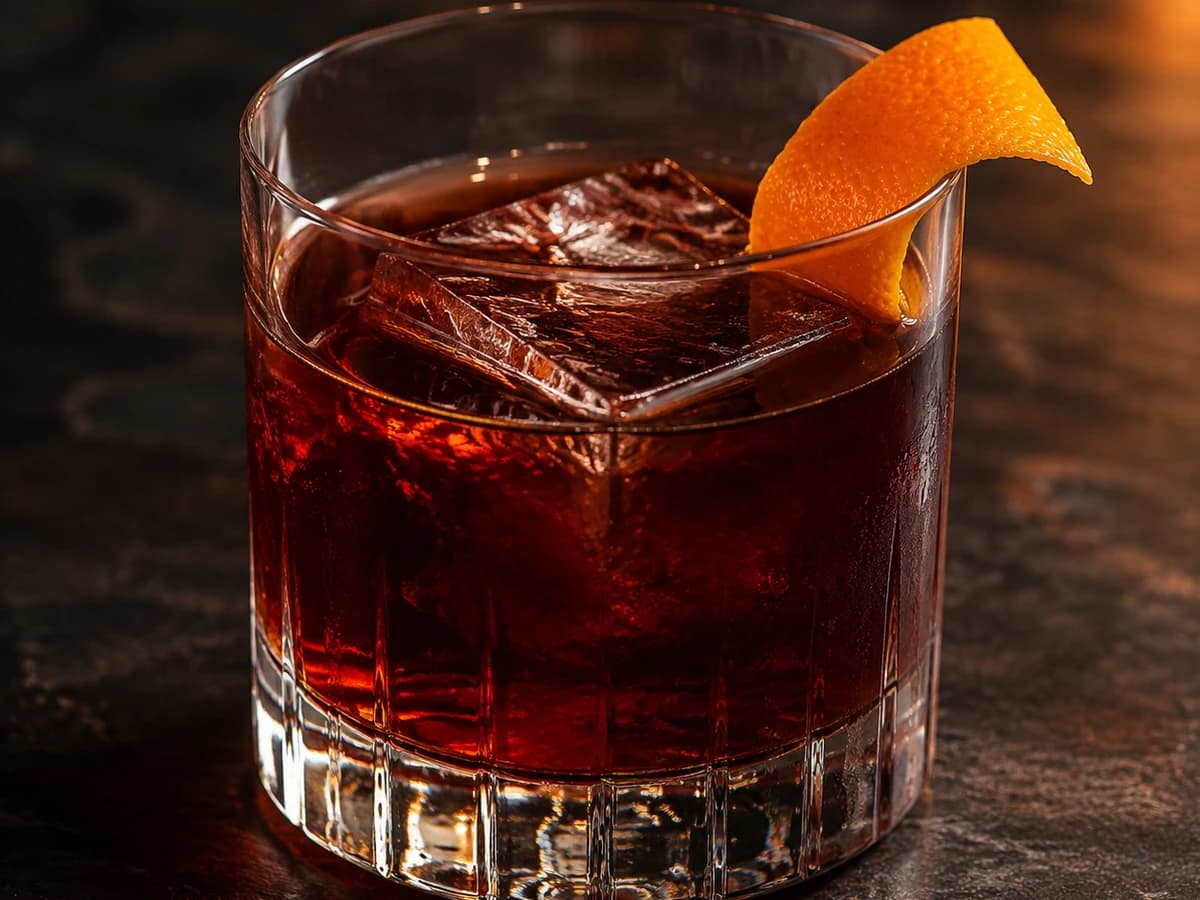
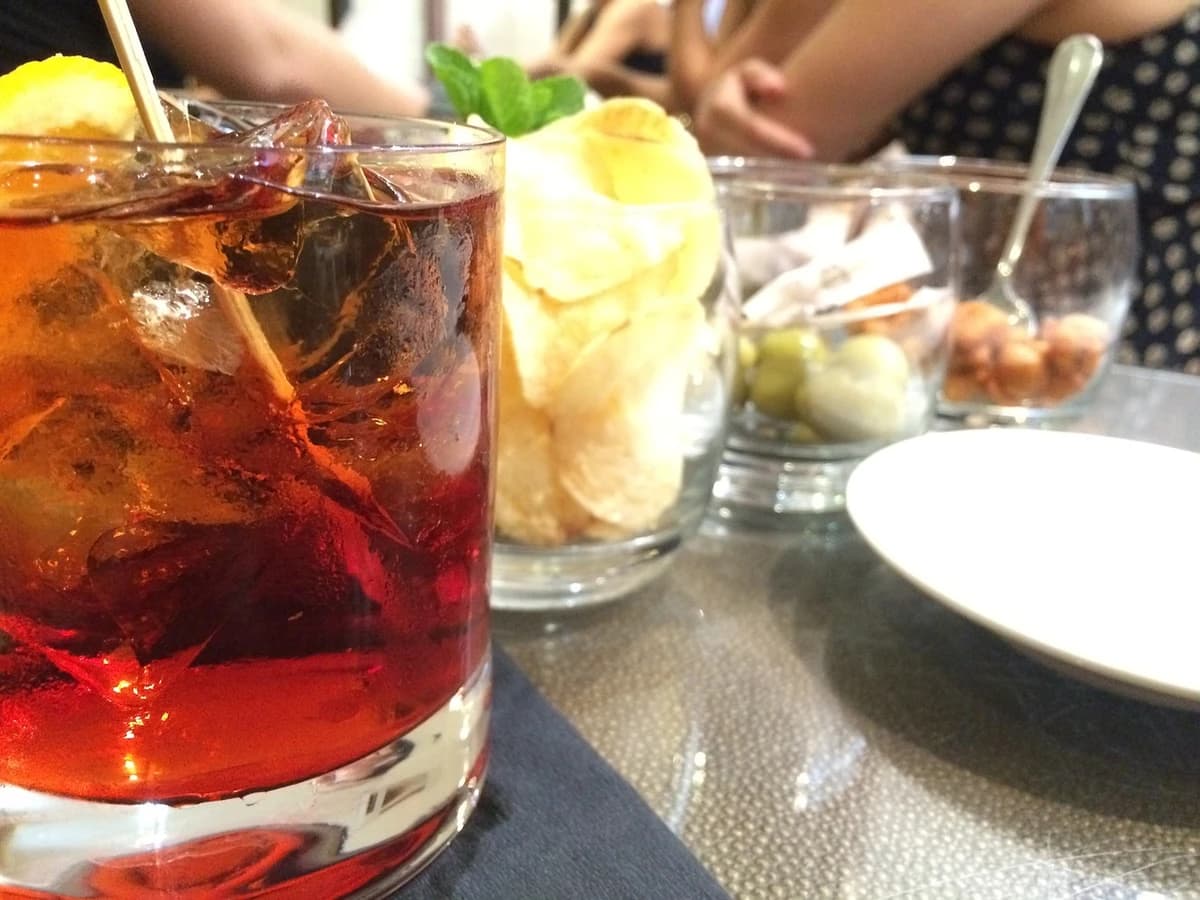
Equal parts, stirred, served over a large cube with an orange twist. The Negroni is unusual in the canon for having a ratio that is actually fixed rather than a starting point, and for tasting recognisably like itself across an enormous range of gins.
It is the drink most often used to explain bitterness to sceptics, largely because the vermouth's sweetness gives the bitterness something to work against.
The formula
1 part gin · 1 part bitter aperitif · 1 part sweet vermouth — stirred over ice.
What makes a drink one of these
- Equal parts of all three components.
- A bitter aperitif as one full third of the drink.
- Stirred, never shaken, and served over ice rather than up.
- An expressed citrus twist as the standard finish.
The variations are a family of their own
Swap gin for bourbon and you have a Boulevardier — richer, rounder, and arguably the better winter drink. Swap it for prosecco and you have a Sbagliato, which is substantially lighter and was reportedly a mistake. Swap it for mezcal and the smoke changes the whole character.
Because the ratio is fixed, each of these is a genuinely controlled experiment: one variable changes and everything else holds.
Show your working
What's established about this family
History claims graded the same way the rest of the site grades them.
- disputed
The Negroni was created for Count Camillo Negroni in Florence around 1919.
The standard account rests on family recollection recorded decades later. Widely repeated, seriously questioned, unresolved.
Two or more serious accounts contradict each other, and the disagreement has never been settled.
- documented
The Americano — the same drink with soda instead of gin — predates it.
The Americano is attested earlier, and the structural relationship is not in question even where the naming story is.
Supported by contemporary printed sources — a dated book, menu, newspaper or legal record.
The family
5 recipes
Every recipe on the site built to this structure.
Next door
Related families
How this structure connects to the rest of the canon.
Does the structure hold?
What these recipes are actually built from
The family is an editorial judgement. This is the independent structural read of the same recipes, worked out from their components — shown because the two agreeing is worth more than either claim on its own.
Spirit and modifier
3 of 5Spirit combined with an aromatised or flavoured modifier and little else — concentrated, and served small for exactly that reason.
Bitter aperitif
2 of 5A bittering component sits alongside the base in a full measure rather than seasoning it — bitterness is a main flavour here, not a background note.
3 of 5 read as spirit and modifier. The rest differ because length, ice and service are part of what makes a family and none of them are visible in a component list — a drink can be built like a sour and served like a highball, and both descriptions are true.
Go deeper