Spirit and a lengthener
The Highball family
One spirit, one mixer, plenty of ice — the most-drunk and least-respected structure in drinking.
A highball is a spirit lengthened with something non-alcoholic and built straight in the glass. Gin and tonic, whisky and soda, rum and coke, Moscow Mule, Paloma: all one idea.
It gets dismissed as the format requiring no skill, which is exactly backwards. There is nothing in the glass to hide a warm mixer, tired ice or a careless pour, and the difference between an indifferent gin and tonic and an excellent one is entirely execution.
The formula
1 part spirit · 2–4 parts mixer — built in the glass over a full load of ice.
What makes a drink one of these
- One base spirit, rarely more.
- A non-alcoholic lengthener doing most of the volume — soda, tonic, ginger beer, juice.
- Built in the serving glass; never shaken.
- Served long, over a full glass of ice.
Why ice discipline is the whole game
The instinct to use less ice produces a warmer drink that dilutes faster, because a half-empty glass lets the remaining cubes melt quickly. A glass filled to the top stays colder and dilutes more slowly — the opposite of what most people expect.
Cold mixer matters just as much. Pouring room-temperature tonic over ice spends the ice chilling the mixer instead of the drink, and you taste the difference immediately.
Carbonation is an ingredient
Bubbles carry aroma upward continuously as you drink, and carbonic acid adds a genuine prickle that reads as bite. A flat highball and a fresh one made from identical liquid are not the same drink.
So: top last, pour against the inside of the glass, stir once at most, and open a small bottle rather than pouring from a two-day-old large one.
Show your working
What's established about this family
History claims graded the same way the rest of the site grades them.
- documented
The whisky highball's mass popularity in Japan was driven substantially by distiller marketing.
Documented campaigns with measurable effects on category sales — see the Japanese bar culture page.
Supported by contemporary printed sources — a dated book, menu, newspaper or legal record.
- disputed
The term 'highball' derives from railroad signalling.
One of several competing etymologies, none decisively evidenced.
Two or more serious accounts contradict each other, and the disagreement has never been settled.
The family
42 recipes
Every recipe on the site built to this structure.
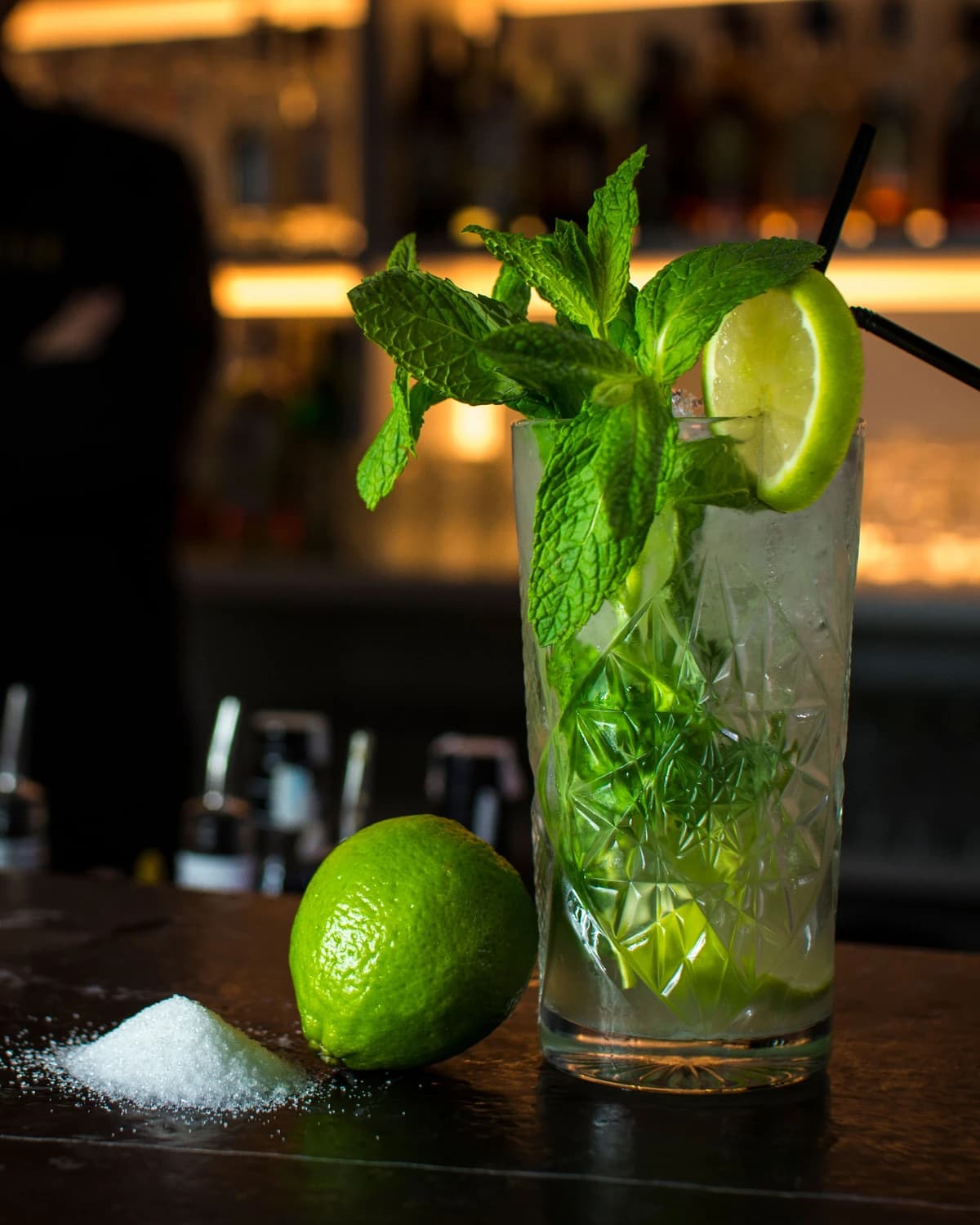
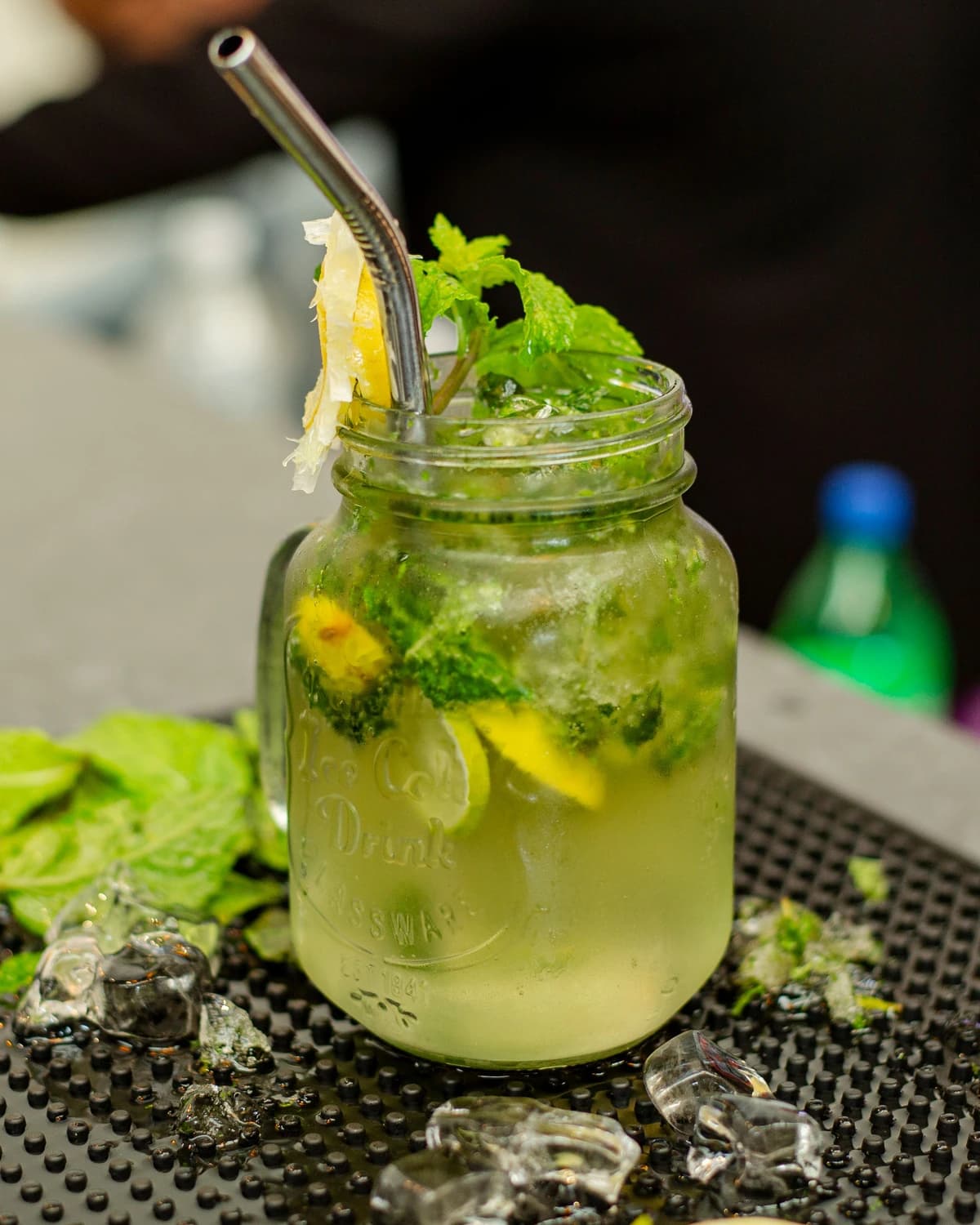
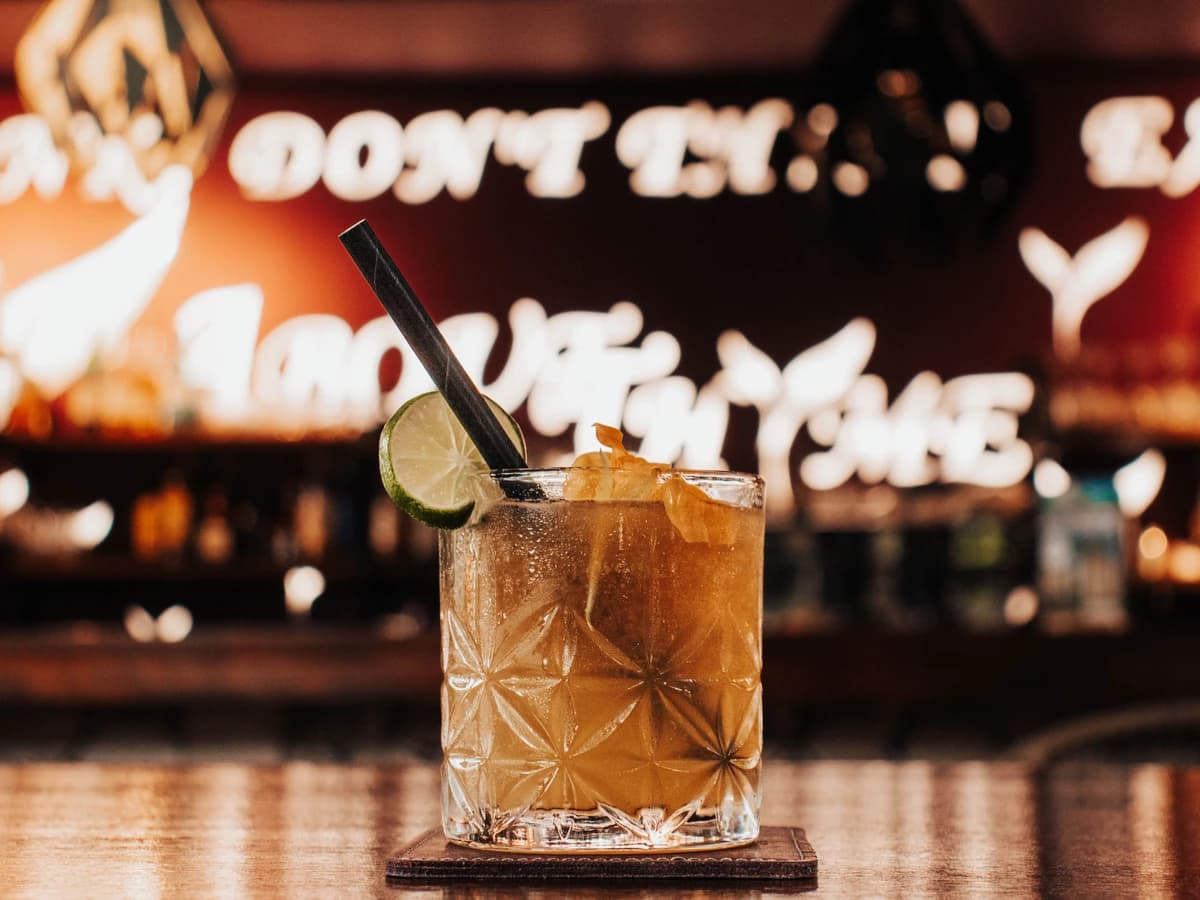
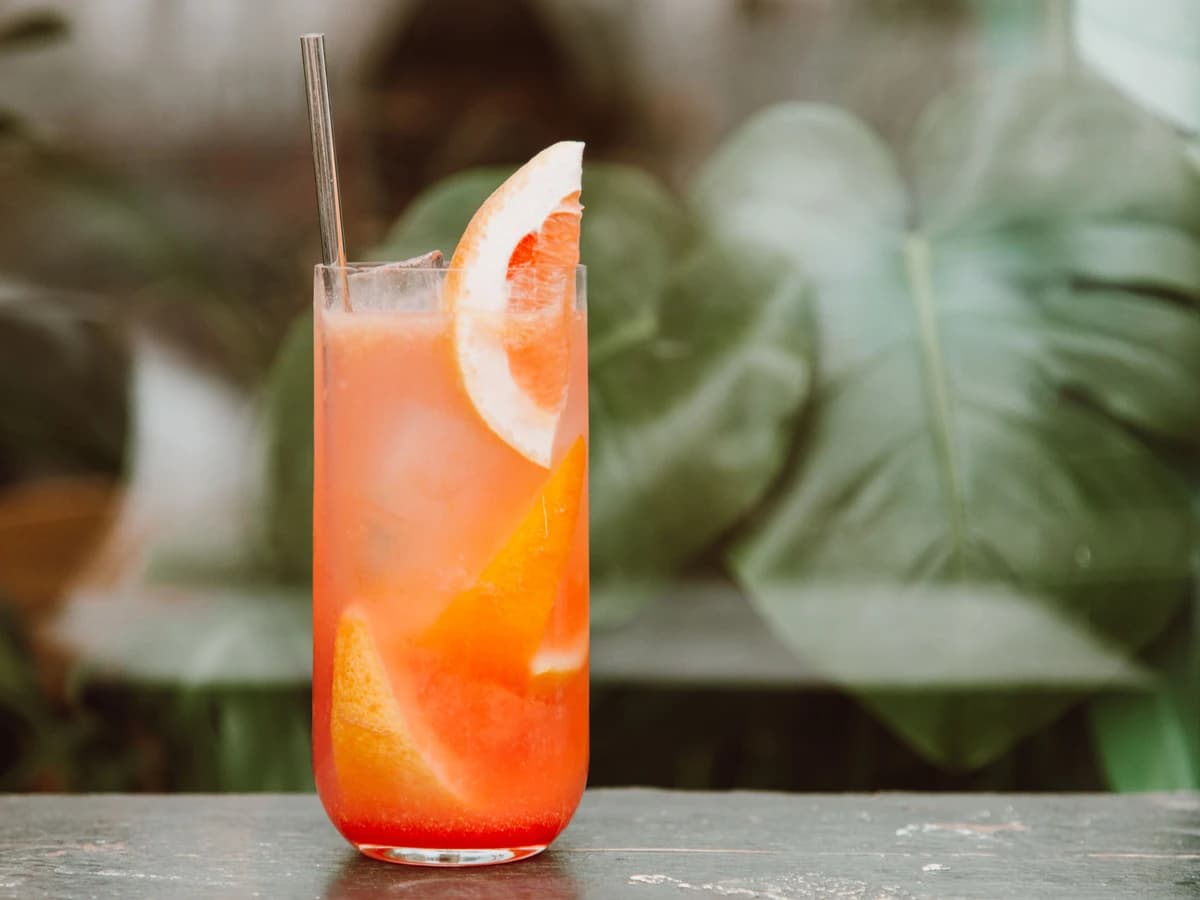
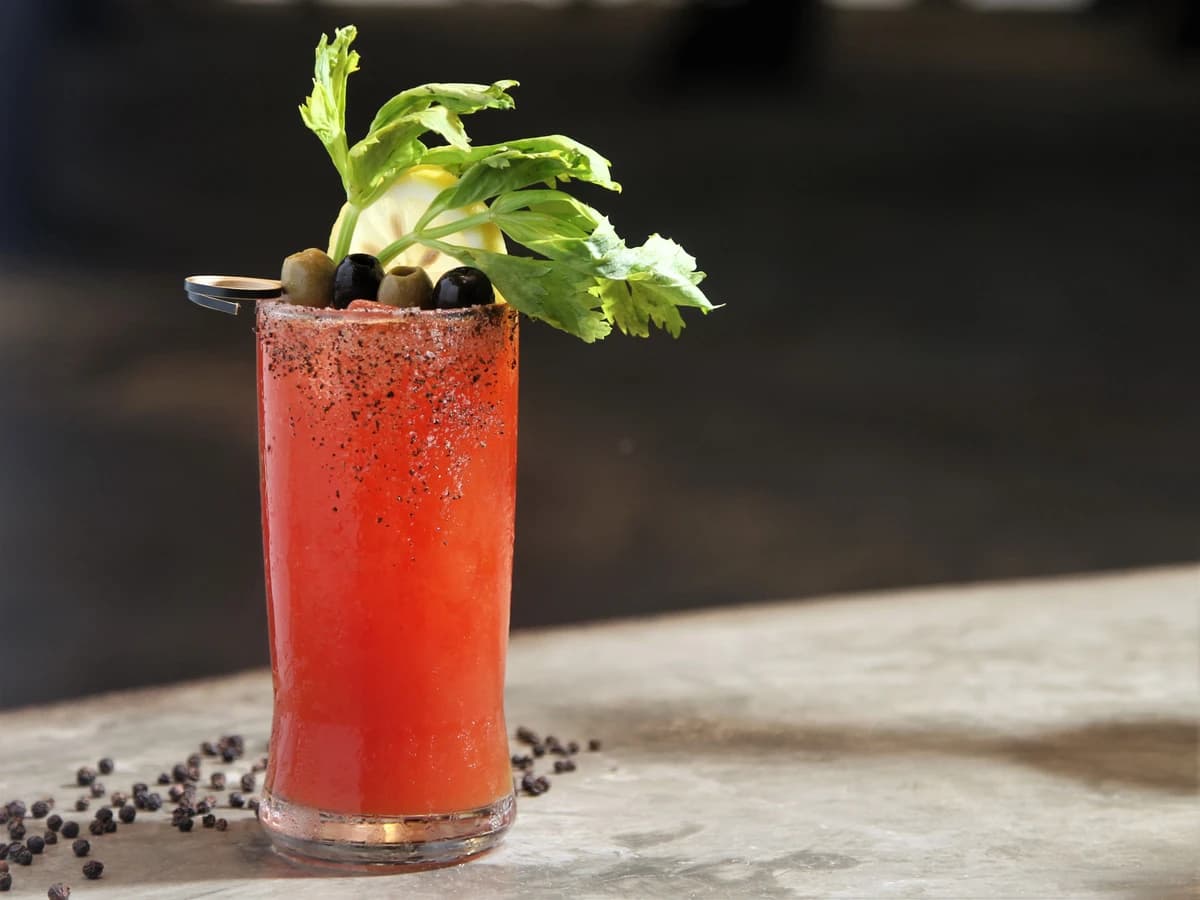
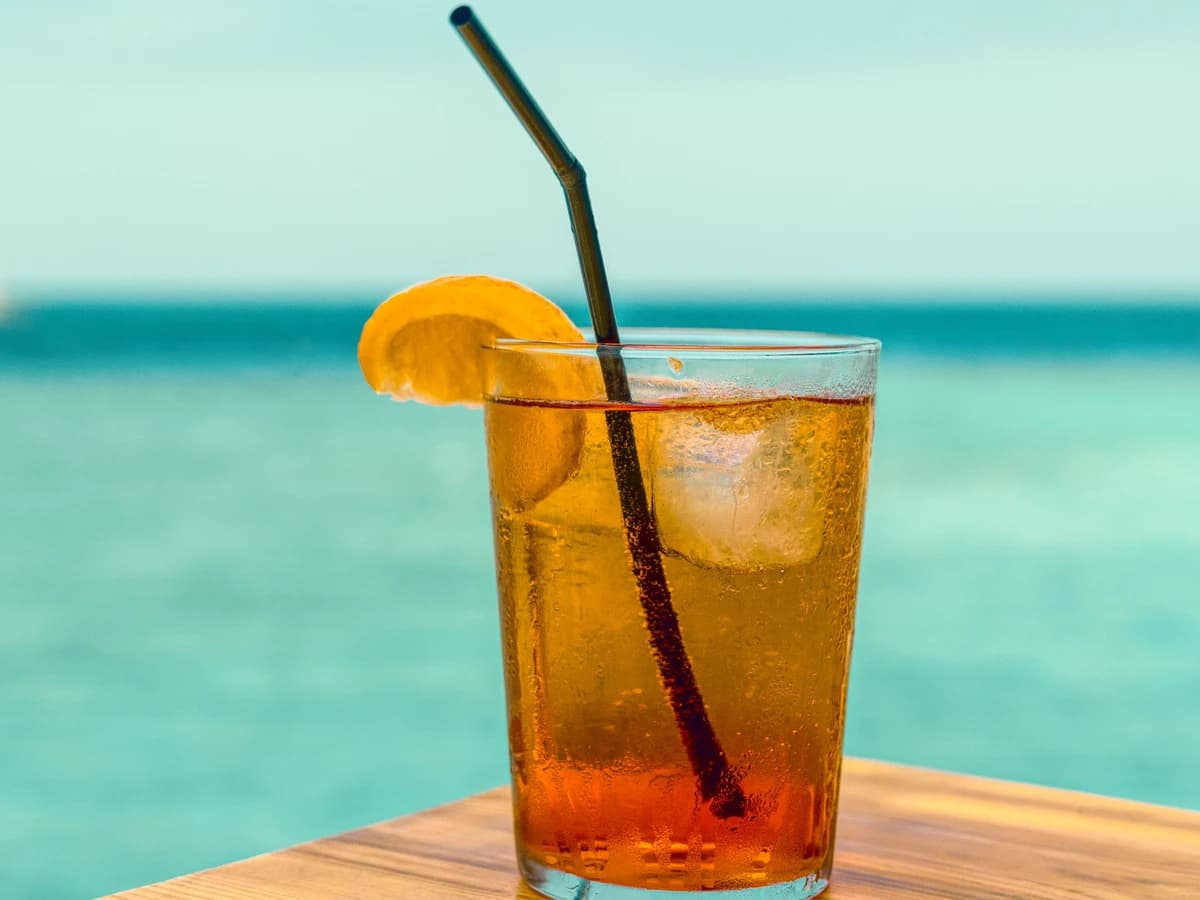
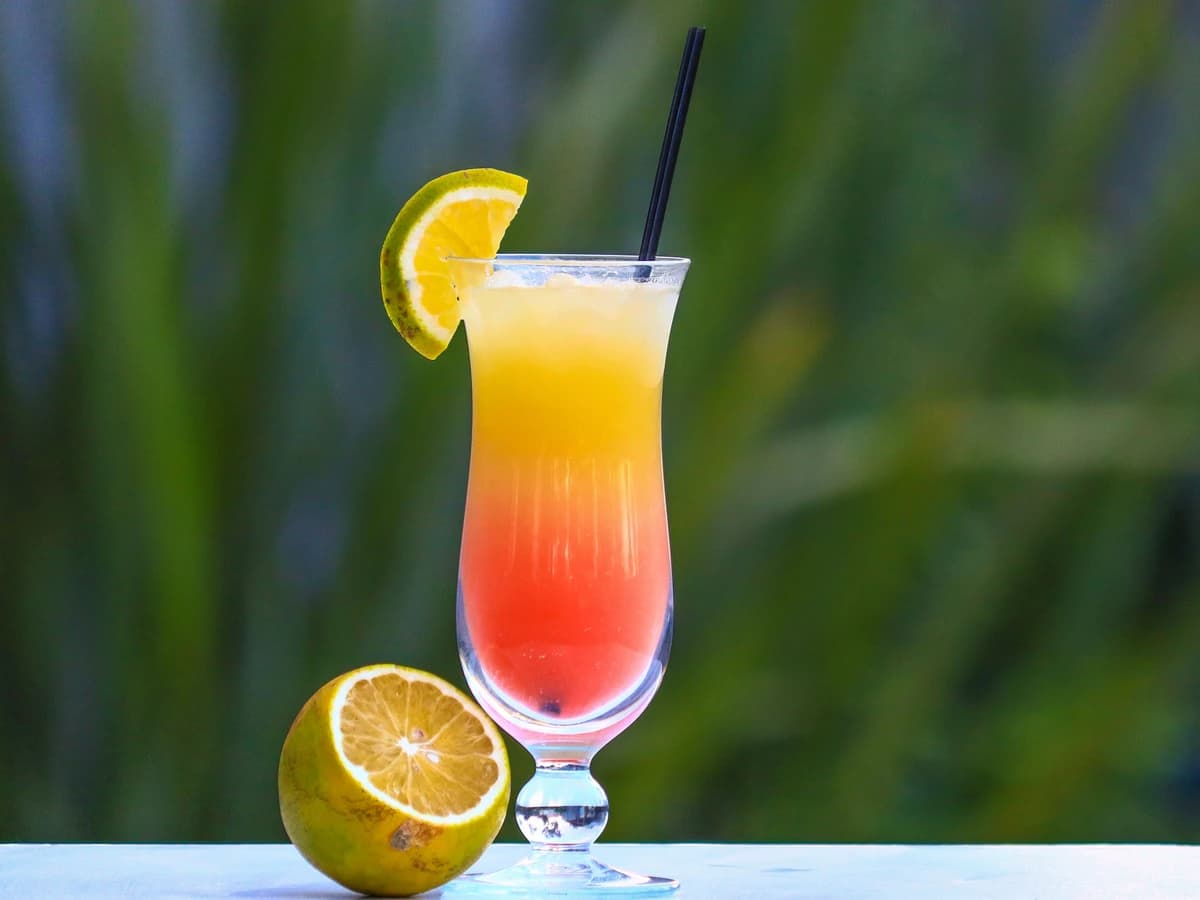
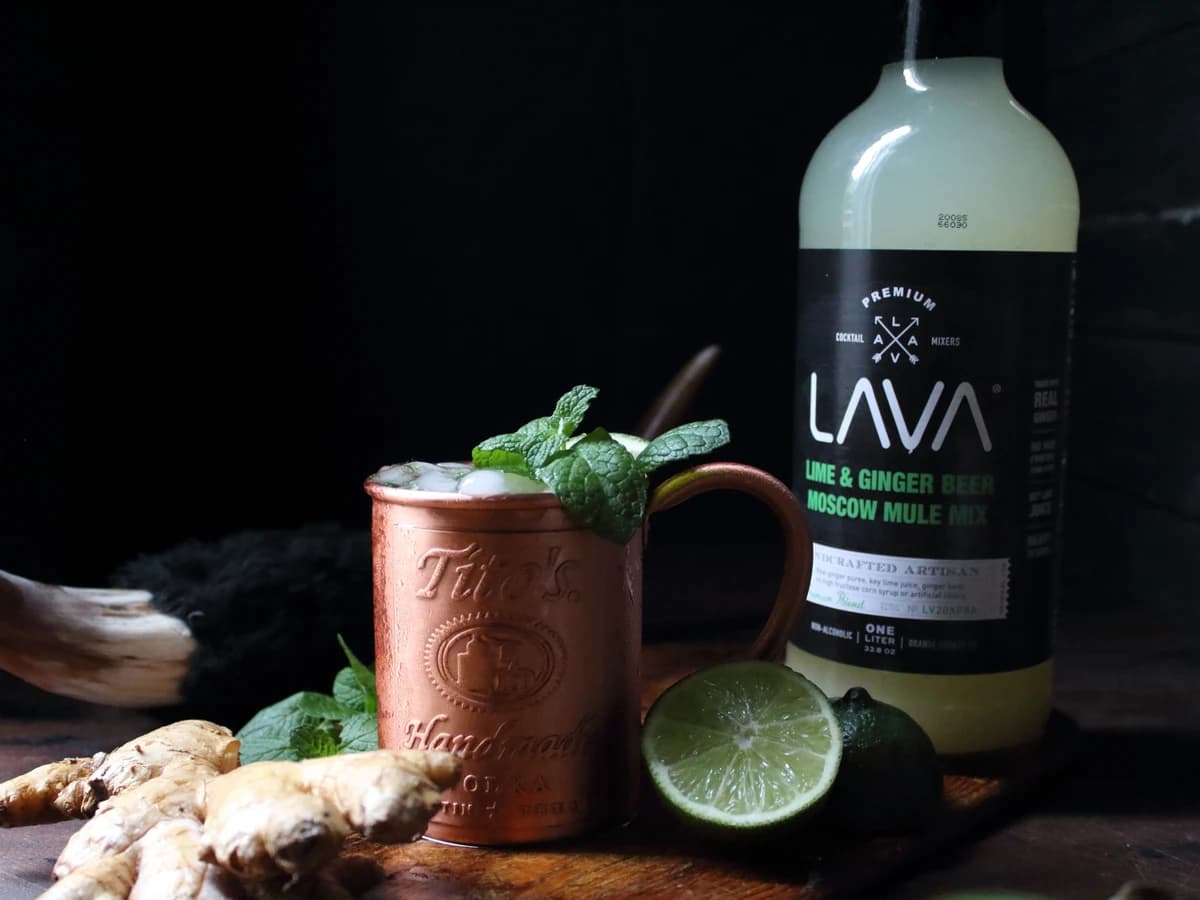
Shirley Temple
Ginger ale and grenadine with a maraschino cherry — a bright, fizzy classic mocktail.
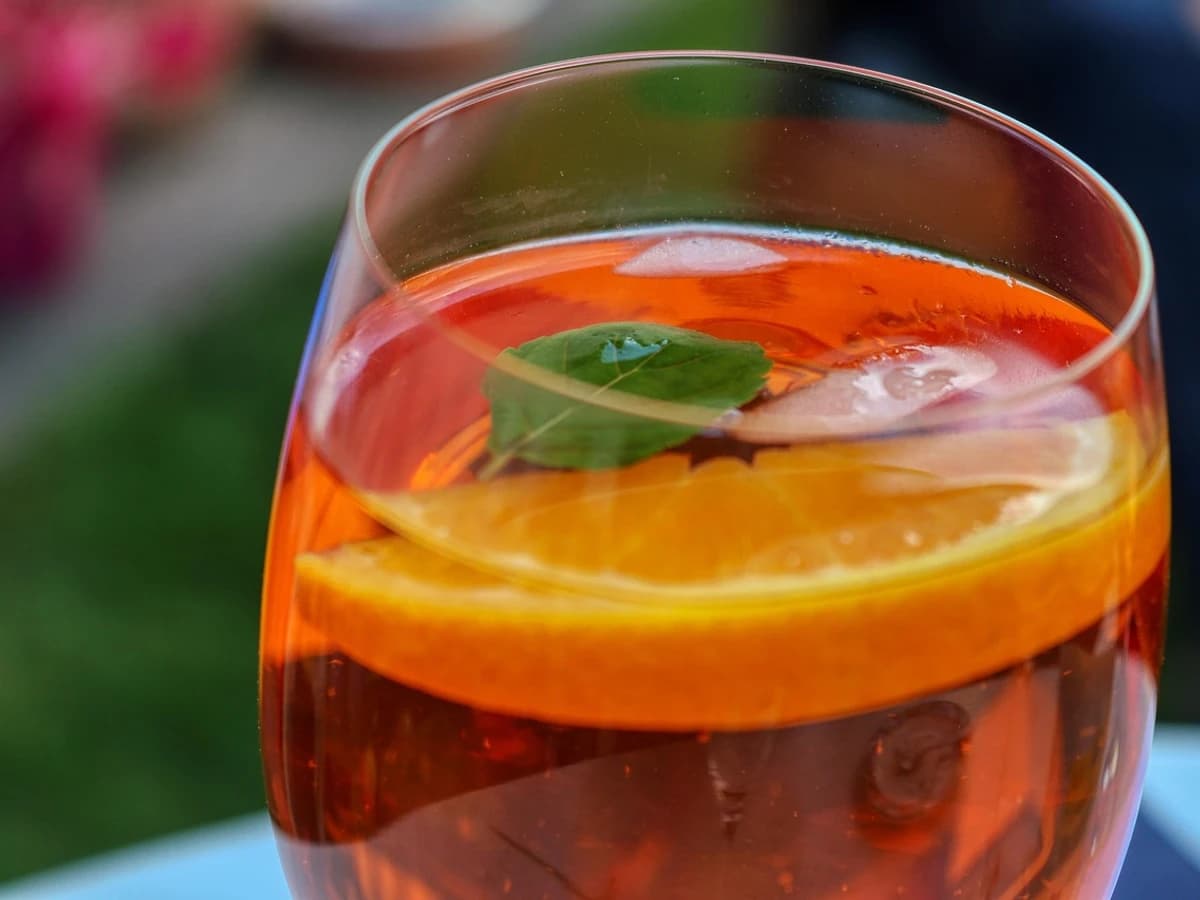
Garden Highball
Alcohol-free botanical spirit, tonic, cucumber and mint — a crisp, herbal highball for the garden.
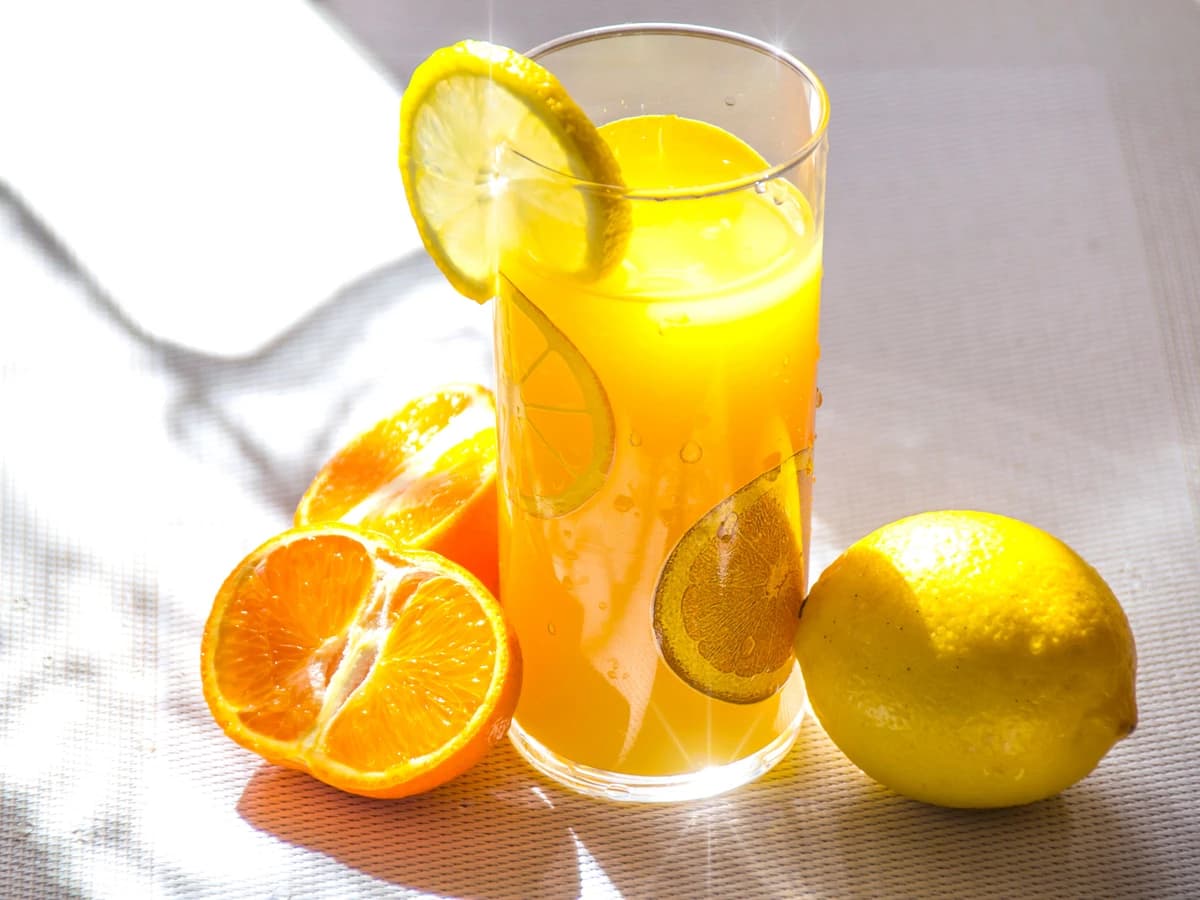
Ginger Lime Fizz
Ginger beer, lime and soda over ice with mint — a spicy, fizzy CocktailHQ original.
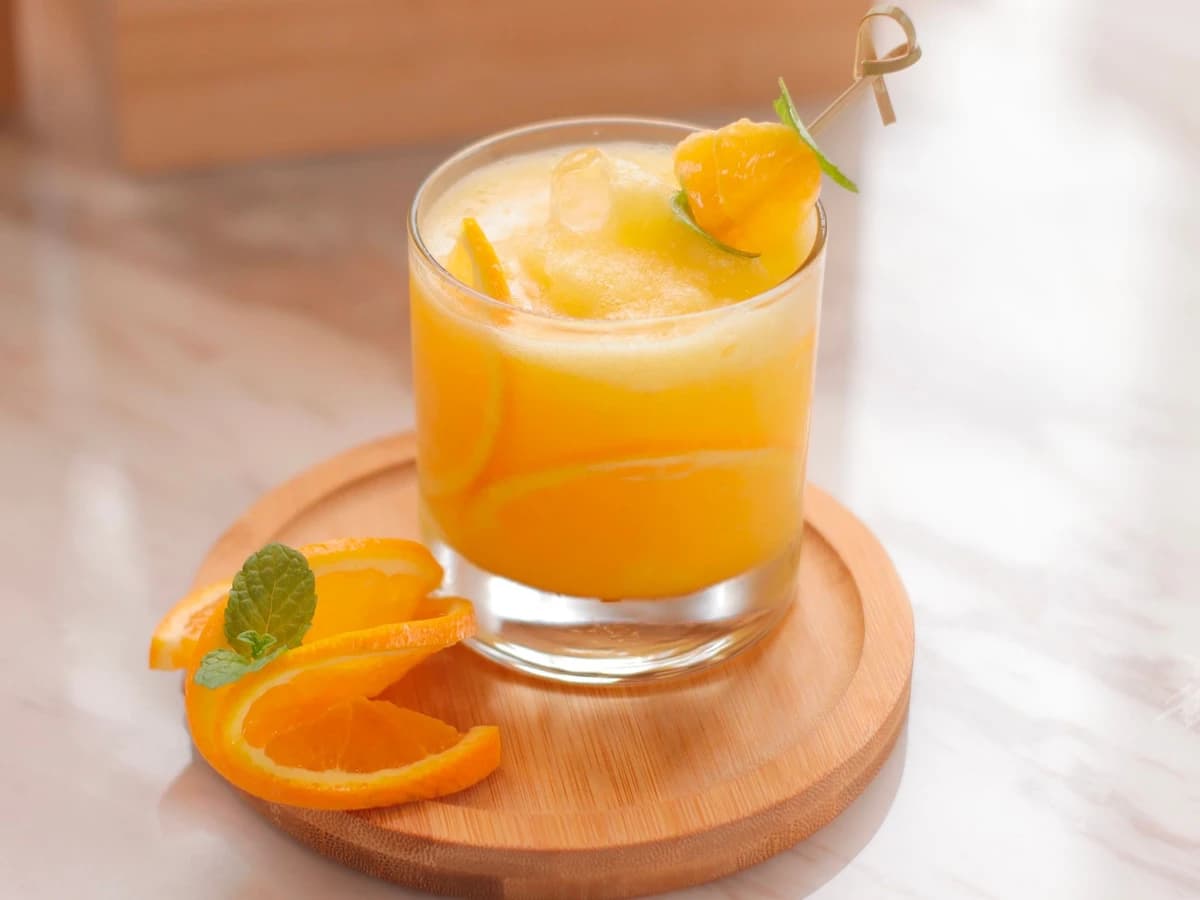
Kombucha Mule
Ginger kombucha and lime over ice — a tangy, faintly funky alcohol-free take on the Moscow Mule format.
Sparkling Cranberry Mocktail
Tart cranberry juice lengthened with soda and lime — a bright, festive-looking three-ingredient mocktail.
Cucumber Mint Cooler
Muddled cucumber and mint lengthened with lime and soda — a cool, green, alcohol-free highball.
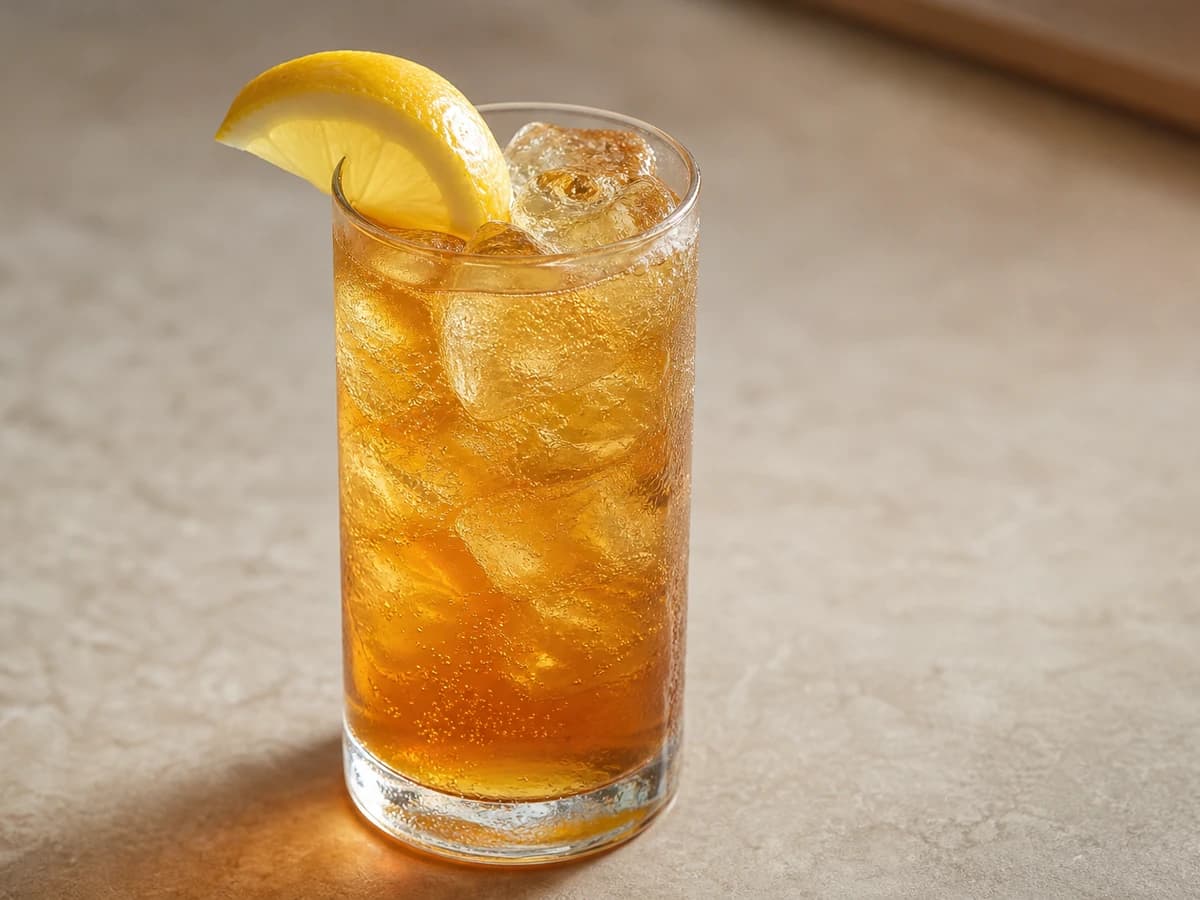
Roy Rogers
Cola and grenadine with a maraschino cherry — the cola-based sibling to a Shirley Temple.
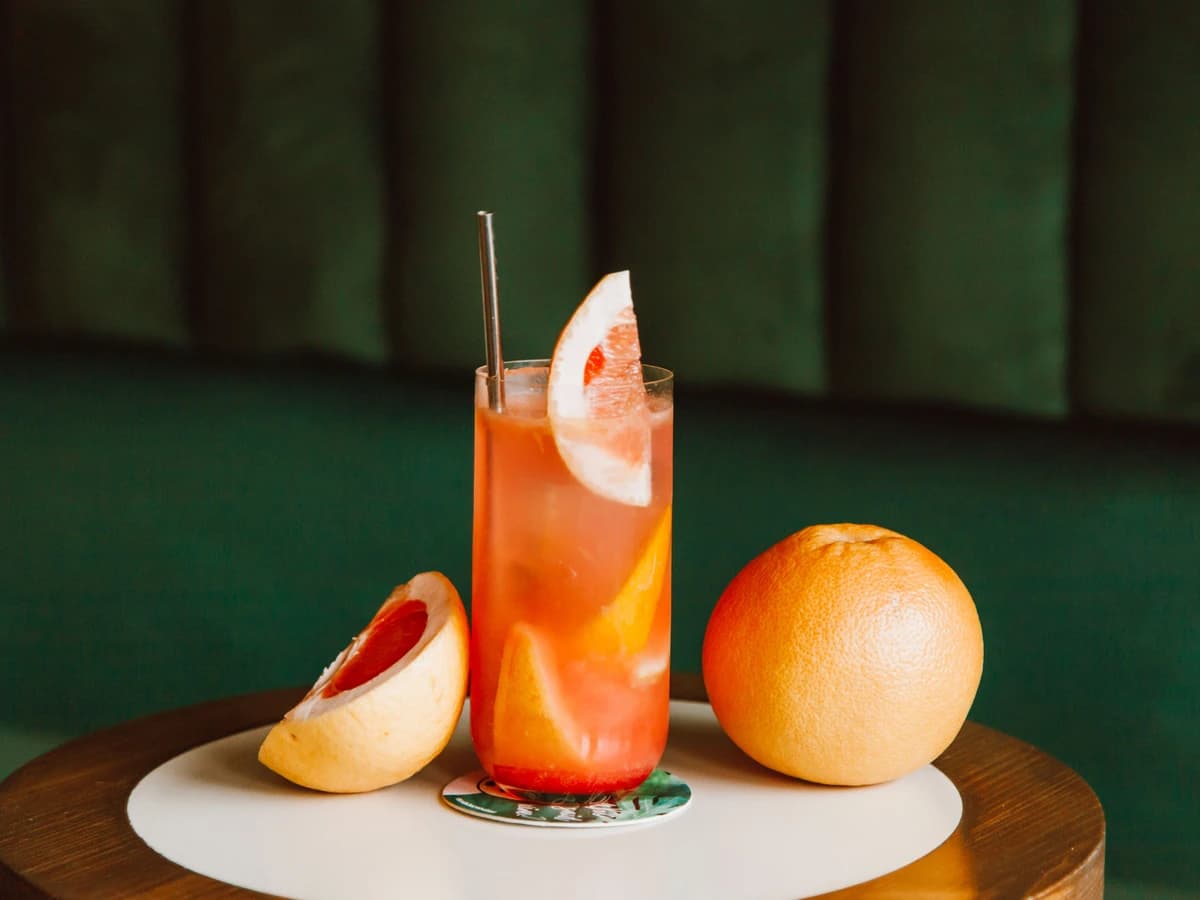
Virgin Sunrise
Orange juice and grenadine, layered so the colour bleeds from red to gold — the Tequila Sunrise without the tequila.
Virgin Sea Breeze
Cranberry and grapefruit over ice — the Sea Breeze's dry, tart half, which was always the interesting part.
Next door
Related families
How this structure connects to the rest of the canon.
Does the structure hold?
What these recipes are actually built from
The family is an editorial judgement. This is the independent structural read of the same recipes, worked out from their components — shown because the two agreeing is worth more than either claim on its own.
Long and lengthened
36 of 42A short measure stretched with a mixer or juice — the drink's length, not its concentration, is the point of it.
Sour-structured
6 of 42Something sour and something sweet held in balance over a base — the structure behind the whole sour family and everything descended from it.
36 of 42 read as long and lengthened. The rest differ because length, ice and service are part of what makes a family and none of them are visible in a component list — a drink can be built like a sour and served like a highball, and both descriptions are true.
Go deeper