Browse by spirit
Rum cocktails
Rum covers more ground than any other spirit here, from light, almost vodka-clean white rums to rich, molasses-dark aged pours. Light rum is the backbone of classic sours like the Daiquiri; dark and spiced rum carry tiki and tropical drinks. The range means 'a rum cocktail' can mean two very different drinks depending on which bottle you reach for.
Where to start with rum
the one it is known for
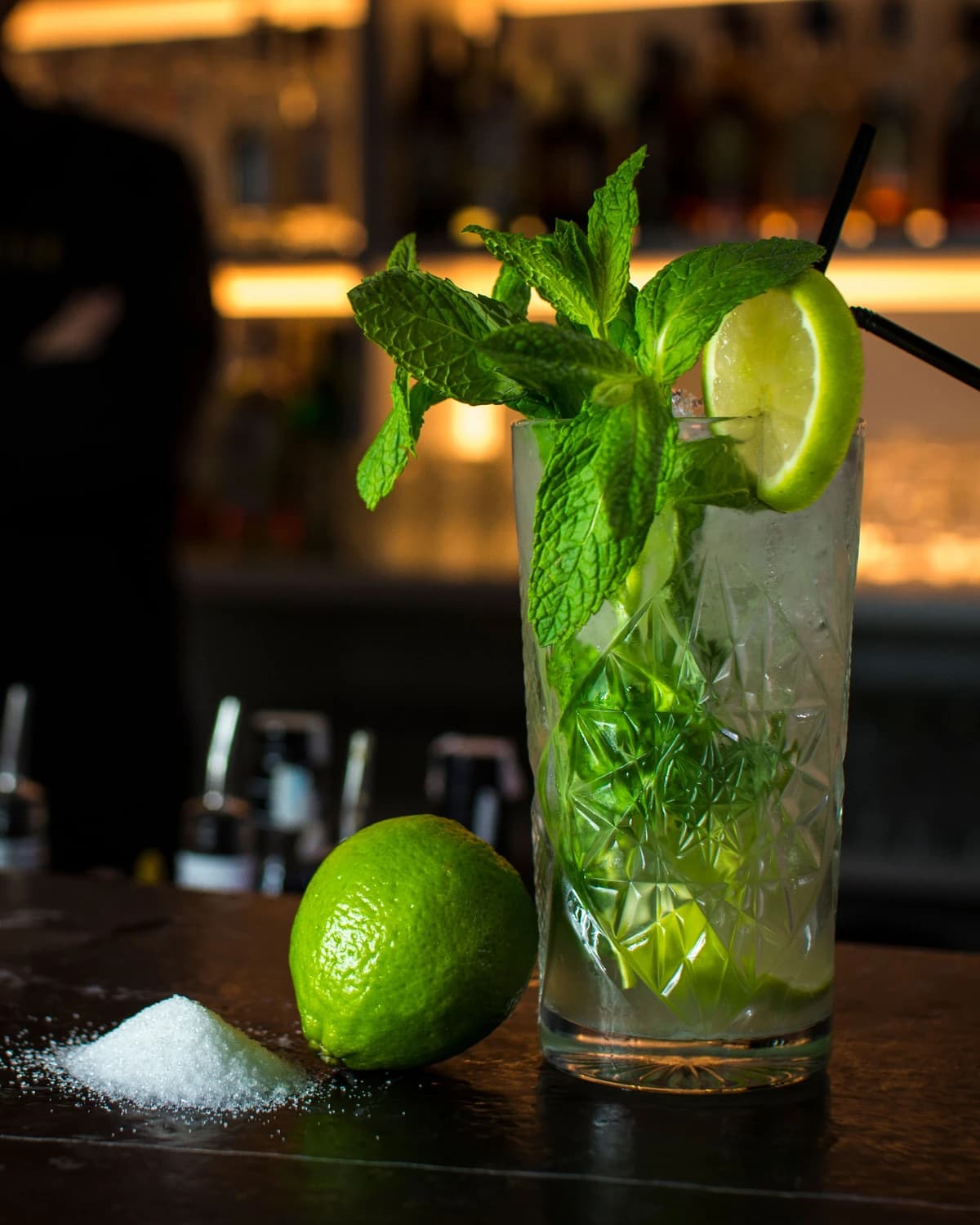
MojitoThe highball the category is built around, and the drink most others here are compared against.
the easiest to get right
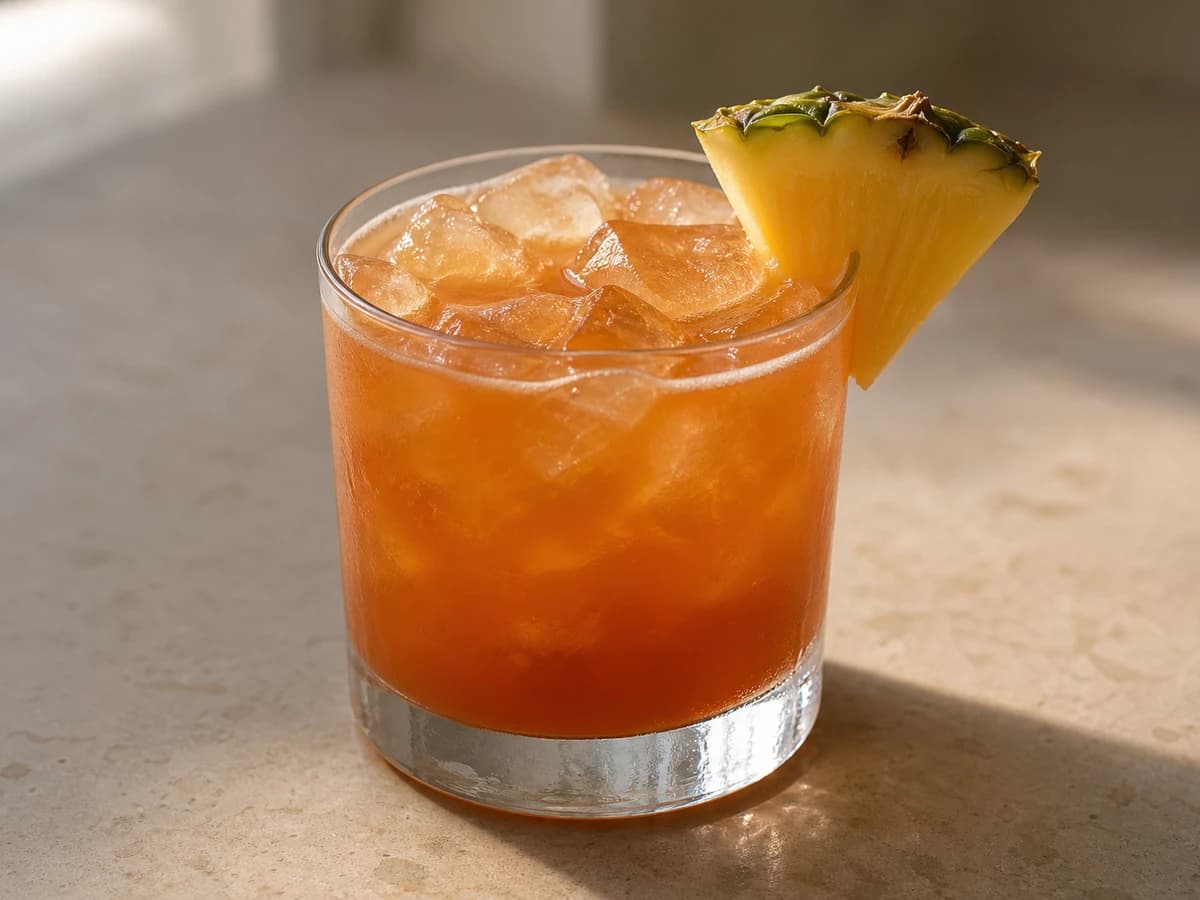
Cuba Libre3 ingredients, built, and about 3 minutes — very little to go wrong.
where it goes next
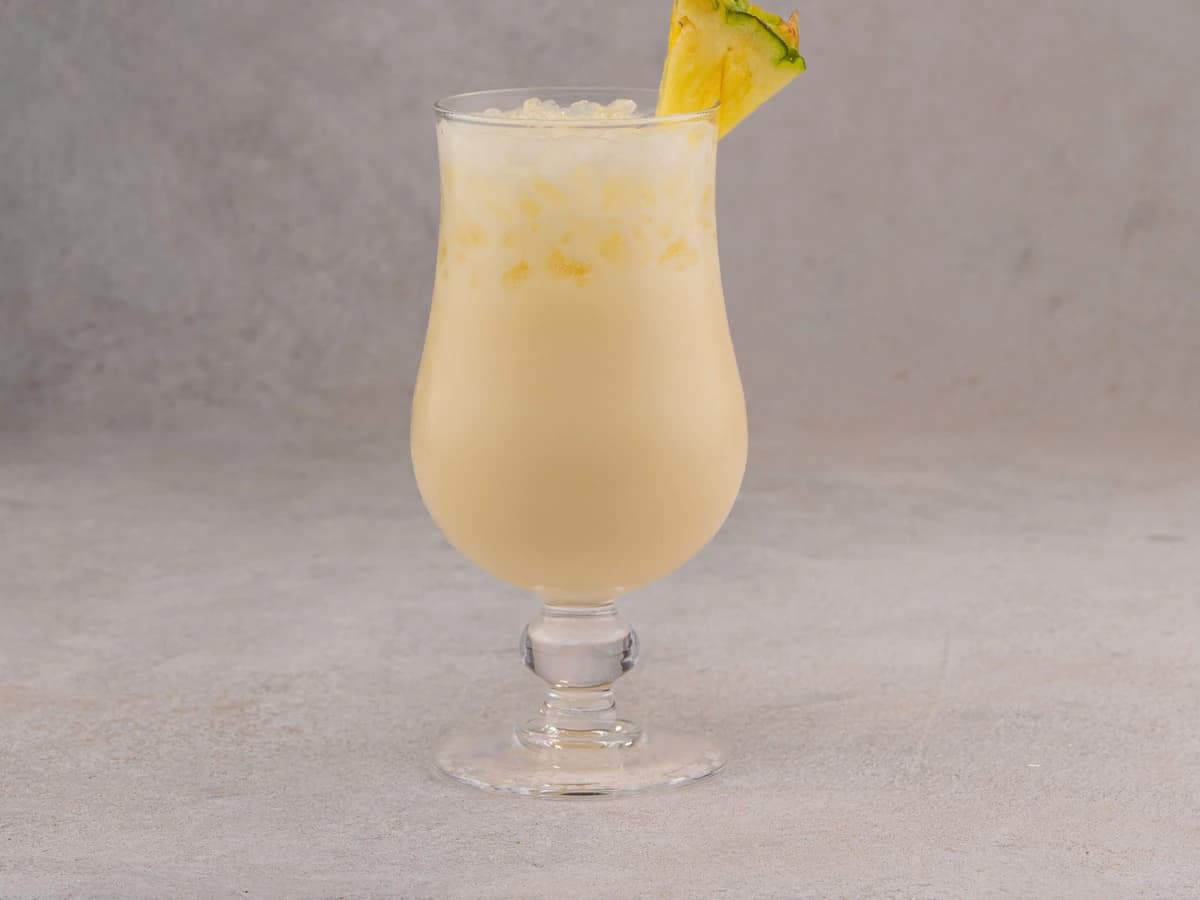
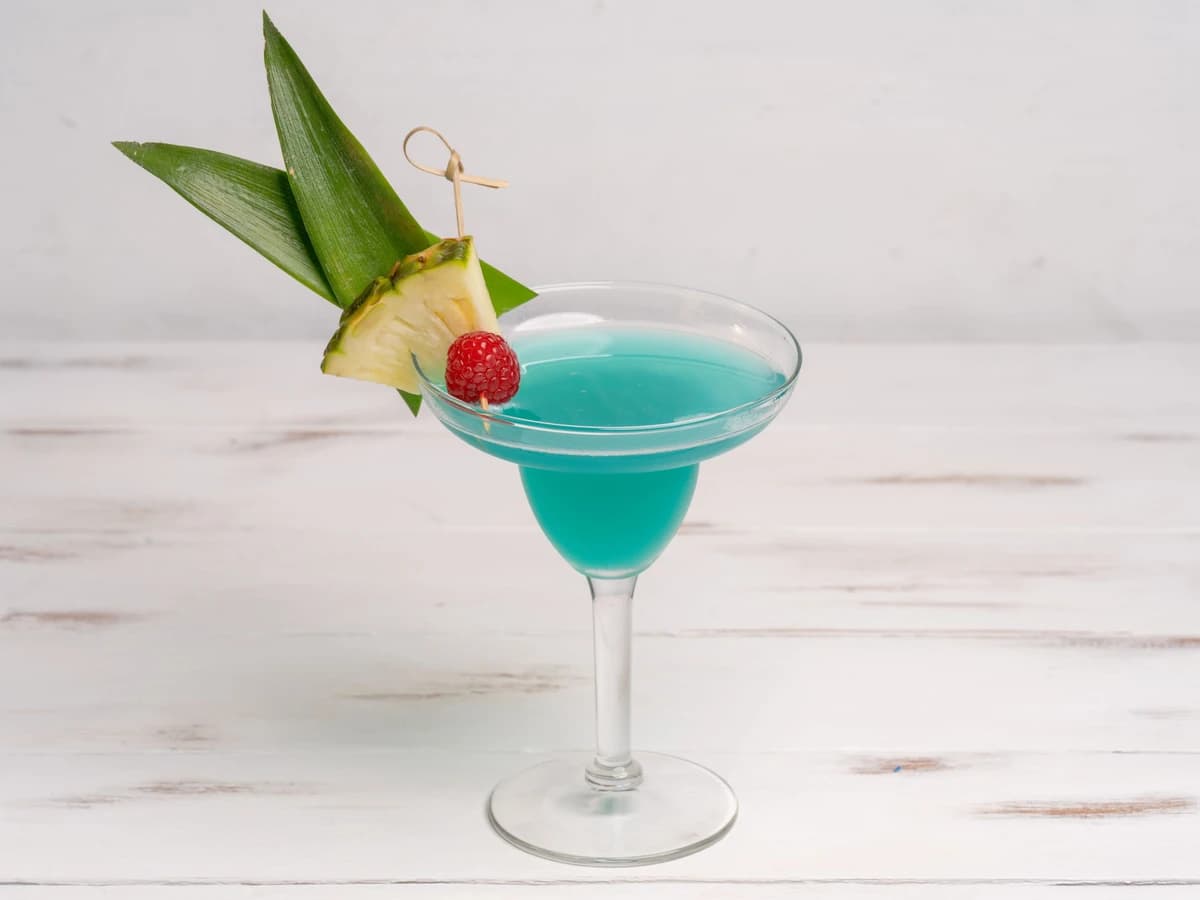
Blue HawaiianA blended tiki rather than a highball — tropical and sweet, and a different side of the same bottle.
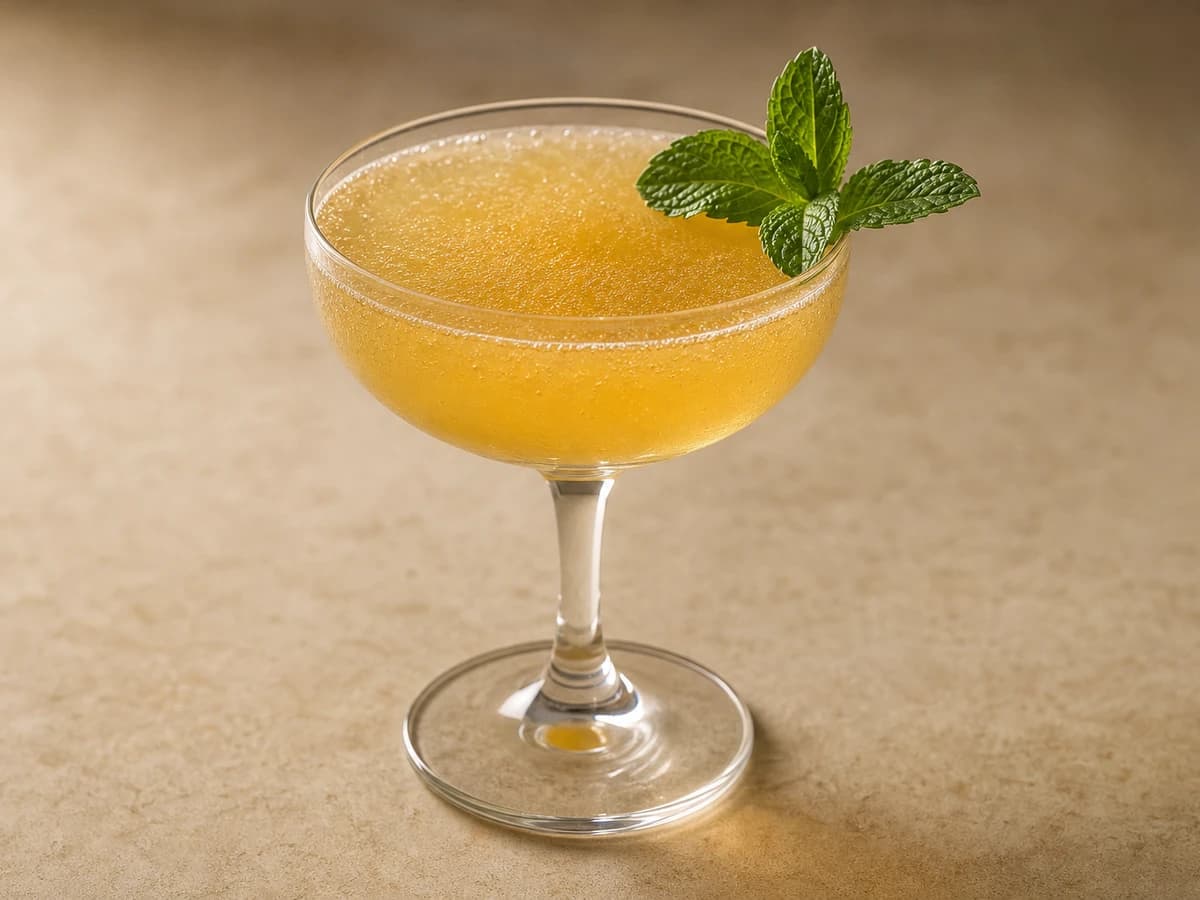
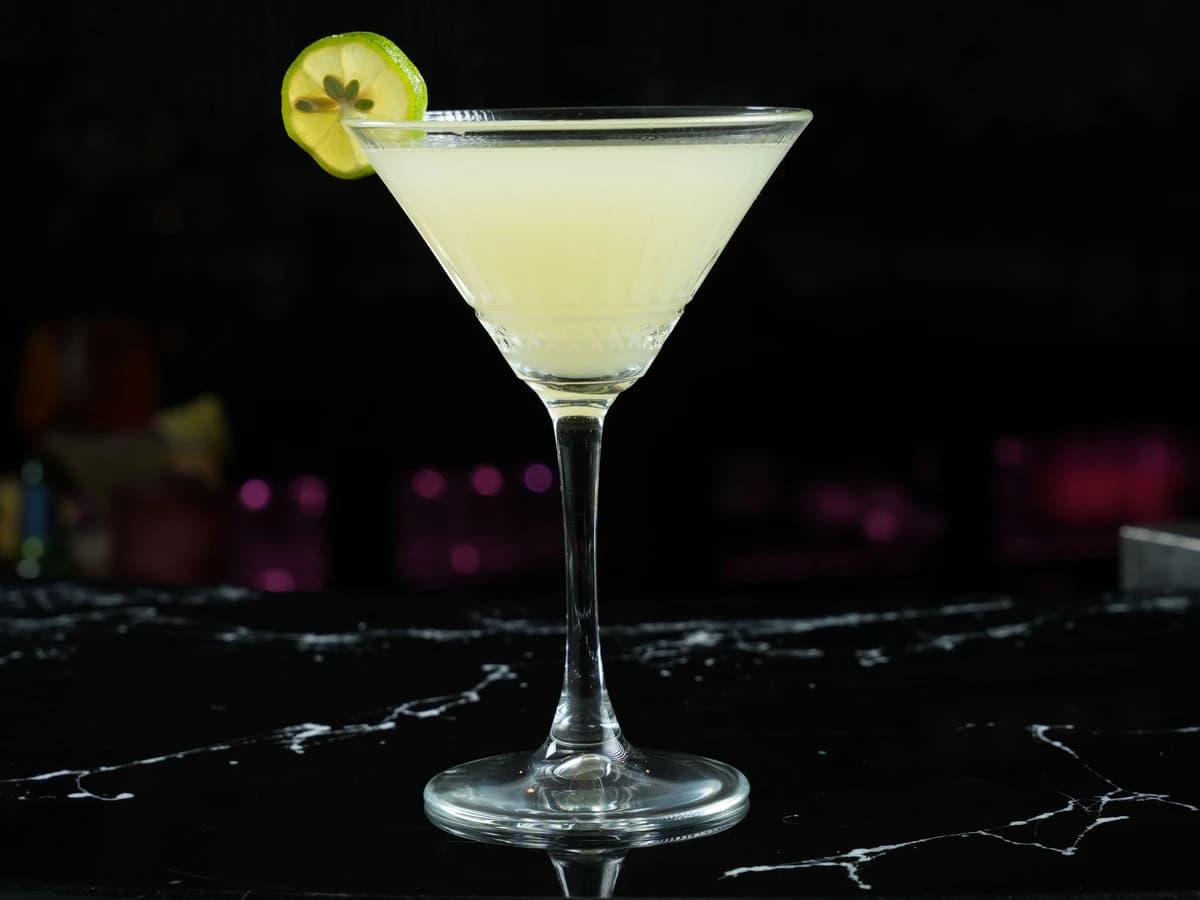
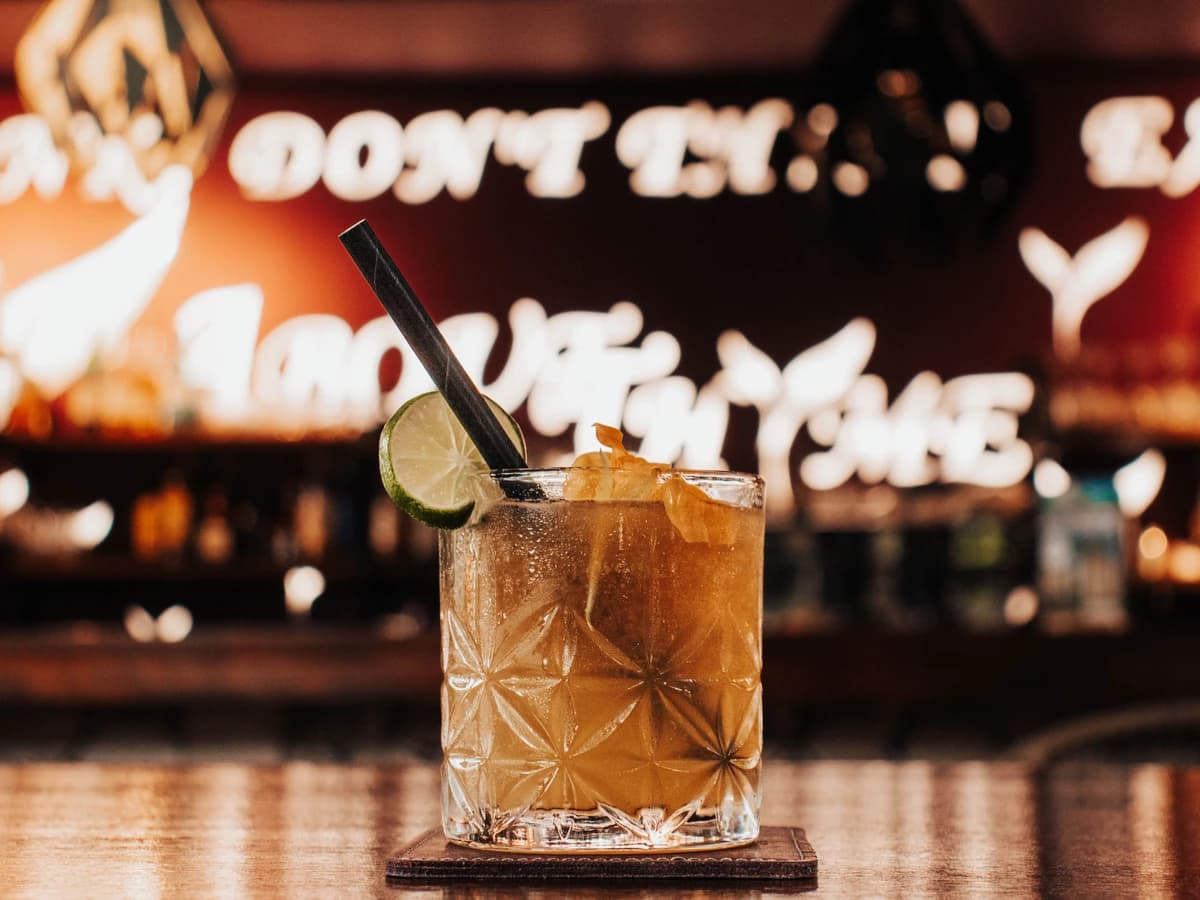
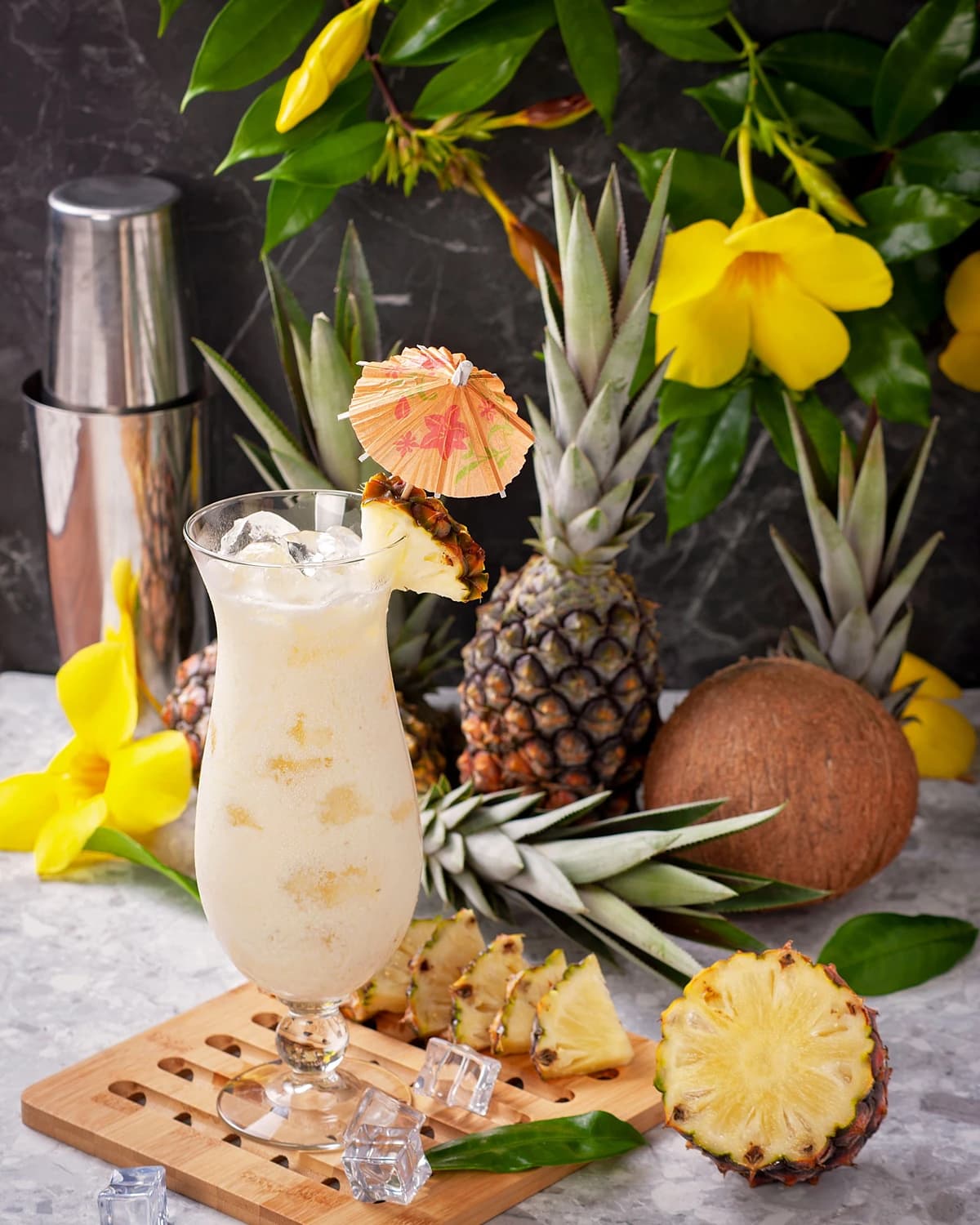
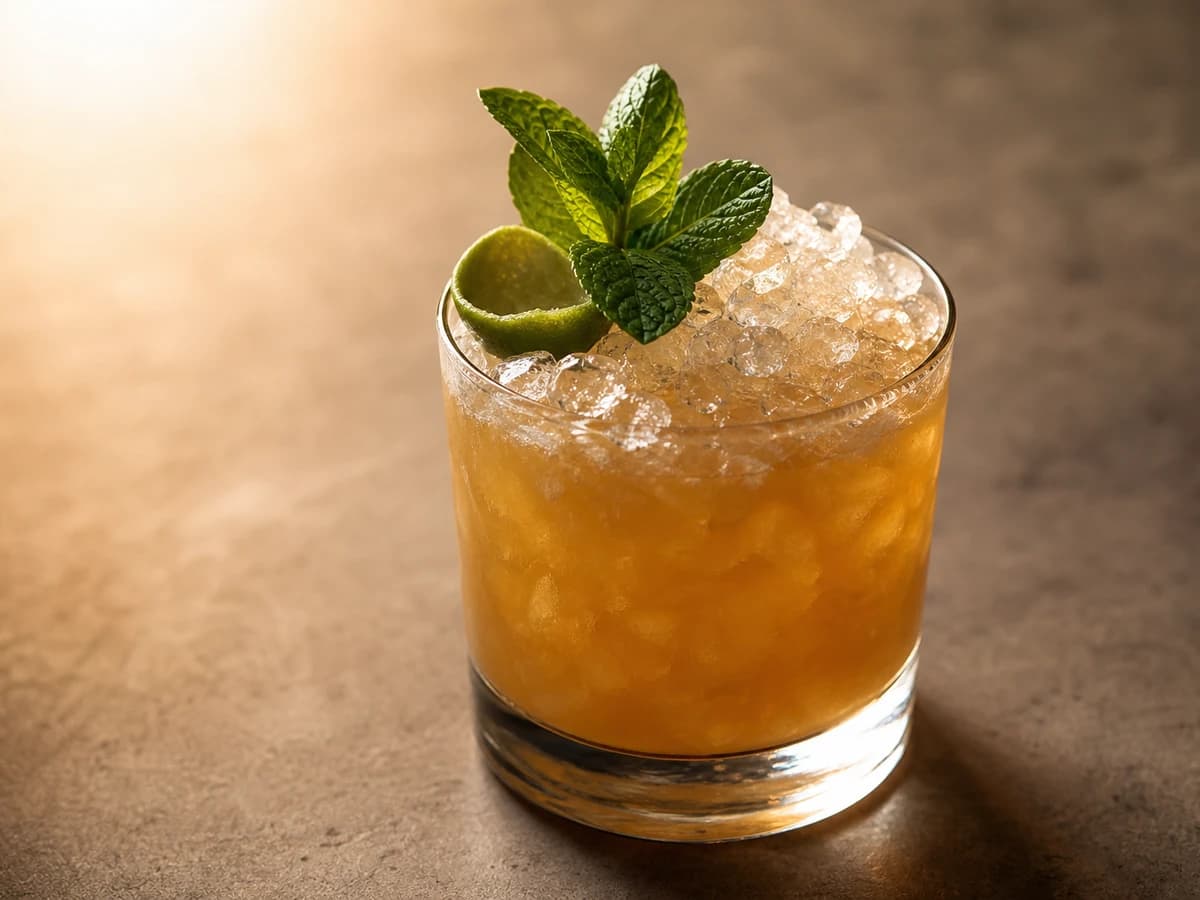
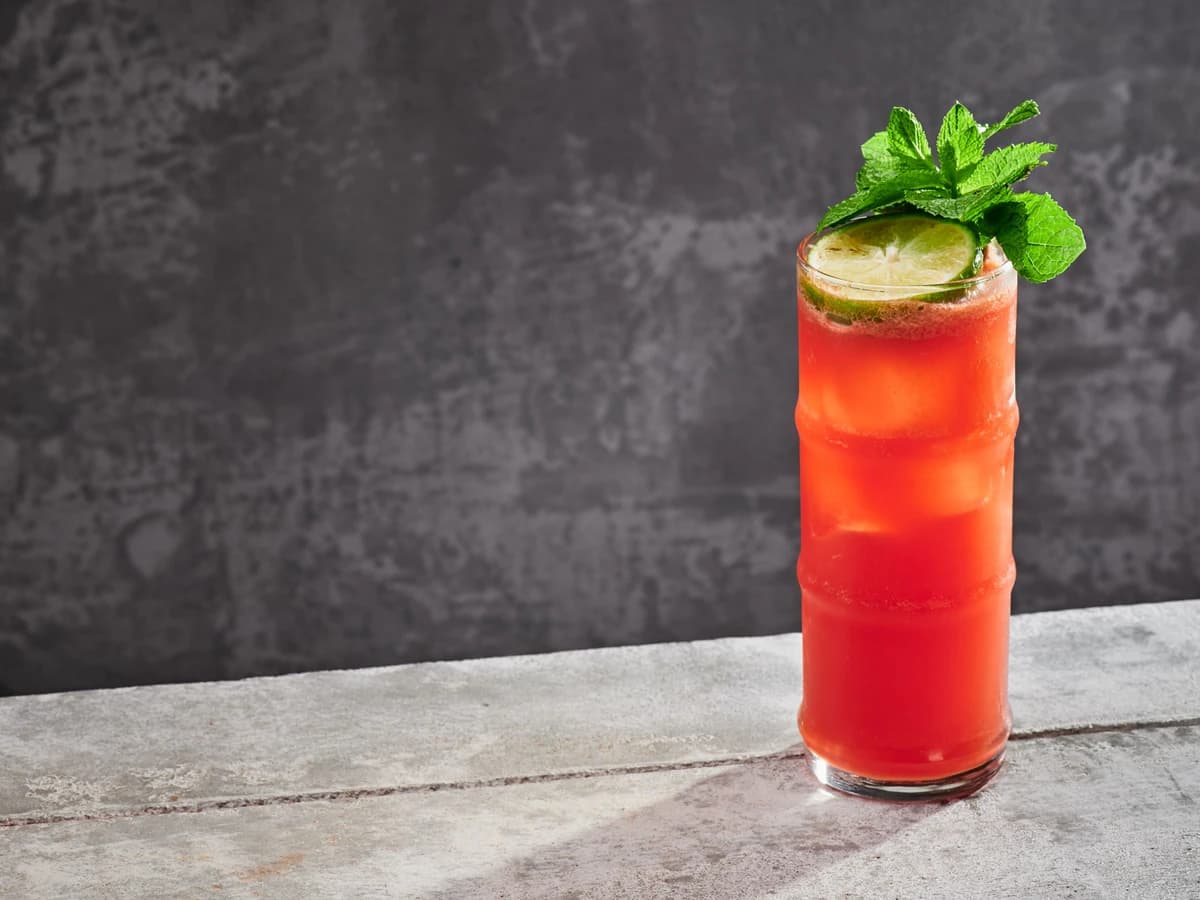
Bacardí Cocktail
White rum, lime and grenadine, shaken cold — a Daiquiri with a pink, pomegranate-sweetened twist.
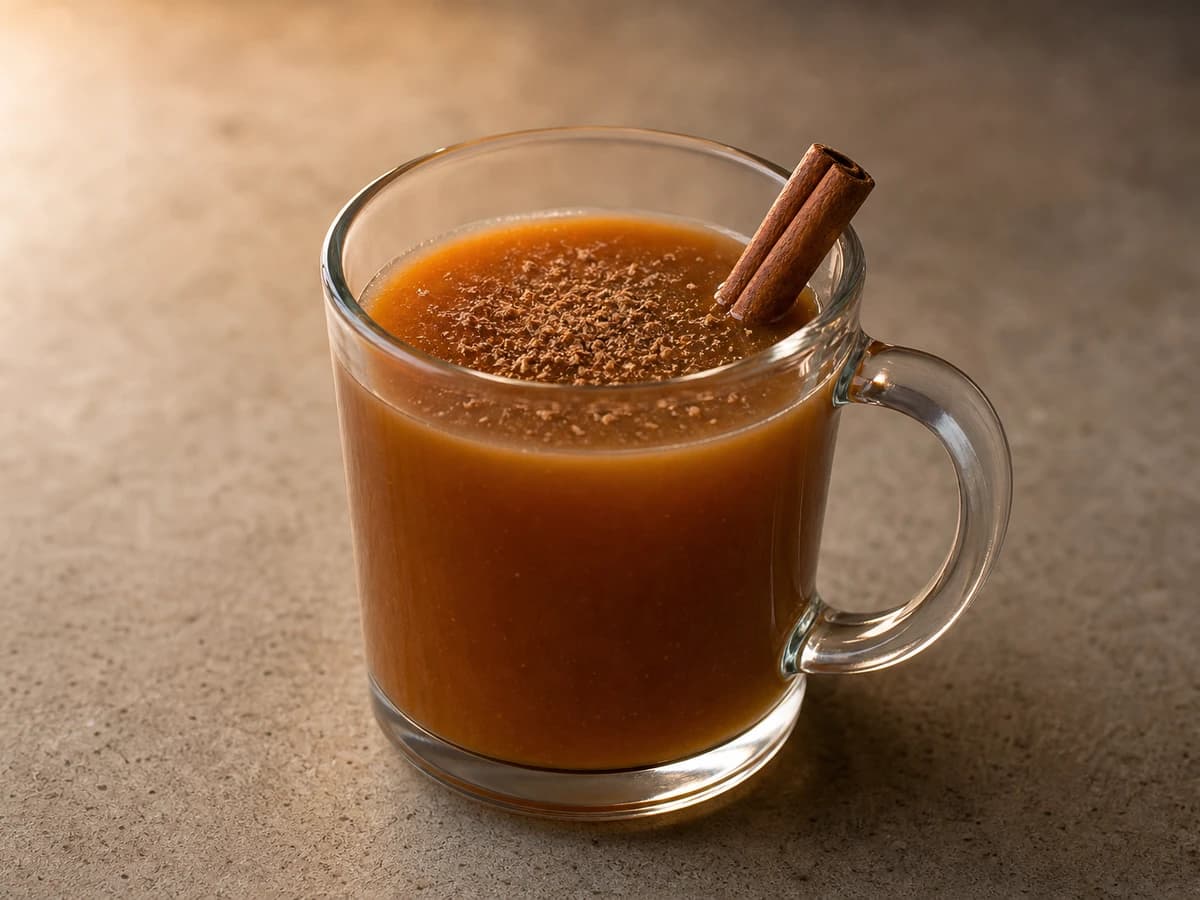
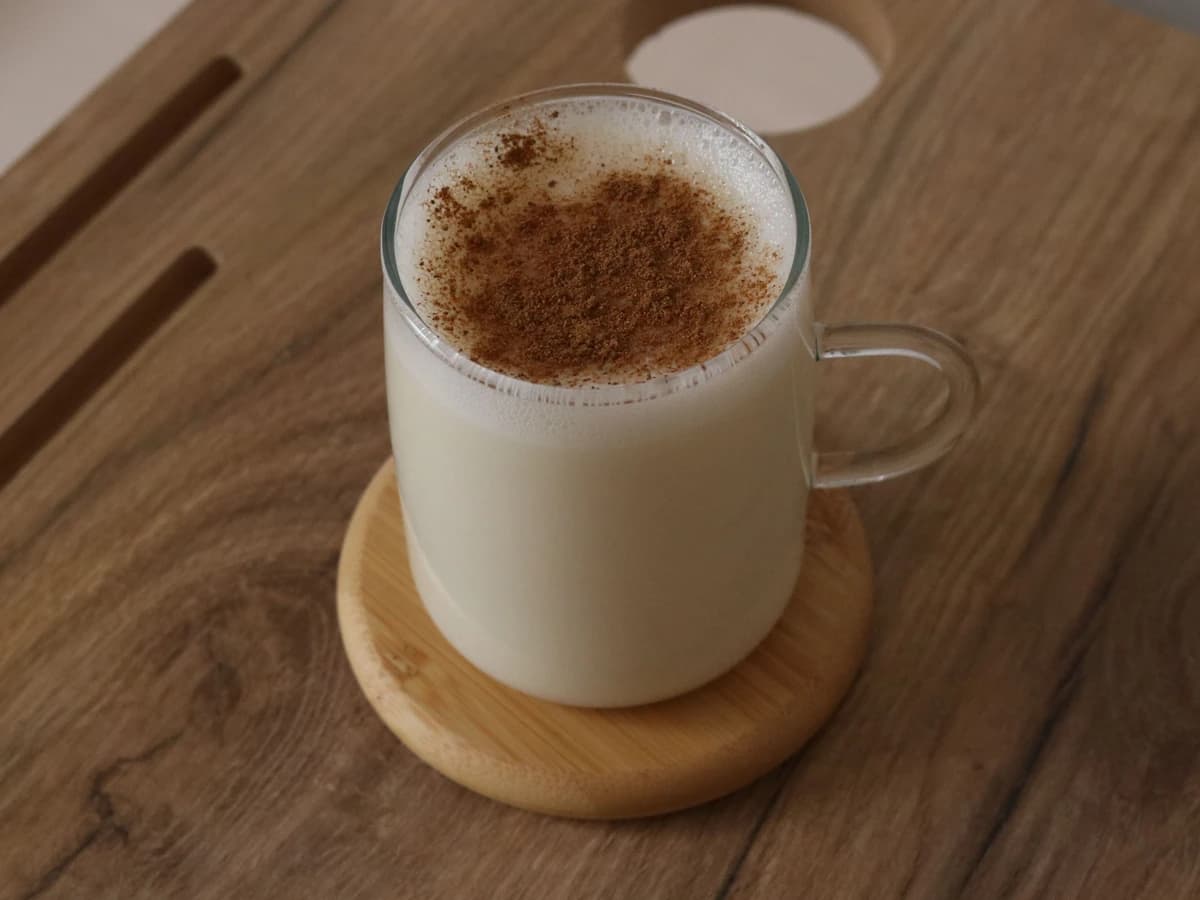
Vietnamese Coffee Cocktail
Dark rum stirred into strong iced coffee and sweetened condensed milk — a spirited take on Vietnamese cà phê sữa đá.
In depth
Understanding rum
Where the category comes from, how it is made, how its styles differ, and what that means in a drink.
Origin
Rum was developed in the Caribbean from molasses, the by-product of sugar refining — an industry built on the labour of enslaved people. That is not context around the spirit's history; it is its history, and it is documented in commercial and shipping records rather than inferred.
How it's made
Fermented and distilled from sugarcane, either as molasses or, in the agricole tradition, as fresh pressed cane juice. Pot stills produce heavier, high-ester spirit; column stills produce lighter. Ageing in a hot climate is fast, so age statements mean less than they would for Scotch.
Flavour
Enormously variable — the spread between a light Cuban-style rum and a Jamaican pot-still is wider than the gap between some entirely separate spirit categories.
What it does in a drink
Rum is the only category where 'rum' as a recipe instruction is genuinely under-specified. Tiki drinks exist largely to exploit that range, blending two or three styles to build complexity a single bottle cannot reach.
Styles worth knowing
- Light / Spanish-style
- Column-distilled, filtered, briefly aged. Cuban and Puerto Rican tradition — the base of the Daiquiri and Mojito.
- Jamaican pot-still
- Long fermentations, often with dunder. Intensely fruity high-ester 'funk' — the loudest rum style there is.
- Rhum agricole
- Fresh cane juice rather than molasses. Grassy and vegetal; Martinique's has held a French AOC since 1996.
- Dark / aged
- Barrel character plus, frequently, added caramel — labels rarely distinguish the two.
Substituting within the category
Swap within a style freely; swap across styles knowingly. Putting a light Cuban-style rum where a recipe wants Jamaican pot-still removes most of what the drink was built around.
What's established
- documented
Rum was developed from molasses, a by-product of Caribbean sugar refining.
Traceable through seventeenth-century colonial production and trade records.
Supported by contemporary printed sources — a dated book, menu, newspaper or legal record.
- documented
Caribbean sugar and rum production was built on the labour of enslaved people.
Extensively documented in shipping, plantation and abolition-era records. Not a contested point.
Supported by contemporary printed sources — a dated book, menu, newspaper or legal record.
- documented
Rum has no region-wide production standard comparable to Scotch or Cognac.
Demonstrable by absence: individual countries have rules, the category as a whole does not.
Supported by contemporary printed sources — a dated book, menu, newspaper or legal record.