Layered rum and multiple citrus
The Tiki family
Complex rum drinks with several acids and an aromatic sweetener — technically ambitious, and not from where the décor suggests.
Tiki drinks are the most technically demanding family in common circulation: multiple rums blended for character, more than one citrus, a sweetener with real flavour of its own, and ice worked deliberately rather than dropped in.
They are also American commercial inventions of the 1930s rather than any Pacific tradition — a distinction the history section takes seriously, because the drinks deserve their reputation and the packaging does not.
The formula
Two or more rums · two or more citrus · an aromatic sweetener (orgeat, falernum) · crushed ice.
What makes a drink one of these
- Rum-based, usually blending two or more styles.
- More than one citrus, most often lime plus grapefruit or orange.
- An aromatic sweetener — orgeat, falernum, or a spiced syrup — rather than plain sugar.
- Crushed or pebble ice, where fast dilution is designed into the recipe.
- Elaborate garnish as part of the format.
Why the rum blend matters
A single rum rarely carries a tiki drink, because the family's whole idea is layering: a light Cuban-style rum for structure, a Jamaican pot-still for its high-ester funk, sometimes an aged rum for weight. Substituting one generic rum for the blend flattens the drink noticeably.
This is the family where 'rum' as an ingredient instruction is most inadequate — the styles differ more than some separate spirit categories.
Crushed ice is structural
These drinks are built around fast dilution. Crushed ice chills almost instantly and melts quickly, which softens what would otherwise be a very strong, very sweet mixture as you drink it — and is why they are traditionally drunk fast, through a straw, while still properly cold.
Serving a Mai Tai over a single large cube is not a refinement; it is a different and worse drink.
Show your working
What's established about this family
History claims graded the same way the rest of the site grades them.
- documented
Tiki bars were an American commercial invention of the 1930s, not a Polynesian tradition.
The founding businesses, locations and opening dates are all a matter of record.
Supported by contemporary printed sources — a dated book, menu, newspaper or legal record.
- documented
Tiki recipes were deliberately obscured with coded and numbered syrups.
Attested in surviving business records and staff accounts, and the reason later reconstruction was necessary.
Supported by contemporary printed sources — a dated book, menu, newspaper or legal record.
- disputed
Trader Vic created the Mai Tai in 1944.
Contested by Don the Beachcomber's side, argued publicly by both parties, never settled.
Two or more serious accounts contradict each other, and the disagreement has never been settled.
The family
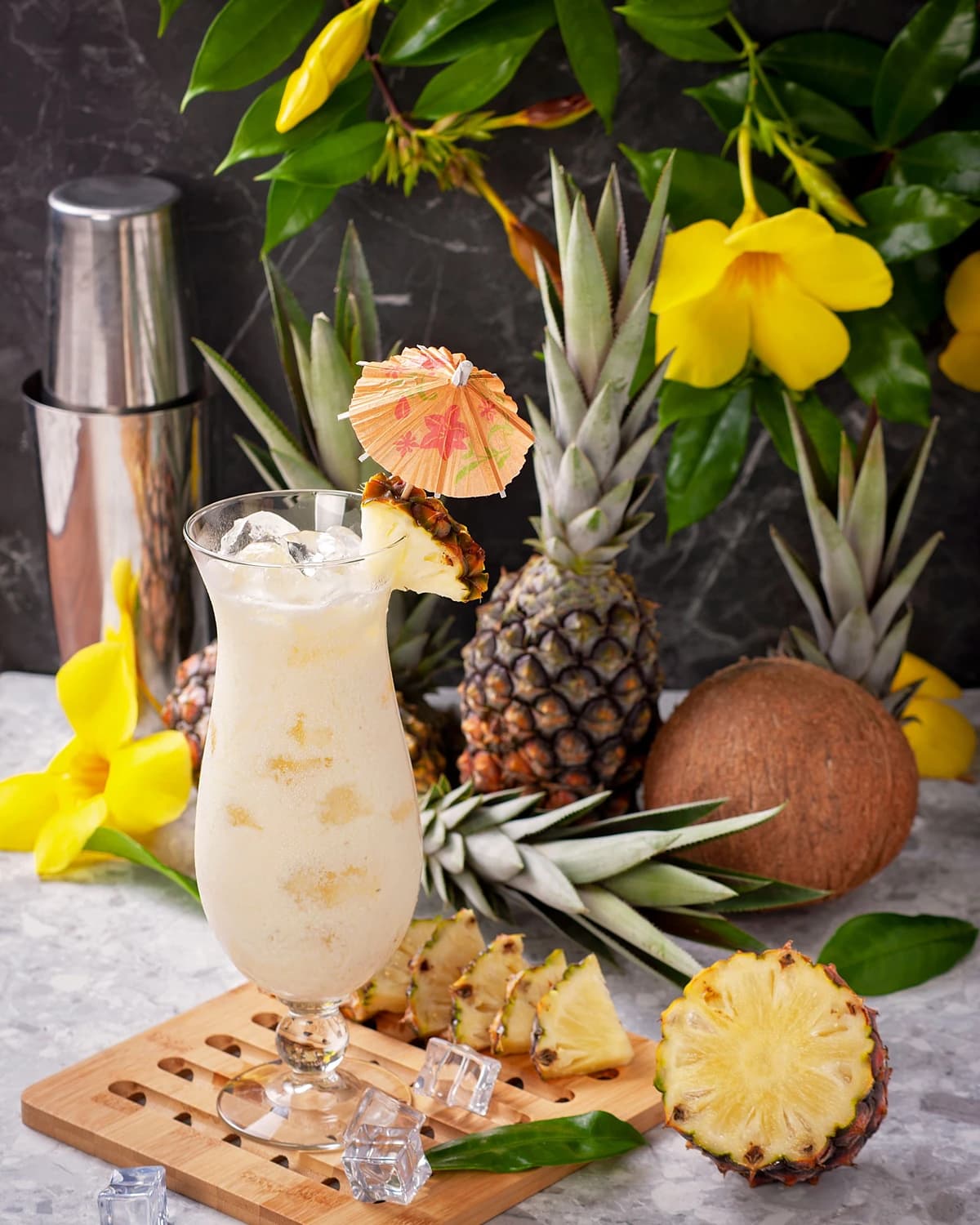
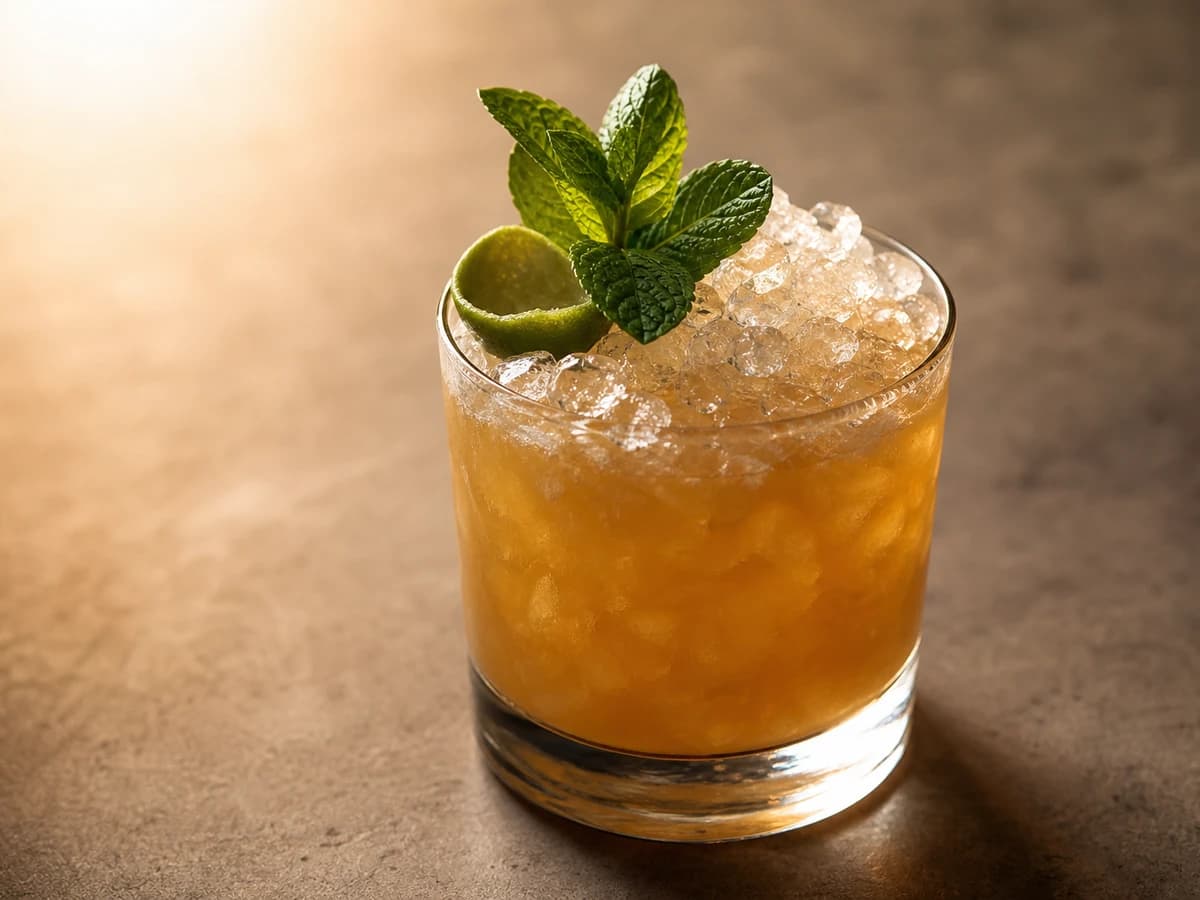
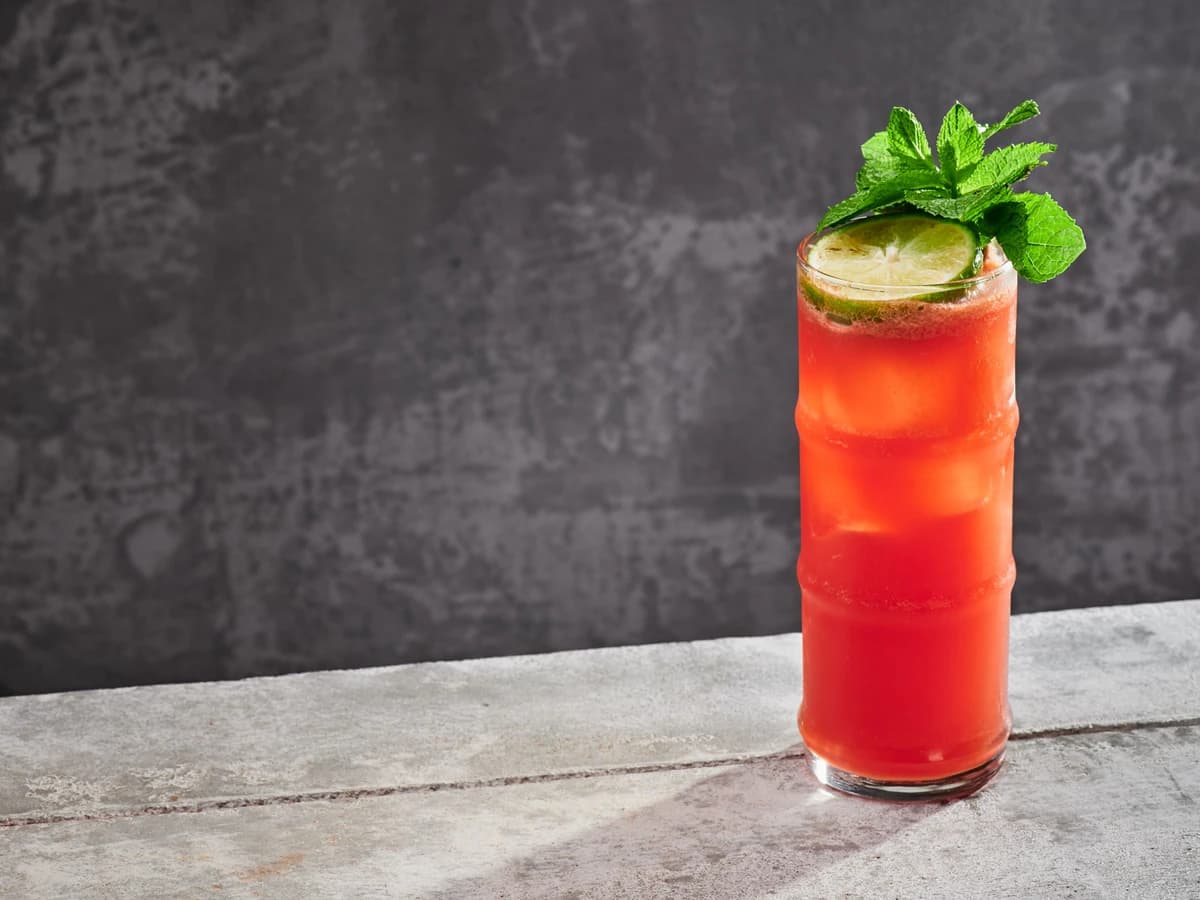
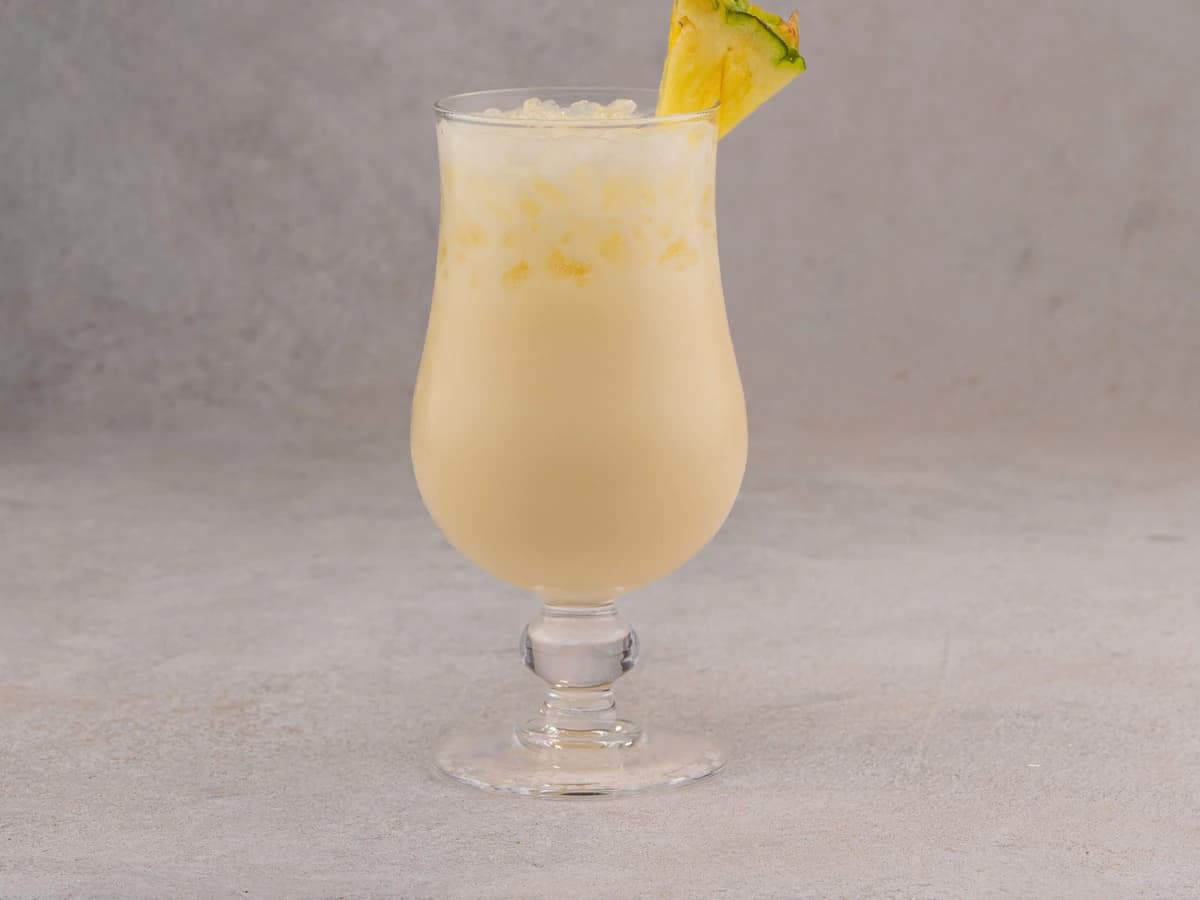
17 recipes
Every recipe on the site built to this structure.
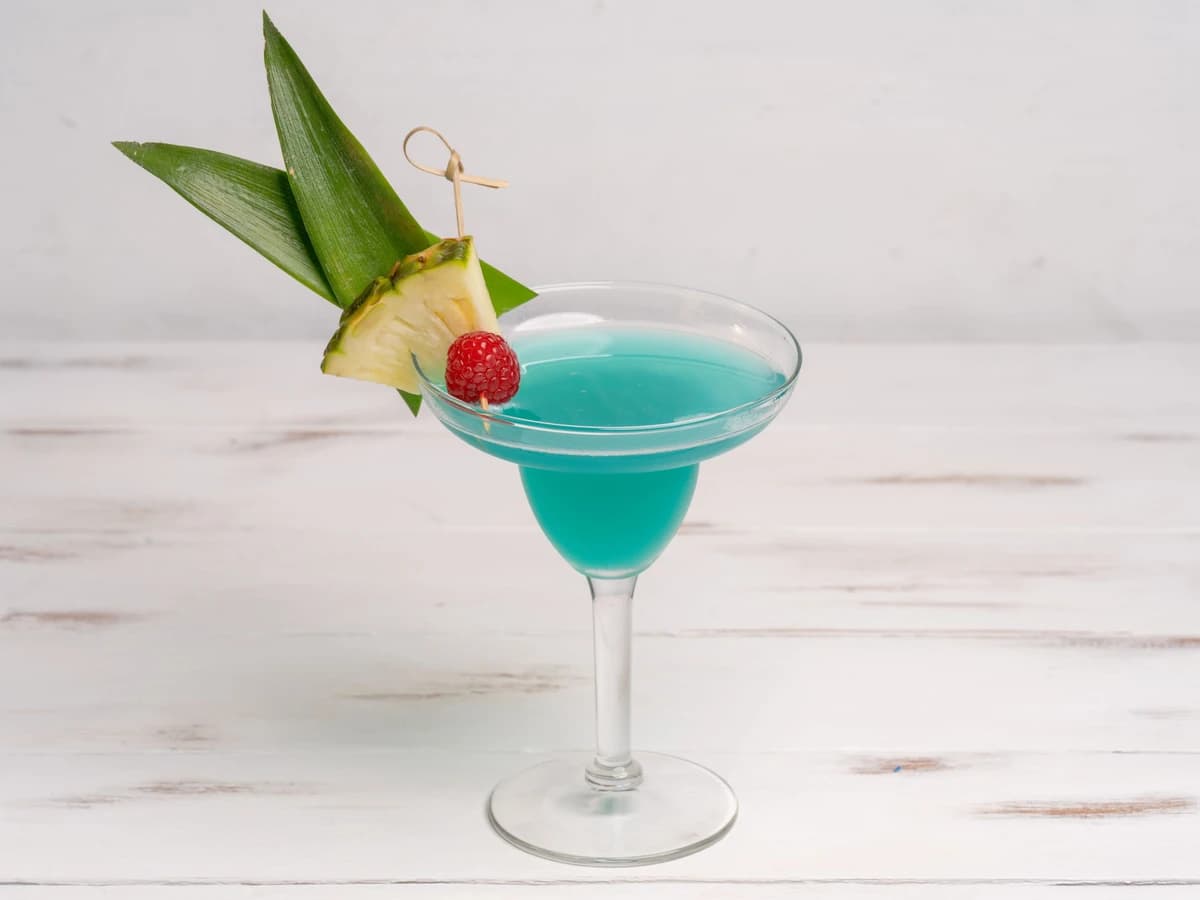
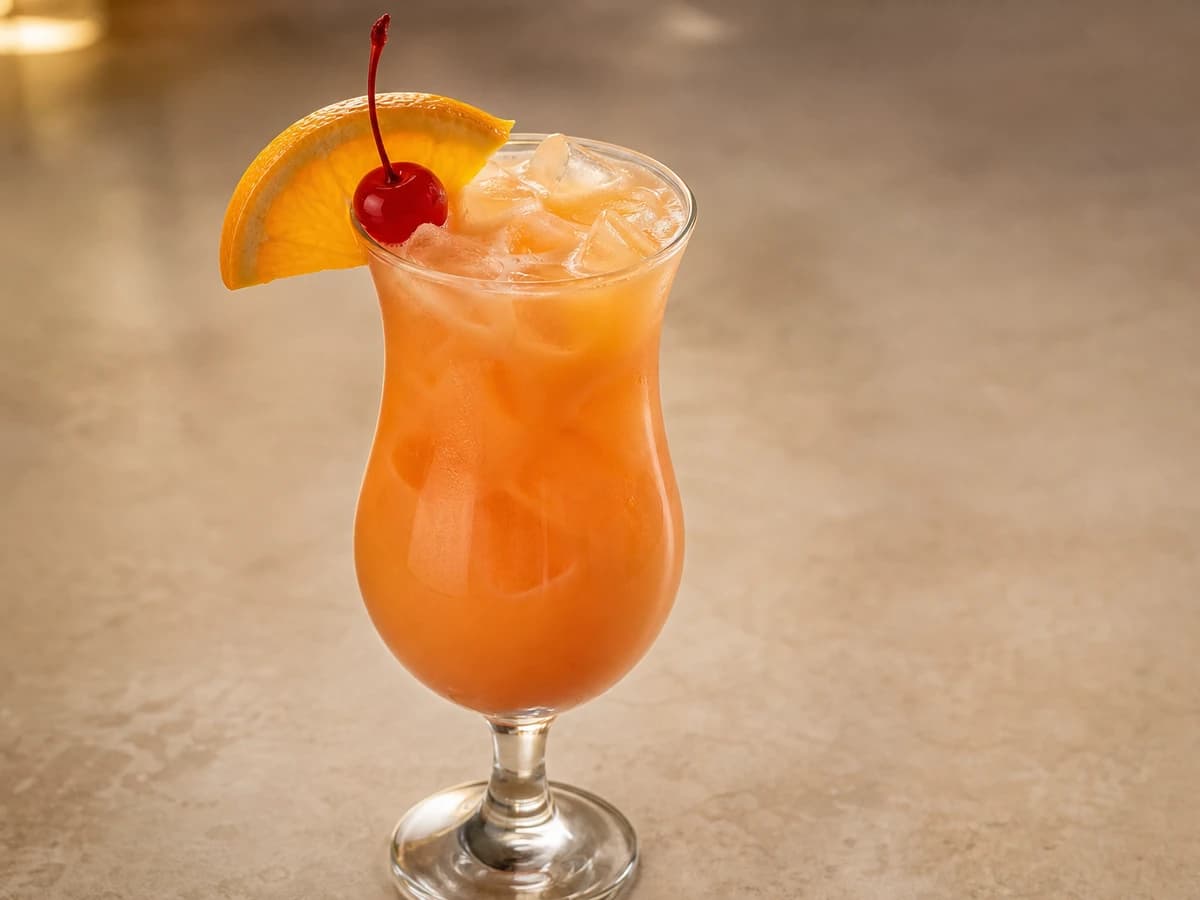
Three Dots and a Dash
Dark and gold rum shaken with citrus, falernum and allspice dram — a spiced tiki classic named for its Morse-code cherry garnish.
Queen's Park Swizzle
Rum, lime, mint and sugar swizzled through crushed ice, with a float of Angostura on top.
Next door
Related families
How this structure connects to the rest of the canon.
Does the structure hold?
What these recipes are actually built from
The family is an editorial judgement. This is the independent structural read of the same recipes, worked out from their components — shown because the two agreeing is worth more than either claim on its own.
Sour-structured
12 of 17Something sour and something sweet held in balance over a base — the structure behind the whole sour family and everything descended from it.
Rich and creamy
4 of 17Built around dairy or cream, so richness rather than acidity carries the drink.
Long and lengthened
1 of 17A short measure stretched with a mixer or juice — the drink's length, not its concentration, is the point of it.
12 of 17 read as sour-structured. The rest differ because length, ice and service are part of what makes a family and none of them are visible in a component list — a drink can be built like a sour and served like a highball, and both descriptions are true.
Go deeper