Fernandito
Fernet-Branca and cola over ice — Argentina's most popular mixed drink.
- Difficulty
- easy
- Prep time
- 1 min
- Strength
- 9.3% ABV
- Glassware
- Rocks glass or highball glass
- Base
- liqueur led
- Serves
- 1
Related drinks
Method
- Fill a large glass with ice.
- Add the fernet.
- Top with cold cola, pouring it fast so a foam builds on top, then stir once, gently.
Compared with the IBA specification
The International Bartenders Association lists this drink among its New Era. Its specification is a standard for training and competition — one reference, not the only right way to make the drink.
CocktailHQ
- 50ml fernet-branca
- 150ml cola
IBA
- 50 ml Fernet Branca
- Fill up with Cola
IBA ingredients as published at iba-world.com, retrieved 29 October 2026.
Allergen information
None of this recipe's ingredients, as commonly made, is associated with the fourteen major allergens.
Products vary, and this describes ingredients rather than the bottles you use — check every label. It is not a guarantee that a drink is suitable for anyone with an allergy. How this is worked out
Your version
— private notes, kept on this device
Change a measure, note what you changed and why. It stays in this browser — it is not sent to CocktailHQ, not counted by analytics, and not shown to anyone.
Glass and ice
Standard cubes, filled to the top
A long drink with a fizzy top wants the glass filled to the top with cubes: more ice keeps it colder, and a cold mixer holds its bubbles.
Crushed ice would dilute it much faster and flatten any fizz.
About 200ml poured over the ice
The recipe's rocks glass is typically 250–350ml.
- Workable:
- highball glass, wine glass
- Unsuitable:
- coupe glass, nick & nora glass, martini glass, champagne flute
Needs a glass of about 333–400ml brimful.
How this is worked out
- A drink with no ice needs a little of the glass left empty — about a tenth — so it can be carried without spilling and has room for aroma.
- Filled to the top with cubes or packed crushed ice, roughly half to three-fifths of a glass is left for the drink.
- A drink built in the glass dilutes from the ice already there, so its melt water is not added on top.
- One large cube takes up roughly 65–125ml, from a sphere to a 5cm cube.
- Glass capacities are brimful and vary by maker — your own glass, measured with water, is the figure to trust.
Missing an ingredient?
Each swap below says what it changes and how to correct for it, so you can decide whether you are making this drink or a neighbouring one.
Instead of Fernet
Best substitute: Amaro
This is the base in this drink.
Quantity: Same amount
Flavour impact: Sweeter and less mentholated — an amaro and cola rather than a Fernandito.
What changes
Expect more sweetness, more acidity, less bitterness, less intensity and less strength. Still a good drink, and a slightly different one.
- Sweetness ↑
- The drink will land sweeter, which also makes it read as less sharp and slightly heavier even though nothing else changed.
- Acidity ↑
- More acidity makes the drink taste fresher and drier, and can push a balanced sour over into sharp.
- Bitterness ↓
- Losing bitterness makes the drink rounder and more approachable, and takes away the structure that stopped it tasting like squash.
- Intensity ↓
- A milder ingredient gets buried by whatever else is in the glass, and the drink loses the thing it was named for.
- Strength ↓
- Amaro is 32% ABV against 39%. A weaker bottle makes a softer drink — genuinely pleasant, but a different drink from the one written down.
- Character
- Both are herbal, and you lose bitter, menthol and dry, and you gain bittersweet, complex and varies by style. Numbers can't see this: two ingredients can be identically sour and still smell nothing alike.
To correct for it
- Cut the syrup or sugar back — start by halving it and taste before adding any back.
- Use slightly less of it, or add a touch more sweetener to hold the balance.
- A dash of bitters restores some of the backbone without changing anything else.
- Increase the measure, or accept a gentler drink and reduce the components competing with it.
- Pour a fraction more, or shorten the dilution slightly, to keep the shape of the original.
ExperimentalShifts the drinkBecomes a variation
Make it better
- In Argentina it is often 30% fernet to 70% cola, sometimes stronger. Start here and adjust.
- Full-sugar cola balances fernet's bitterness far better than a diet one.
- Pouring fast for a foam is the custom; the foam is part of the drink.
- Add the carbonated mixer last, after shaking or stirring the rest, and pour gently to keep as much fizz as possible.
- Use one large ice cube rather than several small ones — it dilutes more slowly and keeps the drink from turning watery.
- Adjust sweetness gradually and taste as you go — it's easy to add more syrup, impossible to take it out.
Rescue this drink
- Too bitter
- More cola, or a full-sugar cola if you used diet.
- Flat
- Warm cola. Chill it, and pour it fast for the foam.
- Too sourgeneral guidance
- Add a little more sweetener (simple syrup or the cocktail's usual sweetening ingredient), a small amount at a time.
- Served too warmgeneral guidance
- Chill the glass, ice and every ingredient ahead of time — a warm pour is the fastest way to lose a cold drink's balance. For one serving, there's no real fix beyond rebuilding it properly chilled; for a batch, keep everything refrigerated until the moment of serving and add ice last.
Make ahead & storage
Batch the base, finish at serving
Batch the base days ahead and add cola when you pour.
- Cola:
- Carbonated — it goes flat in a bottle, and there is no way to put the fizz back.
Make it lighter
As written, about 2 UK units at roughly 9.3% ABV once diluted. 2 of six ways to lighten it work for this recipe. Units are an estimate of what is in the glass, not advice about drinking.
A smaller serveSupportedabout 1.3 units, 9.3% ABV
Every measure at two-thirds. The balance is untouched because the proportions are; the only trade-off is a smaller drink — use a smaller glass so it doesn't look stingy.
- 33ml Fernet
- 100ml Cola
A longer servePossible, with a trade-offsame 1.9 units, 6.8% ABV
Already long; more mixer thins the flavour further for a smaller drop in strength per sip. Note: the same alcohol in more liquid — weaker per sip, not fewer units.
- 50ml Fernet
- 225ml Cola
Not recommended for this drink: reverse the ratio; split the base with a lower-strength modifier; give it the spritz treatment; replace part of it with an alcohol-free bottle
- Reverse the ratio. There is no wine-strength modifier — vermouth, sherry or Lillet — to swap measures with.
- Split the base with a lower-strength modifier. The recipe has no wine-strength modifier to move measure into, and choosing one for it would be writing a new drink.
- Give it the spritz treatment. There is no distilled spirit at the base to swap for sparkling wine.
- Replace part of it with an alcohol-free bottle. No bottle in this recipe has an alcohol-free counterpart in the catalogue, and we won't name one we haven't written up.
Or make something lighter by design: Virgin Mojito. All lighter drinks
What it tastes like
The taste, and what drives it
sweet, gentle, light, sparkling — a long and lengthened drink served long, over ice.
Sweet
Dry → Sweet
Openly sweet, and balanced by something else rather than hidden.
What drives it: Cola — carries the most sugar into the glass.
Gentle
Soft → Sharp
A trace of acidity, there to lift rather than to be noticed.
What drives it: Cola — supplies the acidity.
Strongly bitter
Gentle → Bitter
Assertively bitter. An acquired taste, and deliberately so.
What drives it: Fernet-Branca — provides the bitterness. Worked out partly from ingredient category rather than from recorded detail.
Light
Light → Rich
Light-bodied. It refreshes rather than satisfies, which is usually the intention.
What drives it: Fernet-Branca — adds most of the weight. Worked out partly from ingredient category rather than from recorded detail.
Very sparkling
Still → Sparkling
Carbonated, which lifts the aromatics and makes the drink taste drier than its sugar content alone would suggest.
What drives it: Cola — carries the carbonation.
Moderate
Delicate → Bold
Moderate: assertive enough to hold its own, mild enough for a second.
What drives it: Fernet-Branca — is the most concentrated thing in the glass. Worked out partly from ingredient category rather than from recorded detail.
What you smell first
- Caramel and molassesLeads
From Cola
- Baking spiceLeads
From Cola
Every aroma here comes from the liquid itself; nothing is layered on top.
How it was worked out
Each reading comes from the recipe's own recorded taste scores combined with what each ingredient contributes, weighted by how much of it is in the glass. About 75% of this drink by volume has detailed ingredient data behind it; the rest falls back to broader category rules.
How balance actually works →If it isn't right
What goes wrong with this drink, and why
Only the faults this particular recipe is actually prone to — open one for the likely cause, the adjustment, and what the adjustment costs you.
The fizz is the last thing in, and the first thing lost
Worth knowingCarbonation escapes to warmth, agitation and anything it can cling to — pulp, sugar crystals, a dry glass wall.
How to handle it: Chill the mixer hard, pour it against the inside of the glass, add it last, and stir once at most.
It's too sweet
- Likely cause
- Cola is carrying the sugar here, and it is the easiest thing in the drink to over-pour — syrup clings to a jigger and a "splash" is rarely the same twice.
- What to change
- Cut cola by about a third and rebuild. If it is already made, a little more of the base spirit or a dash of bitters will pull it back faster than starting again.
- What that does
- It will taste drier, and the base and any bitter or herbal notes come forward from behind the sugar.
- The trade-off
- Sugar carries body as well as sweetness, so you lose a little weight along with it.
It's too bitter
- Likely cause
- Fernet-Branca is doing this deliberately, but bitterness also builds across a drink rather than announcing itself — the last mouthful is more bitter than the first even though nothing changed.
- What to change
- Lengthen it slightly, or add a small amount of sweetener. Do not add more of anything sour; acid sharpens bitterness rather than covering it.
- What that does
- The bitterness softens and the drink gets longer or rounder.
- The trade-off
- If you were hoping to keep it short and strong, this is the trade you are making — and sugar added to a bitter drink can make it taste cloying rather than balanced.
It tastes weak
- Likely cause
- Usually dilution rather than measurement: ice adds water as it chills the drink, and wet or small ice adds far more of it than cold, large ice does.
- What to change
- Use larger, colder ice and work faster. Adding more spirit fixes the symptom and unbalances everything else.
- What that does
- The drink gains definition without gaining sugar.
- The trade-off
- It will also read as slightly sharper, which is what 'more presence' usually means in practice — not everyone wants that.
It's gone flat
- Likely cause
- Cola loses gas to warmth, to agitation and to anything it can nucleate against — pulp, sugar crystals, a dry glass.
- What to change
- Chill the mixer properly, add it last, pour it against the inside wall of the glass, and stir once at most.
- What that does
- The bubbles last, which also makes the drink taste drier — carbonation contributes a real acidity of its own on top of the lift.
- The trade-off
- A single gentle stir mixes less thoroughly, so the first sip can be stronger than the last. Lift from the bottom rather than stirring round.
It doesn't smell of anything
- Likely cause
- This drink's aroma comes from caramel and molasses and baking spice, carried in the liquid. Serving it too cold suppresses that: volatile compounds do not leave a very cold drink.
- What to change
- Let it sit for a minute before drinking, and use a glass that narrows towards the rim to concentrate what does escape.
- What that does
- Aroma arrives before flavour does, so the whole drink reads as more intense without a single measure changing.
- The trade-off
- The cost is temperature: a drink left to warm also dilutes faster, so this is a trade against how long it stays right.
It tastes one-dimensional
- Likely cause
- With 2 components there is nowhere for complexity to hide — a drink this simple is exposed by design, so a dull one is usually a dull ingredient rather than a missing step.
- What to change
- Change the quality of what is there before adding anything new: a better base bottle, a dash of bitters. Bitters add layers at a scale nothing else matches.
- What that does
- More going on at the same strength and sweetness.
- The trade-off
- Adding a whole extra ingredient instead usually produces a muddier drink rather than a deeper one — and a better bottle costs more.
It foams over when I top it up
- Likely cause
- Cola releases its gas wherever it finds somewhere to form bubbles — the rough surface of ice, sugar, fruit pulp or a dry glass — and it does so fastest when it is warm or poured fast.
- What to change
- Chill cola well, tilt the glass, and pour slowly down the side or down a barspoon. Top in two goes, letting the first settle.
- What that does
- A full glass with the bubbles still in the drink rather than on the bar.
- The trade-off
- A slower pour takes a few seconds longer per drink, which adds up over a round.
The ice melts too quickly
- Likely cause
- Small cubes, cubes straight from a freezer door, or a glass that started warm all melt faster. A glass only half full of ice also melts faster than a full one, because each cube does more of the cooling.
- What to change
- Fill the glass to the top with cold, dry ice, or use one large cube in a short glass. Chill the glass first if you can.
- What that does
- The drink stays at its best for longer before the last third goes thin.
- The trade-off
- More ice in the glass means a little less drink fits, and a large cube chills more slowly at first.
Something else wrong? Open this drink in the Recipe Doctor.
Taste profile
- Sweetness
- 3/5
- Sourness
- 1/5
- Bitterness
- 4/5
- Strength
- 2/5
- Fruitiness
- 0/5
- Freshness
- 3/5
- Creaminess
- 0/5
- Smokiness
- 0/5
Nutrition & alcohol
Estimate only- Calories
- 190 kcal
- Sugar
- 20 g
- Carbohydrates
- 20 g
- Alcohol units (UK)
- 1.95
- US standard drinks
- 1.1
- ABV
- 9.3%
- Serving size
- 210 ml
Show calculation assumptions
Source: Calculated from standard measures
Calorie breakdown: ~108 kcal from alcohol, ~82 kcal from sugar and mixers.
Likely range: 143–238 kcal, reflecting the confidence level above — not a lab-measured figure.
Assumes fernet at 39% ABV with about 8g sugar per 100ml, full-sugar cola at about 10.6g per 100ml, and about 5% dilution.
These figures are estimates, not laboratory measurements — individual tolerance to alcohol varies. See our responsible drinking guidance.
Variations
Stronger
Equal parts fernet and cola, as some Argentine bars serve it.
What kind of drink this is
The structure behind the recipe
A built build: a long and lengthened liqueur-led-based drink, served long, over ice — sparkling in the mouth.
Long and lengthened
A short measure stretched with a mixer or juice — the drink's length, not its concentration, is the point of it.
Base
Fernet-Branca
Lengthener
Cola
Drinks built this way are collected as the Highball family.
Technique
built
Components are poured into the serving glass over ice and stirred once, or not at all. Dilution happens while you drink rather than before.
The drink changes as you go: strongest at the first sip, longest and most diluted at the last. That drift is a feature of a long drink and a fault in a short one.
What it ruins: Nothing, but it cannot properly combine anything viscous — a syrup poured last will sit at the bottom.
Everything about building in the glass →How the technique works →Dilution
In the glass, as you drink
Water from ice typically makes up around 15% of the finished drink for a built build (commonly 10–20%). Dilution is an ingredient here, not a side effect.
Why dilution is an ingredient →Served
Long, over ice
Rocks glass or highball glass · 210ml
Served on ice, so it keeps chilling in the glass. A larger, colder, slower drink than the same spirits served straight up.
Texture and aroma
Carbonation lifts aromatics and adds a slight acidity of its own, which is why a long drink can taste drier than its sugar content suggests.
No dedicated aromatic component — what you smell is the spirit itself, which is a deliberate choice in a drink this spare.
Where to go from here
Each of these is here because of something specific about this drink, not as a standard set of links.
Where it comes from
Origin and family
Origin of the Fernandito
Fernet with cola became Argentina's signature mixed drink in the second half of the twentieth century, most strongly associated with the province of Córdoba; the IBA added it to its New Era list.
The IBA uses 50ml Fernet-Branca topped with cola in a double rocks glass.
On drinks history
Cocktail origin stories are frequently repeated and rarely evidenced. Our history section separates what is documented from what is folklore rather than picking whichever version reads best.
History and culture →Try this next
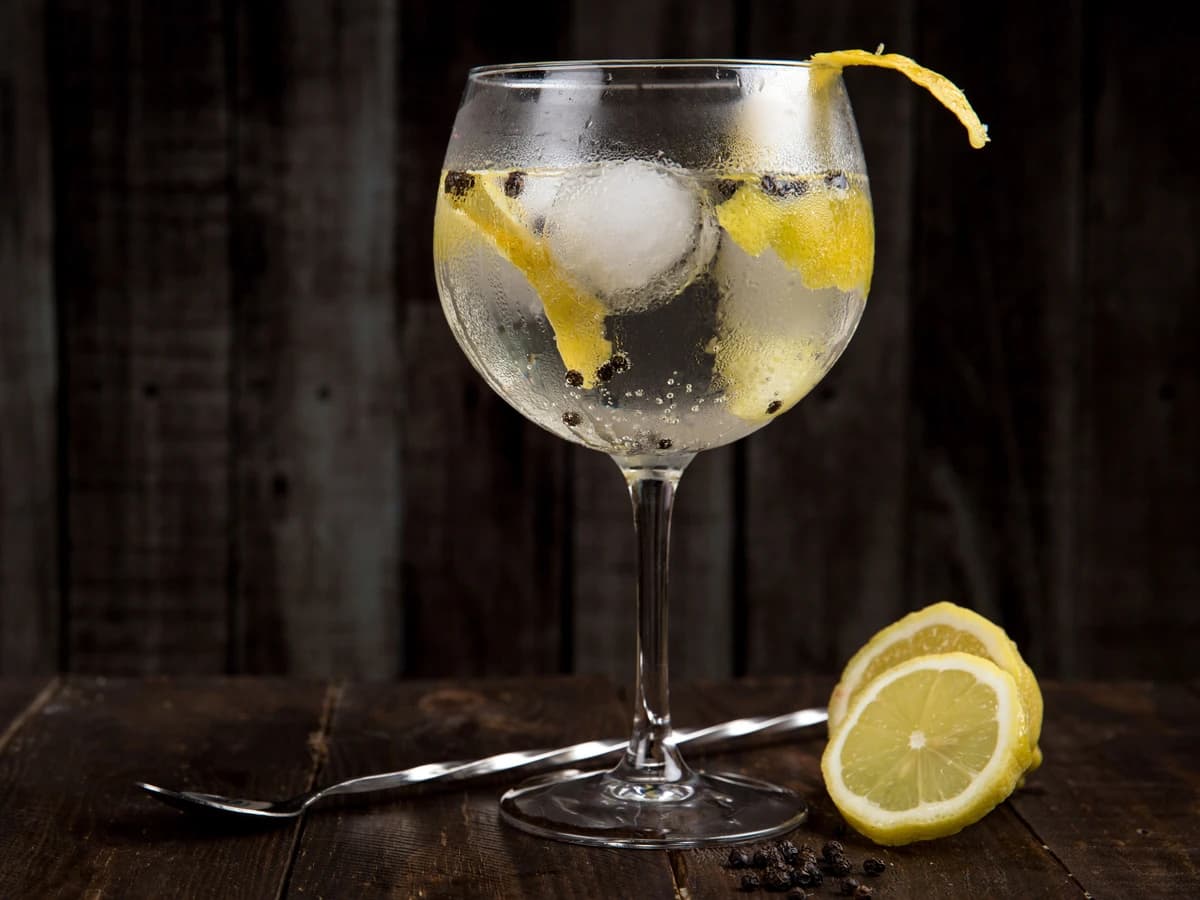
- Gin and Tonic
You may like this because it shares a bitter-forward profile with the Fernandito, but uses gin instead of liqueur-led.
- Salty DogSalty Dog
You may like this because it shares a refreshing-forward profile with the Fernandito, but uses vodka instead of liqueur-led.
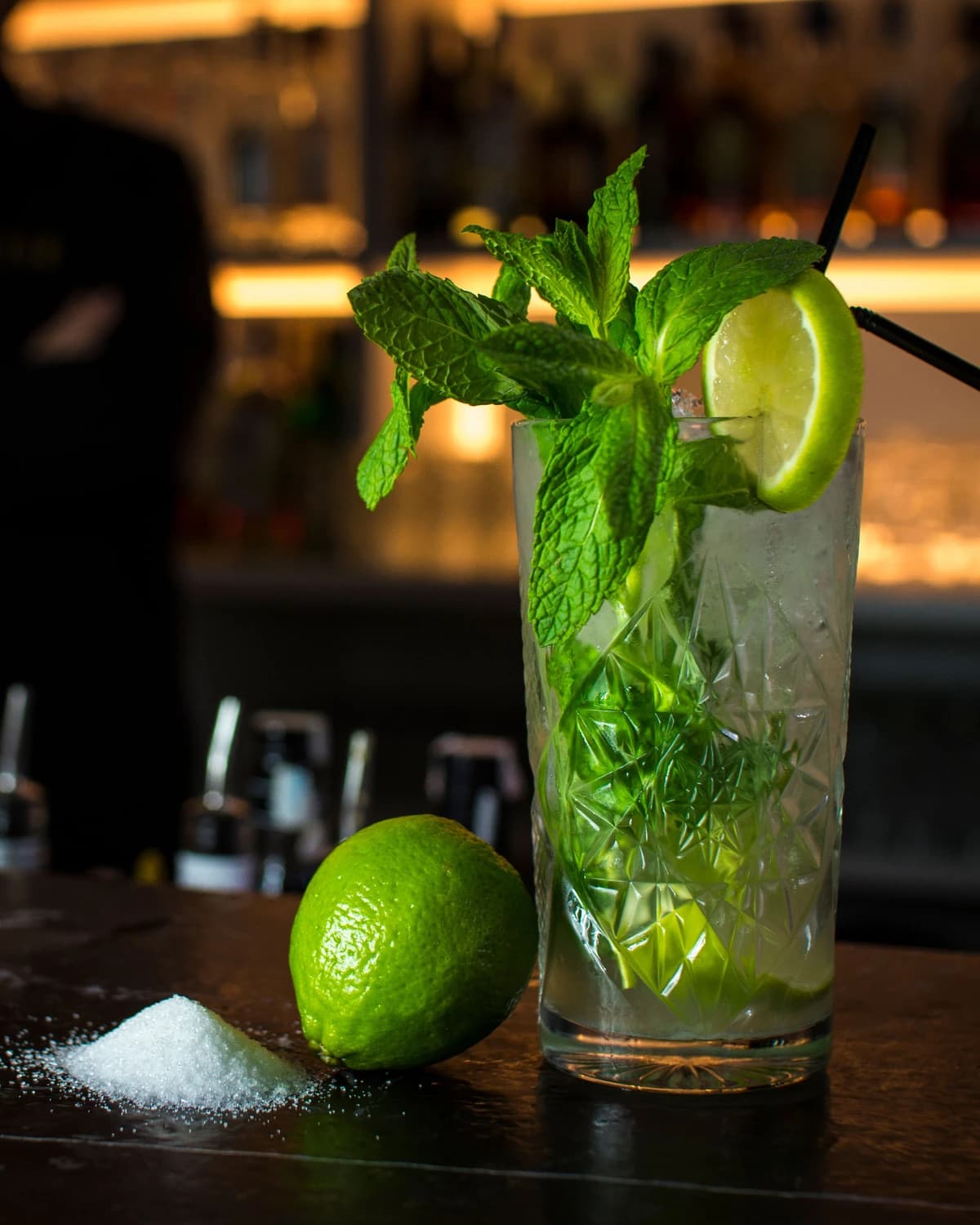
- Mojito
You may like this because it shares a refreshing-forward profile with the Fernandito, but uses rum instead of liqueur-led.
Use up your ingredients
Bought a bottle just for this? Here's what else it's good for.
Related tools
Scale this for a party
Work out bottles, mixers, ice and total alcohol units for any number of guests.
How far a bottle goes
Drinks per bottle, which bottle runs out first, batching — and the cost, at your own prices.
Recipe confidence
Its popularity is well documented; when and where it began is not.