Spirit and fortified wine
The Martini family
Spirit stirred with vermouth and nothing else — the driest, most exposed family in the canon.
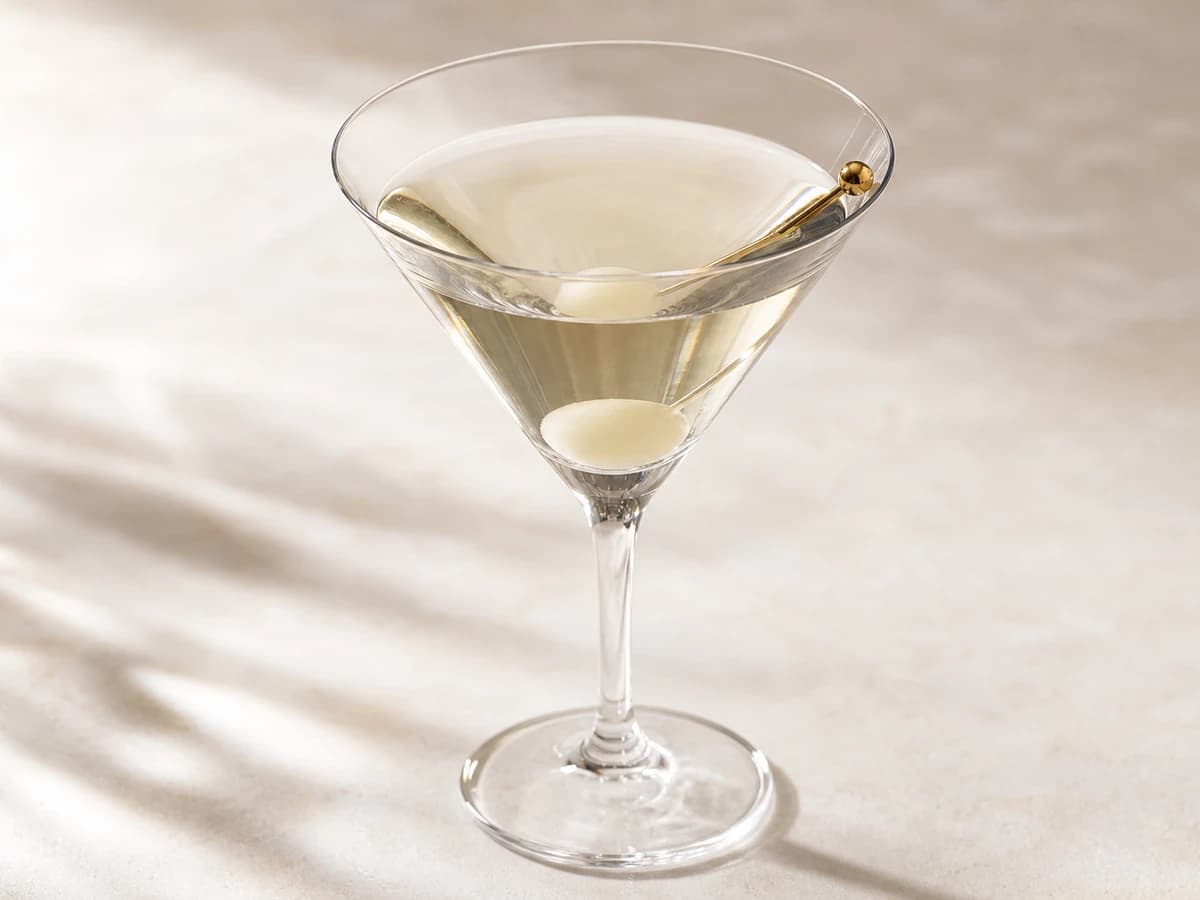
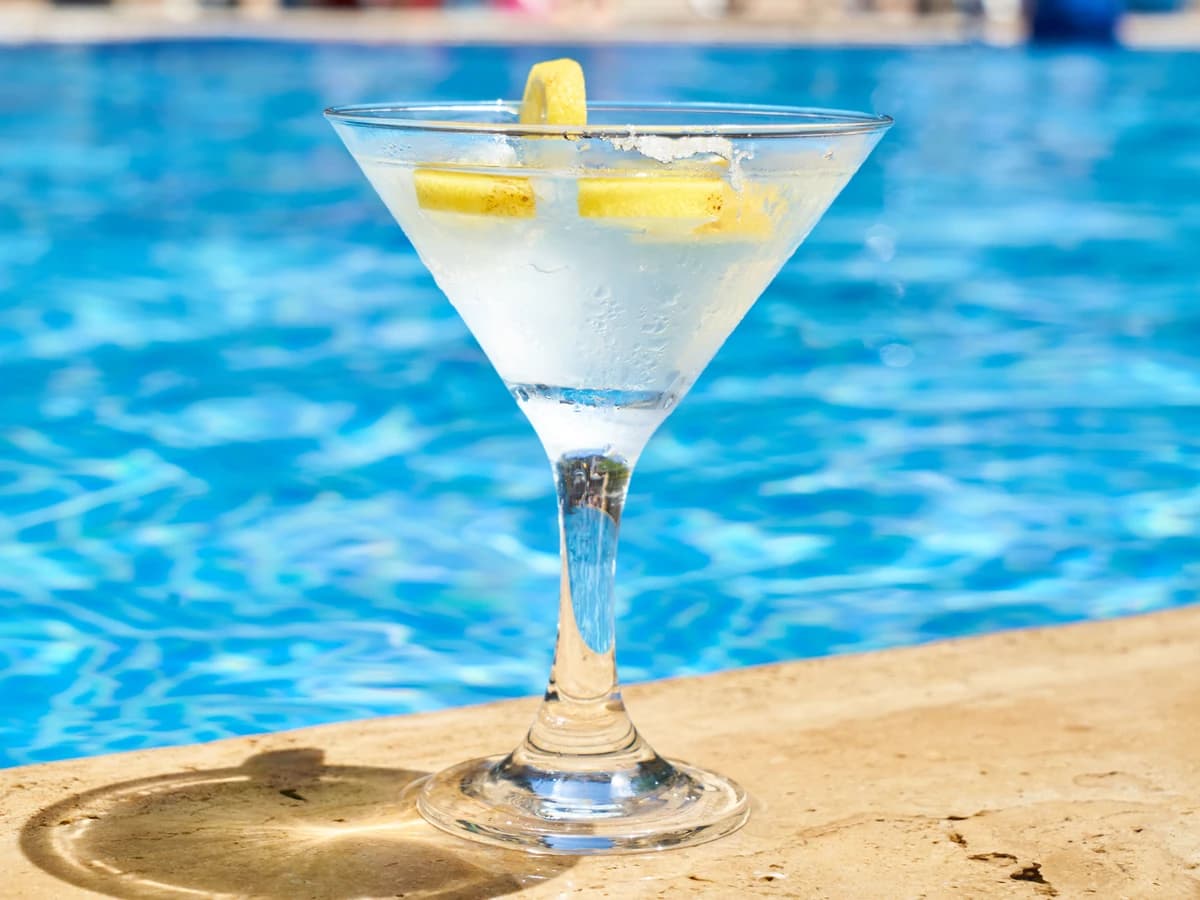
The Martini family is spirit plus fortified wine, stirred cold and served without ice. No sugar, no acid, no mixer. It is the most argued-about drink in the world largely because there is so little in it that every variable becomes a matter of preference.
The single most useful thing to know about it has nothing to do with ratios: vermouth is wine. It oxidises within weeks of opening and belongs in the fridge. Most people who conclude they dislike Martinis have been drinking stale vermouth.
The formula
Spirit · dry or sweet vermouth · optional bitters — stirred, strained, served up.
What makes a drink one of these
- Base spirit plus an aromatised fortified wine — the whole recipe.
- Stirred, for clarity and a dense, cold, undiluted-looking texture.
- No citrus juice and no added sugar.
- Served up, in a stemmed glass, at the coldest temperature the kitchen can manage.
- Garnish is functional: a twist supplies aroma, an olive supplies salt.
Dry, wet, and what the words mean
'Dry' means less vermouth, not a drier vermouth. The twentieth century drove the ratio from something like 2:1 toward absurd extremes, and the craft revival has largely walked it back — a modern bar Martini often runs 5:1 or wetter, which is a considerably better drink.
A 50/50 is exactly what it sounds like and is worth trying if you find standard Martinis harsh: it is lighter, more aromatic and far more food-friendly.
Why stirred and not shaken
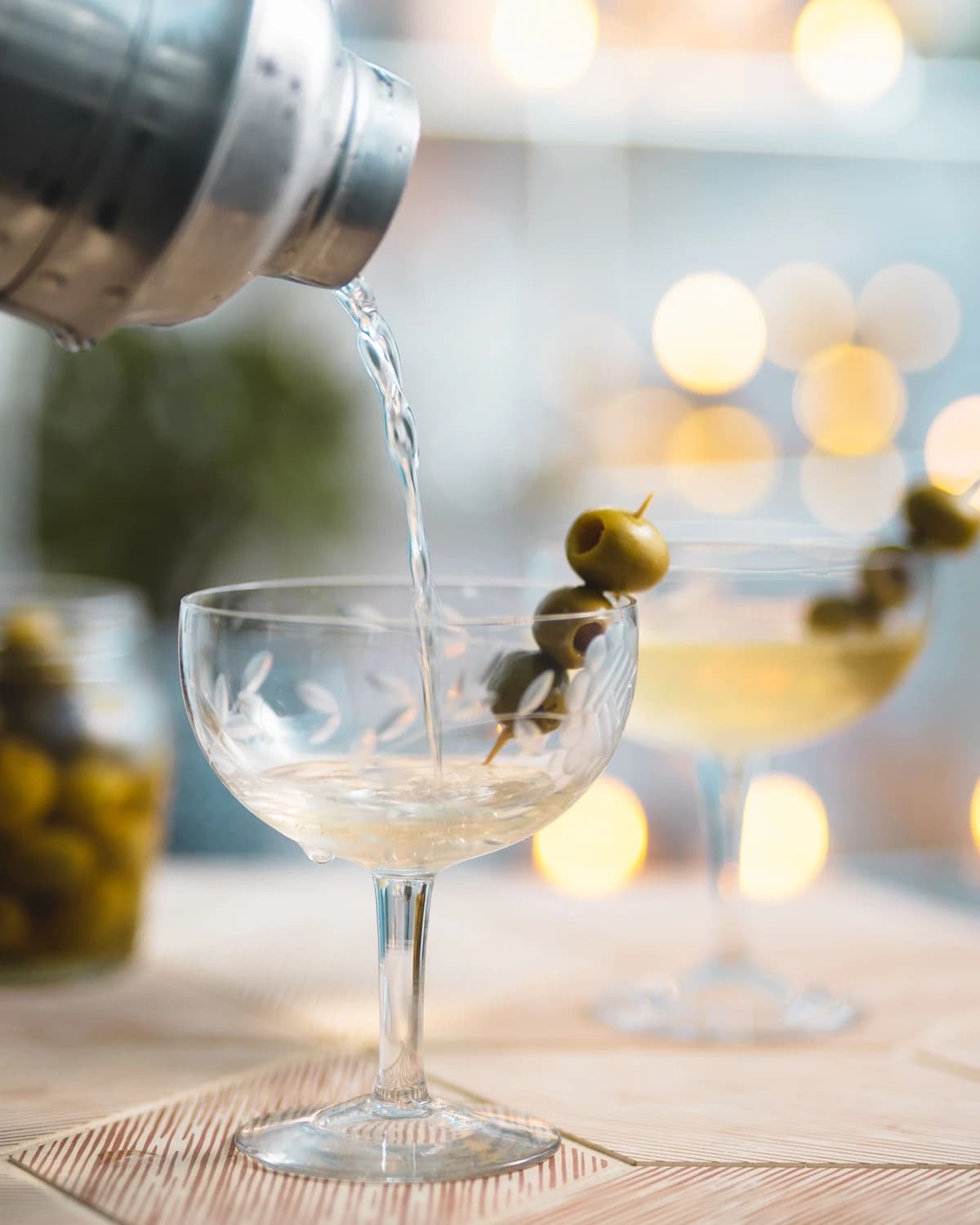
Shaking aerates, clouds the drink with tiny air bubbles and ice fragments, and dilutes harder. In a drink made entirely of spirit and wine, that changes the texture from dense and silky to light and slightly frothy.
Neither is objectively wrong, but they are genuinely different drinks — which is why the recipe specifies one. The Vesper is the notable classic that calls for shaking.
Show your working
What's established about this family
History claims graded the same way the rest of the site grades them.
- documented
The Martini's ratio moved substantially drier across the twentieth century.
Traceable through printed recipes: nineteenth and early twentieth-century sources specify far more vermouth than mid-century ones.
Supported by contemporary printed sources — a dated book, menu, newspaper or legal record.
- disputed
The Martini descends from the Martinez.
A common and plausible account with real recipe similarities, but the lineage is not settled and competing origin stories exist.
Two or more serious accounts contradict each other, and the disagreement has never been settled.
The family
10 recipes
Every recipe on the site built to this structure.
Next door
Related families
How this structure connects to the rest of the canon.
The same structure with an aged spirit and sweet vermouth.
Also stirred and spirit-forward, but sweetened and bittered rather than vinous.
Does the structure hold?
What these recipes are actually built from
The family is an editorial judgement. This is the independent structural read of the same recipes, worked out from their components — shown because the two agreeing is worth more than either claim on its own.
Spirit and modifier
8 of 10Spirit combined with an aromatised or flavoured modifier and little else — concentrated, and served small for exactly that reason.
Sour-structured
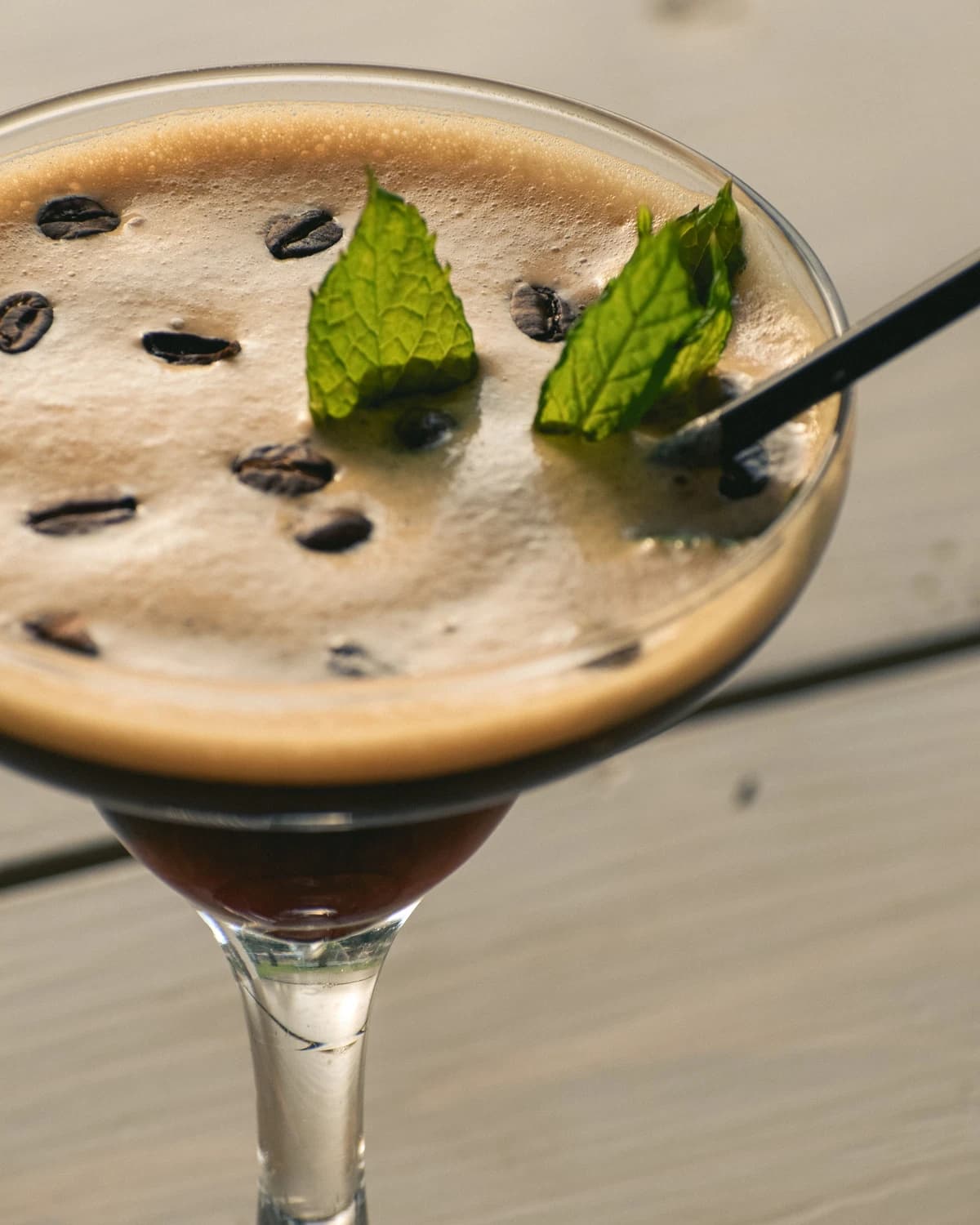
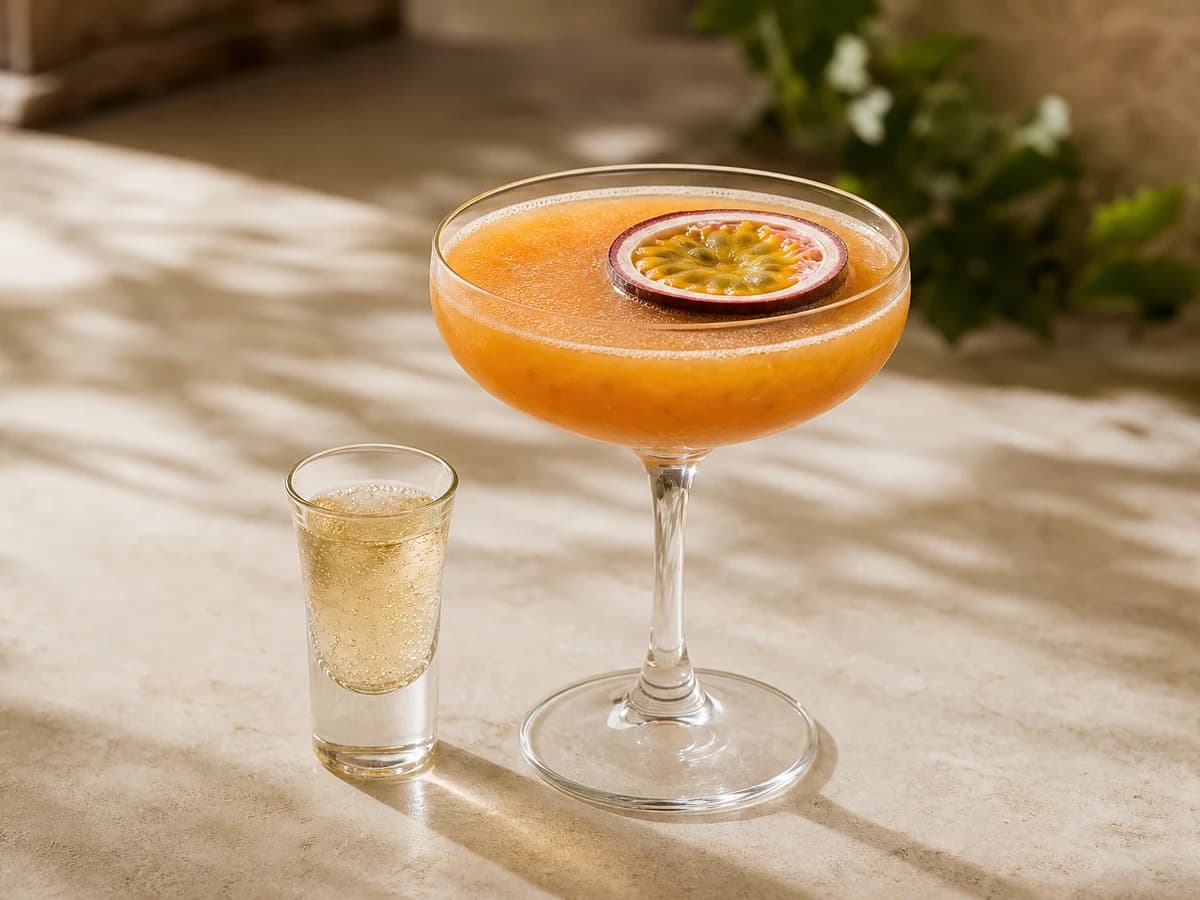
2 of 10Something sour and something sweet held in balance over a base — the structure behind the whole sour family and everything descended from it.
8 of 10 read as spirit and modifier. The rest differ because length, ice and service are part of what makes a family and none of them are visible in a component list — a drink can be built like a sour and served like a highball, and both descriptions are true.
Go deeper