Egg white, aquafaba, cream and the shake
Foam, emulsions and texture
What a foam actually is, how egg white, aquafaba and cream behave, what dry and reverse dry shaking do, why foams collapse, and when a drink is better without one.
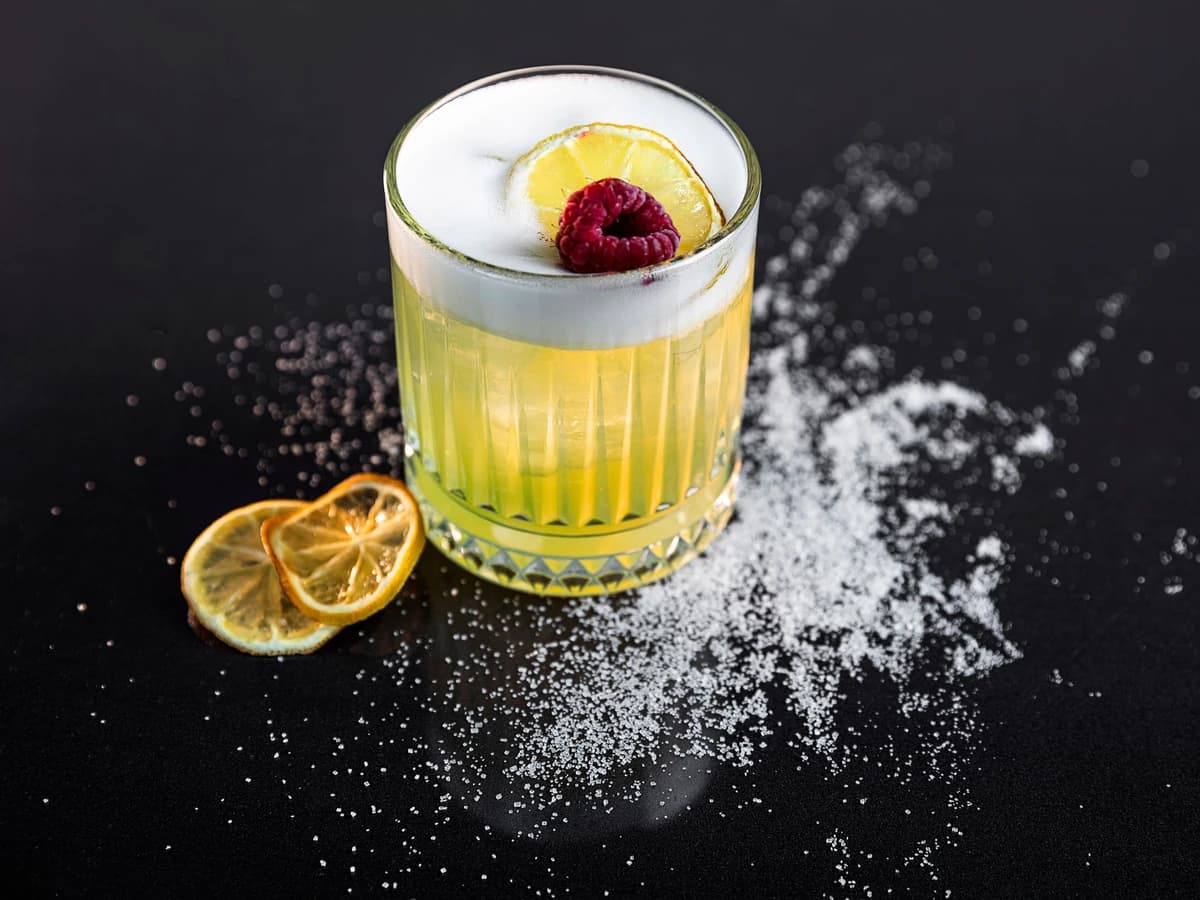
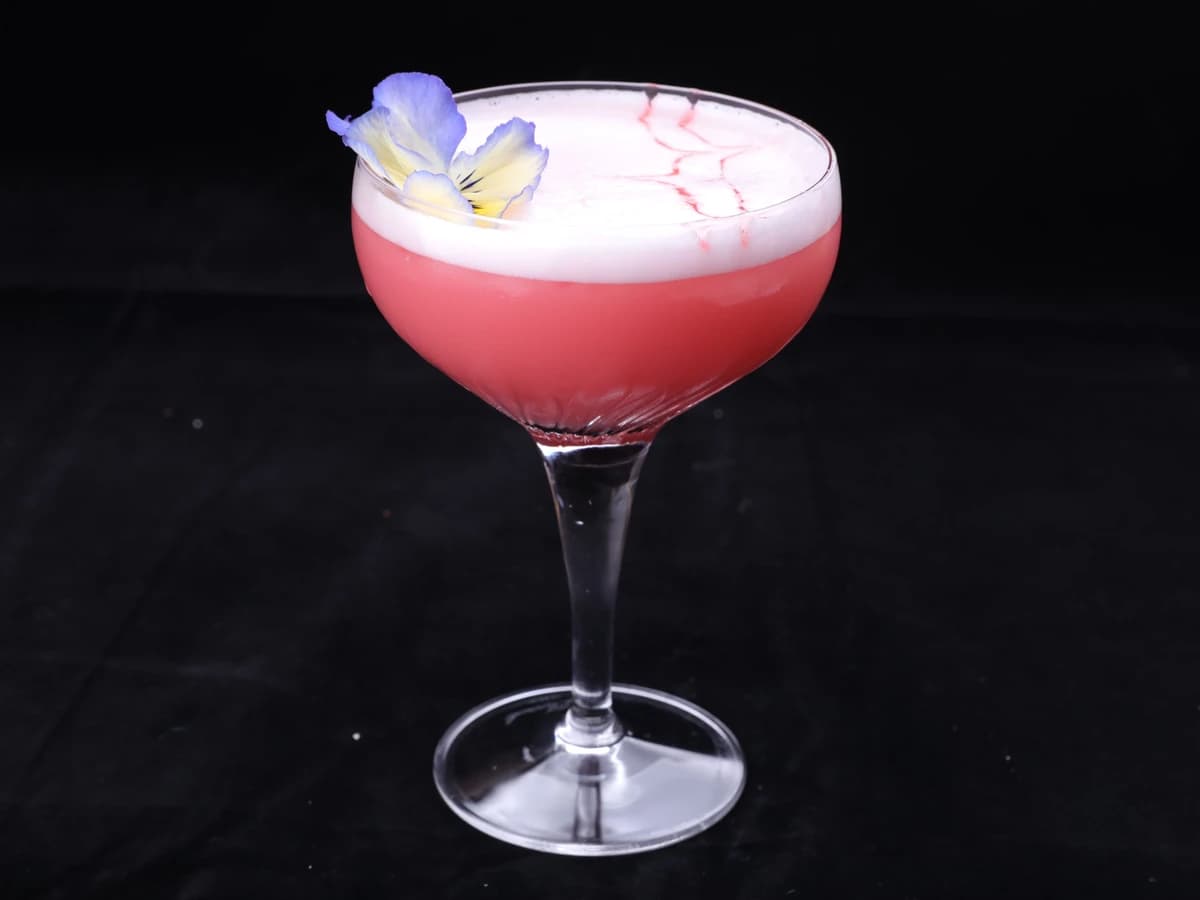
Texture is half of why a Whiskey Sour with egg white feels different from one without: same flavour, completely different drink. A foam is air held in a liquid by something that stops the bubbles merging and bursting, and in cocktails that something is almost always a protein or a fat.
None of this needs special equipment. It needs a sealed shaker, the right order of shaking, and knowing what each ingredient can and cannot do.
Safety first — read this before anything else on the page
- Raw egg carries a small risk of salmonella. In the UK the Food Standards Agency advises that hen eggs produced under the British Lion scheme can be eaten raw or lightly cooked, including by pregnant women, children and older people; people who are severely immunocompromised and on medically supervised diets should still avoid raw egg. Elsewhere, pasteurised egg white is the simple answer.
- Shaking without ice builds pressure differently and some shaker caps can pop off; hold both ends firmly and point the join away from people.
What makes a foam hold
Shaking whips air into a drink. On its own, that air escapes within seconds — a shaken Daiquiri's froth is gone almost as soon as it is poured. Egg white holds it because its proteins unfold at the surface of each bubble and form a flexible skin. Aquafaba, the liquid from cooked chickpeas, does something similar with plant proteins and starches, and gives a foam that looks much the same and is a little looser.
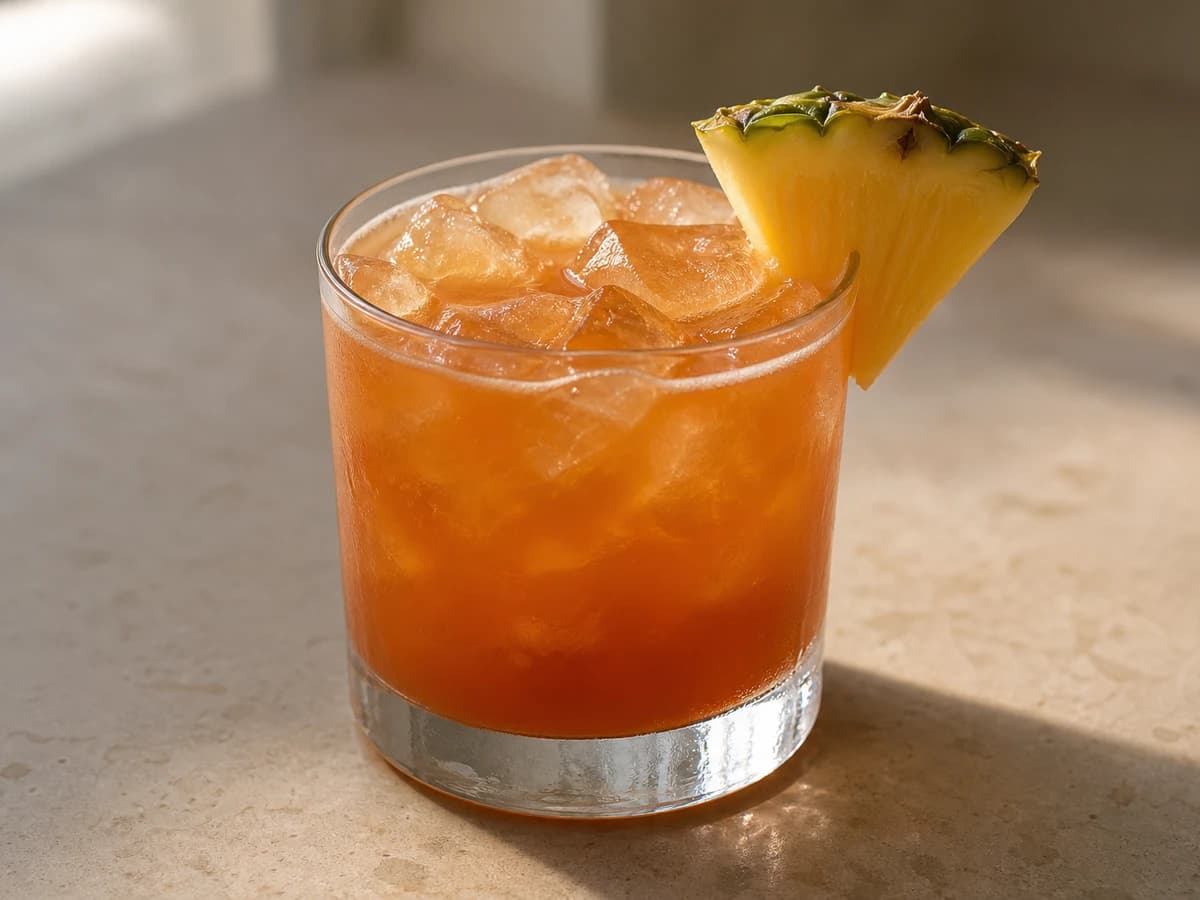
Cream holds air with fat as well as protein. It makes a richer, heavier texture rather than a light cap, and it softens acidity and bitterness more than egg white does. Coconut cream does the same with more fat and its own strong flavour. Pineapple juice, shaken hard, forms a surprisingly persistent froth of its own because of the fibres and compounds in the juice; it is why a Piña Colada and a Jungle Bird have a natural head without egg.
- Egg white
- Tight, stable, white foam; almost no flavour; a slight smell some people notice, which a drop of bitters or a twist covers.
- Aquafaba
- Vegan; similar look, slightly looser and quicker to fade. Use it fresh and unsalted where possible.
- Cream
- Richness rather than lift. Shake to thicken, not to whip stiff.
- Pineapple juice
- A natural froth from the juice itself; no added foamer needed.
Dry shake, reverse dry shake and whip shake
Proteins foam best when they are not ice-cold, and ice melts as you shake, which dilutes the protein. So egg drinks are often shaken twice. A dry shake comes first, with no ice, to build foam, then the drink is shaken with ice to chill and dilute it. A reverse dry shake puts the ice shake first; the drink is strained out, the ice discarded, and shaken again without ice. Many bartenders find that gives a thicker, finer foam, because the second shake whips an already-cold, diluted drink.
A whip shake is a short shake with only a few pieces of crushed or pebble ice. It chills, mixes and aerates a drink that is going over crushed ice anyway, without diluting it twice. It is a tiki technique, and an alternative to flash blending.
None of the three is magic, and opinions on which foams best differ between good bartenders. What matters is that the foam is built when the drink is not yet ice-cold or diluted, and that the shaker is sealed well enough to shake hard.
Why foam collapses, and how to keep it
Fats and oils destroy egg-white foam. A trace of yolk, cream, or citrus oil from a twist squeezed into the shaker can stop a white foaming at all. Keep yolk out, and express any twist over the finished drink, not into the tin.
Over-shaking a foam that has already formed knocks bubbles together and coarsens it, and pushing foam through a fine strainer with a spoon flattens it. Pour steadily and let the foam settle on top on its own. A foam also loses height as the drink warms, which is one more reason to serve egg drinks in a chilled glass and drink them while cold.
When a drink should not have a foam
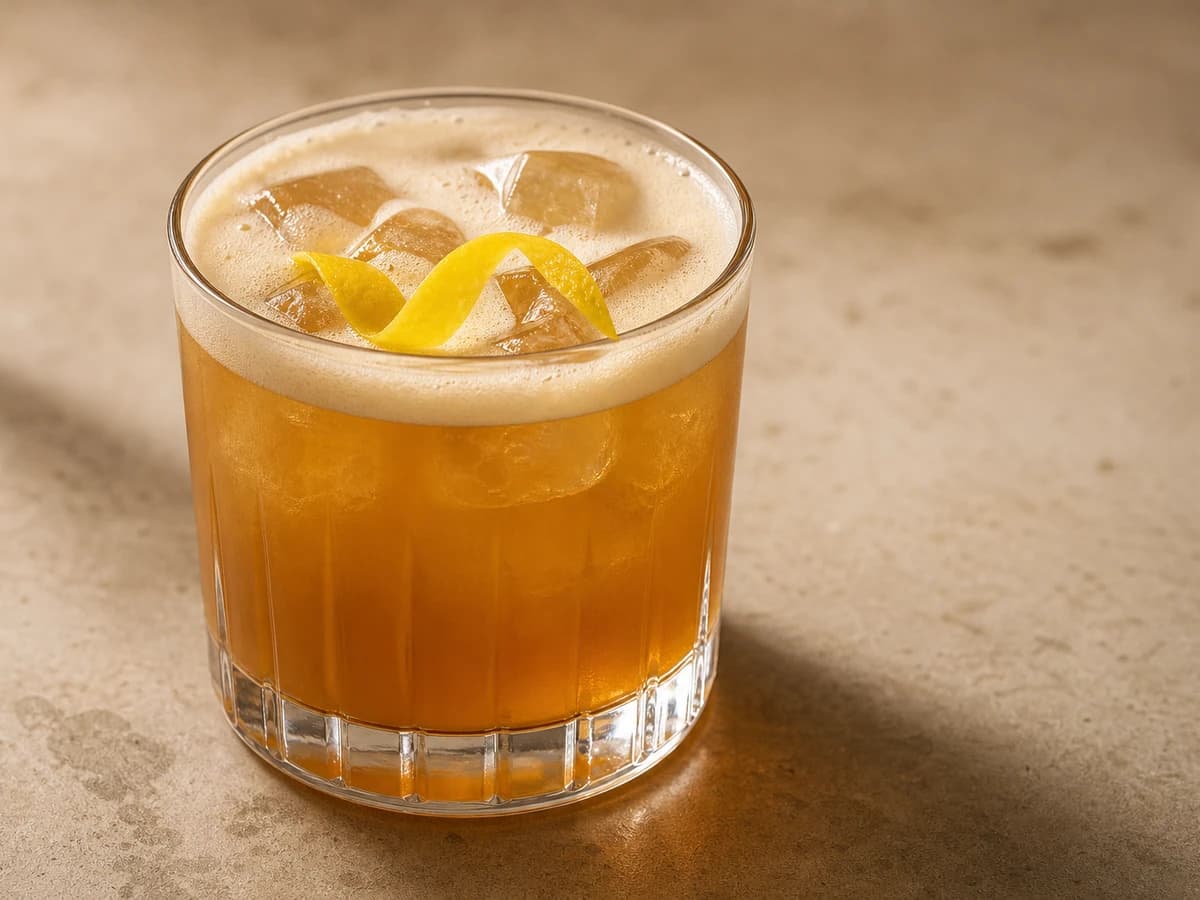
A foam softens sharp edges and adds weight. That suits sours, where acidity can be aggressive. It does not suit a stirred, spirit-forward drink, which is meant to be clear and dense, or a highball, where the bubbles are the texture. Adding egg white to every sour is a habit, not a rule: a Daiquiri is better without, and a Whiskey Sour is good both ways.
The short version
- A foam is air held by protein or fat: egg white, aquafaba, cream, or pineapple juice's own fibres.
- Build the foam before the drink is ice-cold and diluted — dry shake, or reverse dry shake.
- Fat and oil kill egg-white foam: keep yolk out and express twists over the glass, not the tin.
- Foam suits sours; it does not suit stirred drinks or highballs.
Covered in more depth elsewhere
Try it on
Recipes where this matters most
Keep reading
Related guides
Shaking, stirring, muddling, straining, throwing and building — what each one does to a drink, and when the choice is genuinely load-bearing.
Strong, sweet, sour, bitter and weak — the five variables every recipe is trading off, and how to diagnose which one is wrong.