Browse by spirit
Gin cocktails
Gin's character comes almost entirely from what it's distilled with — juniper is the legal baseline, but coriander, citrus peel and a house botanical blend do the rest. That makes it the most food-and-garnish-friendly base spirit: the same bottle stretches from a bone-dry Martini to a bright, herbaceous highball depending on what you build around it.
Where to start with gin
the one it is known for
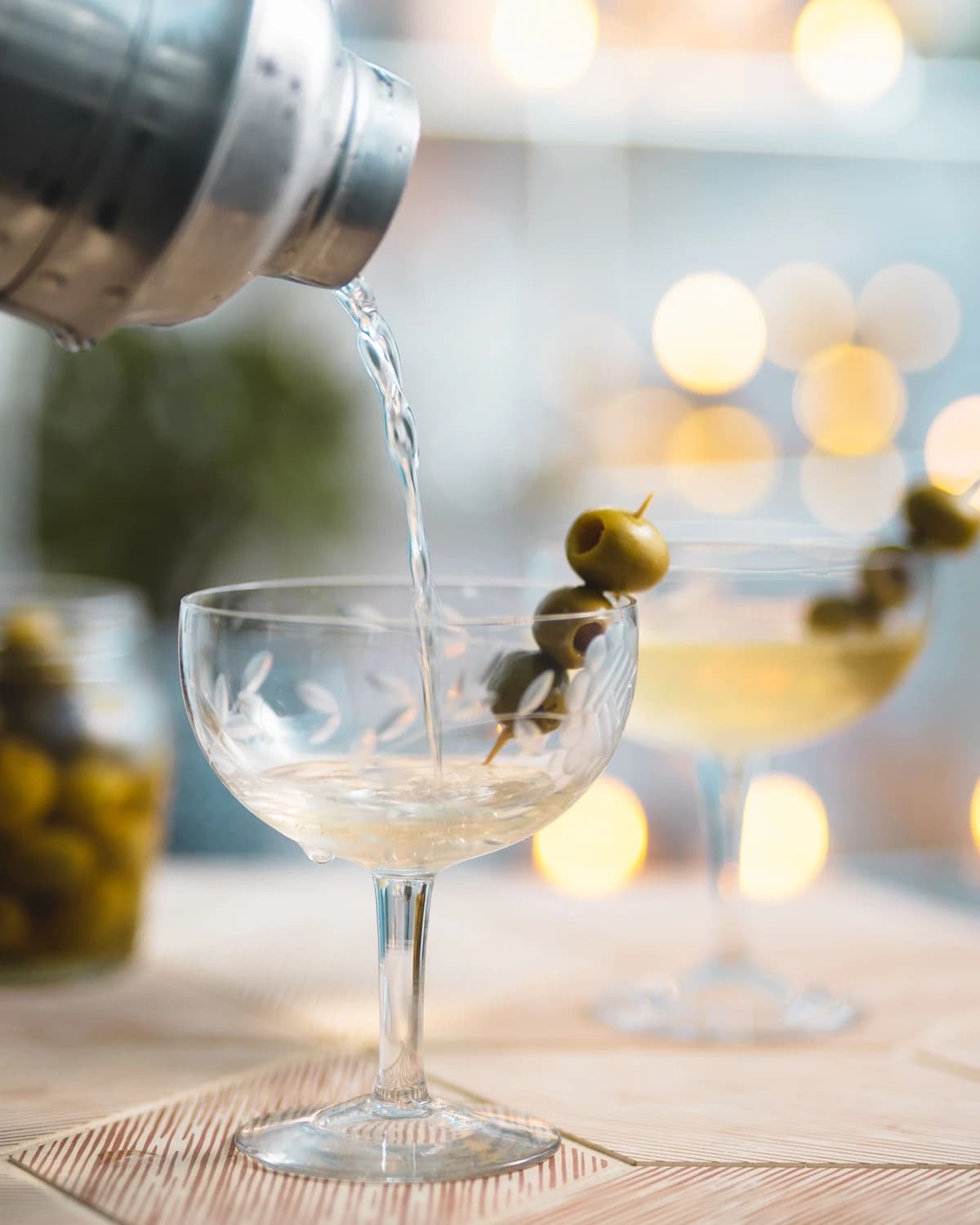
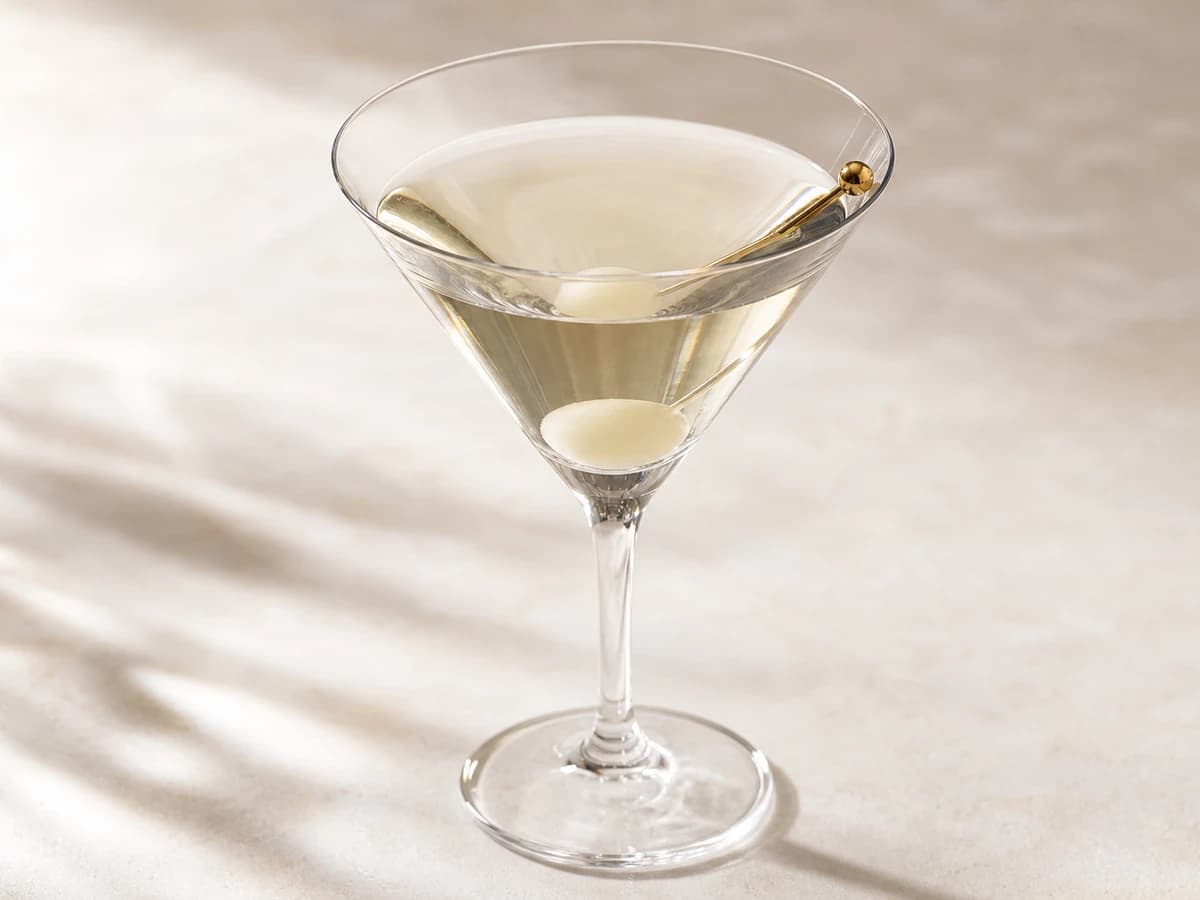
MartiniThe martini the category is built around, and the drink most others here are compared against.
the easiest to get right
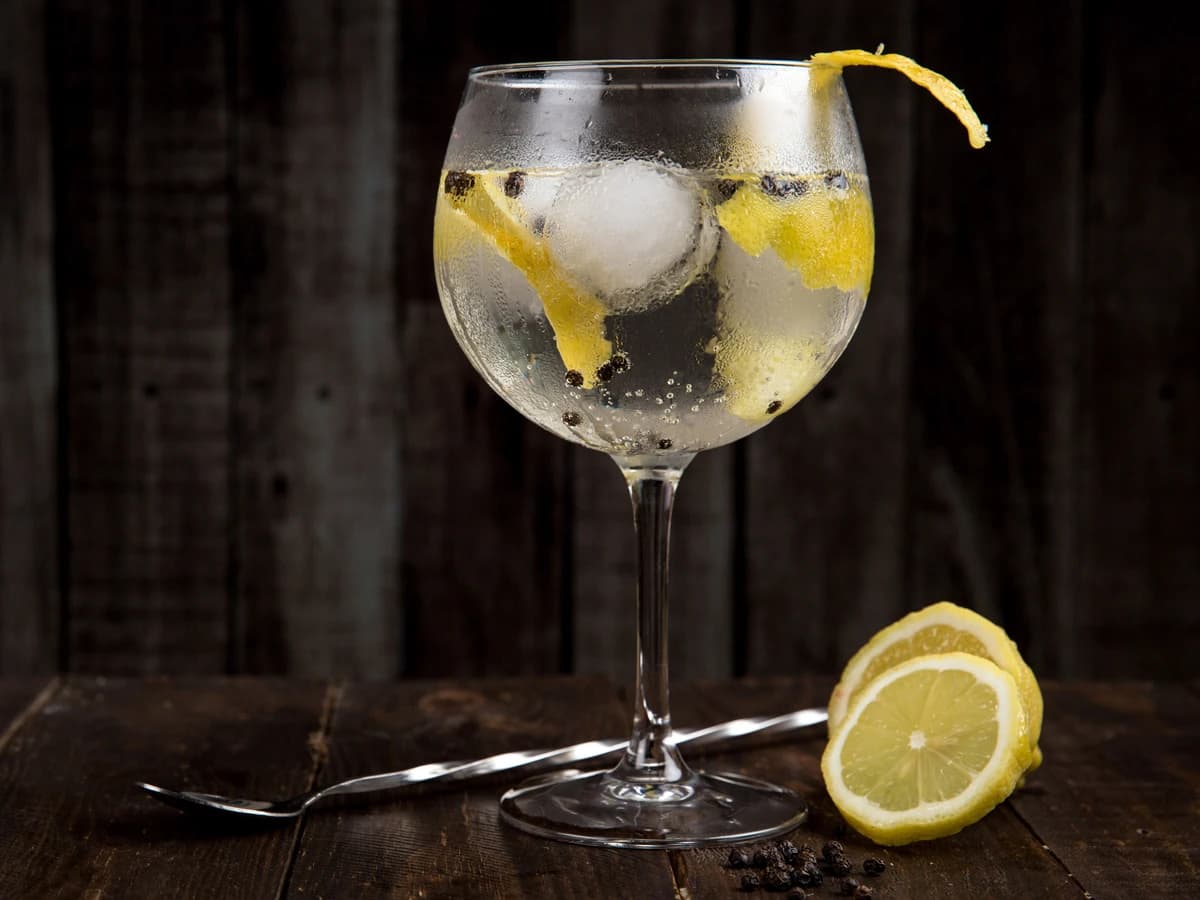
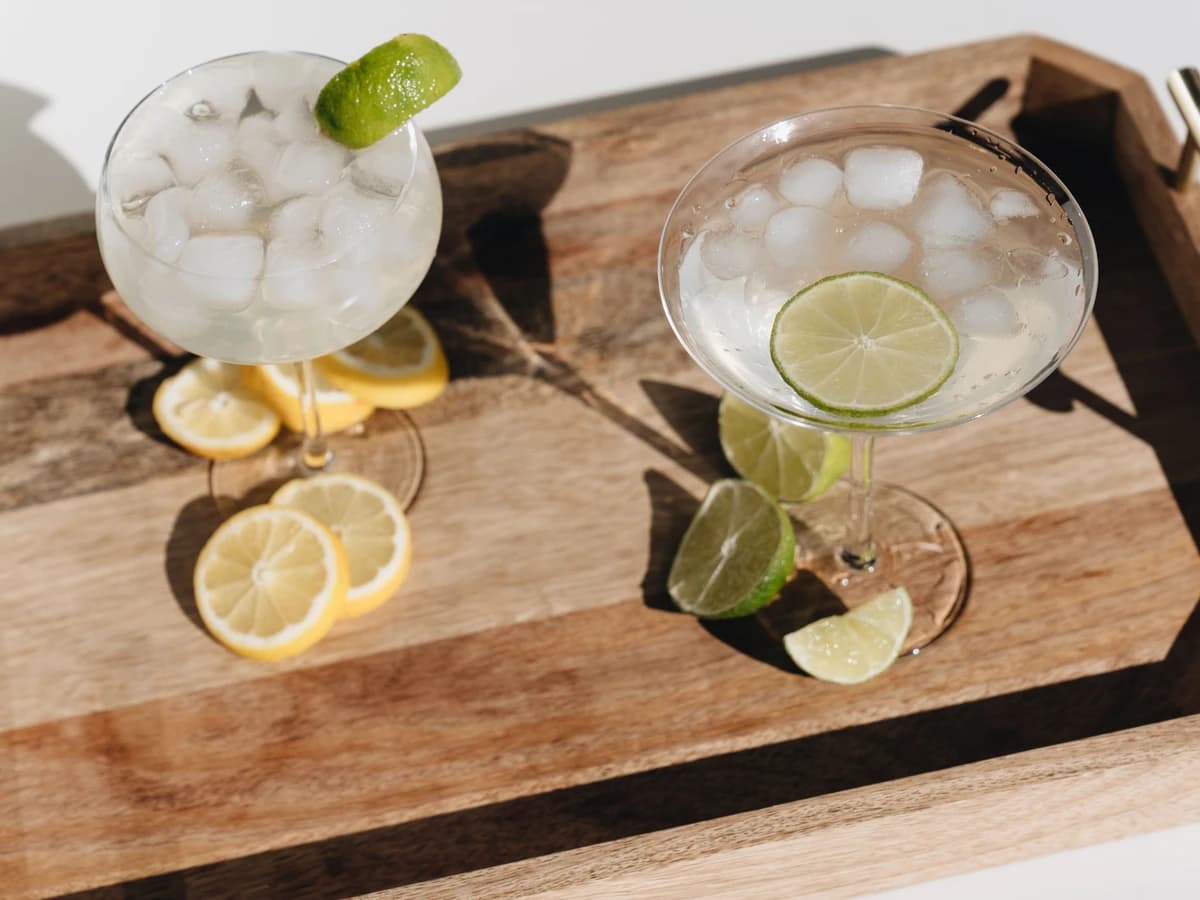
Gin and Tonic2 ingredients, built, and about 2 minutes — very little to go wrong.
where it goes next
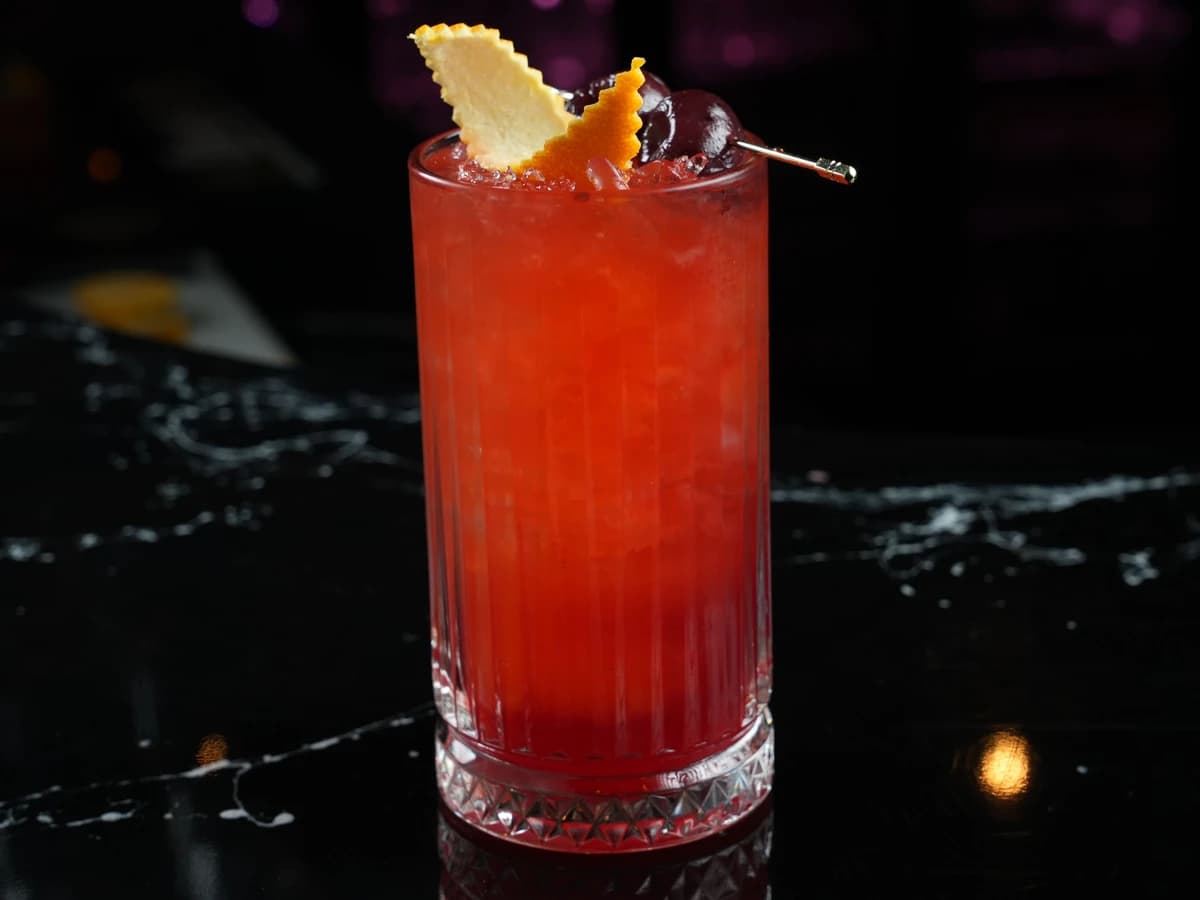
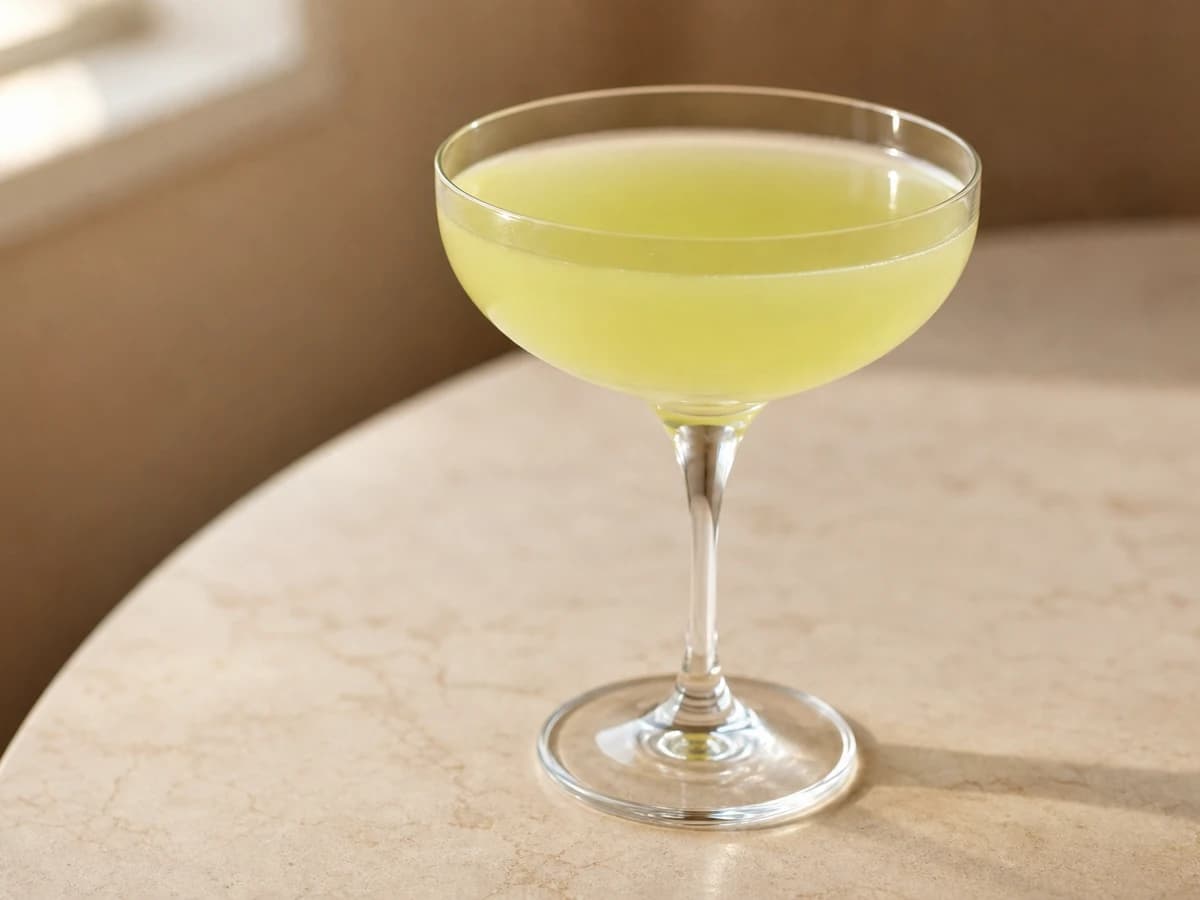
Singapore SlingA sling rather than a martini — fruity and sweet, and a different side of the same bottle.
In depth
Understanding gin
Where the category comes from, how it is made, how its styles differ, and what that means in a drink.
Origin
Gin descends from Dutch and Flemish genever, a malt-wine-based juniper spirit documented from the seventeenth century. The London Dry style that most cocktail recipes assume is a later, drier, column-distilled development rather than the original form.
How it's made
A neutral base spirit is redistilled with botanicals, of which juniper must be dominant for the product to be gin at all. London Dry is the strictest common designation: all flavour must come from that redistillation, with nothing added afterwards but water — no sweetening, no colouring, no post-distillation flavouring.
Flavour
Resinous juniper first, then whatever the botanical bill emphasises — citrus peel, coriander, angelica, orris. Dry finish, no residual sugar in the dry styles.
What it does in a drink
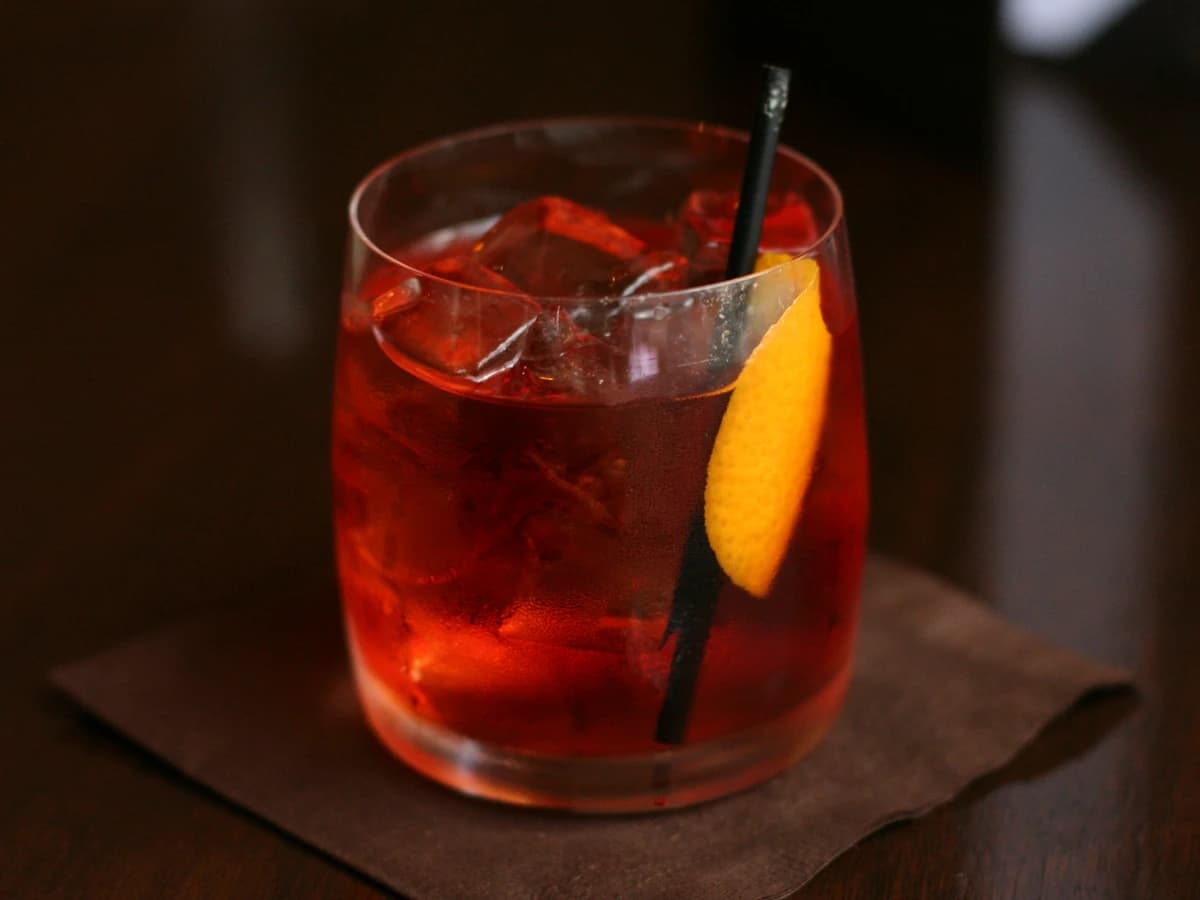
Gin is the most flavour-assertive of the clear spirits, so it leads rather than supports. That makes it unusually good in drinks with only two or three components, where the botanicals have room, and it is why the Martini, Negroni and Gin and Tonic all work with so little else in the glass.
Styles worth knowing
- London Dry
- Juniper-forward, bone dry, no added sweetening. What a recipe means when it just says 'gin'.
- Plymouth
- Softer and earthier than London Dry, with a protected geographic designation. Slightly rounder in a Martini.
- Old Tom
- Lightly sweetened, closer to the historical style. The right choice for a Martinez or a Tom Collins made traditionally.
- Contemporary / New Western
- Juniper present but not dominant, with citrus or floral botanicals leading. Excellent in long drinks, divisive in a Martini.
Substituting within the category
Vodka is not a substitute — it removes the flavour that was the point. Between gin styles, expect a real difference: a contemporary gin in a Negroni can be lost under Campari, where a juniper-forward London Dry holds its own.
The bottles inside this category
What's established
- documented
London Dry gin may not have flavouring or sweetening added after distillation.
Set out in EU and UK spirit-drink regulations defining the category.
Supported by contemporary printed sources — a dated book, menu, newspaper or legal record.
- documented
Gin descends from Dutch genever.
Traceable through seventeenth-century Dutch production records and the spirit's documented spread to England.
Supported by contemporary printed sources — a dated book, menu, newspaper or legal record.