Alcohol-Free Sparkling Wine
Alcohol-free sparkling wine is made either by de-alcoholizing finished sparkling wine or by carbonating a non-alcoholic grape-based base, aiming to replicate the crisp acidity and fine bubbles of Champagne-style wine without the alcohol. Quality has improved significantly in recent years but still varies by producer. It allows celebratory, bubble-driven cocktails to be made alcohol-free.
Not always completely alcohol-free
De-alcoholised wines are made by removing alcohol from finished wine rather than by never having any, and the removal is rarely total.
For most people this makes no difference. If you are avoiding alcohol entirely, the label is more reliable than the category name — and soda or tonic water, which contain none at all, will always stand in.
What varies between alcohol-free products →Common uses
- non-alcoholic substitute for sparkling wine in celebratory built drinks
Buying & storage
A few days: As with sparkling wine, the bubbles go first — and with no alcohol there is less holding the flavour together afterwards.
Buying: Prefer de-alcoholised wine over a grape-juice blend if you can tell them apart from the label, and prefer the driest you can find — you can always add sweetness, but you cannot remove it.
Storage: best served promptly once opened; unopened bottles keep for months in a cool, dark place
In depth
Understanding alcohol-free sparkling wine
How it is made, where it comes from, what it pairs with, and how it behaves in an alcohol-free drink.
How it's made
Either de-alcoholised wine — real wine with the alcohol removed by vacuum distillation or reverse osmosis — or a carbonated blend of grape juice and flavourings. The two are quite different products sold under similar language. De-alcoholisation strips aroma along with the alcohol, which is why most are then sweetened to compensate.
Origin
De-alcoholised wine has been produced commercially since the twentieth century; the quality jump that made it usable in drinks is recent.
What it pairs with
Peach, citrus, cassis, elderflower and bitter aperitifs — the same partners as the real thing. The one adjustment is acid: a squeeze of lemon does more for these drinks than any other correction.
In alcohol-free drinks
- The closest substitution in any category: carbonation and grape character survive de-alcoholisation far better than a spirit's warmth does
- Almost always sweeter than a dry prosecco, so alcohol-free sparkling cocktails generally need added acidity the original did not
Before it goes
Use up alcohol-free sparkling wine
Ranked by how much of it each drink uses and how little else it needs — the ones at the top will not send you back to the shop.
- Alcohol-Free Bellini
Uses 100ml. Also needs white peach purée.
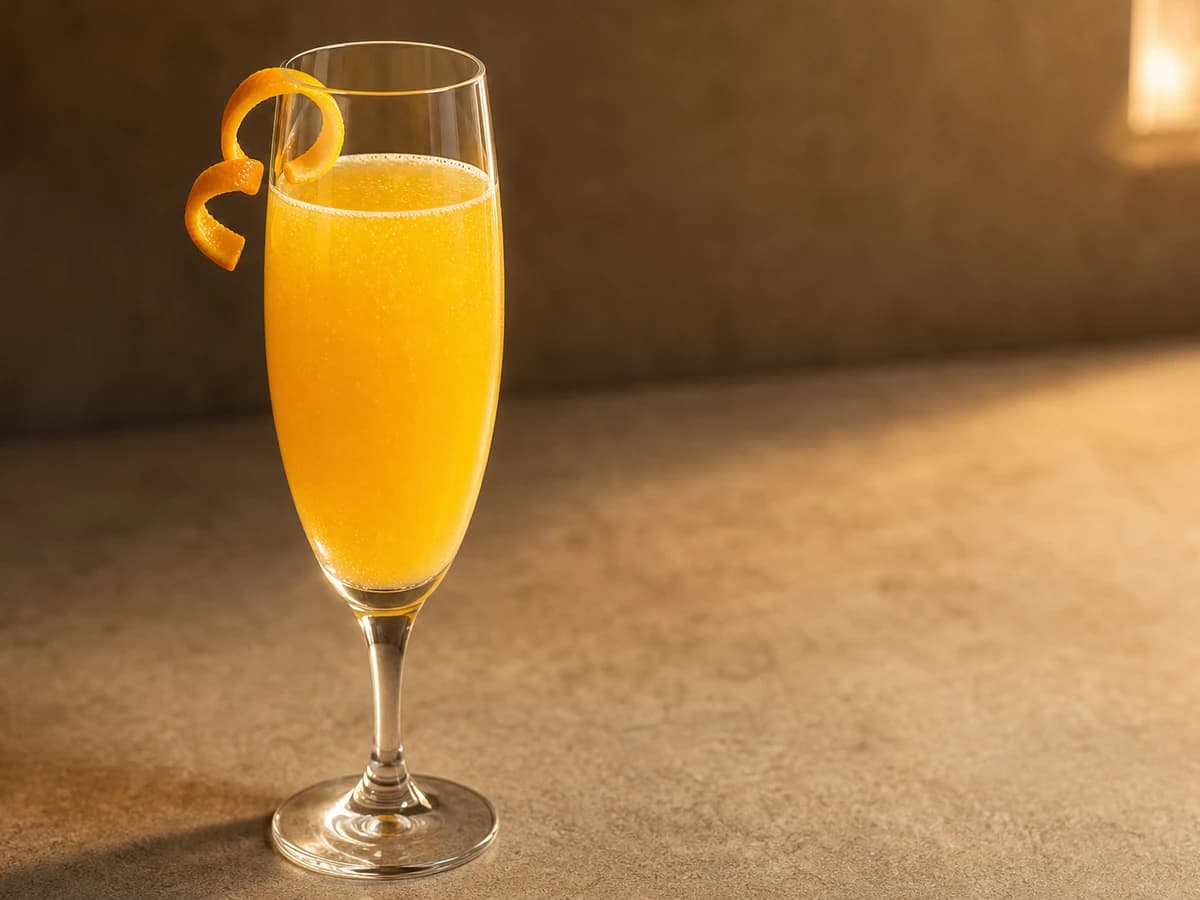
- Alcohol-Free Mimosa
Uses 75ml. Also needs fresh orange juice.
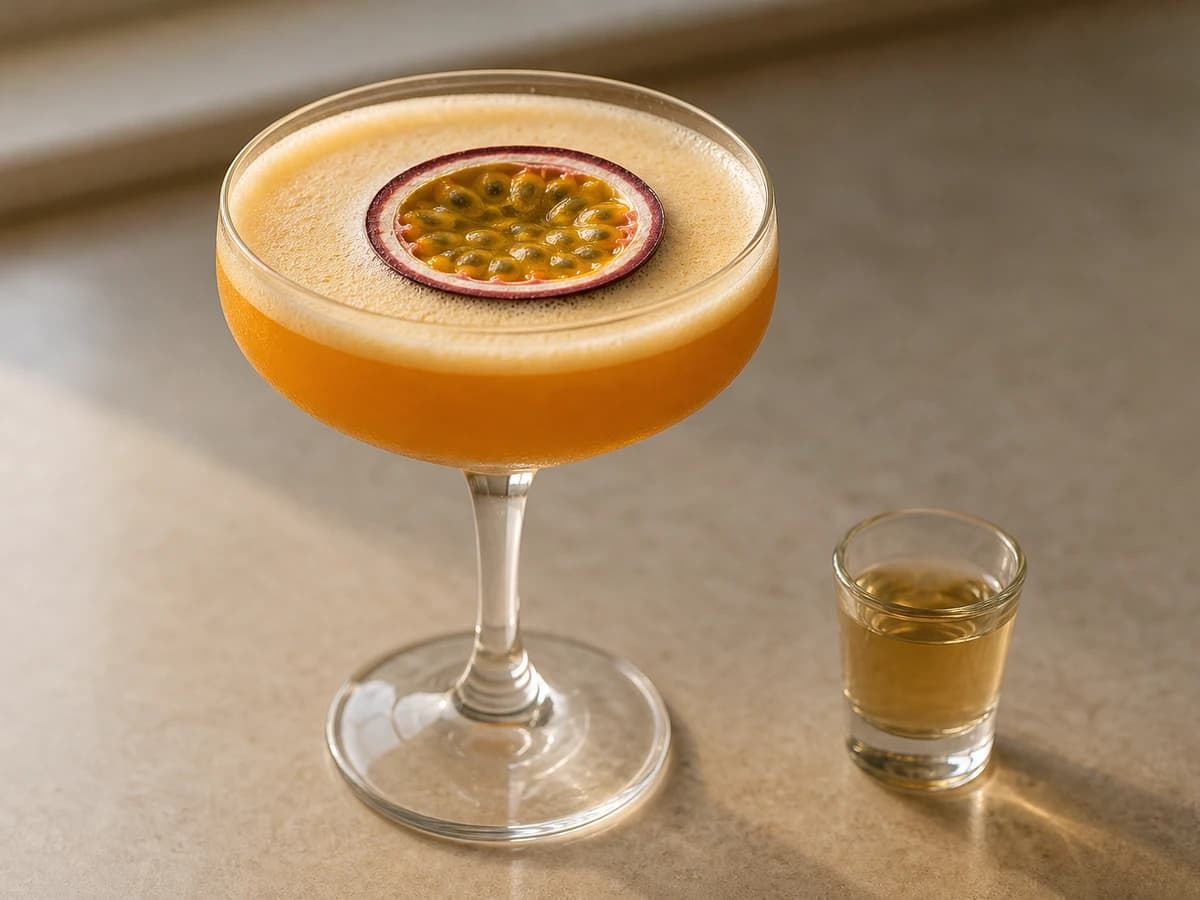
- Alcohol-Free Passion Fruit Martini
Uses 50ml. Also needs passion fruit purée or syrup, vanilla syrup, fresh lime juice.
Recipes
Cocktails containing this ingredient
Stand-in
Where alcohol-free sparkling wine is a recommended substitute
Recipes that name it as a swap for something else, with what it replaces.
- Aperol Spritzin place of prosecco
- Hugo Spritzin place of prosecco
Swap it
Possible substitutions
Explore