Sparkling Wine
Sparkling wine covers Champagne and its many regional cousins, all made using a process that traps carbon dioxide in the bottle for fine, persistent bubbles. Dry styles dominate cocktail use, offering acidity and effervescence rather than sweetness. Its bubbles add lift and lightness to both simple and elaborate drinks.
Common uses
- lengthens cocktails with bubbles
- base for celebratory built drinks
- tops off fruit liqueur cocktails
Buying & storage
A few days: Loses its carbonation within a day or two of opening whatever stopper is used, and the carbonation is the point.
Buying: a dry brut style is the most versatile choice for mixing
Storage: best served promptly once opened; unopened bottles keep for years stored on their side in a cool, dark place
In depth
Understanding sparkling wine
How it is made, where it comes from, what it pairs with, and how it behaves in an alcohol-free drink.
How it's made
The bubbles come from a second fermentation, and where it happens defines the style: in the bottle for Champagne and traditional-method wines, which gives fine bubbles and bready complexity, or in a pressurised tank for prosecco and most cava-priced alternatives, which is faster and keeps the wine fresher and more floral. Neither is better for cocktails — tank-method wines are usually the more sensible choice, because subtlety is wasted under citrus and syrup.
Origin
Traces to the Champagne region of France; now produced worldwide under various regional names.
What it pairs with
Peach, citrus, cassis, elderflower and bitter aperitifs. The general rule for topping: the drier the wine, the more forgiving the cocktail, because you control the sweetness rather than inheriting it.
In alcohol-free drinks
- Alcohol-free sparkling wines are the closest substitute in any category, since carbonation and grape character survive de-alcoholisation better than a spirit's warmth does
- They are usually sweeter than dry prosecco, so alcohol-free versions of sparkling cocktails generally need added acidity
Before it goes
Use up sparkling wine
Ranked by how much of it each drink uses and how little else it needs — the ones at the top will not send you back to the shop.
- Death in the Afternoon
Uses 135ml. Also needs absinthe.
- Kir Royale
Uses 115ml. Also needs crème de cassis.
- Chambord Royale
Uses 115ml. Also needs chambord.
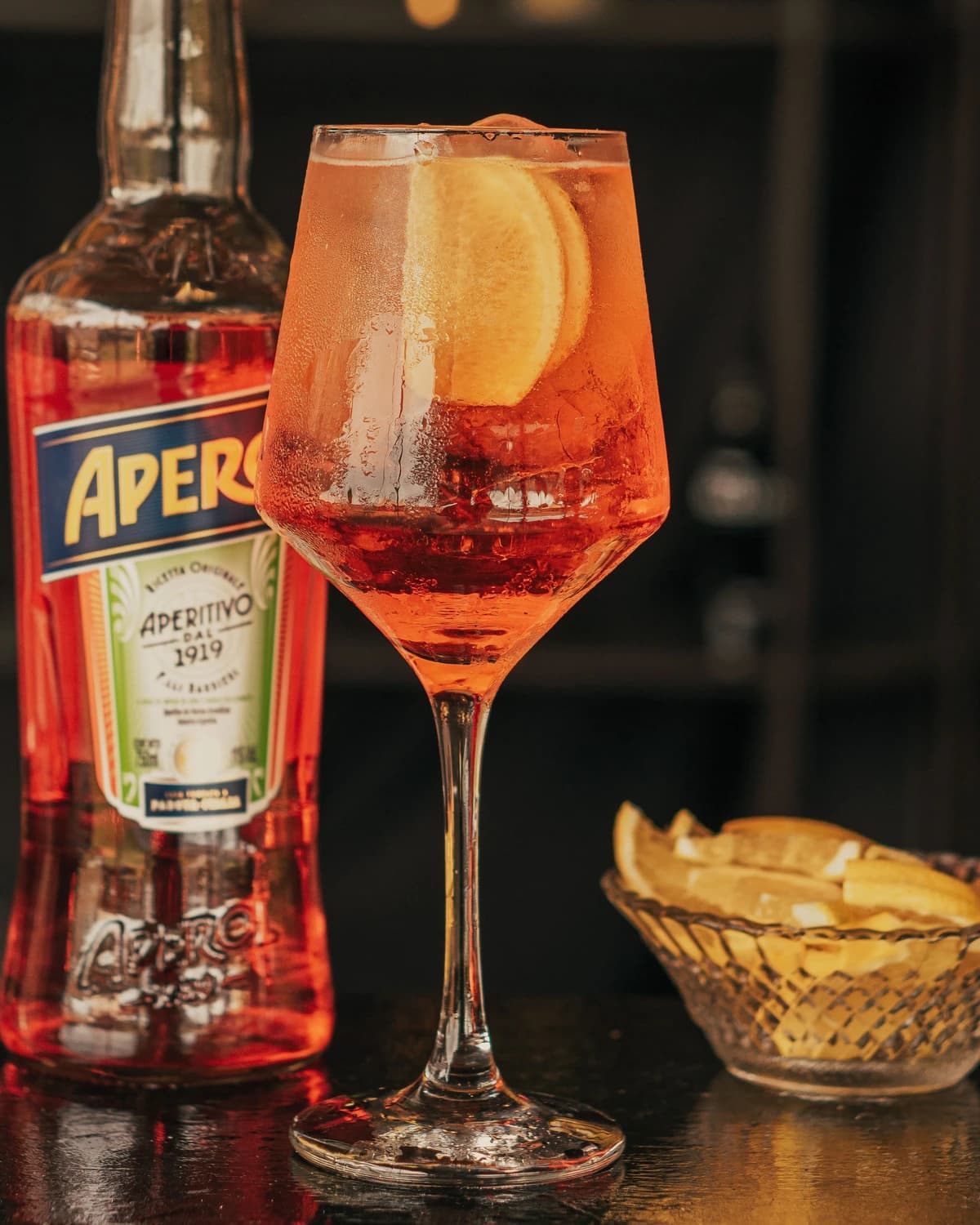
- Aperol Spritz
Uses 90ml. Also needs aperol, soda water.
Recipes
Cocktails containing this ingredient
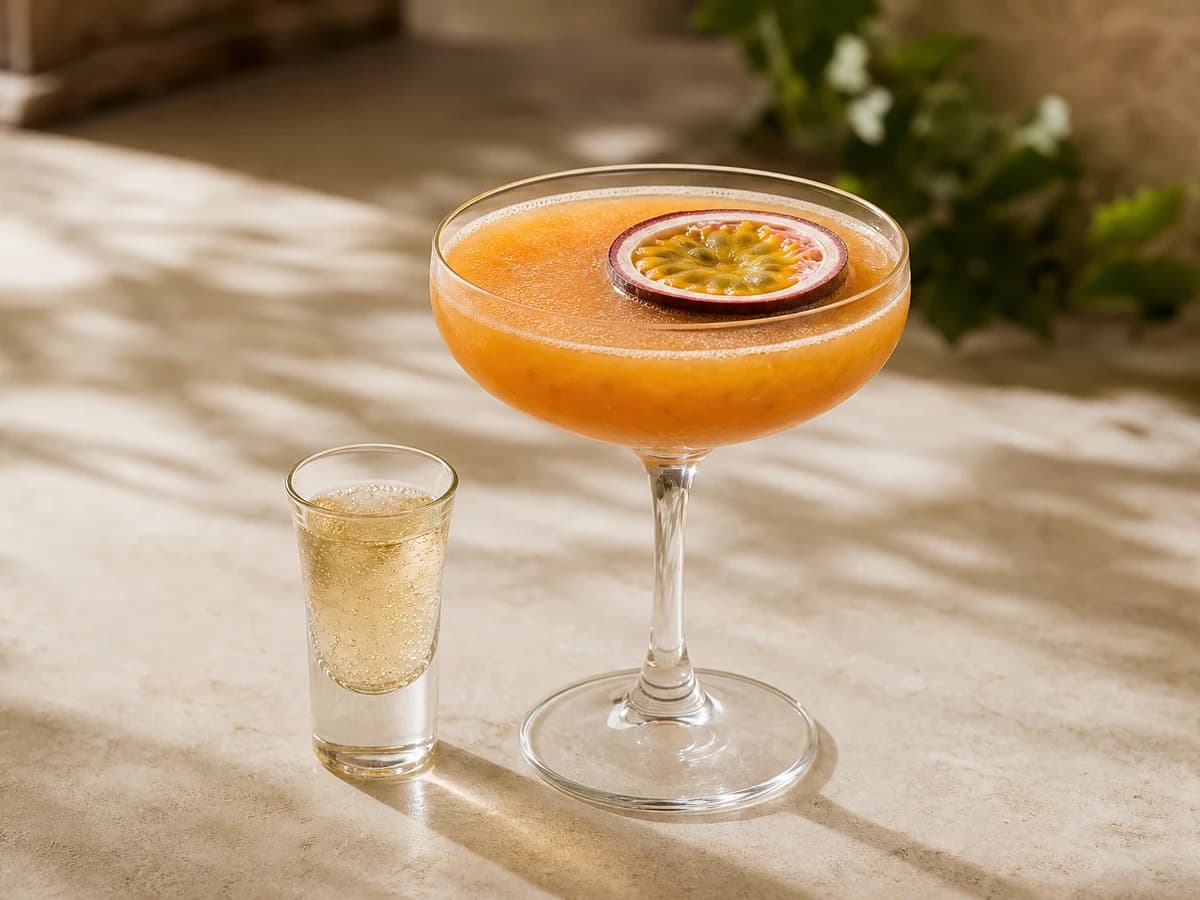
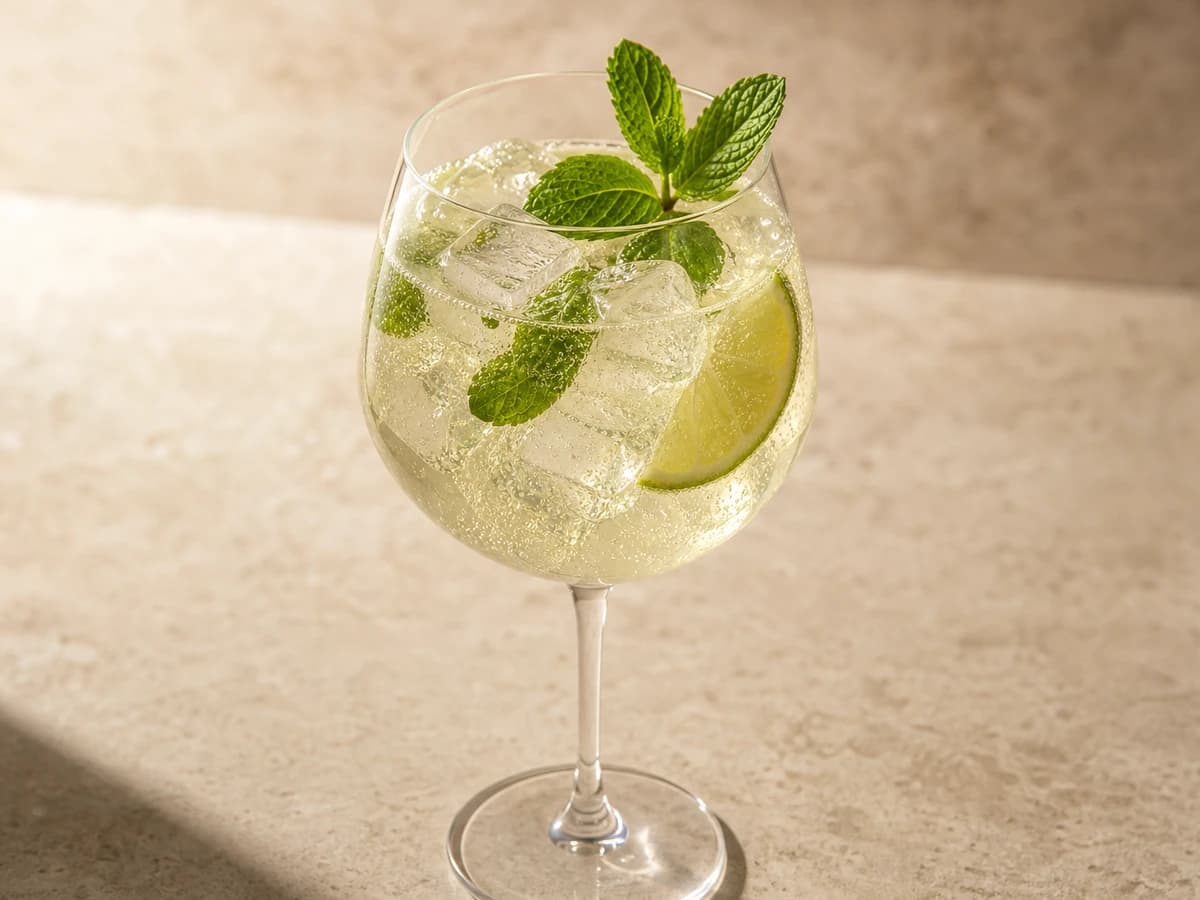
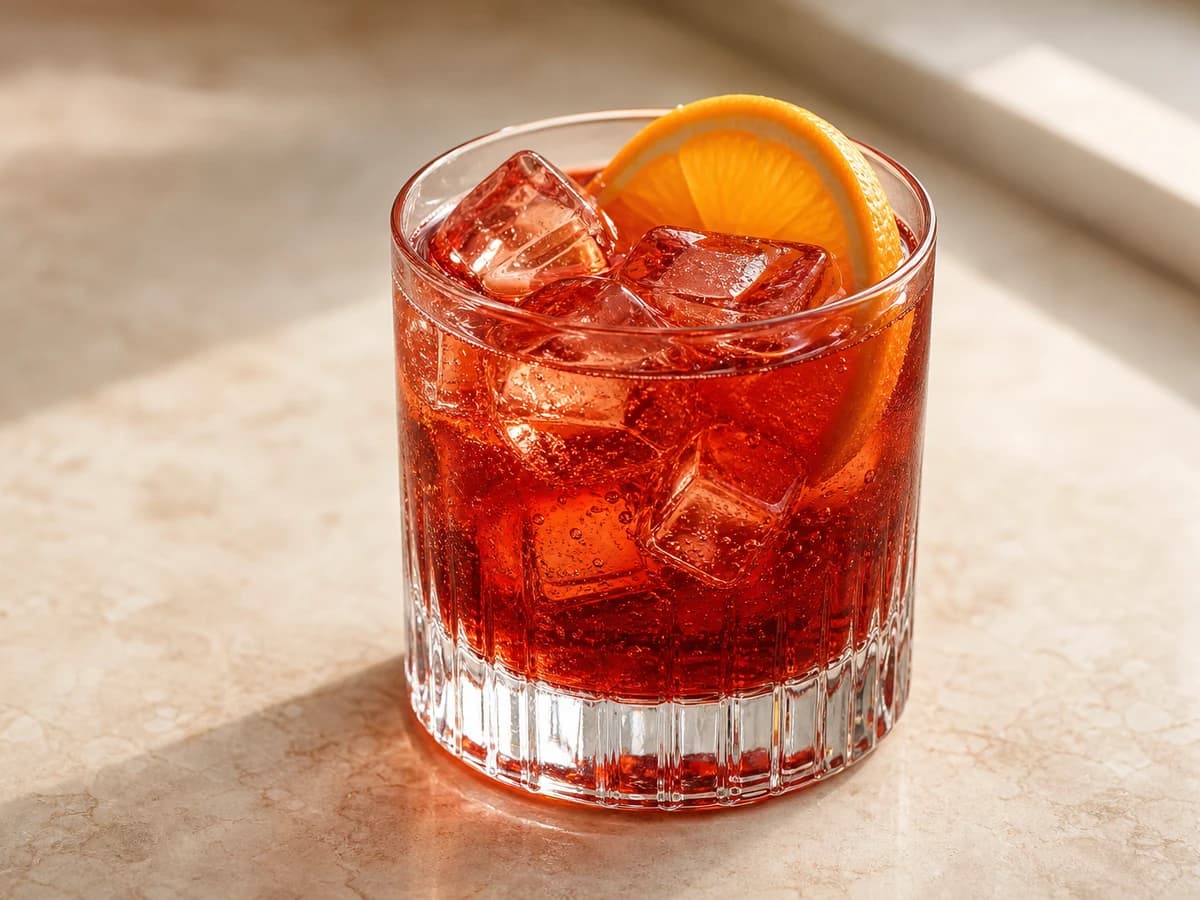
Death in the Afternoon
Absinthe topped with ice-cold Champagne — a stark two-ingredient drink credited to Ernest Hemingway.
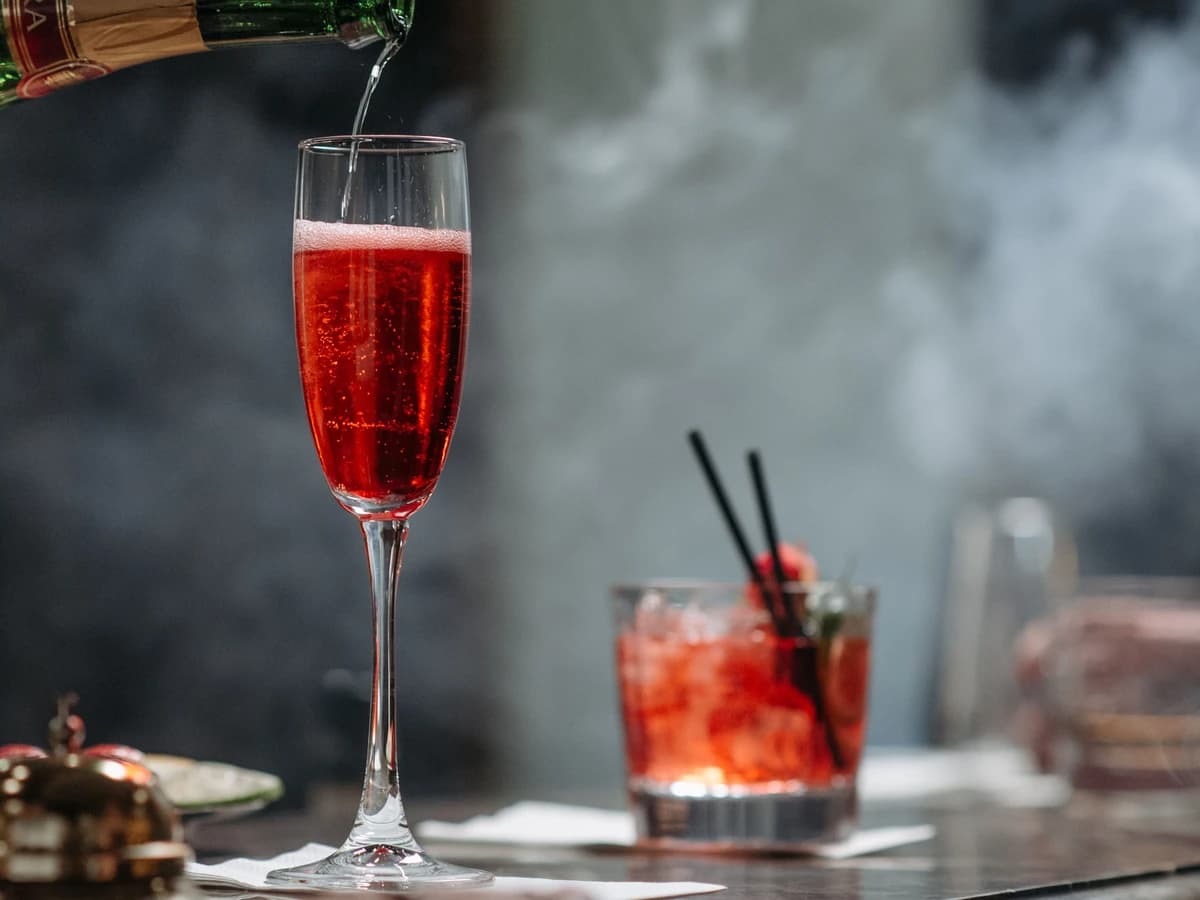
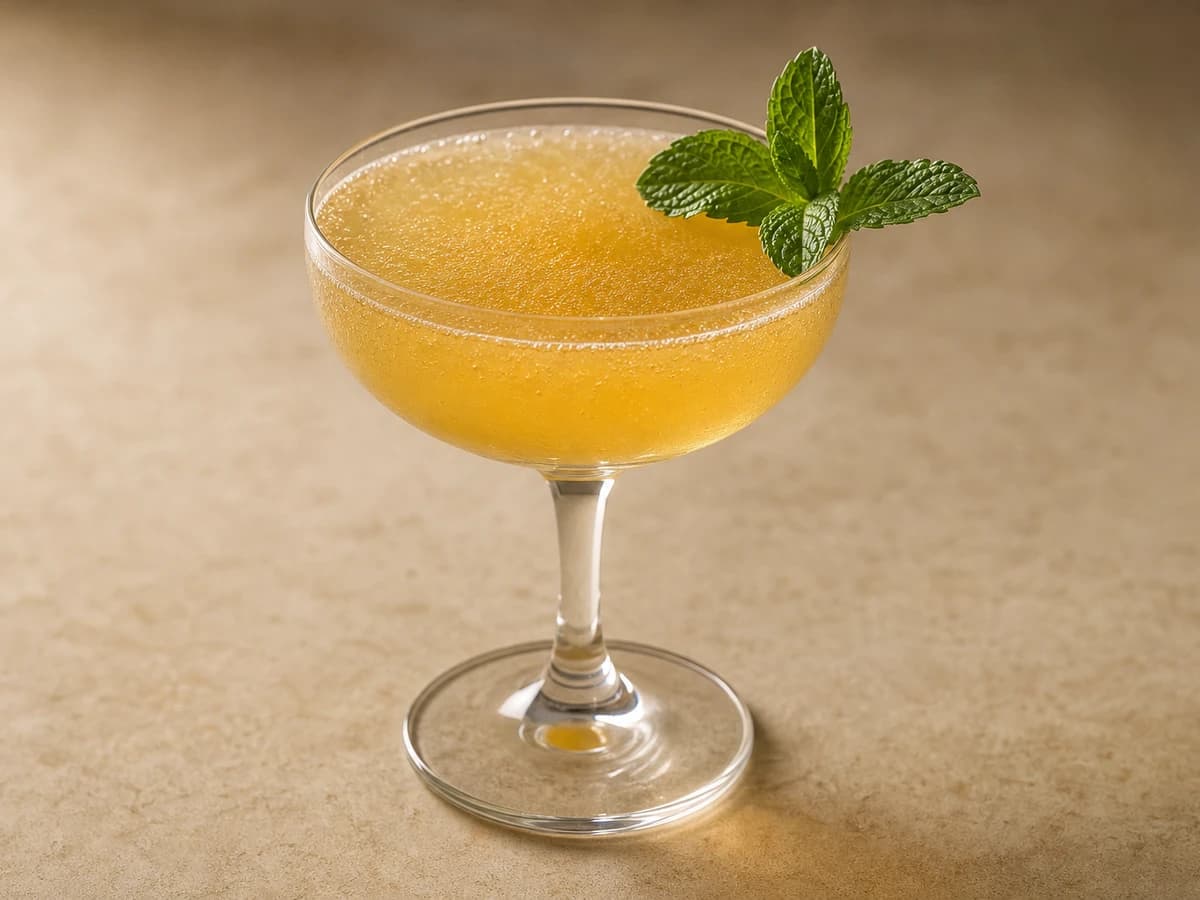
Stand-in
Where sparkling wine is a recommended substitute
Recipes that name it as a swap for something else, with what it replaces.
- Kirin place of dry white wine
Explore