Start here
How to build a balanced mocktail
What alcohol actually contributes to a drink, what disappears when you take it out, and the five things you can use to replace it.
Almost every disappointing alcohol-free drink fails the same way: it tastes like sweetened juice. That is not a failure of ingredients or of effort — it is what happens when you remove alcohol and replace it with nothing, because alcohol was quietly doing five jobs at once.
Understanding those five jobs is the whole discipline. Once you know what you are replacing, building a good mocktail stops being guesswork and becomes a checklist.
What alcohol was doing
Ethanol is not a flavour so much as a set of effects. It carries aroma compounds to the nose, it produces a physical warmth and bite in the mouth, it adds viscosity and weight, it dries the finish so a drink does not linger sweetly, and it dilutes predictably as ice melts. A recipe designed around all five and then stripped of alcohol is not a balanced drink minus one ingredient — it is an unbalanced drink.
This is why straight substitution rarely works. Swapping 50ml of gin for 50ml of anything else fixes the volume and none of the five jobs.
- Aroma carrier
- Alcohol is volatile and lifts aromatic compounds to your nose. Replace with fresh herbs, expressed citrus oils and whole spices — aroma you can smell before you sip.
- Bite and warmth
- Replace with ginger, chilli, strong tea's tannin, or carbonation's physical prickle.
- Body and weight
- Replace with syrups, purées, coconut cream, aquafaba or a shrub's viscosity.
- Dry finish
- Replace with acidity — citrus or vinegar — and with bitterness from tonic, grapefruit, coffee or tea.
- Controlled dilution
- Replace with deliberate ice discipline: a full glass, properly cold ingredients, and a drink built slightly stronger than you want it to end up.
The order to build in
Start with the base — the ingredient supplying most of the volume and character. Add acid until the drink tastes sharp, then sweetness until it stops being sharp; that order matters, because adding sweetness first means you spend the rest of the build chasing it with more acid.
Then ask what is missing rather than what would be nice. Almost always the honest answer is bitterness or aroma, not more fruit. A drink that tastes flat after balancing usually needs a dash of something bitter or a squeezed citrus peel, and almost never needs another juice.
Finally, decide on length and dilution. Long drinks want a full glass of ice and a carbonated top; short drinks want to be genuinely cold and served in a chilled glass, since without alcohol they warm faster.
The mistakes worth naming
Two sweet components at once is the most common. Sweetened cranberry juice and a syrup, or lemonade and grenadine, will always produce something cloying no matter how much lime you add afterwards.
Serving short and warm is the second. An alcohol-free drink has no alcohol to keep it tasting sharp as it warms, so temperature discipline matters more, not less.
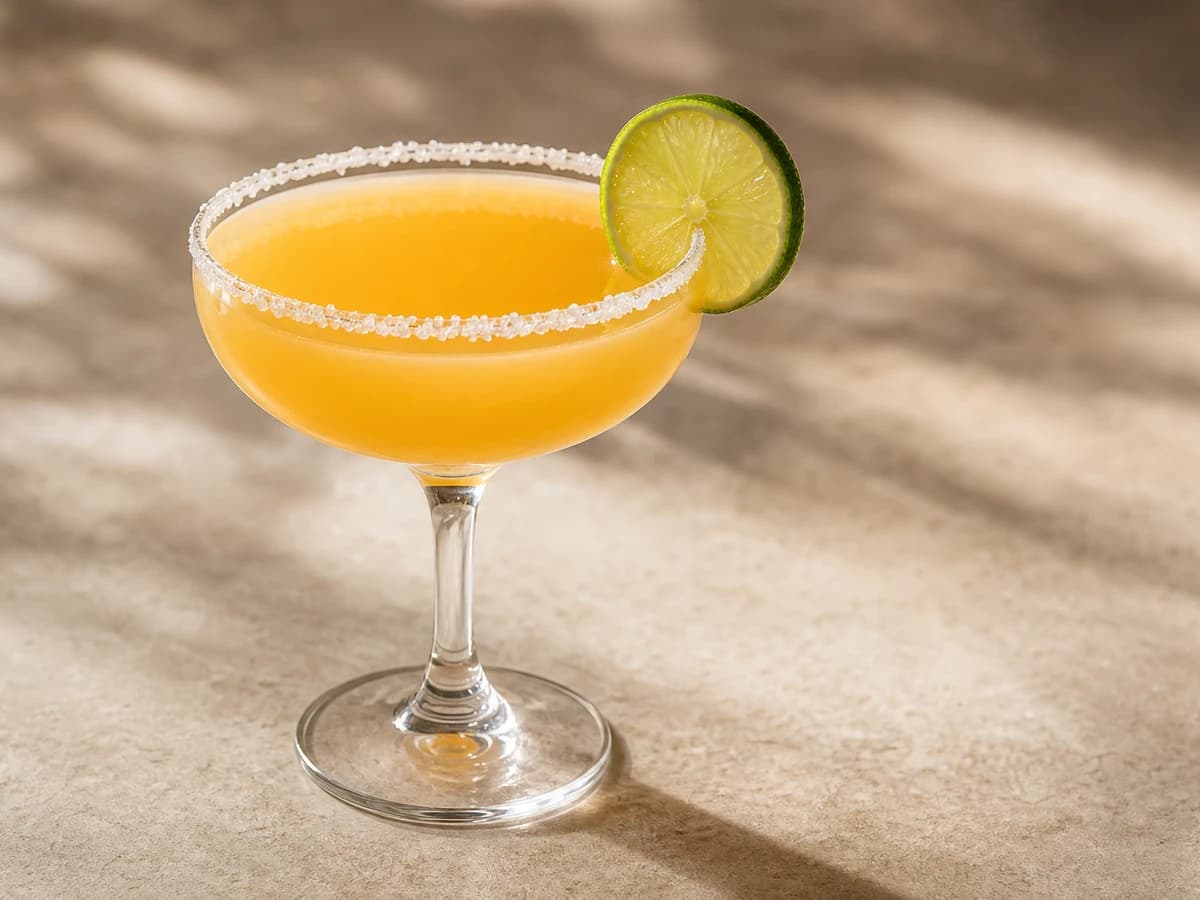
The third is skipping the garnish because it seems decorative. In a drink with no alcohol to carry aroma, an expressed citrus peel or a bruised mint sprig is not decoration — it is one of the five jobs on the list above.
The short version
- Alcohol does five jobs: aroma, bite, body, dry finish and dilution. Replace them individually.
- Build in order: base, then acid, then sweetness — never sweetness first.
- If a drink tastes flat, it almost always needs bitterness or aroma, not more fruit.
- Garnish is functional in alcohol-free drinks, not decorative.
See it in practice
Recipes that use this
Lime Rickey
Lime, a little sugar and soda water — three ingredients, and the driest long drink on the site.
Keep reading
Related guides
Why alcohol-free drinks need proportionally more acid than cocktails do, and how to tune the sweet-sour ratio by taste rather than by recipe.
The flavour people miss most when they stop drinking, and the five alcohol-free ingredients that genuinely supply it.
Soda, tonic, kombucha and alcohol-free sparkling wine — what each brings, and how to keep a drink from going flat.