The core balance
Sweetness and acidity in alcohol-free drinks
Why alcohol-free drinks need proportionally more acid than cocktails do, and how to tune the sweet-sour ratio by taste rather than by recipe.
The sweet-sour axis is the one balance every drink sits on, and alcohol-free drinks sit further along it than most people expect. A classic sour runs roughly 2:1:1 — spirit, citrus, sugar — but the spirit in that ratio is dry and bitter, and it is silently offsetting the sugar. Remove it and the same 1:1 citrus-to-sugar ratio suddenly tastes sweet.
In practice this means an alcohol-free version of almost any recipe wants more acid, less sugar, or both.
Not all acids behave the same
Citric acid, from lemon and lime, hits fast and fades fast — bright, immediate sharpness that disappears by the time you swallow. Malic acid, from apple, is rounder and slower. Acetic acid, from vinegar and shrubs, is the slowest and longest: it lingers and dries the finish in a way citrus cannot, which is why a shrub soda tastes structured while a lime soda tastes merely sharp.
Tartaric acid from grapes and the phosphoric acid in cola both do a similar drying job, which is part of why cola works as a mixer at all.
Using two acids from different families is one of the cheapest ways to make an alcohol-free drink taste more complex than its ingredient list suggests.
Tuning by taste, not by recipe
The reason recipes give you a starting ratio rather than an answer is that ingredients vary enormously. Cranberry juice ranges from unsweetened to almost squash; limes vary in acidity by season; commercial syrups differ by a factor of two in sugar content. A recipe that specifies 15ml of syrup is describing a target, not a measurement.
The reliable method is to build the drink slightly under-sweetened, taste it before you strain or top it, and adjust in 5ml steps. Five millilitres is roughly a teaspoon and is about the smallest change most people can reliably taste in a single glass.
Taste it cold. Sweetness reads lower at low temperatures, so a drink balanced at room temperature will taste cloying once chilled, and one balanced warm will taste thin once iced.
When to add salt instead
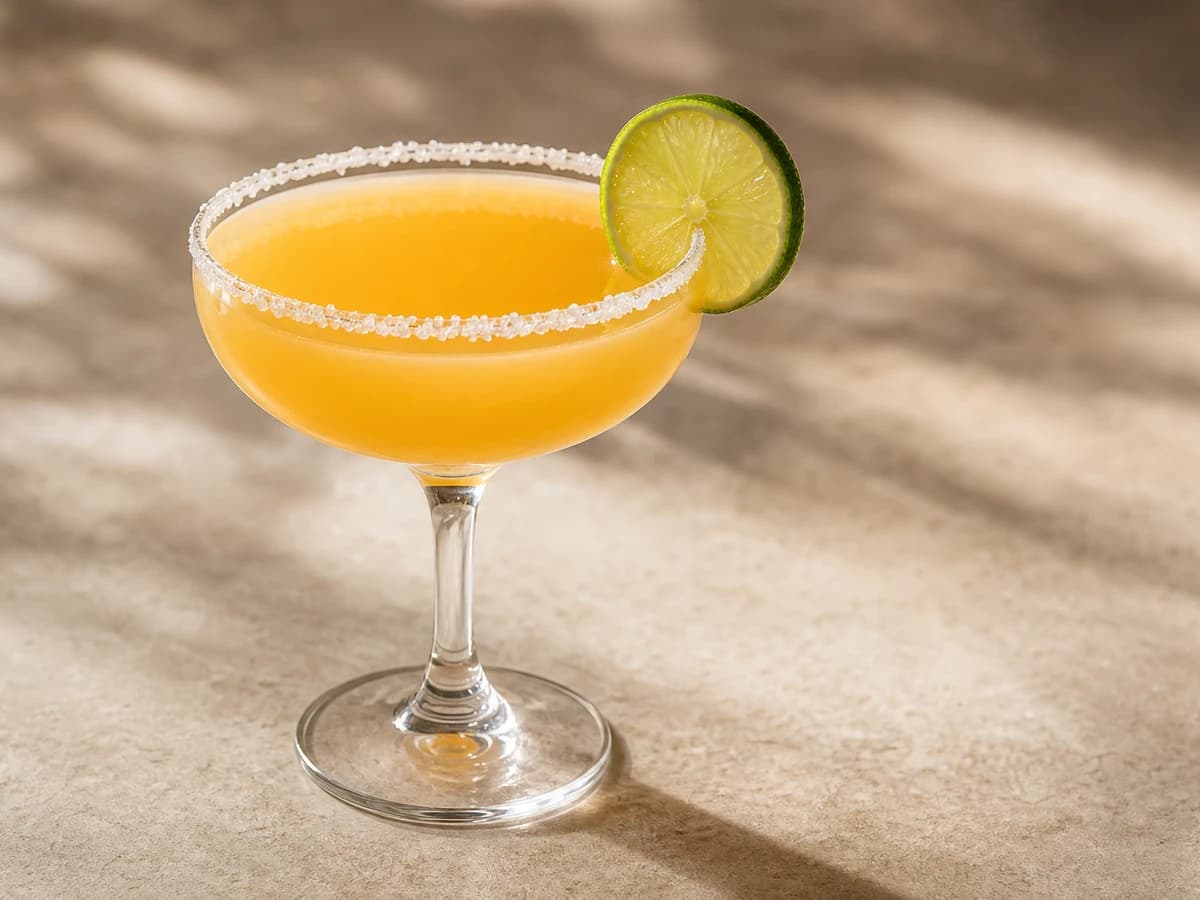
A tiny amount of salt suppresses bitterness and amplifies both sweetness and aroma, which makes it unusually useful in alcohol-free drinks. It is why a salt-rimmed alcohol-free Margarita tastes structured rather than sweet, and why a pinch of salt rescues an over-bitter grapefruit drink faster than sugar does.
The dose is genuinely tiny — a few grains, or a rim rather than a stir-in. Salt is a corrective, not an ingredient here.
The short version
- Removing alcohol removes a dry, bitter component that was offsetting sugar — so alcohol-free drinks need proportionally more acid.
- Citrus, vinegar and apple acids behave differently; using two makes a drink taste more complex.
- Balance by taste, cold, in 5ml steps — published ratios are starting points.
- A few grains of salt fixes over-bitterness faster than sugar does.
See it in practice
Recipes that use this
Keep reading
Related guides
What alcohol actually contributes to a drink, what disappears when you take it out, and the five things you can use to replace it.
Fruit, sugar and vinegar steeped into a syrup — the single most useful thing you can make at home for alcohol-free drinks.
Simple, rich, honey, ginger and spiced syrups — how to make them, how long they keep, and which drinks each one suits.