Beyond the recipe
Creating your own cocktails
How to go from an idea to a drink worth making twice — starting from a template, changing one thing at a time, and knowing when to stop.
Most original cocktails are bad, and the reason is almost always the same: they were designed by accumulation. Someone liked five things and put all five in a glass. Good new drinks are usually built by taking something that already works and changing one element deliberately.
That is not a lack of ambition. Nearly every modern classic is a template with one substitution — the Penicillin is a Whisky Sour with honey-ginger syrup and a smoky float, and that is the whole idea.
Start from a template, not a blank glass
Pick the shape first: sour, Old Fashioned, Martini, highball. That decides your ratios before you have chosen a single ingredient, which is precisely the help you want.
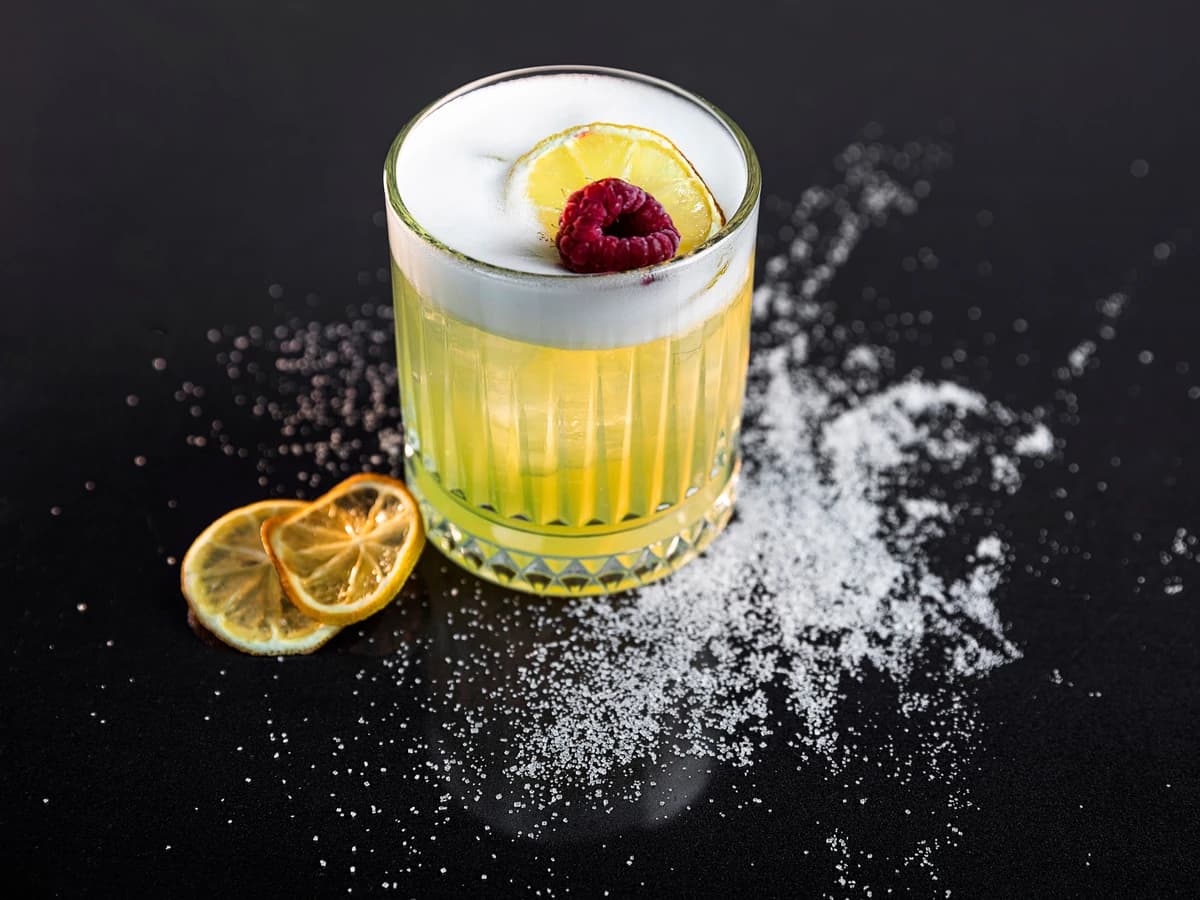
Then make one substitution. Swap the spirit, or the sweetener, or the acid — one of them. A sour with an unusual sweetener is a recognisable drink; a sour with an unusual spirit, sweetener, acid and garnish is four experiments at once and you will not know which part failed.
Make the original first if you have not recently. You cannot judge a variation against a memory.
Substituting with intent
Every ingredient in a template has a job — the five variables from the balance guide. When you swap something in, ask what job it is doing and whether the replacement does it. Honey syrup and simple syrup both sweeten, but honey also adds body and a faint bitterness, so a straight volume swap will land differently.
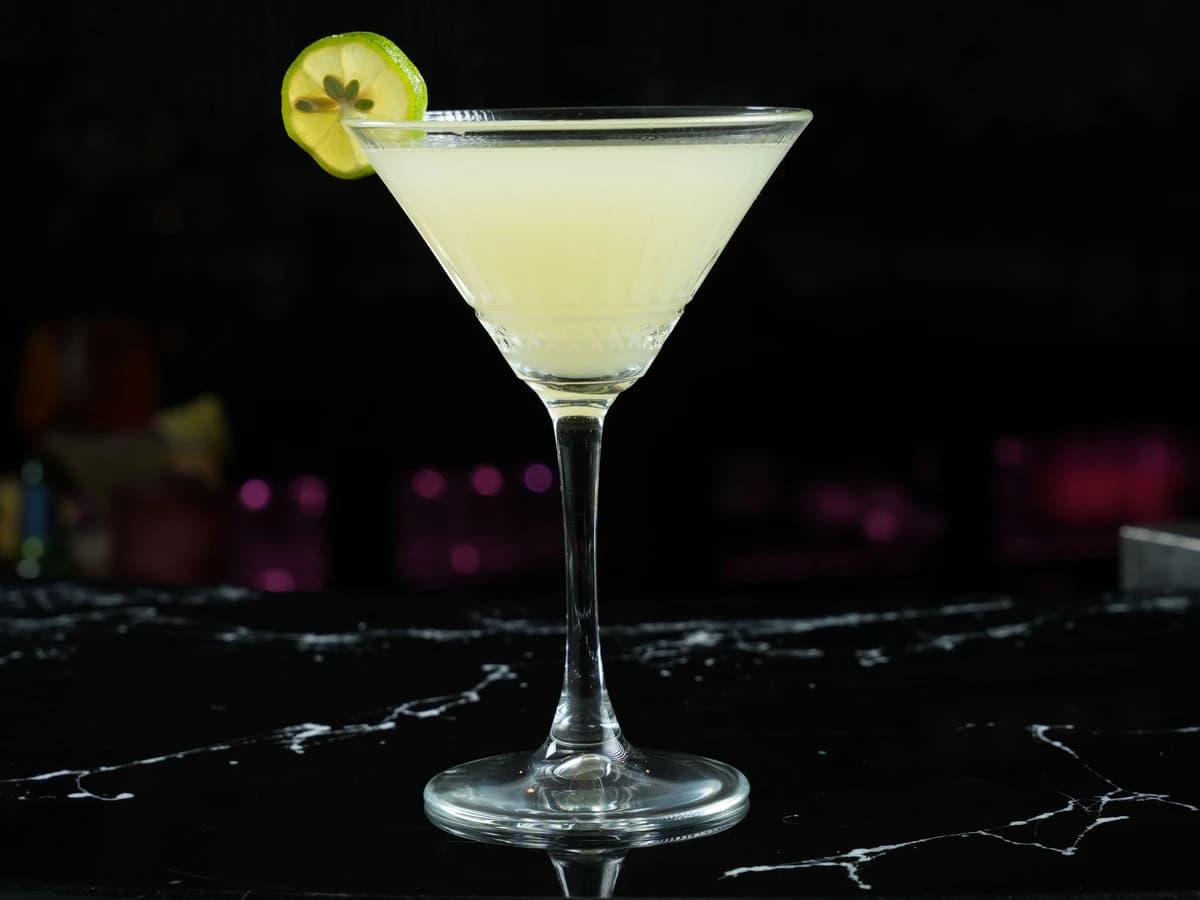
Watch for hidden functions. Vermouth in a Martini is not only diluting the gin; it is adding sweetness, acidity and botanicals. Replace it with something that only dilutes and the drink loses more than a third of its ingredients list suggests.
Sweetened ingredients are the usual trap. Liqueurs, cordials and flavoured syrups all bring sugar you did not account for, so a drink that gains a liqueur usually needs to lose some sweetener.
Testing honestly
Write down what you did, in millilitres, before you taste it. A drink you cannot reproduce is not a recipe, and you will not remember.
Taste before you strain, while you can still adjust. Once it is in the glass with a garnish on top, your options are worse.
Then make it again the next day. Almost everything tastes exciting the moment you invent it; the honest test is whether you want it again when the novelty has gone. Most ideas fail that test, and the ones that pass are worth the ones that don't.
Finally, name what it is. If you cannot say "it's a Daiquiri with X instead of Y", you probably have not made one thing — you have made several at once.
The short version
- Start from a template. It fixes your ratios before you pick ingredients.
- Change one element at a time or you learn nothing from the result.
- Ask what job an ingredient does before replacing it — most do more than one.
- Write down the millilitres, and make it again the next day.
Covered in more depth elsewhere
Try it on
Recipes where this matters most
Keep reading
Related guides
Strong, sweet, sour, bitter and weak — the five variables every recipe is trading off, and how to diagnose which one is wrong.
Shaking, stirring, muddling, straining, throwing and building — what each one does to a drink, and when the choice is genuinely load-bearing.
Water is an ingredient in almost every cocktail you have ever drunk. How much, where it comes from, and why cold matters as much as wet.