Browse by spirit
Tequila cocktails
Tequila's sharp, vegetal edge comes from the blue agave it's distilled from, and that character holds up even against strong citrus and salt — which is exactly why the Margarita and Paloma work as well as they do. Blanco tequila keeps that raw agave bite; reposado and añejo mellow it with barrel time, trading brightness for warmth.
Where to start with tequila
the one it is known for
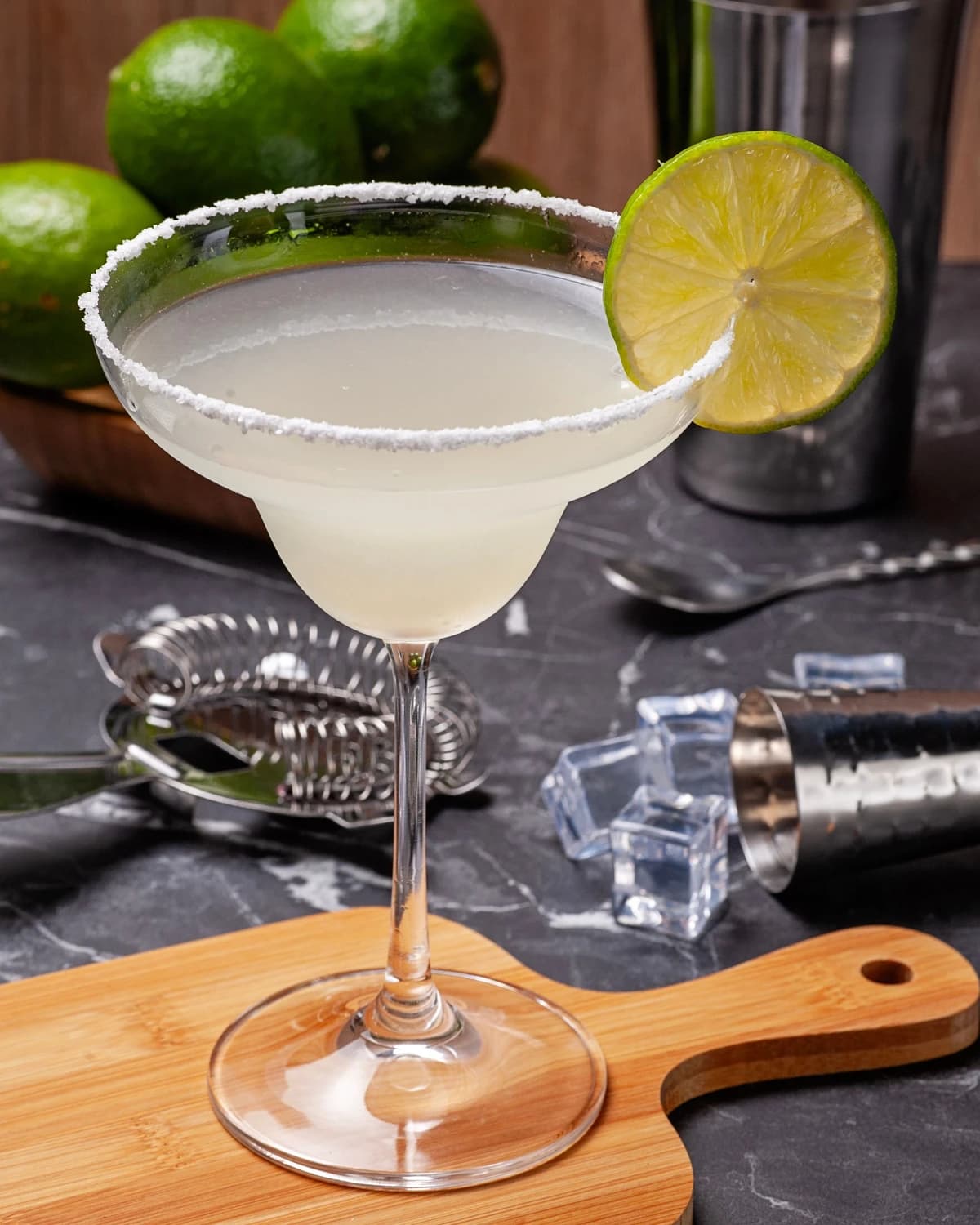
MargaritaThe sour the category is built around, and the drink most others here are compared against.
the easiest to get right
Mexican Mule3 ingredients, built, and about 3 minutes — very little to go wrong.
where it goes next
Naked and FamousA equal-parts sour rather than a sour — smoky and bitter, and a different side of the same bottle.
Tommy's Margarita
Tequila, lime and agave syrup — no triple sec — a cleaner, more agave-forward take on the Margarita.
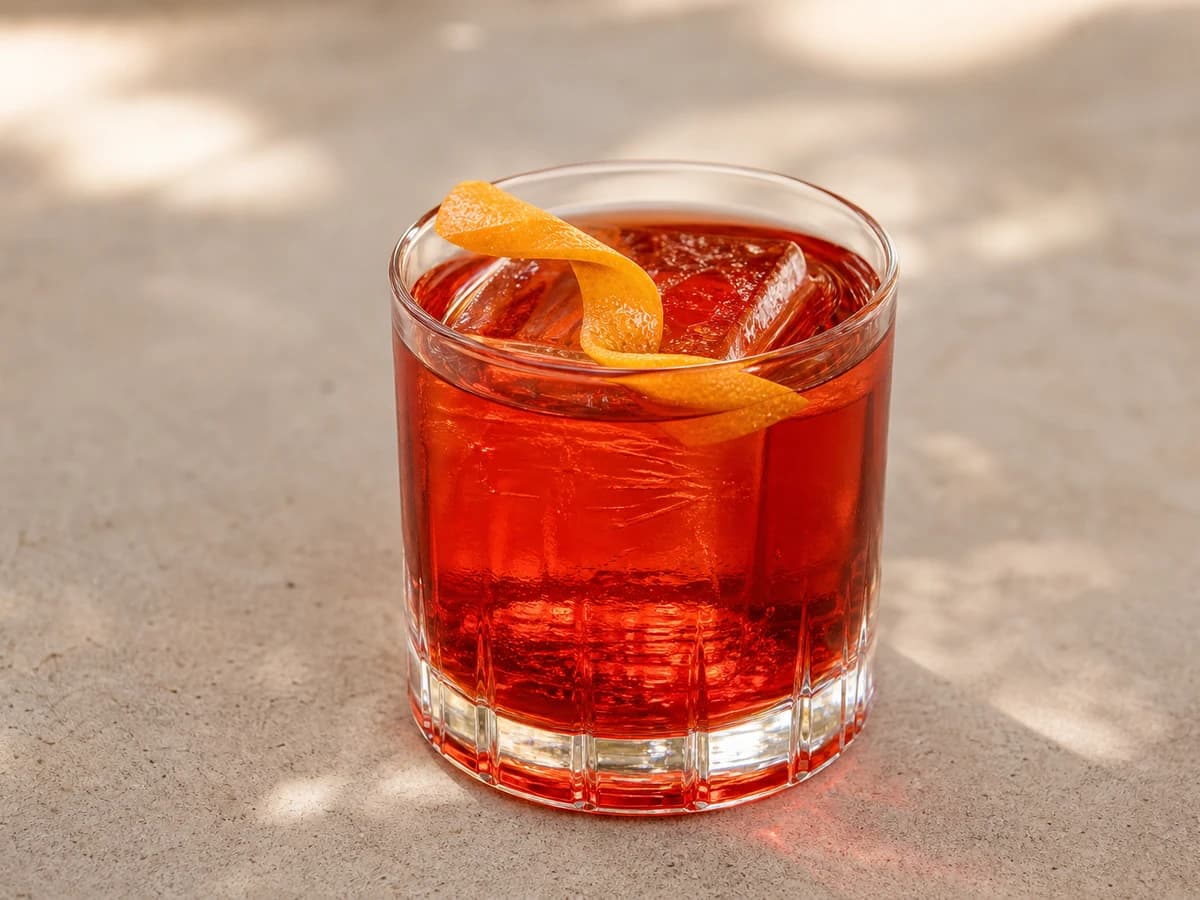
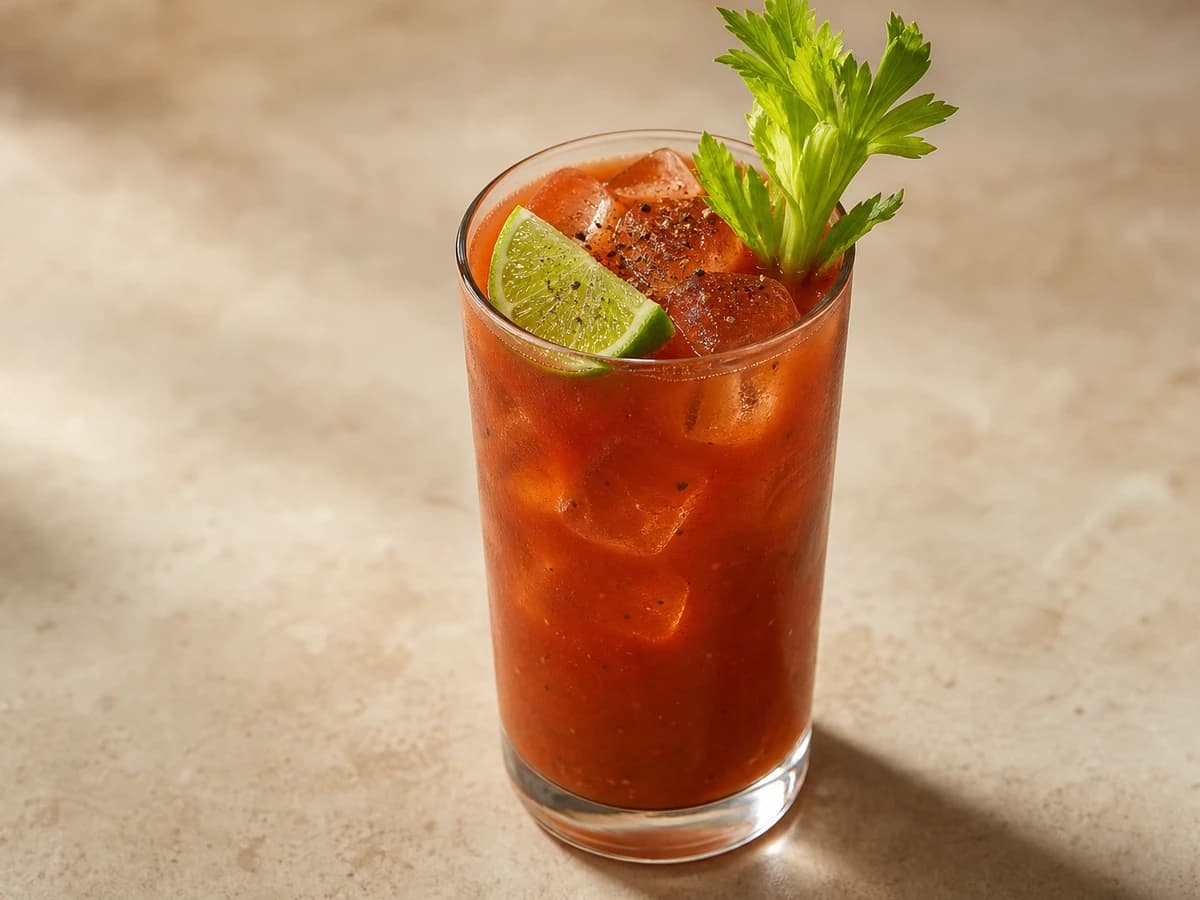
In depth
Understanding tequila
Where the category comes from, how it is made, how its styles differ, and what that means in a drink.
Origin
Tequila is a protected Mexican designation, restricted since 1974 to blue agave grown and distilled within defined regions. Mezcal is the broader agave-spirit category of which tequila is a subset — not its opposite.
How it's made
Blue agave takes roughly six to eight years to mature and is destroyed at harvest: the plant flowers once and dies, so the starchy heart is cut out and cooked to convert its sugars. How it is cooked is the biggest stylistic decision — traditional brick ovens give a rounder, sweeter result than industrial autoclaves.
Flavour
Vegetal and peppery, with a mineral edge from the agave itself. Smoke is a production artefact of pit-roasting rather than a characteristic of agave, which is why most tequila has none.
What it does in a drink
Agave's vegetal sharpness stands up to citrus better than almost any other spirit, which is why the category's canon is so citrus-heavy. It also takes salt unusually well — the salt rim on a Margarita is structural, not decorative.
Styles worth knowing
- Blanco
- Unaged or briefly rested. The most agave-forward and the right default for a Margarita or Paloma.
- Reposado
- Rested in oak for months. Rounder, slightly vanilla-touched; good in stirred agave drinks.
- Añejo
- Aged a year or more. Closer to whisky in weight; usually wasted under citrus.
- Mezcal
- The wider category. Pit-roasting over wood is what gives much of it the smoke tequila lacks.
Substituting within the category
Mezcal for tequila is a real and popular swap, but it adds smoke and changes the drink's character substantially. The label detail that matters most is '100% agave': products without it may legally contain up to 49% other sugars.
The bottles inside this category
What's established
- documented
Tequila has held a Mexican denomination of origin since 1974, restricting it to blue agave from defined regions.
A published regulatory instrument with a date.
Supported by contemporary printed sources — a dated book, menu, newspaper or legal record.
- documented
Tequila not labelled '100% agave' may legally contain up to 49% other sugars.
Set out in the Mexican official standard for tequila.
Supported by contemporary printed sources — a dated book, menu, newspaper or legal record.
- documented
Mezcal's smokiness comes from pit-roasting agave over wood, not from the agave itself.
A direct consequence of a documented production method; tequila roasted in ovens does not develop it.
Supported by contemporary printed sources — a dated book, menu, newspaper or legal record.