The part people forget
Herbs, botanicals and aroma
Mint, basil, cucumber and citrus peel — how to handle aromatic ingredients so they lift a drink instead of turning it bitter.
Most of what you experience as flavour is actually smell, and alcohol is very good at delivering smell — it evaporates readily and carries aromatic compounds with it. Take it away and the aroma layer of a drink quietly collapses, which is one reason alcohol-free drinks so often taste flat despite tasting fine on paper.
Herbs, botanicals and citrus oils are how you put it back. They are also the ingredients people handle most roughly.
Bruise, don't pulverise
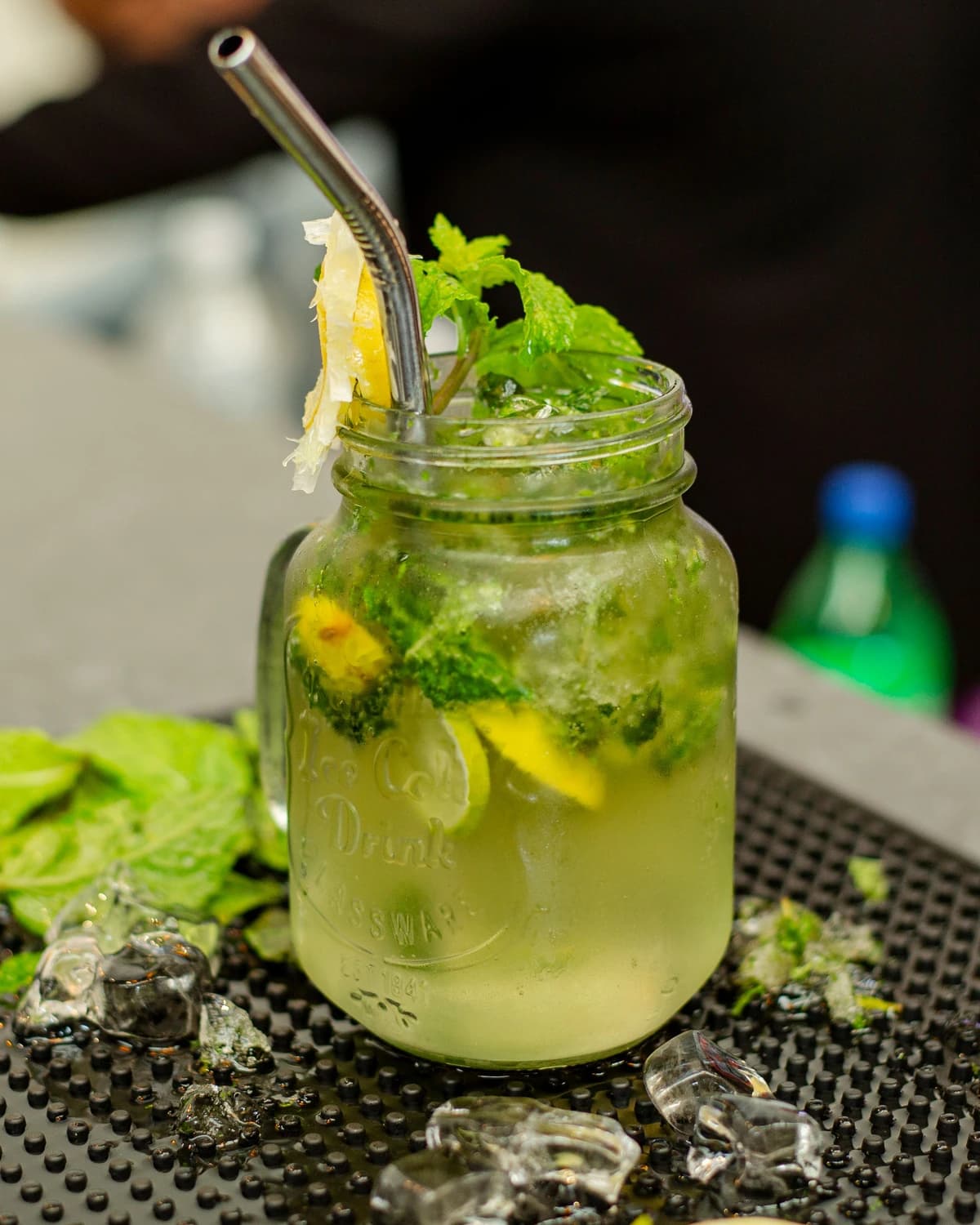
Mint's aroma lives in oils held in the surface of the leaf. A firm press releases them. Grinding the leaf apart releases chlorophyll and tannins instead, which is why over-muddled mint tastes green and bitter and looks like lawn clippings in the glass.
The test is visual: bruised mint stays intact and darkens slightly; destroyed mint is in pieces. Basil is even more delicate and browns almost immediately once torn, so it should go in last.
For a garnish sprig, slap it once between your palms before planting it in the drink. That single motion releases far more aroma than the sprig sitting there decoratively.
Citrus peel is an ingredient
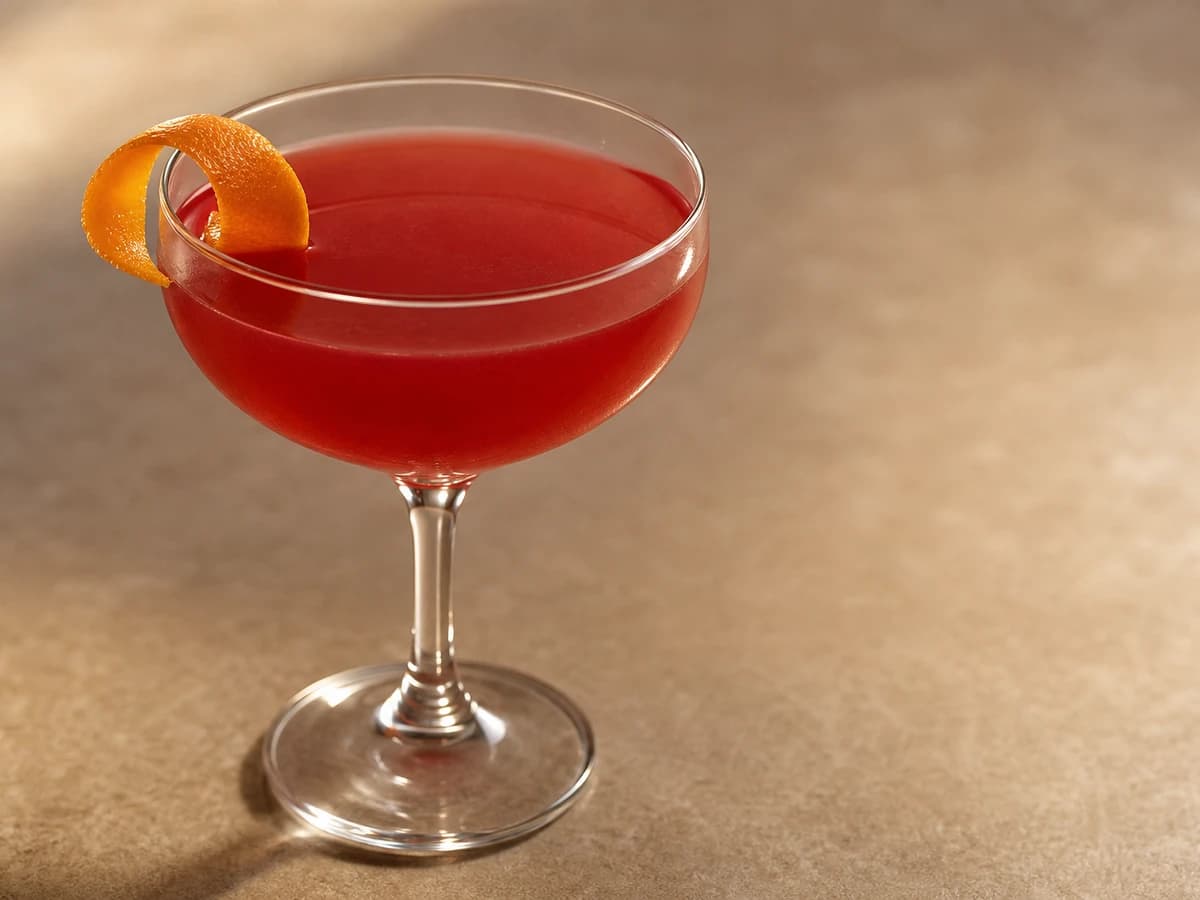
Expressing a twist — squeezing a strip of peel skin-side down over the drink's surface — sprays a fine mist of citrus oil across it. That oil is aromatic and almost sugar-free, which makes it one of the few ways to make an alcohol-free drink smell richer without making it taste sweeter.
Cut peel with as little white pith as possible for aroma, or deliberately include pith when you want bitterness — the same fruit gives you two different tools.
Cucumber, tea and the savoury end
Cucumber is unusual: it reads as fresh and slightly savoury without contributing sweetness or acidity at all, which makes it the most useful ingredient in the whole alcohol-free repertoire for drinks that need to taste grown-up. Slice it thickly and muddle gently, or leave long ribbons in the glass.
The broader principle is that savoury and aromatic ingredients — cucumber, celery, herbs, tea, pepper — are underused in alcohol-free drinking precisely because the default assumption is that a non-alcoholic drink should taste of fruit. It shouldn't necessarily.
The short version
- Aroma is the layer that collapses when alcohol is removed; herbs and citrus oil are how you rebuild it.
- Bruise herbs, never grind them — destroyed mint tastes bitter.
- Expressing a citrus twist adds aroma without adding sugar.
- Cucumber and other savoury botanicals make alcohol-free drinks taste adult rather than fruity.
See it in practice
Recipes that use this
Cucumber Mint Cooler
Muddled cucumber and mint lengthened with lime and soda — a cool, green, alcohol-free highball.
Keep reading
Related guides
What alcohol actually contributes to a drink, what disappears when you take it out, and the five things you can use to replace it.
Simple, rich, honey, ginger and spiced syrups — how to make them, how long they keep, and which drinks each one suits.
The flavour people miss most when they stop drinking, and the five alcohol-free ingredients that genuinely supply it.