Espresso
Espresso is coffee brewed by forcing hot water through finely ground beans under pressure, producing a small, concentrated shot with a thick crema and intense roasted flavour. It is stronger and more concentrated than drip coffee. Its intensity and small volume make it well suited to shaken coffee cocktails.
Common uses
- base for shaken espresso-style cocktails
Buying & storage
Use the same day: Loses its crema within minutes and its aroma within the hour. There is no version of brewing it in advance that works.
Buying: Freshness beats bean choice for cocktails — espresso pulled ten minutes ago is noticeably duller. Keep decaf beans if you make these in the evening; the crema and bitterness are essentially unchanged.
Storage: brew fresh and use immediately, ideally cooled slightly before shaking
In depth
Understanding espresso
How it is made, where it comes from, what it pairs with, and how it behaves in an alcohol-free drink.
How it's made
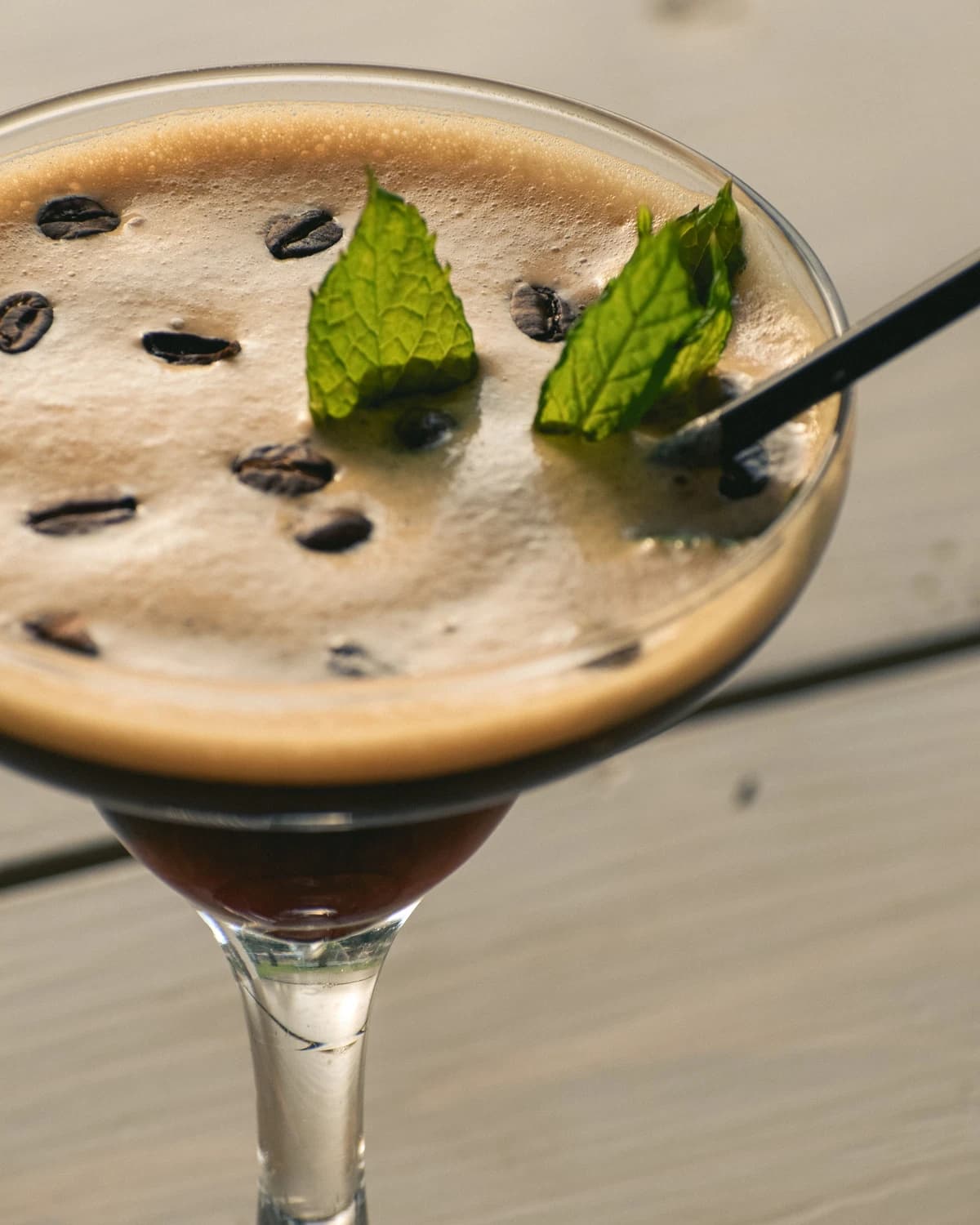
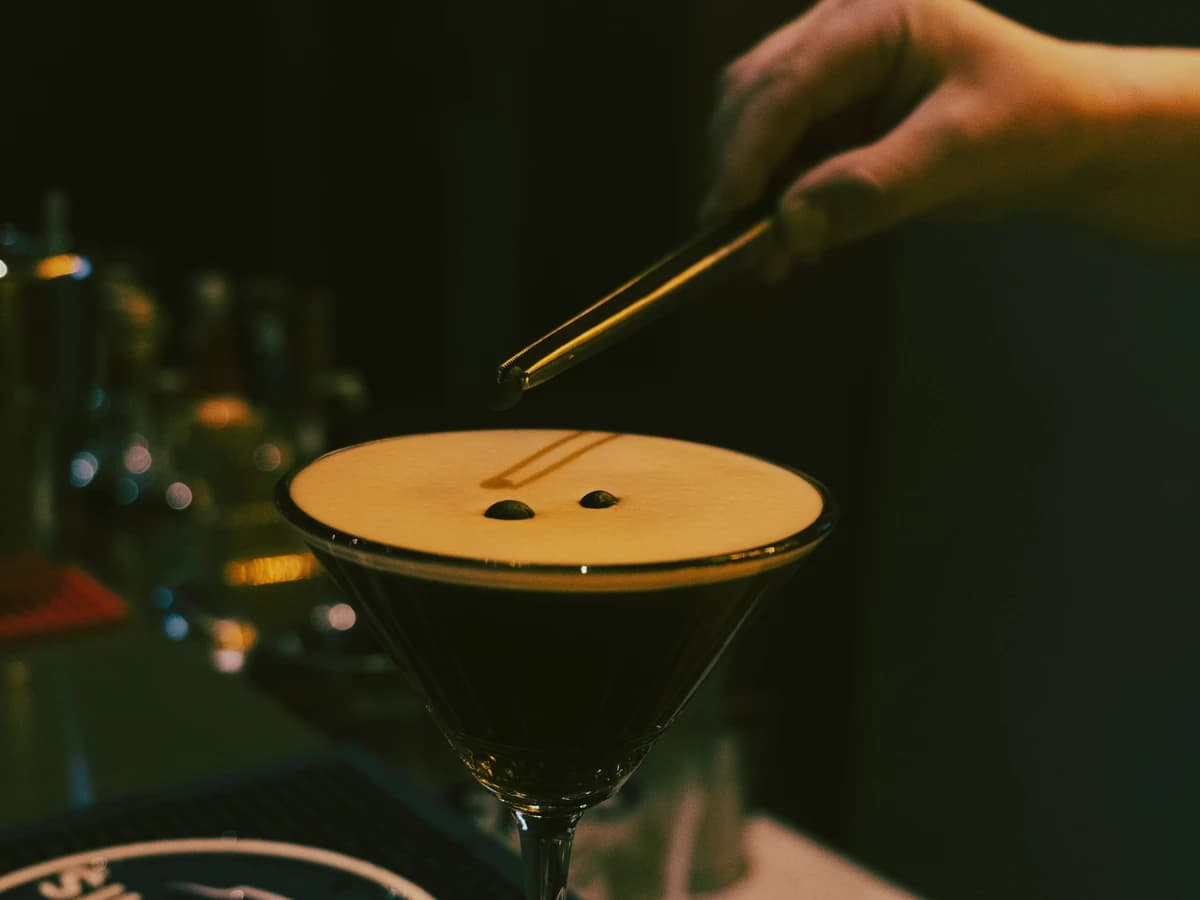
Espresso is coffee brewed under pressure, which extracts more dissolved solids than any other method and produces crema — the emulsified layer that shakes into real foam. That foam is why the Espresso Martini works and why the drink cannot be made convincingly with drip coffee. It must be used fresh; espresso left standing for ten minutes tastes flatter and more bitter.
Origin
Espresso as a pressure-brewed method dates from early twentieth-century Italy; its cocktail career is largely a product of the 1980s onward.
What it pairs with
Tonic (the pairing is chemical as much as culinary — two different bitternesses lifted by carbonation), orange, vanilla, cream and coconut. It does not work with heavy fruit juice; pineapple and coffee are not friends.
In alcohol-free drinks
- Supplies bitterness, body and aroma at once — three of the five things alcohol contributes, from one ingredient
- Decaf performs almost identically for foam and bitterness, which matters when these drinks are served late
Before it goes
Use up espresso
Ranked by how much of it each drink uses and how little else it needs — the ones at the top will not send you back to the shop.
- Espresso Tonic
Uses 50ml. Also needs tonic water.
- Espresso Martini
Uses 25ml. Also needs vodka, coffee liqueur.
- Alcohol-Free Espresso Martini
Uses 60ml. Also needs vanilla syrup.
Recipes
Cocktails containing this ingredient
Stand-in
Where espresso is a recommended substitute
Recipes that name it as a swap for something else, with what it replaces.
- Coffee Old Fashionedin place of cold brew coffee concentrate
- Cold Brew Negroniin place of cold brew coffee concentrate
Swap it
Possible substitutions
Explore