The most used fresh ingredient
Citrus: juice, peel and garnish
Fresh juice and how fast it changes, how much juice a fruit really gives, where the bitterness comes from, and how to cut twists, wheels and wedges that do a job.
More recipes on this site use lime or lemon juice than any other fresh ingredient, and fresh citrus is the single biggest quality jump available to a home bartender. Bottled juice is pasteurised, and pasteurising changes its flavour; the result is flatter and slightly cooked, and no technique gets that brightness back.
How fast juice changes
Juice starts changing as soon as it leaves the fruit: aromatic compounds fade and it slowly turns more bitter and duller. Lime is the most sensitive. Squeeze it the same day, keep it cold and covered, and taste before a party if it was squeezed in the morning. Some bartenders find lime tastes its best a few hours after juicing rather than at once; nobody serious recommends yesterday's.
Lemon is a little more forgiving than lime; orange and grapefruit more again. All of them are better fresh than kept.
How much juice to expect
Fruit varies by size, variety, season and how cold it is, so yields are ranges. Hand-juiced, an ordinary supermarket lime gives roughly 25–30ml, a lemon 40–45ml, an orange 60–80ml and a grapefruit 120–180ml. Small, hard or fridge-cold fruit gives less.
Roll the fruit firmly on the board and let it come to room temperature before juicing; both help. For a party, plan from the low end of each range and buy a few extra — the party planner and shopping list do this for you.
Pith, peel and bitterness
The coloured outer skin holds the fruit's aromatic oils. Under it, the white pith is bitter. Pressing a hand press too hard, grinding a reamer into the pith, or muddling whole wedges hard all push some of that bitterness into the drink. In a Caipirinha that is part of the character; in a Daiquiri it is a fault.
Peel before you juice. A strip of peel taken from a fruit you are about to juice costs nothing, and the oils are freshest from a whole, firm fruit.
Twists, wheels, wedges and zest
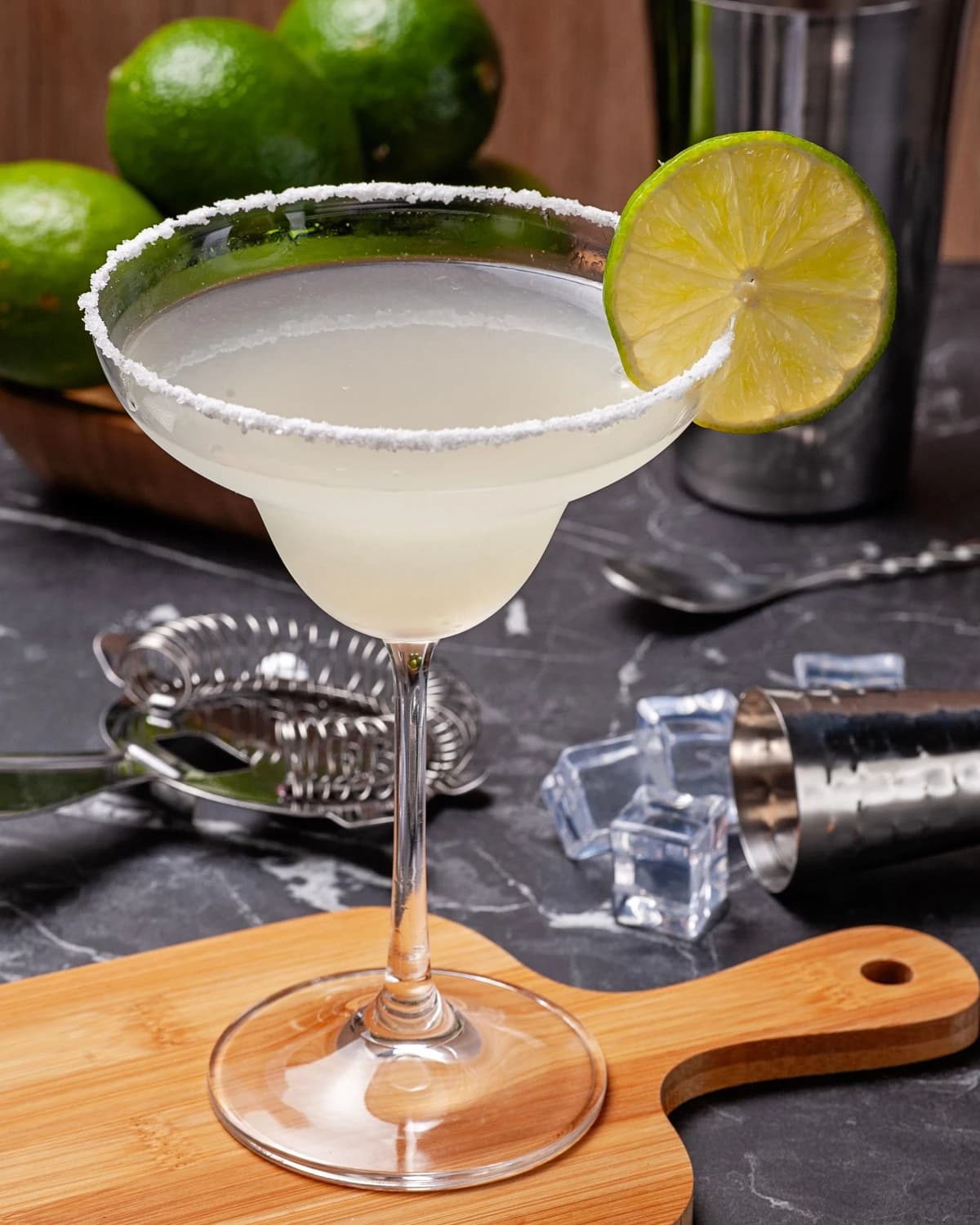
A twist is aroma: express it over the drink so the oil lands on the surface, then decide whether it goes in. A wedge is an ingredient: squeezed, it adds juice; dropped in unsqueezed, it adds little but looks. A wheel is mostly visual and adds a little aroma from its cut edge. Zest grated over a drink gives a strong burst of aroma and leaves flecks on the surface.
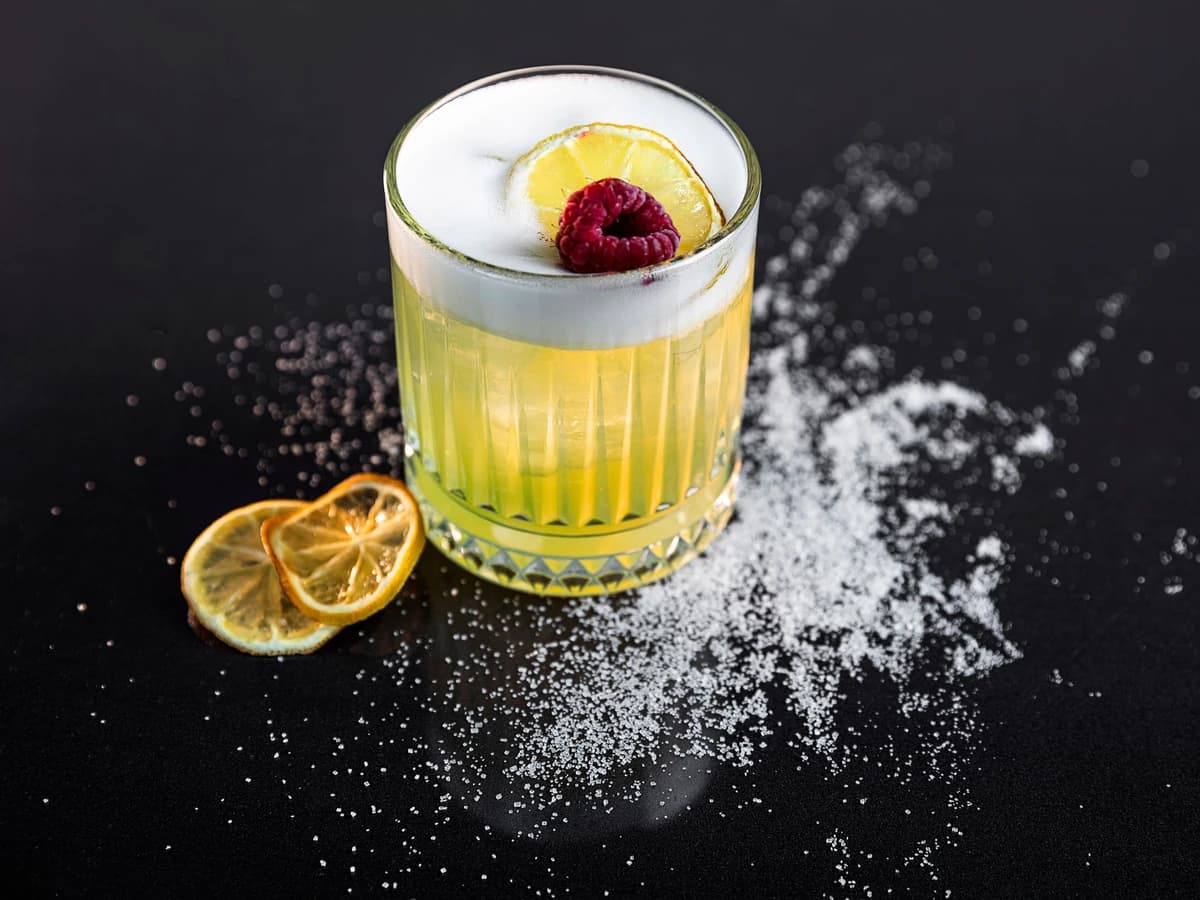
Dehydrated citrus wheels keep for months and look good. Drying drives off most of the aromatic oil, so treat them as decoration.
- Twist
- Aroma, no volume. Express it, then add or discard.
- Wedge
- An ingredient if squeezed. Cut lengthways, pith trimmed from the tip.
- Wheel
- Visual, a little aroma. Cut thin across the fruit.
- Zest
- Strong aroma and visible flecks; a microplane, lightly.
- Dehydrated wheel
- Decoration. Most of the oil has gone.
The short version
- Fresh juice beats bottled every time, and lime is the most perishable — squeeze it the same day.
- Yields are ranges; plan from the low end and buy extra.
- The pith is the bitterness: do not grind into it unless the drink wants it.
- Peel before you juice, and express twists over the drink.
Covered in more depth elsewhere
Try it on
Recipes where this matters most


Keep reading
Related guides
Expressing citrus oils, cutting a proper twist, and which garnishes actually alter what you taste rather than just what you see.
Where the waste in home cocktail-making actually is — and it is not the straw — plus what to do with the parts you normally bin.