Browse by spirit
Brandy cocktails
Brandy — grape or other fruit distilled and usually barrel-aged — brings a soft, rounded warmth closer to whisky than to gin or vodka, but with a fruitier, less oak-driven backbone. It shows up in a smaller set of enduring classics (the Sidecar, the Brandy Alexander) rather than a wide modern repertoire, which keeps this corpus intentionally focused rather than thin by accident.
Where to start with brandy
the one it is known for
SidecarThe sour the category is built around, and the drink most others here are compared against.
the easiest to get right
French Connection2 ingredients, built, and about 3 minutes — very little to go wrong.
where it goes next
Brandy AlexanderA cream cocktail rather than a sour — sweet and creamy, and a different side of the same bottle.
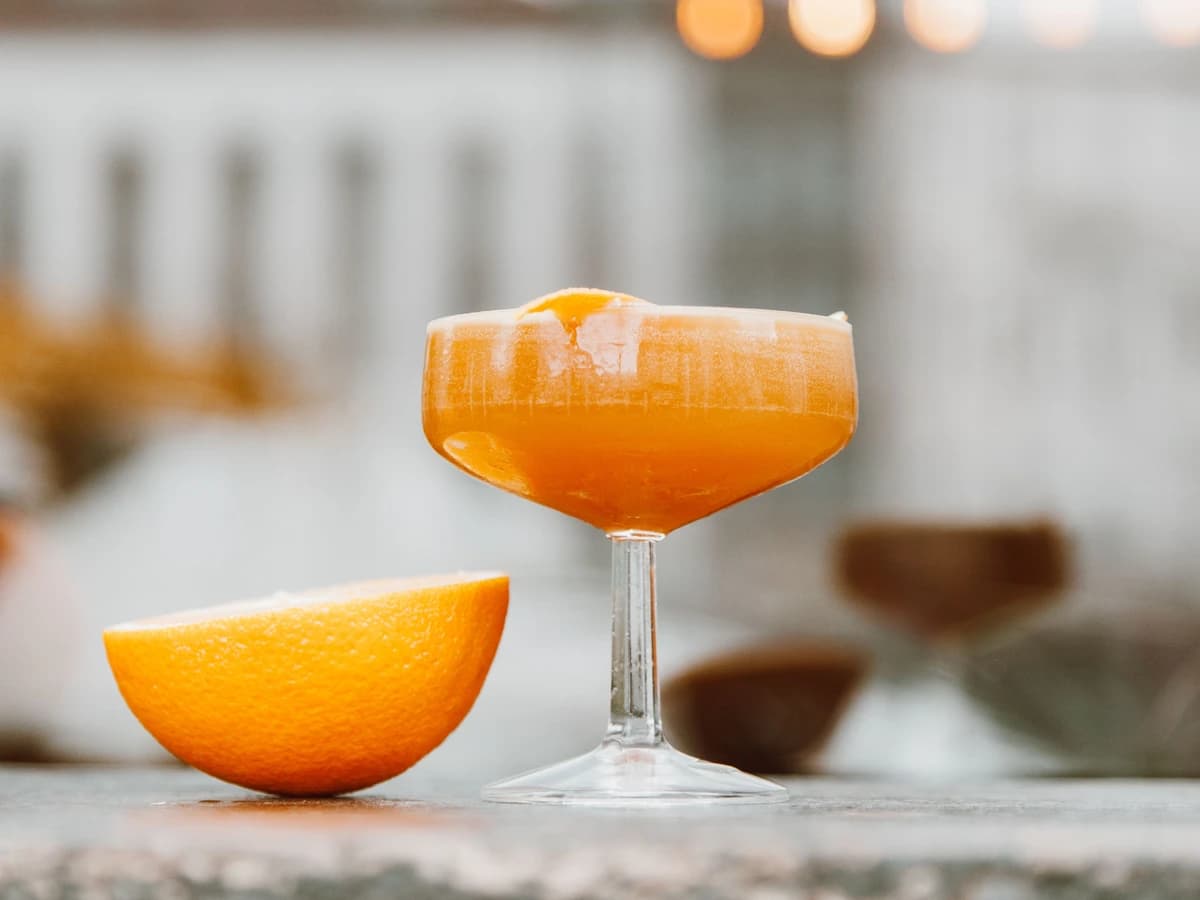
Brandy Alexander
Cognac, dark crème de cacao and cream, shaken smooth — a dessert cocktail dusted with nutmeg.
Between the Sheets
Cognac, white rum, triple sec and lemon in close-to-equal parts — a strong, citrus-bright Sidecar relative.
In depth
Understanding brandy
Where the category comes from, how it is made, how its styles differ, and what that means in a drink.
Origin
Brandy is distilled wine or fruit, and the category is far older in European drinking than most of the canon it appears in. Cognac and Armagnac are protected French regional designations rather than styles anyone may adopt.
How it's made
Cognac is twice distilled in copper pot stills from acidic white wine and aged in French oak. Age classifications — VS, VSOP, XO — set a minimum for the *youngest* spirit in the blend, so they are a floor rather than a description. Calvados and other fruit brandies follow the same logic with different raw material.
Flavour
Grape-derived stone and dried fruit over oak, with a softer, rounder heat than grain spirits. Fruit brandies are drier and sharper than people expect.
What it does in a drink
Brandy sits between whisky and a clear spirit: enough weight for stirred drinks, enough fruit for sours. It also takes cream and egg unusually well, which is why it anchors so much of the older dessert-drink repertoire.
Styles worth knowing
- Cognac
- Protected region, double pot distillation. The brandy most classic recipes assume.
- Armagnac
- Usually column-distilled once, often more rustic and characterful than Cognac.
- Apple brandy / Calvados
- Apple rather than grape. Drier and more orchard-like; anchors the Jack Rose.
- Pisco
- South American grape brandy, typically unaged. Not currently in the CocktailHQ catalogue.
Substituting within the category
Cognac for a generic brandy is a straightforward upgrade in almost any recipe. Apple brandy is not a substitute for grape brandy — the fruit is the point, and swapping changes the drink's identity.
The bottles inside this category
What's established
- documented
Cognac and Armagnac are protected French regional designations.
Both hold appellation status under French and EU law.
Supported by contemporary printed sources — a dated book, menu, newspaper or legal record.
- documented
Cognac age statements refer to the youngest spirit in the blend.
Set out in the appellation's own regulations.
Supported by contemporary printed sources — a dated book, menu, newspaper or legal record.