Roast, body and bitterness
Coffee-based mocktails
Espresso and cold brew in alcohol-free drinks — bitterness, texture and the caffeine question nobody mentions.
Coffee brings three things at once: real bitterness, genuine body, and an aroma strong enough to survive dilution. That combination is rare in the alcohol-free world, and it is why espresso tonic became a serious drink rather than a novelty.
It is also the most dominant ingredient here. Coffee does not blend politely — it decides what the drink is.
Espresso versus cold brew
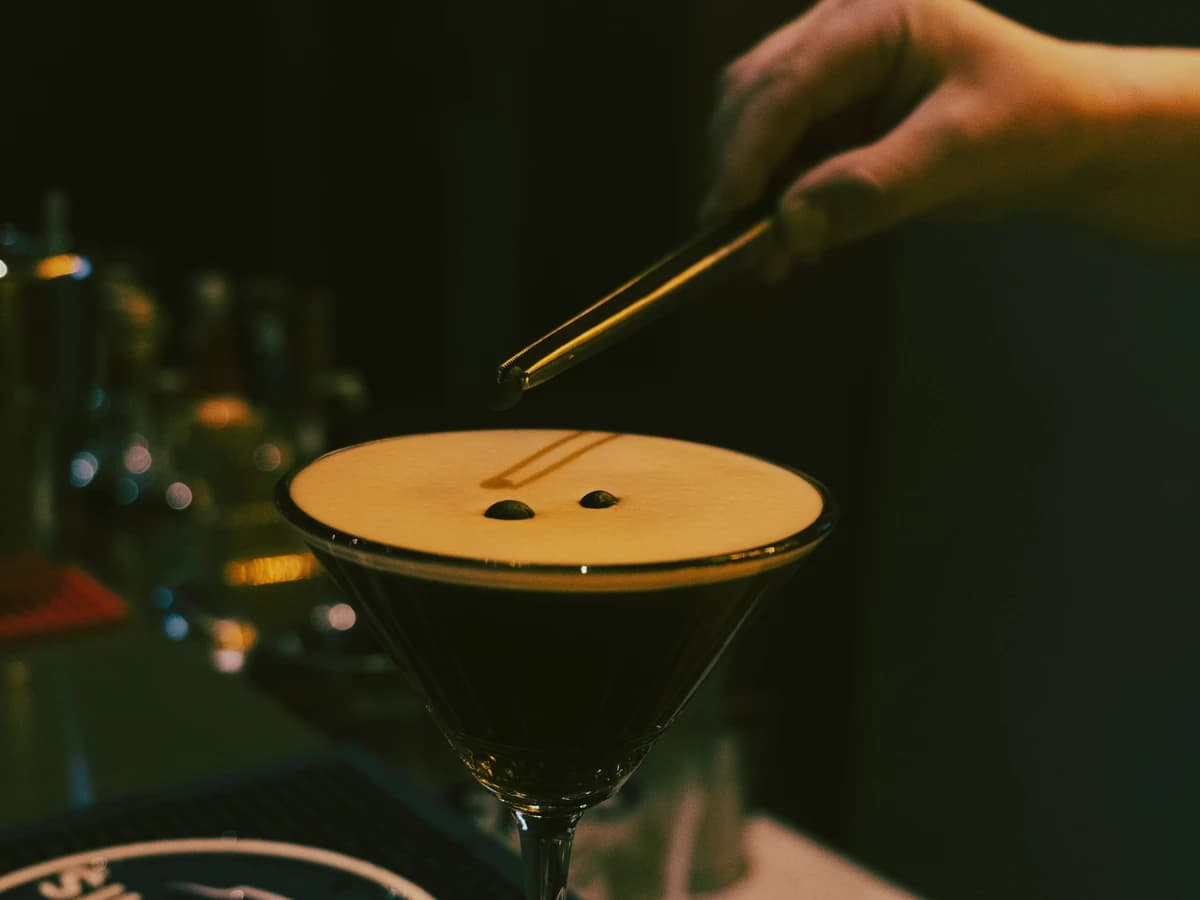
Espresso is intense, bright and slightly acidic, with a crema that shakes into real foam — which is exactly why the alcohol-free Espresso Martini works at all. It must be used fresh; espresso that has sat for ten minutes tastes noticeably duller and more bitter.
Cold brew is lower in acidity, smoother, and much more forgiving. It keeps for a week in the fridge, which makes it the practical choice for anything you want to make repeatedly or in batches. It also stands up better to dilution.
Neither is a substitute for the other in a recipe: swapping espresso for cold brew in a shaken drink loses the foam entirely.
Pairing it with something
Tonic is the classic partner, and the reason is chemical as much as culinary: quinine's bitterness and coffee's roast are different kinds of bitter, and carbonation lifts both. Pour espresso over tonic and ice, never the other way around, or it foams over.
Citrus works better with coffee than most people expect — orange especially, whose oils sit naturally alongside roast. Cream and coconut work in the opposite direction, rounding the bitterness into something dessert-like.
What doesn't work is heavy fruit juice. Pineapple and coffee are not friends.
The caffeine question
Alcohol-free drinks are often being served late in the evening, to people who may be driving home or heading to bed. A double espresso in a nightcap is a real consideration and one that rarely gets mentioned on drinks menus.
Decaf works perfectly well in every recipe on this site — the bitterness, body and crema are all largely intact — so it is worth keeping some in the house if you make these drinks in the evening.
The short version
- Coffee supplies bitterness, body and aroma at once — three of alcohol's five jobs.
- Espresso foams and must be fresh; cold brew is smoother, keeps a week and batches well.
- Tonic and orange pair well with coffee; heavy fruit juice does not.
- Decaf works in every one of these drinks — worth remembering for evening serving.
See it in practice
Recipes that use this
Espresso Tonic
Chilled tonic water over ice with a fresh double espresso poured on top — bittersweet, fizzy and cold.
Keep reading
Related guides
The flavour people miss most when they stop drinking, and the five alcohol-free ingredients that genuinely supply it.
Why tea is the most underrated alcohol-free base there is, and how to brew it so it works in a cold drink.
Soda, tonic, kombucha and alcohol-free sparkling wine — what each brings, and how to keep a drink from going flat.