Five preparations, five jobs
Syrup, cordial, shrub, tincture or oleo?
What separates a syrup, a cordial, a shrub, a tincture and an oleo saccharum: what each is made in, how sweet and sour it is, how much goes in a drink and how long it keeps.
These five words are used loosely, and some of them mean different things in different countries. A British cordial is a sweet fruit concentrate you dilute with water; an American cordial is often a liqueur; a bartender's lime cordial is a sweet-sour syrup preserved with acid. This guide uses the meanings that matter at a home bar and says where the words drift.
What actually separates them is what they are made in and what they are for: a syrup sweetens, a cordial sweetens and sours, a shrub sours with vinegar, a tincture flavours by the drop, and an oleo carries citrus oil.
Side by side
| Preparation | Made in | Sweet | Sour | Typical dose | Keeps |
|---|---|---|---|---|---|
| Syrup | Water and sugar | Yes | No | 10–25ml | Weeks in the fridge |
| Cordial | Syrup with acid or juice | Yes | Yes | 15–30ml, or diluted | Longer than juice; check the label |
| Shrub | Fruit, sugar and vinegar | Yes | Yes (vinegar) | 15–30ml | Much longer than syrup, in the fridge |
| Tincture | Strong alcohol | No | No | Drops or dashes | As long as the spirit it is made in |
| Oleo saccharum | Citrus peel and sugar | Yes | No | As the sugar in a punch | A week or two in the fridge |
Doses are typical for one drink; follow the recipe. Keeping times are cautious guides for homemade versions — taste first, and discard anything that smells off or fizzes.
Syrup
Sugar dissolved in water, sometimes flavoured. Simple syrup is one part sugar to one part water; rich syrup is two to one and about half as much again as sweet per measure. Honey, ginger and vanilla syrups are syrups with a flavour infused or dissolved in. A syrup has no meaningful acid, so it keeps only as long as the sugar protects it: weeks in the fridge for simple syrup, longer for rich.
Cordial
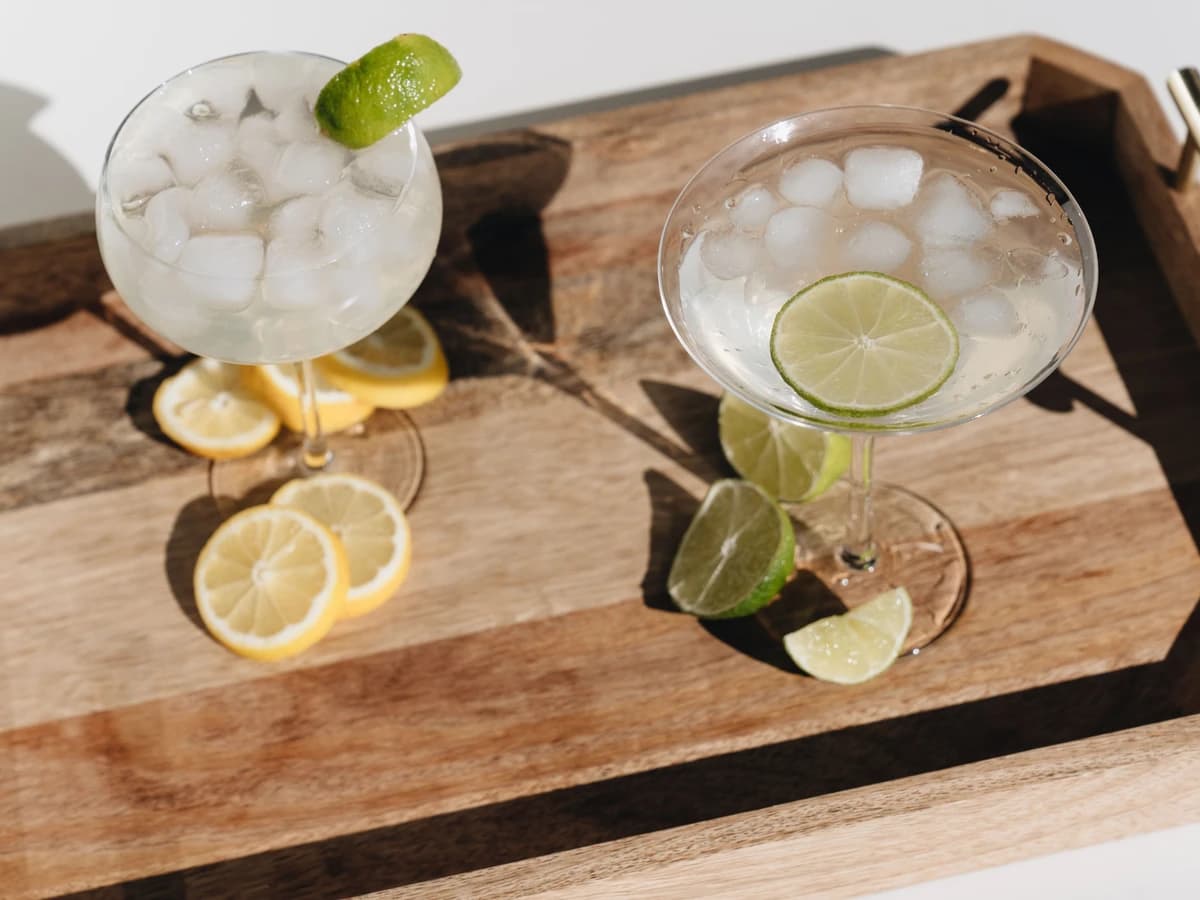
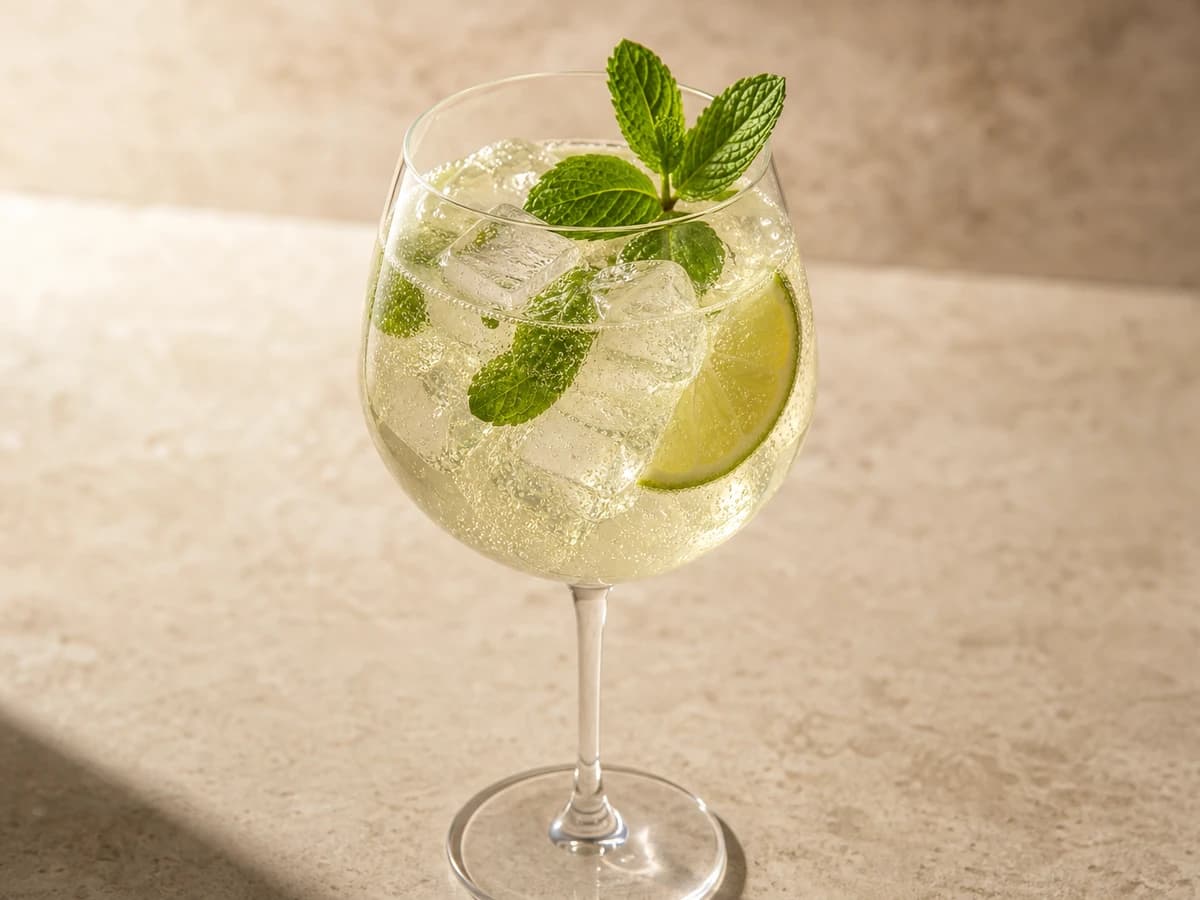
A syrup with acid added — citric or malic acid, or juice — so it is both sweet and sour and keeps better than juice. Lime cordial in a Gimlet, elderflower cordial in a Hugo Spritz, blackcurrant cordial in a Snakebite. It is used in larger measures than a syrup because it is doing two jobs, and commercial cordials are often concentrated to be diluted. In the US the word often means a liqueur instead.
Shrub
Fruit, sugar and vinegar, steeped together. Older than refrigeration, it is a way of keeping fruit, and the vinegar gives a sharp, lingering sourness that citrus does not. That makes it especially useful in alcohol-free drinks, where it gives backbone without tasting of lemon — the Raspberry Shrub Soda is built on one. The vinegar preserves it, so it keeps much longer than a syrup — often months in the fridge, though home versions vary: taste it first, and discard any that fizzes or grows mould. In older American usage a shrub could also be a spirit-based fruit drink.
Tincture
A concentrated infusion in high-strength alcohol, used by the drop or dash. Bitters are tinctures with a bittering agent; a single-flavour tincture — cardamom, chilli, grapefruit peel — is a way of adding one aroma precisely. Because it is mostly alcohol it keeps as long as the spirit it is made in, but because it is alcohol it is not suitable for alcohol-free drinks, however small the dose. Home tinctures are made with the strongest spirit you can buy, and most home bars are better served by a few bottles of bitters.
Oleo saccharum
Citrus peel and sugar, left until the sugar has drawn the oil into a syrup. It is a sweetener that carries aroma rather than flavour from juice, and it is the traditional base of punch. It keeps a week or two in the fridge.
The short version
- Syrup sweetens. Cordial sweetens and sours. Shrub sours with vinegar. Tincture flavours by the drop. Oleo carries citrus oil.
- Cordial means different things in Britain, America and behind a bar; check what a recipe means.
- Tinctures and bitters are alcohol: not for alcohol-free drinks.
- Shrubs keep longest; plain syrups and oleo keep least well.
Covered in more depth elsewhere
Try it on
Recipes where this matters most
Keep reading
Related guides
How sugar draws the oil out of citrus peel into a fragrant syrup, how to avoid the bitter pith, how to use it in punch and sours, and how to store it.
How to infuse tea, coffee, spices, herbs, fruit and chilli into a spirit, syrup or water — what controls the speed and the bitterness, how to tell when it is done, and how to store it safely.
How much acid is in lime, lemon, orange and pineapple, why pH and sourness are different things, and why CocktailHQ does not offer an acid-adjustment calculator.