What's actually good right now
Drinking with the seasons
Why seasonal produce makes a bigger difference in a cocktail than in most cooking, and what to reach for through the year.
Cocktails expose ingredient quality more brutally than cooking does, because there is no heat, no browning and very little else in the glass to hide behind. A February strawberry that would be acceptable in a crumble is obviously wrong in a shaken drink.
Seasonality here is less about food miles than about the fruit being good. Those usually point the same direction, which is convenient.
Why it shows up so clearly
Fruit picked underripe and shipped never develops the sugar and aromatic compounds it would have. In a cocktail you taste that gap directly: out-of-season fruit reads as watery and faintly green, and the usual response is to add sugar, which produces a sweet drink that still tastes of nothing.
Citrus is the exception worth knowing. Lemons and limes are available year-round and are genuinely acceptable throughout, though they are noticeably juicier and more aromatic in winter, which is their actual season in the Northern Hemisphere.
Through the year
The practical version: build drinks around whatever is cheap and abundant, because in fruit those two things track quality closely.
- Spring
- Rhubarb, elderflower, early berries, mint and basil at their most aromatic. Lighter, greener drinks; the shoulder season between mulled and iced.
- Summer
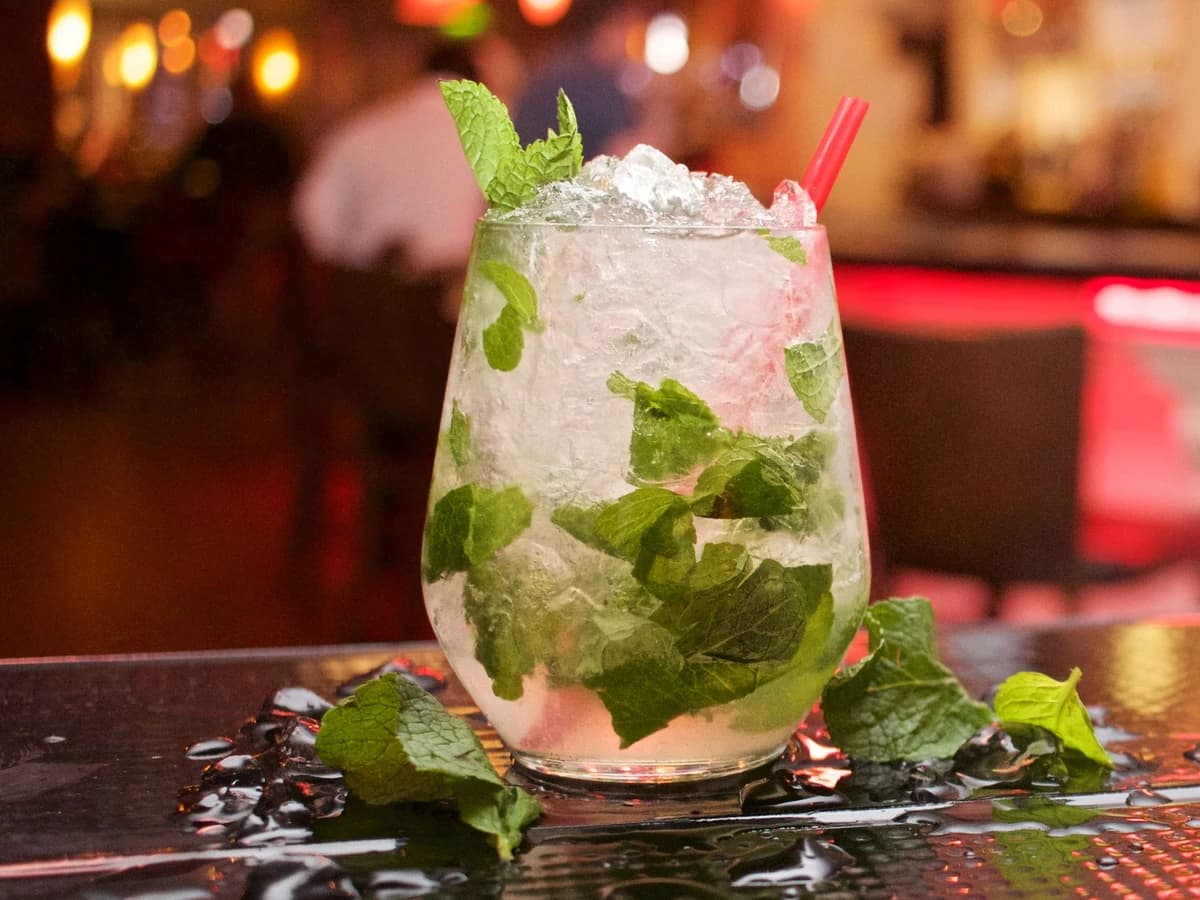
- Stone fruit, berries, cucumber, tomatoes. The long-drink season, and the one time fresh fruit genuinely earns its place muddled in a glass.
- Autumn
- Apples, pears, blackberries, figs. The moment to start making shrubs and infusions from a glut rather than buying syrups.
- Winter
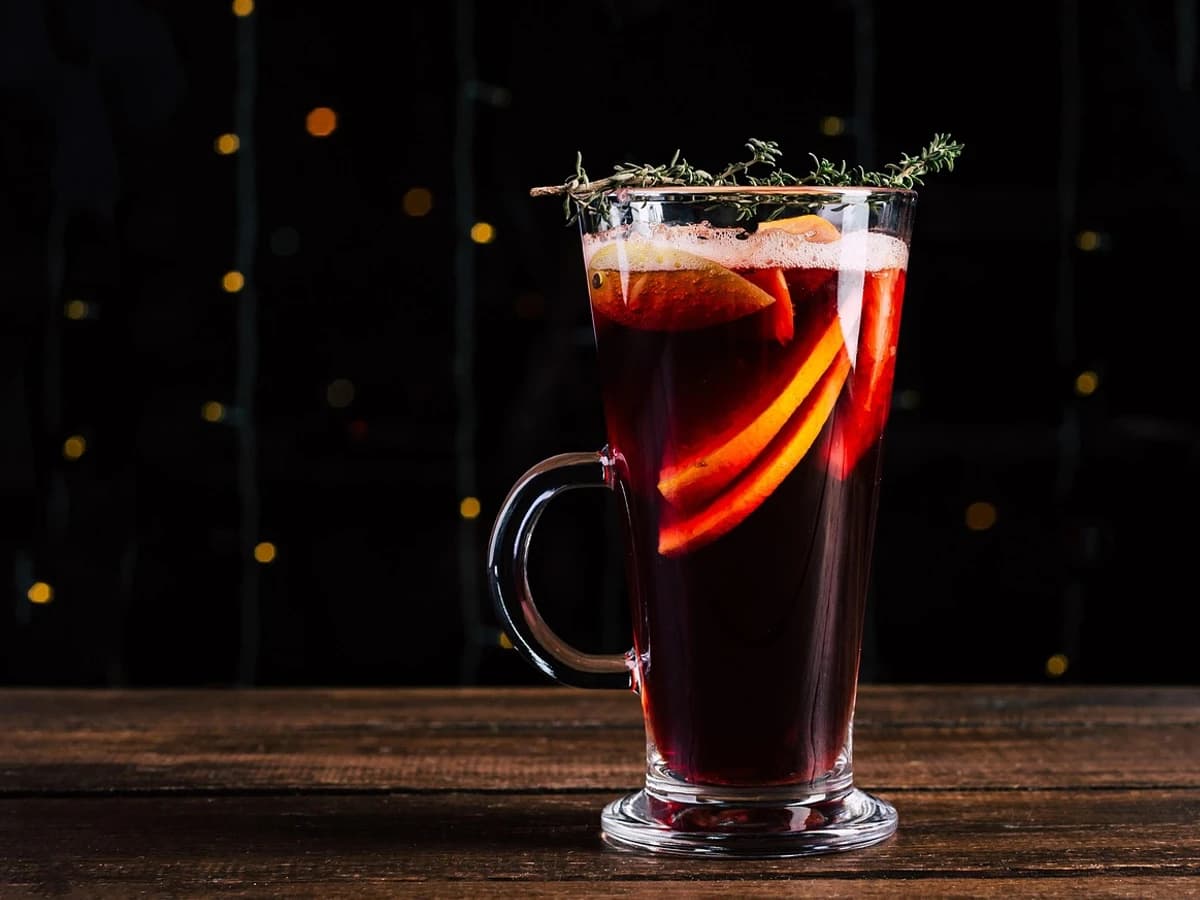
- Citrus at its best, cranberries, pomegranate, warming spice. Hot drinks, and the season where citrus-led classics are at their sharpest.
Preserving a good season
The most useful seasonal habit is capturing a glut rather than chasing fruit out of season. A shrub made from autumn blackberries keeps for months and tastes like autumn blackberries; a shrub is exactly the technique for this, and there is a whole guide on it.
Freezing works better than people expect for anything destined to be shaken or muddled — texture suffers, flavour largely does not, and neither matters much once it is crushed. Citrus juice freezes acceptably in an ice tray.
Syrups and infusions do the same job with a shorter shelf life and less effort. Between them, a good weekend in September can supply drinks into January.
The short version
- Cocktails hide poor ingredients less well than cooking does — there is nothing else in the glass.
- Cheap and abundant tracks quality closely in fruit; build around it.
- Citrus is at its best in winter, which is also when the citrus classics taste sharpest.
- Capture a glut with shrubs, syrups and the freezer rather than chasing fruit out of season.
Covered in more depth elsewhere
Try it on
Recipes where this matters most
Keep reading
Related guides
Where the waste in home cocktail-making actually is — and it is not the straw — plus what to do with the parts you normally bin.
Batching, glassware, ice and buying decisions that cut party waste — and how to work out what you actually need rather than over-buying.